

Published: 2026-07-23 | Author: Karl Huang
The Best Time for Xinjiang Packing List is the window I use to get travelers ready before a trip, not the night before a flight. I learned this the hard way on my third season guiding near the Pamir foothills, when a client arrived in late September with only a light fleece and we ran into a snow squall at 3,200 meters. Since then I treat packing as a timed job. Start your Best Time for Xinjiang Packing List about four weeks out, lock the cold layers three weeks before departure, and do a final check one week out. If you build a Xinjiang itinerary around that rhythm, you avoid the most common mistake I see on the road.
This Xinjiang packing list Xinjiang travelers rely on starts with one rule: pack for two seasons at once. Xinjiang spans more than 1,500 kilometers from the Altai forests in the north to the Taklamakan edge in the south, and a single day can swing 20 degrees. I have stood in Turpan at 42°C in July and shivered at Karakul Lake the same week in a down jacket. The bag has to handle both.
Quick Reference
| Item | Detail |
|---|---|
| Region covered | North and South Xinjiang (Urumqi, Kashgar, Yining, Altay) |
| Gear budget | ¥400–¥900 per person for a full layer set plus a 30–40L daypack |
| Best time to pack | Start 4 weeks before departure; finalize 7 days out |
| Role | Pre-trip preparation that protects your whole route |
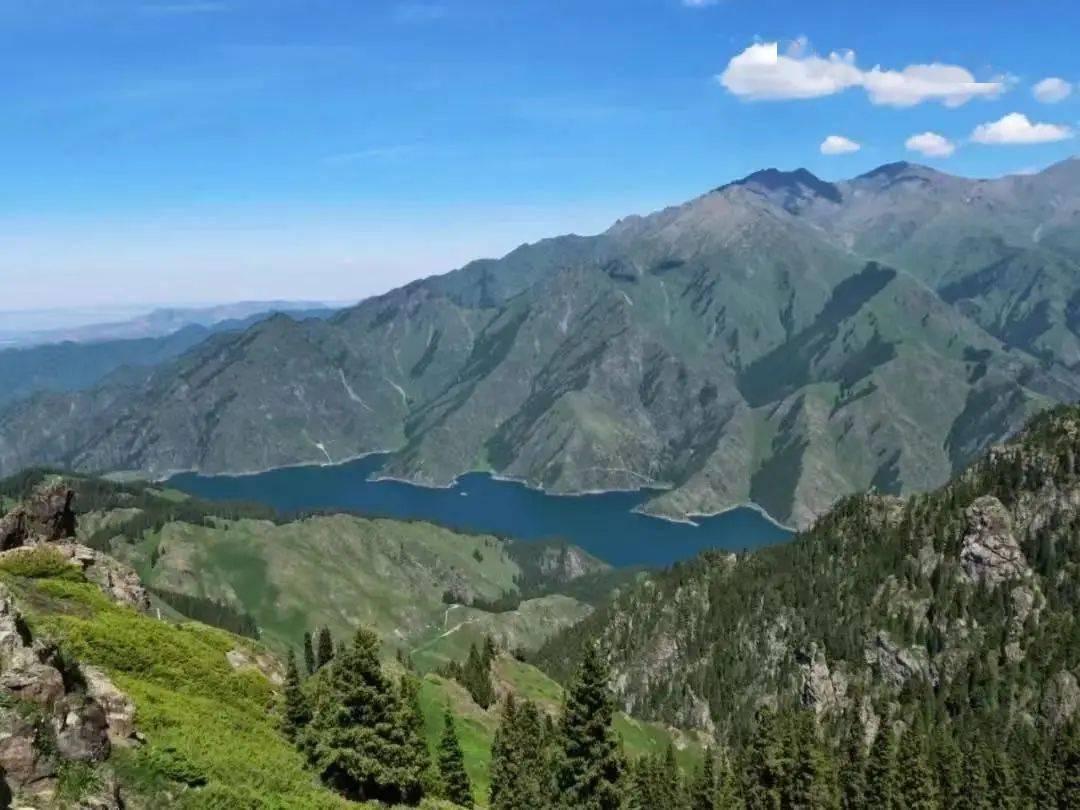
How I Plan the Best Time for Xinjiang Packing List
Most of my groups fly into Urumqi Diwopu International Airport (URC) on a China Southern flight that lands close to 22:40. By the time we clear baggage and reach the hotel near Hongshan, it is past midnight, and every shop is shut. That is why I send a checklist the moment a booking is confirmed. The first box travelers tick is a windproof shell, because the Dzungaria basin wind cuts hard even in May.
From Kashgar the timing shifts. If you arrive on the 09:20 morning flight from Urumqi, you have the full day to buy last items at the International Grand Bazaar before the old city walk. I tell people to keep ¥200 in cash for that stop. The point is plain: your Best Time for Xinjiang Packing List depends on which region you hit first and what the elevation does to the temperature.
My Closest Call With a Thin Bag
In October 2023 I drove a couple from Chengdu up the Duku Highway. We started in warm sun at 11:00 near Dushanzi, then met freezing rain at the 3,400-meter pass by 15:00. The wife had packed only a denim jacket. I loaned her my spare hardshell and we pushed on, but she spent the next two days borrowing layers from the group. That trip taught me to treat the best time to visit Xinjiang packing list question as a season math problem, not a fashion choice.
Since then I carry a spare mid-layer in the van for every tour. It weighs almost nothing and has saved at least a dozen trips. The lesson stuck: the bag is part of the plan, and the plan starts weeks early.
How to Get There
Getting your packed bag to Xinjiang is the first real test. Urumqi is the main hub, with direct flights from Beijing (about 4 hours on Air China, from ¥1,800 in shoulder season), Shanghai (5.5 hours, from ¥2,200), and Xi’an (3 hours, from ¥1,100). Most airlines allow one checked bag up to 23 kg in economy, which is enough for bulky gear if you skip the hard suitcase and use a soft duffel.
If you connect through Kashgar, note the smaller airport belt moves slowly and the walk to the exit is long. I tell travelers to keep a change of warm clothes and any medicine in the carry-on. A full Xinjiang Packing List Guide will remind you that the carry-on is your safety net when the checked bag is delayed.
Best Time to Visit
Xinjiang has four clear seasons, and each changes what goes in the bag.
Spring (April–May). Days warm to 18–25°C in the basins but nights drop near freezing in the mountains. Pack a light down, a shell, and a buff. This is also sandstorm season in the south, so a scarf for the face matters.
Summer (June–August). The north is mild and green; the south bakes. A sun hat, high-SPF cream, and a refillable bottle are non-negotiable. Even in July, carry a fleece for altitude stops above 2,500 meters.
Autumn (September–October). My favorite window. The poplar forests turn gold and the air is dry and clear. But the first snow can hit the passes in early October. Pack as if two seasons are colliding.
Winter (November–March). Harsh and quiet. You need a real down jacket rated to −20°C, thermal base layers, and waterproof boots. The Xinjiang Winter Travel Guide covers the gear in depth.
My clear recommendation: build your Best Time for Xinjiang Packing List in late spring or early autumn. Those windows give the widest weather margin and the fewest surprises at altitude.
Where to Stay
Your lodging choice changes what you pack. In Urumqi I often use a mid-range place near People’s Square where a double runs ¥380–¥520 a night and the heating is solid. In Kashgar the old city guesthouses start around ¥220 and many have thick carpets but weak radiators, so a warm layer for the room helps.
Budget: Hostels and old-city guesthouses, ¥150–¥260 a night. Pack flip-flops for shared showers and a lock.
Mid: Chain hotels like Jinjiang or local four-stars, ¥350–¥600. Heating and laundry are usually included.
Upper: Western-standard hotels in Urumqi or a yurt stay near Bayinbuluke, ¥800–¥1,500. Even here, pack your own pillowcase if you are picky about dust.
Food
What you eat on the road affects your cash packing. A plate of laghman noodles in a Urumqi corner shop costs ¥18–¥25. Samsa (baked meat pastry) runs ¥6–¥10 each near the Kashgar bazaar. A proper hand-grabbed mutton rice (zhuafan) meal sits at ¥35–¥50 with tea.
In the mountains, options thin out. On the Duku drive I budget ¥60–¥90 per person for a roadside hot pot or noodle stop. Keep small bills; many stalls do not take cards. A Xinjiang Packing List Tips post I wrote covers the snack stash I keep in the daypack for long drives.
Practical Tips
- Start the bag four weeks out and buy nothing bulky in the last 48 hours; airport shops charge double.
- Pack one warm layer per planned altitude gain above 2,500 meters, even in summer.
- Keep medicine, a power bank, and a warm top in the carry-on at all times.
- Stuff a foldable tote; market buys in Kashgar add up fast.
- Weigh the checked bag at home; the 23 kg limit is strict and overweight fees run ¥80–¥120 per extra kilo.
- Print or screenshot your Xinjiang Packing List Itinerary so the daily bag plan travels without signal.
Sample Itinerary
A packing timeline that has worked for my last 40 groups:
- 4 weeks out: Book flights, send the checklist, buy the shell and daypack.
- 3 weeks out: Add base layers, mid-layer, and boots; break in the boots on two walks.
- 2 weeks out: Buy sun and dust gear; check visa and permit documents.
- 1 week out: Final weigh, pack the carry-on safety net, print the daily plan.
- 2 days out: Check the forecast for each stop; swap one layer if a cold front is due.
- Departure day: Carry water, meds, and a warm top; check the bag at the counter calm.
FAQ
When should I actually start packing for Xinjiang?
Four weeks before you leave. That gives time to ship gear home if the bag is over the weight limit and to break in new boots.
Do I really need cold gear in summer?
Yes if your route goes above 2,500 meters. Karakul Lake and the Duku passes stay cold at night even in July.
How much cash should I pack?
¥300–¥500 in small bills covers markets, tips, and card-less stalls. ATMs sit in every city but not on the mountain roads.
Can I buy missing items in Xinjiang?
In Urumqi and Kashgar, yes, at fair prices. In remote passes, no. Pack the essentials before you leave the hub.
What is the one thing people forget?
A power bank. Cold drains phones fast, and the photo stops are endless. I keep a 20,000 mAh unit in the van.
Is a hard suitcase a problem?
Not in the cities, but a soft duffel is easier to load in a 7-seat van and lighter on the belt. I prefer it for groups.
Disclaimer
Prices, flight times, permit rules, and weather patterns change. The figures above reflect what I saw on recent trips and are not guarantees. Always confirm visa and border permit requirements with official sources before you travel, and check the live forecast for each stop on your route.