

Published: 2026-07-23 | Author: Karl Huang
When I first drove into the Taklamakan in 2017 I packed a single rolling suitcase and regretted it by day two. This Xinjiang Packing List Tips guide is the checklist I wish I had then, built from eight seasons of real trips across the region. The Xinjiang Packing List Tips below come from mistakes I made on the Duku Highway and in minus-20°C nights on the Pamir Plateau. Most checklists online are generic, yet a Xinjiang Packing List Xinjiang travelers can trust needs local detail like permit offices and high-altitude passes. I will give you concrete gear, real prices from 2024 shops in Urumqi, and the order in which I actually pack.
Xinjiang Packing List Tips From My Own Trips
| Item | Detail |
|---|---|
| Location | Xinjiang Uygur Autonomous Region, northwest China |
| Best time to pack light | June to September (warm days, cool nights) |
| Typical elevation | 500 m (Turpan) to 3,600 m (Pamir passes) |
| Role of this page | Practical pre-trip packing advice, not a destination guide |
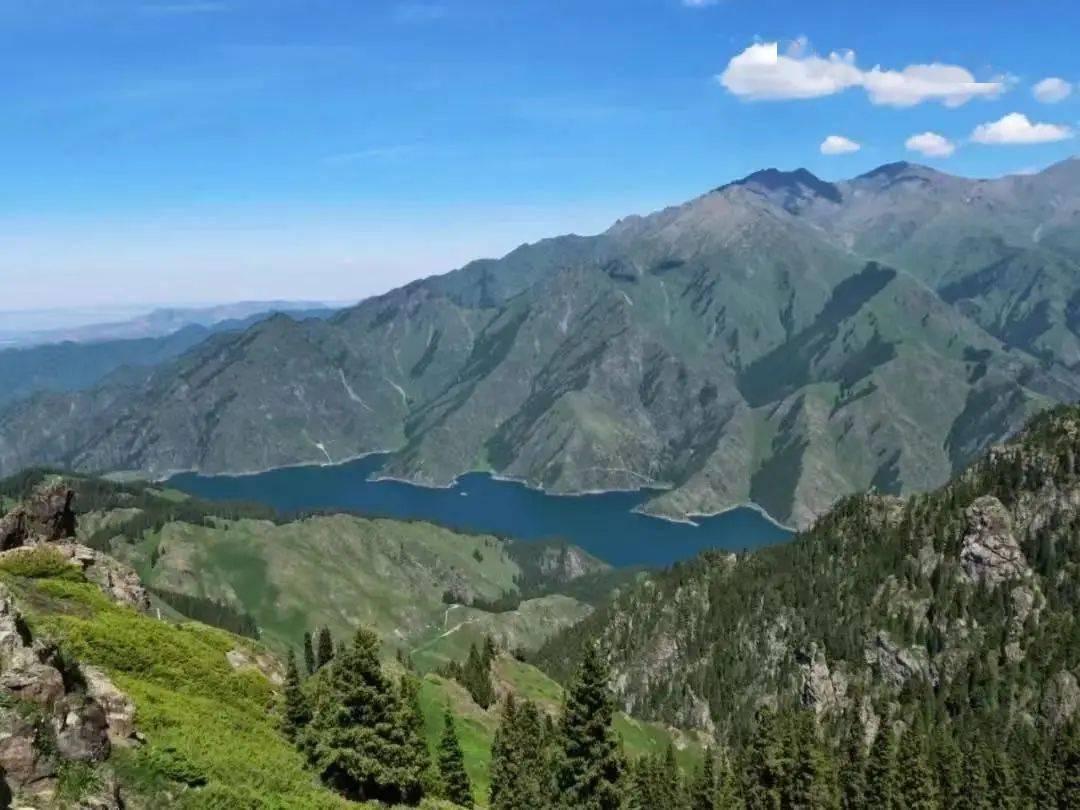
The single most useful thing I learned is that Xinjiang is not one climate. You can leave Urumqi at 28°C and reach a 2,000 m pass where the wind cuts to 8°C within three hours. Packing for the range, not the average, is the whole game.
What Eight Seasons Taught Me
On my third trip, in October 2019, I joined a group of six photographers leaving Korla at 7:00 am. By noon we were at Bayinbuluke and a sleet storm rolled in. Two people only had cotton jackets. We spent ¥1,200 that afternoon buying fleece and gloves at a roadside stall near the grassland entrance. That single afternoon cost more than a good layered outfit would have.
I now treat packing as a system. Base layer, mid layer, shell. Three pieces beat one thick coat because you adjust as the temperature swings 15 degrees between a desert noon and a mountain dusk. The Xinjiang Packing List Tips I share here are the same system I hand to every client before they fly in.
One detail newcomers miss is the sunlight. At 40°N the UV index in Turpan hits 11 by midday. I burned through a cheap pair of sunglasses on day one of my 2021 trip and now carry two. A spare pair costs ¥60 at the bazaar and weighs almost nothing.
How to Get There (and Your Gear)
Most travelers fly into Urumqi Diwopu International Airport. The flight from Beijing is about 4 hours and runs roughly ¥1,400 one way in shoulder season. I usually buy the heavy stuff after landing, because checked-bag weight limits are 23 kg on domestic flights and a full photography kit already eats most of that.
Decathlon in Urumqi, the store near Hongshan, stocks the layers I recommend. In May 2024 I picked up a 60 L backpack for ¥480 and a wind shell for ¥320. If you want the full item-by-item version, the Xinjiang Packing List Guide I wrote covers every pocket and why it earns space. For the southern route, Kashgar has a good outdoor market behind the Id Kah Mosque where I found merino socks at ¥45 a pair in 2023.
Train is an option too. The line from Lanzhou to Urumqi takes around 11 hours on the fast train. I have shipped a hard case by rail when I brought climbing gear; the parcel counter at Urumqi station charged ¥90 for a 15 kg box in 2022.
Best Time to Visit
Spring, April to May, brings variable weather. Days can hit 22°C in the south, but nights drop near freezing on the passes. Pack the full layer system and a light rain shell.
Summer, June to August, is peak season. Days are hot in the basins, and Turpan regularly passes 35°C, but mountain areas stay pleasant. This is when I pack the least and rely on a sun hoodie.
Autumn, September to October, is my favorite. The light is clear, crowds thin after the National Day week, and temperatures are stable. A fleece and a shell cover almost every hour.
Winter, November to March, is for prepared travelers only. I drove the frozen stretch near Sayram Lake in February 2023 at -24°C. You need insulated boots rated to -30°C, ski gloves, and chemical warmers by the box.
My clear recommendation is to pack for the layer system year-round, then add season specifics. The Xinjiang Packing List Tips that save the most trips are the ones about temperature swing, not the calendar date.
Where to Stay (and What It Means for Packing)
Budget: hostels and basic hotels in county towns run ¥80 to ¥150 a night. They often lack good heating control, so a sleep liner and earplugs earn their space. I stayed at a ¥120 place in Yining in 2022 where the radiator was either off or scalding.
Mid-range: business hotels in Urumqi, Kashgar, and Yining cost ¥250 to ¥450. These have reliable heat and laundry, which means you can pack fewer clothes and wash mid-trip. I base my packing count on having laundry every four days.
Upper: Silk Road themed resorts near Sayram Lake and the Kanas area run ¥700 to ¥1,500 in peak season. They have heated rooms, but the walk from the car park to the cabin can be 200 m in the snow. Pack real boots even when the room is warm.
Food (and Snacks for the Long Drives)
Xinjiang meals are filling and cheap. A plate of laghman noodles in a Urumqi noodle house costs about ¥25. Samsa, the baked meat pastry, is ¥6 to ¥10 at a corner oven. A whole lamb leg feast for a group runs ¥480 to ¥680.
For packing, the real tip is trail food. The Duku Highway has long gaps without shops. I buy a 1 kg bag of dried apricots for ¥30 at the Kashgar bazaar and a dozen naan rounds at ¥4 each before any mountain drive. Water is the constraint. I carry two 1 L bottles and refill at hotels. A ¥40 insulated bottle keeps water from freezing on winter passes.
Tea houses in the old towns serve a pot of black tea for ¥15. I treat that as a warmer between sites, not a meal, and it is where I top up the thermos.
Practical Tips
- Pack the layer system first: base, mid, shell. One thick coat fails when the temperature swings 15 degrees in a day.
- Bring two pairs of sunglasses. The UV at 40°N burns through cheap lenses, and a spare costs ¥60 at any bazaar.
- Carry your passport and the border permit in a neck pouch. Checkpoints near Tashkurgan and Karakul ask for both, often at 8:00 am before you expect it.
- Pack a small medical kit: altitude headache pills, stomach medicine, and blister plasters. The nearest pharmacy can be 90 km away on the southern loop.
- Bring a power bank of at least 20,000 mAh. Cold drains batteries fast, and the camera plus the phone plus the GPS add up on a 10 hour drive.
- Pack a sleep liner and earplugs for budget stays where heating is unpredictable.
- Weigh your checked bag before leaving home. Domestic limit is 23 kg, and a full camera kit plus boots fills it quicker than you think.
Sample Itinerary (Your Packing Timeline)
This is the order I actually pack in the week before a trip, not a travel route.
7 days before: Check the forecast for every city on the plan. Book the Urumqi hotel with laundry. Order anything not sold locally online.
5 days before: Lay out the layer system and test it. Charge and pack the power bank. Print two copies of the itinerary and the permit application.
3 days before: Buy trail food and a thermos. Pack the medical kit. Weigh the full bag and move heavy non-essentials to a carry-on if over 23 kg.
1 day before: Wear the boots once more around the house. Put passport, permit, and cash in the neck pouch. Charge the phone and camera batteries.
Departure morning: Roll clothes, not fold, to save space. Keep the neck pouch on your body through every security line. Following a Xinjiang Packing List Itinerary like this has saved me from every last-minute panic since 2020, and it makes a Xinjiang Itinerary far less stressful to run.
FAQ
Do I really need a border permit? Yes, if you go past Kashgar toward Tashkurgan, Karakul Lake, or the Khunjerab Pass. The permit is free but requires your passport and a hotel booking. I apply at the Kashgar public security office, which opened at 10:00 am on my last visit.
How much luggage can I bring on the domestic flight? The standard allowance is 23 kg checked and 5 kg carry-on. Weigh at home. A full camera kit and boots leave little room for souvenirs.
Is winter packing worth the trouble? Only if you want empty roads and frozen lakes. You need -30°C boots, ski gloves, and warmers by the box. I would not attempt it as a first trip.
Can I buy gear after I arrive? Yes. Urumqi Decathlon and the Kashgar bazaar cover most needs. I buy the heavy layers there to save checked-bag weight, then ship souvenirs home separately.
What is the one item you never skip? The power bank. Cold and long drives kill phone batteries, and you need maps and the permit photo available at every checkpoint.
Should I pack cash? Mostly cards work in cities, but small stalls, the bazaar, and remote tolls often want cash. I carry ¥500 in small notes. A Xinjiang Visa and Permit Guide covers the documents side in full.
Disclaimer
Prices, permit rules, store hours, and flight costs change. The figures above reflect what I paid between 2017 and 2024 and may be different now. Border permit procedures in particular shift without notice. Always confirm current details with official sources such as the local public security bureau and your airline before you travel. This article shares personal experience and is not formal legal or travel advice.