

Published: 2026-07-22 | Author: Karl Huang
My first real Xinjiang Packing List Itinerary mistake happened on a June morning in 2021 at Urumqi Diwopu Airport. I had paid 2,480 RMB for a round-trip flight from Shanghai, booked a 9-day loop through the north and the south, and packed one summer suitcase. By noon we were at 3,400 m on the Duku Highway and the wind carried a hard chill that no T-shirt survived. That trip taught me a basic truth: a region spanning 1.6 million square kilometers needs a packing plan that travels with the route, not a single wardrobe chosen at home. This guide is the day-by-day version I built after eight seasons of guiding groups across Xinjiang, and it is the plan I now hand to every traveler who books through me.
Quick Reference
| Region / Stop | Packing role | Best time | Elevation |
|---|---|---|---|
| Urumqi (hub) | documents, base layers | Apr–Oct | 800 m |
| Kanas, north | warm layers, rain shell | Sep–Oct | 1,300 m |
| Duku Highway | windproof jacket | Jun–Sep | up to 3,400 m |
| Pamir Plateau, south | altitude kit, sunscreen | May–Oct | 3,600 m |
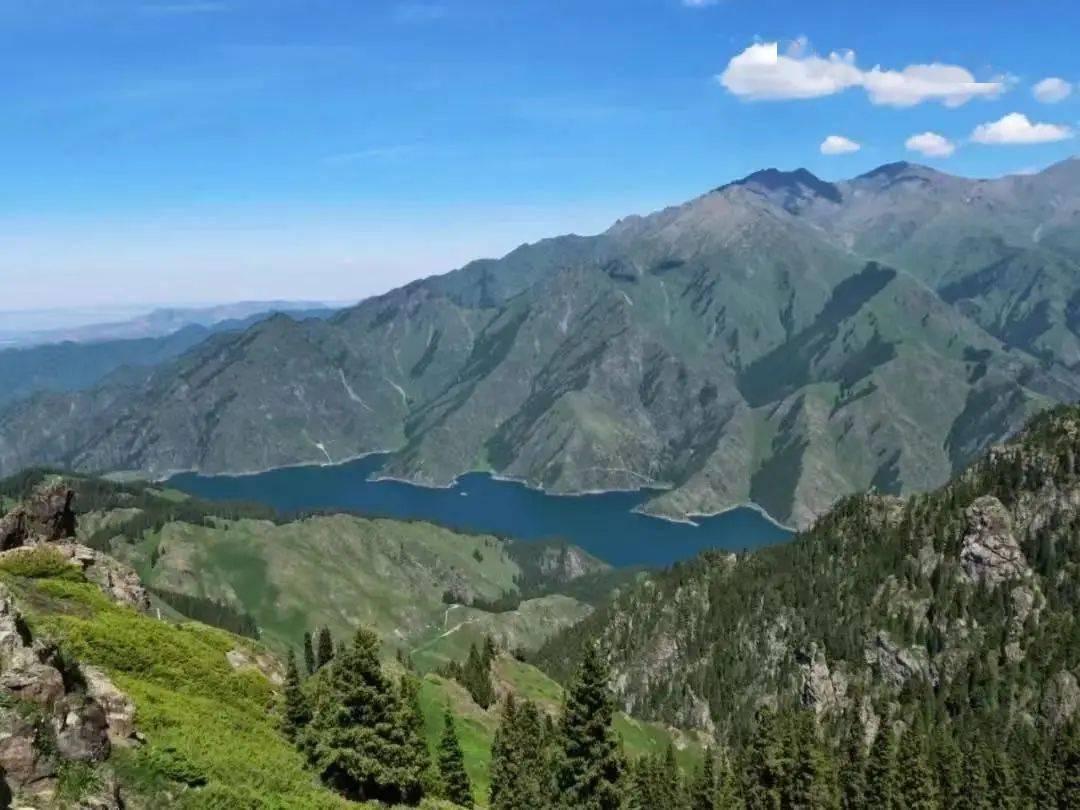
The Xinjiang packing list Xinjiang newcomers need looks nothing like what a local in Kashgar carries in July. I learned this the slow way, standing in a guesthouse in Tashkurgan at 3,100 m with a throbbing headache and no ibuprofen in my bag. Below I walk through the exact route I now run, and what goes into the bag at each stop along it.
Our loop started in Urumqi on a Tuesday. I met the driver, Ablimit, outside the International Grand Bazaar at 8:15 a.m. He charged 600 RMB for the day’s transfer and laughed when he saw my single roller bag. “You will buy a second one in Kanas,” he said, and he was right. We drove to Tianchi first and paid 215 RMB for the entrance plus the shuttle bus. I sweated through two shirts by midday, then the temperature fell to 11°C after dark. That single day held both extremes, and it set the pattern for the whole trip.
The second lesson came three days later near Kanas. I woke in a wooden guesthouse at 6:40 a.m. to frost on the window and a thermometer reading of 4°C. My north kit, which I had almost left in Urumqi, became the only reason I enjoyed the morning walk to the lake. By the time we reached the Hemu viewing platform the light was flat and silver, and the other travelers who had packed light were huddled in the tea house buying overpriced wool hats. A Xinjiang Itinerary that crosses climate zones lives or dies on these small, repeated choices.
How to Get There
Most travelers fly into Urumqi Diwopu International Airport, code URC. In peak season I count direct flights from Beijing (about 4 hours, 1,900–2,600 RMB), Shanghai (5 hours, 2,200–3,000 RMB), Guangzhou, Chengdu, and Xi’an. Book at least three weeks ahead if you travel in July or October, because those are the months when fares climb and seats vanish.
The train is a strong alternative. The high-speed line from Lanzhou reaches Urumqi in under 12 hours, and the classic Urumqi–Kashgar sleeper costs 450–520 RMB for a hard berth. I took it once with a group of six; the bunks gave us a calm evening to sort the bags before the southbound leg began. If you would rather hold the wheel yourself, the Xinjiang Self-Driving Guide explains the road rules and the permits you will need for the open passes.
Best Time to Visit
Spring, April to May, brings wildflowers to the northern grasslands but keeps the high mountain passes closed under snow. Summer, June to August, opens the Duku Highway and the Karakoram route; it is crowded and hot in the south, mild and green up north. Autumn, September to October, is my favorite window: the poplar forests near Luntai turn gold and the summer crowds thin out. Winter, November to March, shuts most passes and freezes the north, though the ski resorts near Urumqi stay open for locals and a few brave visitors.
My clear recommendation is late September. You catch the Kanas larches at their peak, dodge the July heat that bakes Turpan past 40°C, and still reach the Pamir before the first snow blocks the way. Pack for a daily swing of around 20°C and you will stay comfortable from the lowland deserts to the high plateau.
Where to Stay
Budget options are hostels and basic guesthouses that run 80–150 RMB a night. I stayed in a clean one in Yining for 110 RMB; the shared bathroom was fine and the rooftop opened onto a clear view of the Tianshan range at sunrise.
Mid-range three- and four-star hotels cost 250–450 RMB. In Kashgar the old-city hotels around Id Kah Mosque sit in this band and drop you steps from the night market, which matters after a long drive when you do not want to walk far for food.
Upper-tier choices are the new international hotels in Urumqi and the resort lodges near Kanas, charging 600–1,200 RMB. They are worth it for the heating alone when the larches drop their needles in October and the cold settles into the valleys.
Food
Xinjiang food is hearty and cheap, and it fuels long driving days. A plate of dapanji, the big plate chicken, feeds two people for 60–88 RMB. Lamb skewers run 3–5 RMB each at any night market, naan bread is 3–5 RMB a piece, hand-pulled banmian noodles cost 18–28 RMB, and zhufan, the lamb pilaf, is 25–35 RMB. In Tashkurgan a simple mutton soup with naan cost me 22 RMB and fixed my altitude headache faster than the ibuprofen I had left at home.
Carry some cash regardless of how modern your phone feels. Cards and WeChat Pay work in the cities, but small stalls on the Pamir and roadside noodle stops outside Korla often take cash only. I keep 300 RMB in small bills for exactly this, folded into a side pocket of the daypack.
Practical Tips
- Pack by climate zone, not by calendar season. One bag holds the north’s forest kit, a separate layer stack covers the south’s plateau, and you swap at Urumqi between legs.
- Bring a border travel permit if your route reaches Tashkurgan or Khunjerab. I get mine at the Kashgar Public Security Bureau; the Xinjiang Visa and Permit Guide covers the paperwork, and it is free and took about 20 minutes with a passport and one photo.
- Carry a power bank rated at least 10,000 mAh. The long drives between charged stops on the Duku leave little time to plug anything in.
- Sun protection is not optional. At 3,600 m the UV burned my ears in under an hour, so SPF 50, a brimmed cap, and lip balm live in my daypack every single month of the year.
- Register a local SIM against your passport on arrival. Foreign roaming drops out on the plateau, and a China Mobile tourist SIM kept my maps alive near Karakul Lake when the group needed to reroute.
Sample Itinerary: The Xinjiang Packing List Itinerary Day by Day
This is the packing itinerary I now hand to every group, tied to the actual drive so the bag changes exactly when the landscape does.
Day 1, Urumqi: pack documents, cash, and a light base layer. Buy a second duffel here if your bag is already full. Day 2, Tianchi: add a windbreaker, because the lake wind bites by evening. Day 3, drive north to Kanas: swap to warm mid-layers and a rain shell, plus the altitude kit you will want later on the plateau.
Day 4–5, Kanas and Hemu: keep the warm stack, since mornings sit near 5°C and the frost returns. Day 6, Duku Highway: this is the hard one. Wear the windproof jacket over everything, because the pass hits 3,400 m and snow can fall even in June. Day 7, Kuqa: shed layers and add desert sun gear. Day 8, drive south to Kashgar: pick up the border permit here at the bureau. Day 9, Tashkurgan and Karakul Lake: full altitude kit, heavy sunscreen, and the ibuprofen I once forgot. The loop ends back in Kashgar with a final night-market feast that resets everyone for the flight home.
FAQ
Do I really need two bags? For a north-plus-south loop, yes. One holds the warm north kit, the other the light south kit, and you swap at Urumqi between the two legs of the trip.
Is the border permit hard to get? No. In Kashgar it took me 20 minutes with a passport and a photo. It is free and valid for several days across the open checkpoints.
What if I visit in winter? Pack for severe cold and expect the Duku and Karakoram roads to be closed. The Xinjiang Winter Travel Guide lists what stays open and what shuts down once the snow arrives.
How much cash should I carry? I keep 300 RMB in small bills for stalls and remote noodle stops that do not take cards or phone payments.
Can I rely on my phone? In the cities, yes. On the plateau, register a passport SIM and keep a power bank, because roaming from outside China drops out between the checkpoints.
Where do I start the plan? The Xinjiang Packing List guide lays out the full kit list item by item, and your embassy site covers the paperwork you need before you board the flight.
Disclaimer
Prices, permit rules, and road openings change from season to season. The figures above reflect my own trips between 2021 and 2025 and may differ when you travel. Always verify current entry requirements, border permit procedures, and park fees with official sources such as the Xinjiang tourism bureau and your home embassy before departure.