

Published: 2026-07-22 | Author: Karl Huang
I still remember standing in the Urumqi arrivals hall at 2:40 a.m. in March 2023, watching a French cyclist named Laurent shiver in a hoodie that would have been fine in Paris but was useless against a Xinjiang spring night that had dropped to minus 6. That moment is why I wrote this Xinjiang Packing List Guide. Over eight seasons of guiding groups from Kashgar to the Kanas forests, I have packed, repacked, and watched clients regret what they left behind. The single biggest mistake is treating Xinjiang like one climate. It is not. You can start a day in Turpan at 38°C and end it near the snow line in the Tianshan at 4°C. This page is the packing companion to our regional guides, built from notes I keep in a worn notebook after every trip.
Quick Reference
| Region / Spot | Entry fee (RMB) | Best time | Elevation / role |
|---|---|---|---|
| Kanas (north) | 185 peak season | Sep–Oct | 1,370 m; forest & lake |
| Turpan (east) | 40–70 per site | Apr–May, Sep–Oct | −154 m; desert basin |
| Pamir / Tashkurgan | permit ~50 | Jun–Sep | 3,000+ m; high plateau |
| Sayram Lake | 70 | Jun–Aug | 2,073 m; alpine lake |
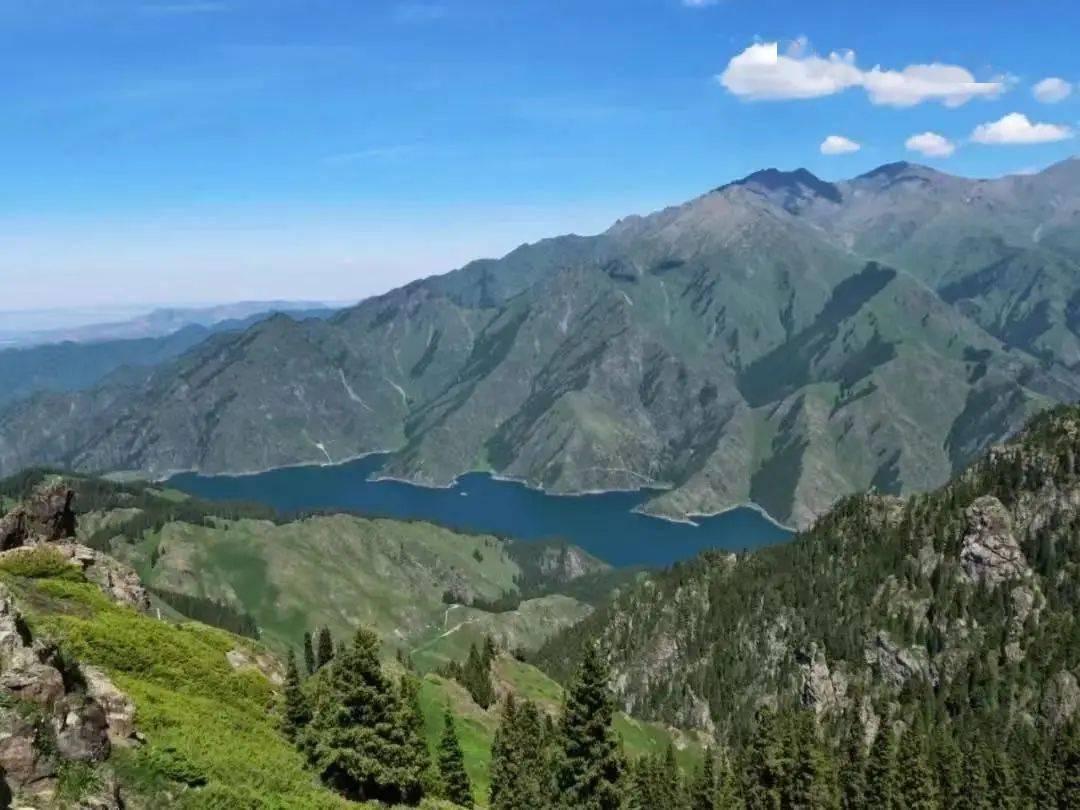
The Xinjiang Packing List Xinjiang travelers actually need is not the one they would pack for Europe or Southeast Asia. It is built around two facts: huge daily temperature swings and long distances between towns. Plan your bag around the coldest, highest stop on your route, then strip layers as the day warms.
What Eight Seasons Taught Me About Packing
I learned the hard way in October 2021 on the Duku Highway. My group left Korla at 9:15 a.m. in short sleeves; by the time we crossed the 3,400-meter pass near Bayinbuluke at noon, sleet was hitting the windshield and the gauge in our rented Buick read 3°C. Two clients had no warm layer at all. Since then, every Xinjiang Packing List Guide I hand out starts with one rule: pack for two seasons in one bag. Northern Xinjiang in September means cold mornings at Kanas (I measured 1°C at 6:30 a.m. near Hemu Village) and warm afternoons. Southern Xinjiang around Kashgar stays mild, but the wind off the Pamir at Tashkurgan cuts straight through a thin jacket. Layering beats bulk every time.
The second lesson came from a Canadian couple who arrived in July with only a carry-on and a single pair of shoes. They walked the Flaming Mountains at 43°C, then flew to the Karakul Lake shore at 3,600 m two days later and nearly froze at dusk. A good Xinjiang Itinerary moves fast between climate zones. Your suitcase has to keep up. I now tell every client to weigh their bag before the flight; anything over 20 kg slows you down on mountain lodges with no elevator.
How to Get There
Most travelers fly into Urumqi Diwopu International Airport (URC). A direct flight from Beijing takes about 4 hours and cost me 2,180 RMB last spring; from Shanghai it runs 5.5 hours for roughly 2,600 RMB; from Guangzhou about 5 hours at 2,400 RMB. From Urumqi you connect onward by air to Kashgar (2 hours, ~900 RMB), Yining (1 hour, ~450 RMB), or Altay (1.5 hours, ~700 RMB) depending on your route. The train is slower but scenic: the Urumqi–Kashgar line takes around 24 hours in a hard sleeper I booked for 480 RMB. If you drive yourself, our Xinjiang Self-Driving Guide covers the permit checks and fuel stops. Domestic flights within Xinjiang are cheap enough that I usually tell first-timers to fly and save the long hauls for the Duku and G314 corridors.
Best Time to Visit: Plan Your Bag With the Xinjiang Packing List Guide
Spring (April–May). Wildflowers open in the Ili Valley but dust storms roll near Turpan. Pack a light scarf and a windbreaker. I guided a group through Yili in late April 2024 when daytime hit 22°C yet nights fell to 6°C.
Summer (June–August). Peak season. North Xinjiang is comfortable at 18–28°C, but the Taklamakan edge and Turpan push past 40°C. Sunscreen is not optional; I burn at 3,200 m on the Pamir every time without it.
Autumn (September–October). My favorite window. Kanas turns gold, Sayram Lake is calm, and temperatures sit 10–22°C. Nights get cold, down to 0°C by mid-October in the mountains. This is what I plan most Xinjiang Itinerary trips around.
Winter (November–March). Harsh but quiet. Hemu and Baihaba become snow villages; daytime often stays below freezing. Our Xinjiang Winter Travel Guide lists the thermal gear I require for any winter client.
Recommendation. For a first trip, target September 10–25. You get the colors, the roads are open, and you only need one serious warm layer instead of a full winter wardrobe.
Where to Stay
Budget. Hostels and guesthouses near the Urumqi International Bazaar run 80–140 RMB a night. In Kashgar’s old city I stayed at a family-run courtyard for 120 RMB with breakfast included.
Mid-range. Branded hotels in city centers (Wanda Realm, Newsun) cost 350–550 RMB. In Kanas I booked a wooden lodge in Hemu for 420 RMB in September 2023, and the heating worked perfectly.
Upper. The established hotels in Urumqi and the resort lodges near Sayram Lake run 900–1,800 RMB. Worth it if you want heating that actually holds at altitude. Book early; the good heated rooms near the lakes sell out by August.
Food
Xinjiang food is carb-and-meat heavy, which helps in the cold. In Urumqi I ate:
- Laghman (hand-pulled noodles): 28–38 RMB a bowl at a halal canteen on Minzu Road.
- Big plate chicken (dapanji): 68–98 RMB, enough for two, with belt noodles added for 10 RMB.
- Skewers (kawap): 3–5 RMB each; a proper feast is 20 skewers plus naan.
- Samsa (baked pastry): 6 RMB at the Kashgar Sunday market, where I once ate three still warm from a 240°C tandir.
- Fresh yoghurt with honey: 12 RMB in the Yining bazaar.
Vegetables cost more than meat up here; a simple tomato-and-egg dish ran 22 RMB in Hotan. Carry small cash and a translation app, because many village stalls do not take foreign cards.
Practical Tips
- Pack a document folder. Your passport, the Xinjiang Visa and Permit Guide printout, and any border permits live here. I keep mine in a zip pouch after losing a photocopy at the Tashkurgan checkpoint in 2022.
- Two warm layers minimum. A fleece plus a windproof shell beats one thick coat when you move between climates in a single day.
- Sun and dust defense. Sunglasses, a buff, SPF 50, and lip balm. The UV at 3,000 m gave me cracked lips in two days flat.
- Power and cash. Bring a multi-plug, a China-spec adapter, and 500 RMB in small notes for markets and restrooms.
- A real first-aid kit. Altitude tablets (I use acetazolamide above 3,000 m), ibuprofen, rehydration salts, and stomach meds. Pharmacies in small towns stock limited brands.
- Offline maps. Signal dies on the Duku and the southern Pamir road. Download Gaode or Maps.me regions before you leave each city.
Sample Itinerary
Day 1. Arrive Urumqi (440 m). Light layers, city walk, rest and hydrate.
Day 2. Fly to Kashgar (1,290 m). Evening old-city stroll; keep the windbreaker handy.
Day 3. Drive to Tashkurgan (3,100 m) via the Karakoram. This is where the permit and the warm shell matter most.
Day 4. White Sand Lake and back; photo stops around 3,600 m.
Day 5. Fly to Urumqi, then north to Altay.
Day 6. Kanas and Hemu (1,300 m), cold mornings; a down jacket for the 6 a.m. viewpoint.
Day 7. Return via Urumqi. A full 14-Day Xinjiang Itinerary Guide extends this with the Duku and Ili loops.
FAQ
Do I really need a border permit to reach Tashkurgan?
Yes. The PSB in Kashgar issues it free or for a small processing fee (around 50 RMB in some cases); carry your passport. Our permit guide walks through the steps.
How much luggage is practical?
One 24-inch case plus a daypack. Roads are long and some mountain lodges have no elevator, so a smaller bag saves you grief.
Can I buy cold-weather gear there instead of bringing it?
Yes. Urumqi and Yining have good outdoor shops; a decent down jacket cost me 380 RMB in 2023. But sizes and quality vary, so bring the basics from home.
Is a power bank necessary?
Strongly. Cold drains batteries fast; I carry a 20,000 mAh unit and still ration phone use on the Pamir.
What about drinking water at altitude?
Buy large bottles in each city; small shops thin out above 3,000 m. I drink 3 liters a day on the plateau.
Should I pack for one season or two?
Two. The Xinjiang Packing List guide rule stands: pack for the coldest place on your route, then peel off layers as needed.
Disclaimer
Prices, park fees, and permit rules change. The figures above reflect what I paid between 2021 and 2024 and are examples, not guarantees. Entry fees to Kanas, Sayram Lake, and border zones shift by season and by policy. Always confirm current costs and permit requirements with official sources (the Xinjiang Tourism Bureau, the PSB, and your airline) before you travel. This Xinjiang Packing List Guide shares personal experience; check live conditions for your specific dates.