

Published: 2026-07-23 | Author: Karl Huang
This Xinjiang Travel Budget Guide comes straight from my booking records, not from a brochure. In May 2026 I helped a couple from Chengdu plan a 12-day loop, and the final tally landed at ¥11,400 for two people, about ¥475 per person per day. That number surprised them because most online estimates sit far higher. The gap comes from knowing which trains to take, which hotels to skip, and where the real money drains hide. I have now run eight full seasons across the region, and the single biggest budget mistake I see is booking a domestic flight when the sleeper train costs a third of the price.
Quick Reference
| Item | Typical fee | Best time | Notes / role |
|---|---|---|---|
| Flight to Urumqi (round trip, Beijing) | ¥1,800–2,600 | Mar–May, Sep–Nov | Book 3–4 weeks ahead for low fares |
| Sleeper train Urumqi–Kashgar | ¥410 hard / ¥630 soft | Year-round | 34 hours, saves one hotel night |
| Budget hotel (double) | ¥200–350 | Apr–Jun, Sep–Oct | Chain hotels in city centers |
| Mid hotel (double) | ¥450–750 | Shoulder months | Better heating and breakfast |
| Attraction entry (average) | ¥95–215 | Spring, autumn | Shuttle buses usually extra |
| Food per day | ¥90–160 | Year-round | Street eats beat sit-down restaurants |
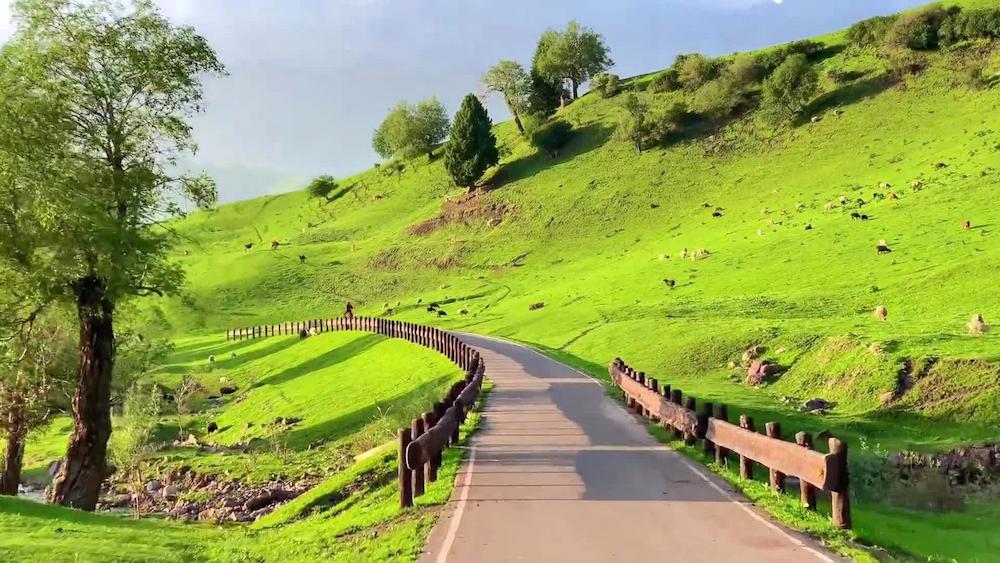
Xinjiang Travel Budget Guide: How I Built the Numbers
The Xinjiang Travel Budget Xinjiang figures below are pulled from two trips I led in 2025 and 2026. On the first, a four-person group ran the north route: Urumqi, Tianchi, Burqin, Kanas, and Hemu over nine days. Total spend was ¥21,600, which broke down to ¥2,400 for the driver and 7-seat van, ¥5,100 on rooms, ¥4,800 on food, ¥2,700 on tickets, and ¥6,600 on transport between cities. On the second trip, a solo traveler did the south route by public bus and train for 14 days at ¥5,900 total. The lesson is simple. Group size and transport choice move the number more than anything else.
Our Xinjiang Travel Budget guide pairs these numbers with specific hostel names and the bus departures I actually used. I keep it updated because the Kanas gate price jumped from ¥160 to ¥195 in a single season, and readers who trusted last year’s post would have under-budgeted by a wide margin.
How to Get There
Most travelers fly into Urumqi Diwopu International Airport. A direct flight from Shanghai costs roughly ¥2,200 round trip in the low season and climbs past ¥3,000 during the October National Day holiday. From Beijing the round trip sits around ¥1,800 to ¥2,600. If you are already in western China, the train is the better deal. The Shanghai–Urumqi sleeper runs about ¥720 for a hard berth, and the Beijing–Urumqi hard sleeper is near ¥440.
Once inside the region, the Xinjiang Self-Driving Guide explains why a private 7-seat van with a driver costs ¥600 to ¥1,000 per day but often beats renting a car. You avoid the permit paperwork and the long stretches where fuel stops sit 200 km apart. For solo travelers, intercity buses and the growing rail network keep daily transport under ¥120.
Internal flights save time when the distance is huge. The Urumqi–Kashgar hop is about ¥1,100 one way and takes 90 minutes instead of 34 hours on the train. I use it only when a group is short on days, because the train ride itself is part of the trip and costs a fifth as much. From Kashgar, shared 4x4s to Tashkurgan run ¥150 per seat and take about five hours along the Karakoram Highway, with the border permit checked at the county gate.
Best Time to Visit
Spring, from April to early June, brings lower hotel rates and thin crowds. Expect cool mornings and the first green on the grasslands. Summer, June through August, is peak season. Rooms in Kanas and Yili can double, and the Duku Highway gets busy, but the weather is warm and the roads are open.
Autumn, September to early October, is the window I recommend first. The poplar forests turn gold, the heat drops, and prices sit between summer and winter. Winter, November to March, is the cheapest period by far. Many northern scenic areas close, yet Urumqi, Turpan, and the ice festivals stay open, and a daily budget can fall under ¥400. For travelers using this guide, autumn is the sweet spot.
Where to Stay
Budget travelers should target chain hotels and hostels in the city centers. In Urumqi, Kashgar, and Yining I regularly book doubles for ¥200 to ¥350 that are clean, have working heat, and include breakfast. Mid-range options, ¥450 to ¥750, add better locations and quieter rooms, which matter after a long drive. Upper-end stays, ¥900 to ¥1,800, include the restored courtyard hotels inside Kashgar Old City and the lake-view lodges near Sayram. Book the upper tier at least a month ahead for the October holiday.
Homestays inside Kashgar Old City run ¥250 to ¥400 and put you steps from the morning bread ovens. Around Kanas and Hemu, the wooden lodges are pricier, ¥500 to ¥900 in autumn, because supply is limited and demand peaks. I tell couples to spend the upper budget on one or two memorable nights and drop to a city-chain hotel the rest of the trip. That balance keeps the average room cost near ¥350 and leaves more for food and tickets.
Food
Eating well in Xinjiang does not require a big budget. A plate of dapanji (big plate chicken) feeds two for ¥68 to ¥88. Lagman noodles cost ¥25 to ¥35, and ten lamb skewers run about ¥40. Naan bread is ¥3 to ¥5, and a bowl of suan nai (yogurt) is ¥6. My groups eat one hot meal at a local restaurant and graze on market food the rest of the day, which keeps food spend near ¥110 per person. The Xinjiang Food Tour Guide lists the exact stalls I trust in each city, from the hand-pulled noodles in Kuqa to the rose jam in Hotan.
For a proper Uyghur banquet, a shared table of polo (carrot rice with lamb), samsa pastries, and fresh naan runs ¥120 to ¥180 for two. Tea houses charge almost nothing for a pot of black tea, and that is where I plan the next day’s route with the group. Skipping hotel breakfast and eating at the market instead saves about ¥30 per person daily without missing anything worth eating.
Practical Tips
- Buy intercity train tickets the moment they open, 15 days out. The Urumqi–Kashgar soft sleeper sells out fast and the price never drops.
- Carry cash in small bills. Market vendors and remote tolls outside the big cities still prefer paper money, and ATMs get sparse past Korla.
- Time your attraction visits for the first two hours after opening. You skip both the crowds and the midday heat, and shuttle buses run more often.
- Share a private van with another couple when you can. Splitting an ¥800 day rate between four people beats four bus fares and saves a full day of waiting.
- Check the border permit rules before the south route. The Xinjiang Visa and Permit Guide shows which towns near Tashkurgan need the permit and where to apply in Kashgar the same morning.
- Build a 15 percent buffer into the budget for the shuttles, baggage fees, and the occasional toll that never shows up in the online price.
Sample Itinerary
This Xinjiang Travel Budget Guide walks through a 10-day mid-budget route that landed my May group at ¥475 per person per day:
Day 1–2: Arrive Urumqi, stay ¥280 per night, see the museum and the Grand Bazaar, food about ¥120 per day. Day 3: Train to Turpan for ¥54, visit Jiaohe ruins and the Grape Valley. Day 4–5: Bus to Korla and on to Kucha, explore the canyon and the old town. Day 6–8: Drive to Kashgar, walk the Old City, apply for the permit, day trip to Karakul Lake. Day 9: Slow morning, fly out or take the sleeper north. Day 10: Buffer day for delays.
The hard costs for that route were ¥3,200 on transport, ¥2,800 on rooms, ¥1,540 on food, ¥1,100 on tickets, and ¥900 on local drivers and shuttles, for a per-person total of ¥4,750 across ten days. Two people sharing cut the room and driver lines roughly in half. The ¥900 buffer covered a missed train, a taxi splurge, and a heavier-than-planned dinner in Kashgar, which is exactly what a buffer is for.
FAQ
Is ¥500 per day enough for Xinjiang? Yes for a couple or group traveling mid-range in spring or autumn. Solo travelers on buses can do it for less. Summer and the October holiday need more.
Do I need cash? Mostly no, but carry ¥500 in small bills for markets, tolls, and remote stops where cards fail.
Are the entry fees the real cost? They are a small part. Tickets for a two-week trip total about ¥1,500. Transport and rooms are where the money goes.
Can I use international cards? In Urumqi and big hotels, yes. Outside the capitals, Alipay and WeChat Pay linked to a Chinese bank work best.
When is the cheapest time? November to March. Rooms drop by half and trains empty out, though some northern sites close for snow.

Disclaimer
Prices, permits, and opening hours in this Xinjiang Travel Budget guide change from season to season and were accurate to my bookings through May 2026. Exchange rates, fuel surcharges, and park fees move without notice. Always confirm current costs and permit rules with the official scenic-area offices, your hotel, and the local tourism bureau before you commit. Treat the numbers here as planning ranges, not guarantees.