

Published: 2026-07-25 | Author: Karl Huang
When travelers ask me for a Xinjiang Accommodation Guide Tips sheet they can actually use, I give them the same warning I earned the hard way in 2019. Where you sleep in this region decides how much of the trip you enjoy. I still remember paying 480 yuan for a near-windowless room above a hotpot place in Kashgar’s old town at 1 a.m., then two nights later lying under a wool quilt in a Kazakh yurt near Kanas for 260 yuan and sleeping better than I had all month. The range is that wide. This guide walks through what I have booked, what it cost, and how to choose without overpaying.
Quick Reference
| Lodging type | Typical location | Price per night | Best time to book | Role in your trip |
|---|---|---|---|---|
| City business hotel | Urumqi, Karamay, Korla | 320–700 yuan | 2–4 weeks ahead | Reliable base, good Wi-Fi, easy transit |
| Boutique guesthouse | Kashgar, Yining, Turpan | 220–480 yuan | 1–2 weeks ahead | Local character, courtyard style |
| Yurt / tented camp | Kanas, Nalati, Bayinbuluke | 200–420 yuan | Day-of in summer; reserve peak Jul–Aug | Scenic, atmospheric, basic facilities |
| Village homestay | County outskirts | 150–300 yuan | Flexible | Home cooking, family contact |
| Desert eco-lodge | Taklamakan rim, Kumtag | 500–1,200 yuan | 3–4 weeks ahead | Premium stay, stargazing |
Xinjiang Accommodation Guide Tips by Region
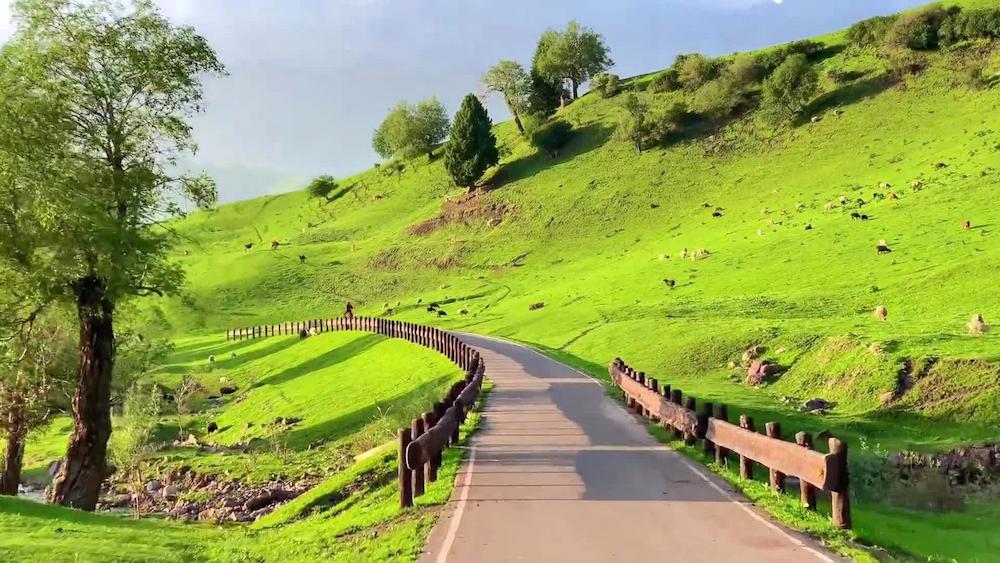
The first lesson is that Xinjiang is not one lodging market. It is several, separated by hours of driving. In the north around Altay and the Xinjiang travel budget tightens because yurt camps and wooden lodges dominate the scenic zones, and cash is still accepted at many sites where card readers fail. I once watched a family of four turn away from a 380-yuan yurt because the only payment option was WeChat, which their overseas accounts could not load. Carry 500 yuan in small bills and you avoid that scene.
South of the Tian Shan, the cities run the show. Urumqi has the densest hotel stock and the clearest pricing. Kashgar’s old town is where the guesthouses shine: restored mud-brick courtyards with grape arbors, often 240–360 yuan, run by families who will cook you laghman at 8 p.m. if you ask. Turpan and Hami sit in the heat belt, so I prioritize hotels with real air conditioning and a working pool, not just a unit bolted to the wall.
The far west, around Tashkurgan and the Pamir corridor, is the tightest market of all. Rooms there are limited and the altitude is real. I book those three to four weeks out without fail. The reward is a guesthouse where the host hands you butter tea at 4,500 meters and asks where you are headed on the Khunjerab road.
How to Get There
Most visitors reach their first night’s sleep from one of three gateways. Urumqi Diwopu International Airport (URC) connects to almost every Chinese hub and sits 25 km from the center; a ride-share to a city hotel runs 60–90 yuan and takes 35 minutes outside rush hour. Kashgar Airport (KCA) is the southern entry, 15 km from the old town, with a 35-yuan cab ride that I prefer over the shuttle when arriving after dark.
By rail, the Lanzhou–Xinjiang high-speed line lands you at Urumqi Station, and the slower conventional trains reach Turpan, Korla, and Kashgar. From any of these stations, the hotels cluster within 3 km, so a short cab gets you in. For the scenic north, you usually fly into Urumqi then drive or take a regional flight to Altay or Yining, then transfer to a lodge by hired car. I arrange the final leg with the hotel directly when possible because they often send a driver for 150–250 yuan, cheaper than negotiating at the curb.
Best Time to Visit
Spring (April–May) is the quiet season. Prices dip 20–30 percent and I can walk into a Kashgar guesthouse without a reservation. The catch is weather: sandstorms roll through the south and mountain passes stay closed. Good for budget travelers who can stay flexible.
Summer (June–August) is peak. The grasslands turn green, the yurts open, and so do the crowds. Kanas and Nalati lodges sell out weeks ahead and yurt prices climb to 420 yuan. I book the moment my flight is confirmed. The upside is long daylight; in July the sun sets after 9 p.m., giving you time to settle in and still explore.
Autumn (September–October) is my favorite window. The poplar forests near Hotan and the Tarim rim go gold, hotel rates ease after the National Day week, and the air is clear. I recommend late September for the north and mid-October for the south if you want the yellow leaves.
Winter (November–March) is sparse. Many scenic lodges close entirely. City hotels drop to 220 yuan and you may have a floor to yourself. Only come if you want skiing near Urumqi or absolute quiet, and confirm the property is open before you buy the ticket.
My clear recommendation: aim for the shoulders, late May or September, to balance price, weather, and open lodges.
Where to Stay
Budget. Village homestays and basic city hotels are the floor. In county towns I have paid 150 yuan for a clean room with a shared bath and a fantastic breakfast of flatbread and milk tea. Hostels exist in Urumqi and Kashgar with dorm beds around 70–90 yuan. They are fine for a night, loud for a week.
Mid-range. This is the sweet spot. A 300–450 yuan boutique guesthouse in Kashgar or a three-star business hotel in Urumqi gets you a private bath, reliable heat or AC, and a front desk that answers the phone. I put most clients here. The breakfast buffets alone save you 40 yuan a day.
Upper. Above 700 yuan you reach the proper international chains in Urumqi and a handful of design lodges near the lakes. The desert eco-lodges near Kumtag run 900–1,200 yuan and include guided night-sky walks. Worth it once, for the experience, not for every night.
Food
Lodging and food tie together in Xinjiang more than anywhere else I guide. A guesthouse that cooks is half your meal plan solved. Typical prices I logged on the last trip: a plate of hand-pulled laghman noodles, 18–25 yuan; a whole grilled sheep leg shared by four, 160 yuan; fresh nang bread from the roadside oven, 3–5 yuan; a pot of milk tea, 10 yuan; Uyghur polo (rice with carrot and lamb), 28 yuan. In a hotel restaurant these rise 30–50 percent. My move is to eat breakfast at the hotel and dinner at the night market two blocks away, which cuts the daily food bill to about 90 yuan.
Practical Tips
- Book scenic-zone lodges the day you confirm flights. Summer sells out fast and walk-up prices sting.
- Carry 500 yuan in small bills. Card and app payments fail at yurts and village stays more often than you expect.
- Confirm heating or AC by season. I have frozen in an April yurt and baked in a Turpan room with a dead unit. Ask before you pay.
- Match the hotel to your gateway. Stay near the station or airport on arrival night to dodge late-night driving on empty highways.
- Read the real check-in time. Some remote lodges list 2 p.m. but will not have staff before 4 p.m. if you arrive early, message ahead.
- Save the property’s WeChat. Many small guesthouses have no listed phone, and the host replies faster on the app than email.
Sample Itinerary
A seven-day loop that puts the lodging logic to work:
Day 1. Land URC 3 p.m., transfer to a city business hotel (about 360 yuan), rest and tune to the time zone.
Day 2. Morning flight to Altay, drive to a Kanas wooden lodge (320 yuan), early night before the crowds.
Day 3. Hemu village yurt stay (260 yuan), photo at first light, dinner with the herding family.
Day 4. Long drive south, overnight in a Yining boutique guesthouse (300 yuan), walk the evening bazaar.
Day 5. Nalati grassland yurt camp (380 yuan in summer), horse ride, star watch.
Day 6. Fly to Kashgar, check into an old-town courtyard guesthouse (300 yuan), explore at dusk.
Day 7. Sunday livestock market morning, final night in Kashgar, fly out next day.
FAQ
Is it safe to book small guesthouses? Yes, in my experience the family-run places are the safest and friendliest. Use a platform with a verified listing and read the three most recent reviews, not the averaged score.
Do I need a border permit for where I sleep? Only if your lodge sits in a restricted border zone like Tashkurgan. The guesthouse often helps with the paperwork, but apply for the Xinjiang solo travel permit through the local public security bureau a day before.
Are prices higher for foreigners? No, listed rates are the same. What trips people up is the off-platform “foreigner fee” some touts quote at the curb. Book through the app and the price is the price.
Can I find Western breakfast? In Urumqi and the big hotels, yes. Elsewhere expect nang, boiled eggs, and tea. I pack instant coffee and a small filter; the hosts find it amusing and happily supply hot water.
What about a Xinjiang family trip with kids? Pick mid-range city hotels with elevators and 24-hour desks. Yurts are fun for one night but lack private baths, so alternate them with proper hotels to keep everyone sane.
Disclaimer
Prices and permit rules in Xinjiang shift with the season and with local policy. The figures above reflect what I paid between 2019 and 2025 and should be treated as planning estimates, not guarantees. Always confirm the current rate, open season, and any border or accommodation permit with the property and the official tourism channels before you commit. This article shares first-hand experience for planning purposes and is not a binding booking contract.