

Published: 2026-07-24 | Author: Karl Huang
The first time I ran a Xinjiang Solo Travel Guide route on my own, I flew from Shanghai to Urumqi on a Tuesday in late March and paid ¥1,840 for the round-trip ticket. I had nine days, a rented Chery Tiggo, and a rough plan that fell apart the moment I reached the mountains. This guide is built from that trip and a dozen others I have driven alone since, so you get the real costs, the real risks, and the parts nobody puts in the brochure.
Quick Reference
| Item | Detail |
|---|---|
| Region | North and South Xinjiang, gateway Urumqi (Ürümqi) |
| Best for solo | Mid-May to early October; June and September are safest for weather |
| Typical daily budget | ¥350–¥650 (hostel to mid hotel, local food, shared transport) |
| Border permit | Needed for Tashkurgan, Khunjerab, parts of the Karamay Ghost City area |
| My elevation range | Urumqi 800 m → Duku Pass 3,400 m → Pamir 4,200 m |
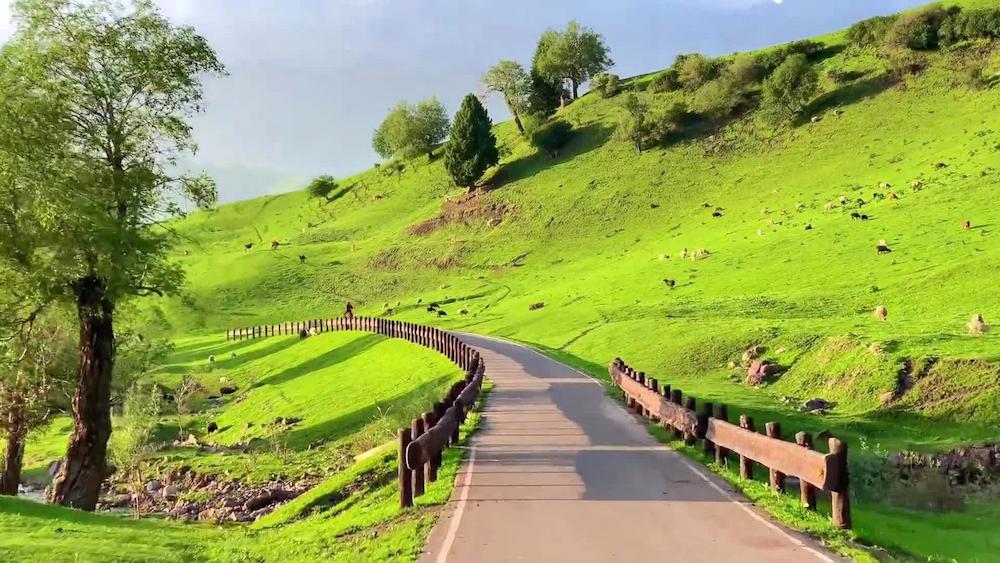
I want to be straight about what solo travel in Xinjiang actually feels like. On my second solo run, in 2022, I left Kashgar at 7:10 a.m. for the Karakoram Highway and reached the Pakistan border control at Tashkurgan by noon. The road was empty, the checkpoints were polite, and I drank salted milk tea at a roadside stall for ¥6. That single day taught me more than any guidebook: distances are huge, fuel stops thin out fast, and your own planning is the only safety net you have.
Most travelers I meet assume Xinjiang is hard to do alone because of the size. It is large, about 1.6 million square kilometers, but the roads are good and the towns are connected. The harder part is the language gap and the permit paperwork, not the driving itself.
On my 2023 loop I met a German cyclist in Korla who had been on the road for six weeks alone. We traded notes over a ¥12 bowl of manta, steamed bread brushed with oil, and his advice stuck with me: never skip the morning weather check, because a closed Duku Pass turns a one-day drive into a three-day wait. That kind of exchange is the quiet reward of going solo here. You cover huge distances, yet you still meet people at every stop, from a truck driver sharing walnuts to a grandmother pressing naan into your hands.
How to Get There
Urumqi is the natural start. Direct flights leave from Beijing, Shanghai, Guangzhou, Xi’an, and Chengdu. I booked a Shanghai–Urumqi return in March for ¥1,840, but summer fares climb to ¥2,600–¥3,200. The train is slower but cheaper. The Shanghai–Urumqi sleeper runs about 41 hours and costs ¥720 for a hard sleeper.
Once on the ground, you have three solo options. Rent a car if you hold a Chinese license; a compact like the Chery Tiggo costs ¥260–¥380 per day plus fuel. Use long-distance buses between prefecture cities; the Urumqi–Kashgar sleeper bus runs ¥420 and takes 22 hours. Or join point-to-point shared 4WDs, common in southern towns, at roughly ¥120–¥180 per seat.
If you plan to reach Tashkurgan or the Khunjerab Pass, read the Xinjiang Visa and Permit Guide before you buy a ticket. The border permit is issued in Kashgar and takes a morning; I once lost a day because I arrived on a Friday when the office closed early.
Best Time to Visit: Planning Your Xinjiang Solo Travel Guide
Spring (April–May) is cool and cheap, with fewer tourists, but the high passes can still close from late snow. I drove the Duku Highway on May 28 and found the north gate open while the southern switchbacks still had ice.
Summer (June–August) is the safest weather window and the busiest. Grasslands turn green, lakes thaw, and every town has food stalls out. Prices rise 30–50% in July and August. Autumn (September–October) is my favorite: the Populus Euphratica forests go gold, the heat drops, and the crowds thin after the National Day week.
Winter (November–March) is for skiers and photographers only. The Duku Highway shuts, many guesthouses close, and temperatures in the north hit minus 25°C. If you go solo in winter, stick to Urumqi and the Altay ski resorts.
My clear pick for a first solo trip is the last two weeks of September. You get open roads, gold forests, and manageable prices, which is exactly why I built the Xinjiang Self-Driving Guide around that window.
Where to Stay
Budget: Hostels and railway-side hotels in Urumqi run ¥90–¥140 a night. In Kashgar I stayed at an Old City backpackers’ place for ¥110 with a shared bath and free naan at breakfast.
Mid: A clean business hotel near the city center costs ¥220–¥360. The Hoi Tak in Urumqi was ¥260 in March and included a decent buffet. In smaller towns, the mid tier is often the only decent option, around ¥200–¥280.
Upper: New international chains in Urumqi and Turpan charge ¥520–¥900. Worth it only if you want a pool and a gym after long drives. I rarely pay for this tier on solo trips; the money is better spent on fuel and food, which is part of keeping a longer Xinjiang Budget Travel Guide plan under control.
Food
Xinjiang food is the easiest part of solo travel. A plate of laghman (hand-pulled noodles) is ¥18–¥28. Samsa, the baked meat bun, is ¥6–¥10 at a corner oven. A whole grilled chicken with flatbread, the famous “da pan ji,” runs ¥68–¥98 and feeds two, so solo eaters should ask for a half portion at ¥40.
For a proper sit-down, the Urumqi International Bazaar food hall has mutton skewers at ¥3 each and fresh pomegranate juice at ¥10. In Kashgar, the Sunday livestock market sells hot nan and boiled sheep’s head; I paid ¥25 for a filling plate. Keep small cash; many stalls do not take cards. In Turpan I timed my visit to the August grape harvest and paid ¥15 for a kilo of seedless grapes at the vineyard gate, sweeter than anything in a city market. Eat with the season and the bill stays low.
For an independent Xinjiang solo travel trip across Xinjiang, meal costs stay low if you eat where locals eat. The budget guide above breaks daily food costs down city by city, which helped me keep a nine-day run under ¥3,000 all in.
Practical Tips
- Carry your passport and the border permit at all times. Checkpoints between prefectures are routine, and I was asked for documents four times on the Kashgar–Tashkurgan road.
- Download offline maps. Signal dies on the Duku Highway and across the Taklamakan edge; I relied on a cached map for two full days.
- Fill fuel above half tank. Stations thin out past Korla and south of Aksu; the longest empty stretch I drove was 280 km.
- Learn ten words of Uyghur and Mandarin for food and directions. It turned tense moments into jokes more than once.
- Share your route with one person at home and check in every two days. Solo does not mean invisible.
This Xinjiang Solo Travel Guide assumes you move between cities by car, bus, or train, then walk the old towns on foot. Pack for two seasons in one bag. The Xinjiang Packing List Guide lists the exact layers I carry, from a ¥40 windbreaker to a power bank that survived a minus 10°C night.
Sample Itinerary
This is the nine-day loop I ran in September 2023, start to finish, as part of a longer Xinjiang Itinerary that you can shorten to seven days.
Day 1: Land in Urumqi 2:40 p.m., collect the rental car, buy a local SIM at the airport kiosk for ¥80. Sleep Urumqi.
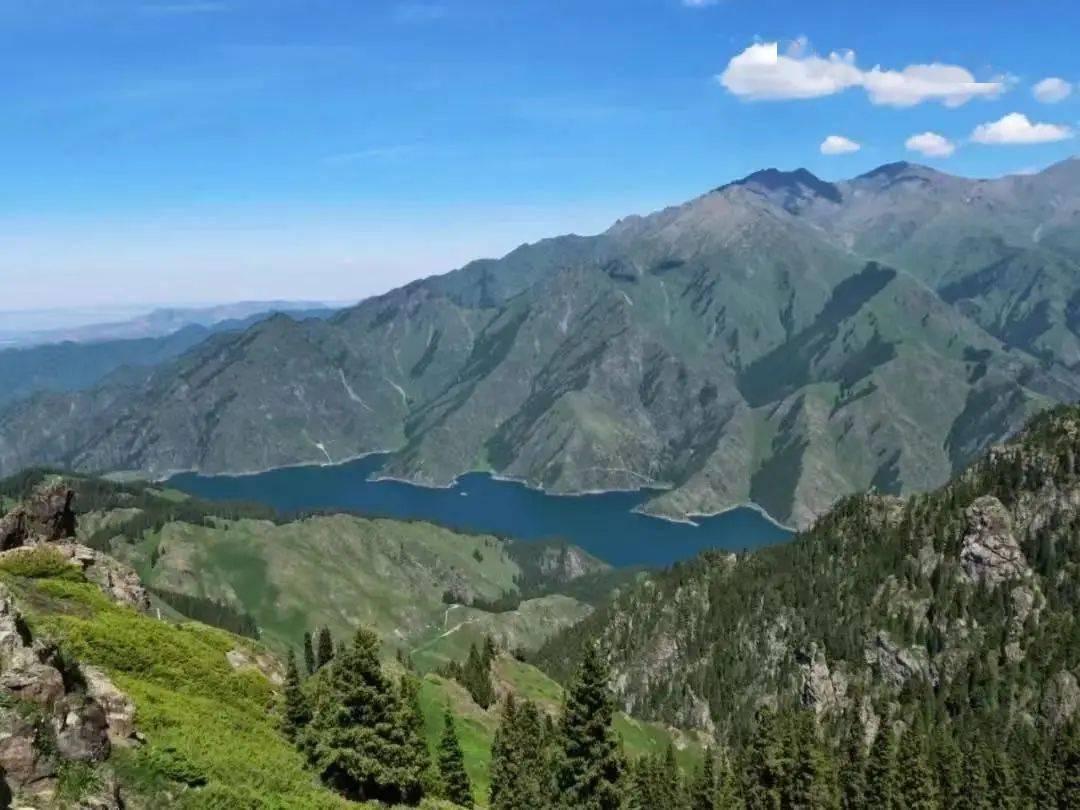
Day 2: Drive to Tianchi lake, 70 km, entry ¥215 with cable car. Back to the city by evening.
Day 3: Fly or train to Kashgar (flight ¥640). Walk the Old City until dark.
Day 4: Karakoram Highway to Tashkurgan, permit check at the gate. Overnight at ¥160.
Day 5: White Sand Lake and Karakul Lake, return to Kashgar by 7 p.m.
Day 6: Bus to Turpan (¥180, 12 hours) or fly. Visit the bazaar and a night market.
Day 7: Turpan loop: Jiaohe Ruins (¥70), Flaming Mountains (¥40), Grape Valley (¥60).
Day 8: Return to Urumqi by train, ¥102, 1.5 hours.
Day 9: Drop the car, fly out midday.
FAQ
Is Xinjiang safe for a solo traveler? I have done it a dozen times and felt safe throughout. The main risks are weather, distance, and running out of fuel, not personal security. Stay on open roads and keep your documents ready.
Do I need a guide if I travel alone? No. You can drive or use public transport independently. A guide helps only in remote trekking areas or if you want deep local access in villages.
How much cash should I carry? ¥500 in small bills covered me for stalls and toilets; cards and WeChat Pay work in cities. Keep cash for the southern countryside.
Can I rent a car as a foreigner? You need a Chinese license or a licensed local driver. International permits are not accepted, so most solo foreigners use buses, trains, and shared 4WDs.
What is the single best month to go solo? Late September. Roads are open, forests are gold, and you avoid the July–August price spike and crowds.
Will my phone work? Yes in cities with a local SIM. Beyond the main highways, expect gaps; load offline maps before you leave each town.
Disclaimer
Prices, permits, flight schedules, and road openings change often. The figures here come from my own trips between 2021 and 2023 and are shared as a planning baseline, not a guarantee. Confirm current visa rules, border-permit steps, and park fees with official sources before you book. Conditions on the Pamir and Duku routes shift with weather; check locally before any high-pass drive.