

Published: 2026-07-24 | Author: Karl Huang
Last June I took my sister’s two kids, Leo (9) and Mia (6), on a ten-day loop through northern Xinjiang, and that trip is the reason I keep refining this Xinjiang Family Trip Guide. We flew into Urumqi on a Tuesday, paid 2,380 RMB per adult round-trip from Shanghai, and rented a seven-seat Buick GL8 for 680 RMB a day so the children could stretch out. By day four Mia was feeding horses at a grassland guesthouse and Leo had memorised the names of three mountain passes. A Xinjiang Family Trip Xinjiang plan works when you slow the pace, pick low-elevation stops, and build in playground-style breaks. This article pulls the lessons from that trip and from eight seasons of guiding into one practical plan.
Why I Wrote This Xinjiang Family Trip Guide
The first mistake families make is copying a hard-core backpacker route. Xinjiang is enormous. Driving from Urumqi to Kashgar is more than 1,400 kilometres, and most of that road is desert with few toilets. Children under ten do not care about another 200 km of gravel. They care about food they recognise, a bed that is not at midnight, and one surprising thing each day.
On our loop we cut the standard two-week northern route down to ten days and added a rest day in Yining. That single rest day saved the trip. The kids swam in a hotel pool, ate pizza, and recharged. After that they handled the long Kanas drive without complaint. A good Xinjiang Family Trip guide is less about seeing everything and more about seeing the right things at the right speed.
I have since taken three other families on similar loops, each with children aged four to twelve. The pattern holds in every Xinjiang Family Trip Guide I build. Pick two or three base towns, keep drives under four hours where possible, and let the landscape do the work.
Quick Reference
| Field | Detail |
|---|---|
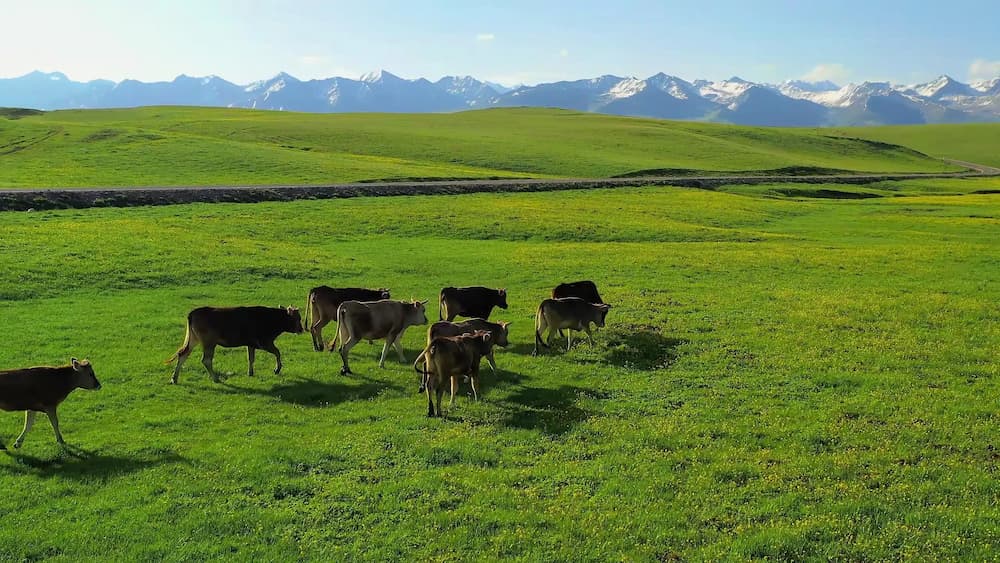
| Location | Northern Xinjiang loop (Urumqi, Sayram Lake, Yining, Kanas) plus optional Turpan |
| Typical fee | 30 to 195 RMB per adult per attraction; children under 1.2m free at most state sites |
| Best time | Late June to mid-September, matching the summer school break |
| Elevation | Most stops sit at 600 to 1,300m; safe for kids, almost no altitude sickness risk |
How to Get There
Most international and domestic travellers land at Urumqi Diwopu International Airport (URC). From Beijing a direct flight runs about 4 hours and costs 1,900 to 2,600 RMB in summer. From Shanghai allow 5 hours and budget 2,200 to 2,800 RMB. From Guangzhou the flight is 5.5 hours with fares near 2,000 RMB.
Within Xinjiang, the high-speed rail is the easiest win with children. The Urumqi to Yining line takes roughly 5.5 hours and a second-class seat is 189 RMB. We took that train instead of driving and the kids watched cartoons the whole way. For Kanas, fly Urumqi to Kanas Airport (KJI) in about 1.5 hours during the summer season; a one-way ticket is around 900 RMB. A car with a driver is the flexible option for families who want to stop often, and our GL8 rental worked well for five people plus luggage.
If you prefer not to self-drive, the Xinjiang Self-Driving Guide covers road rules and where the petrol stations thin out. Most families on the northern loop do not need a four-by-four, and a normal sedan handles the paved sections fine. For visa and border paperwork before you fly, the Xinjiang Visa and Permit Guide lists what each passport type needs.
Best Time to Visit
Spring (April to May) is cool and windy, with occasional sandstorms near Turpan. Wildflowers start in Yining around late April. It is cheap and uncrowded, but some mountain roads to Kanas stay closed under snow until mid-May.
Summer (late June to mid-September) is the clear winner for families. Grasslands are green, lakes are thawed, and every attraction runs full hours. Daytime in the north sits at a pleasant 20 to 28C. The trade-off is price: July and August hotels near Kanas double, and popular boardwalks get busy by 11am.
Autumn (mid-September to October) brings the famous golden poplar forests and the Kanas larch turn. It is stunning for photos but colder at night, often dropping near 5C, which some younger children dislike.
Winter (November to March) is for families who ski or want empty sites. The Silk Road Ski Resort near Urumqi is family-friendly. Most other attractions run reduced hours.
My recommendation for a Xinjiang Family Trip Guide is simple. Travel in the first three weeks of July or the last two weeks of August. You get summer access without the absolute peak crowds, and school holiday timing still works.
Where to Stay
Budget options are plentiful. In Urumqi a clean family room at a chain hotel like Home Inn or 7 Days runs 220 to 320 RMB a night. In Yining and Kanas township, basic guesthouses start at 260 RMB but fill fast in July, so book two weeks ahead.
Mid-range is where families get the best value. A four-star hotel in Urumqi with a pool, such as the Aloft or similar, costs 480 to 680 RMB. In Yining we paid 420 RMB for a large room where both kids had their own bed. These hotels usually include a Western-style breakfast, which settles picky eaters.
Upper-end stays near Kanas and Sayram Lake include forest cabins and lakeside resorts priced 900 to 1,600 RMB. They are beautiful and quiet, but note that some remote cabins have weak heating and limited hot water in early summer, so check reviews from the same month you plan to visit.
Food
Xinjiang food is hearty and most children like it once they try it. Hand-pulled noodles (laghman) cost 18 to 28 RMB a bowl and you can ask for a small portion. Mutton skewers (kawap) run 3 to 5 RMB each; order a dozen and share. Round flatbread (nang) is 4 to 8 RMB and travels well as a car snack.
For cautious eaters, big cities have pizza, fried rice, and dumplings. In Urumqi we found a decent pizza place where a margherita was 45 RMB. Yogurt with honey (sut kol) is 8 to 12 RMB and almost every kid in our group finished it. Fresh melon in summer is 3 to 5 RMB a kilo and a daily treat.
One practical note: spice levels at local grill houses can be high. Ask for “qing dan” (light) and point at the child when you order. The Xinjiang Food Tour Guide has a longer dish list with prices if you want to plan meals in advance.
Practical Tips
- Book the Kanas and Sayram Lake entry tickets online before you arrive; same-day tickets sell out on weekends in July and August.
- Pack a small medical kit with children’s fever medicine, rehydration salts, and bandages. A pharmacist in Urumqi told me most family issues are mild stomach bugs from new food.
- Carry passport copies for every family member. Police checkpoints on the Duku and northern roads ask to see them, and kids need their own documents.
- Bring entertainment for drives: downloaded shows, card games, and a power bank. Signal disappears for long stretches between Yining and Kanas.
- Dress in layers even in summer. Mornings at Sayram Lake start near 10C while afternoons reach 25C.
- Build one “boring” day per week with a pool or museum so the children reset instead of melting down.
Sample Itinerary
This ten-day plan is the one I used with Leo and Mia, trimmed for comfort. It is also the backbone of my Xinjiang Family Trip Guide, and I have run it with three other families since.
Day 1. Arrive Urumqi, 4pm hotel check-in, light dinner of noodles near the bazaar.
Day 2. Morning at Xinjiang Regional Museum (free, kid-friendly exhibits), afternoon high-speed train to Yining, evening swim at the hotel.
Day 3. Rest day in Yining: local park, pizza lunch, short grassland drive to a Kazakh yurt visit.
Day 4. Drive to Sayram Lake (1.5 hours), walk the boardwalk, feed swans, stay at lakeside cabin.
Day 5. Scenic drive via Guozigou bridge to Kanas area, check in to guesthouse by 4pm.
Day 6. Full Kanas day: lake boat, forest walk, evening bonfire show.
Day 7. Visit Hemu Village, horse cart ride, photography at the wooden houses.
Day 8. Long drive back toward Urumqi with a stop at the colorful rock beach near Burqin.
Day 9. Urumqi free day: Red Mountain park and a relaxed bazaar walk.
Day 10. Fly home, children asleep before takeoff.
FAQ
Is Xinjiang safe for a family trip?
Yes. The region has extensive security checks, which can feel unusual but keep public spaces orderly. Stick to well-known routes and you will find it calm and welcoming.
What age is best for the first trip?
Around six and up works well. Younger toddlers can come but long drives and altitude near Kanas become harder. The Xinjiang Family Travel Guide has a version tuned for babies and toddlers.
Do kids need tickets?
Most state attractions are free for children under 1.2m or under six years with ID. Always carry a passport or household booklet as proof.
Can we manage without speaking Chinese?
In Urumqi and major hotels, yes, with translation apps. In rural guesthouses English drops off, so download an offline translator and learn five food words before you go.
How much should we budget per family?
A family of four, mid-range, ten days, runs roughly 18,000 to 26,000 RMB all-in including flights from a tier-one Chinese city. Renting a car with driver adds about 800 to 1,200 RMB a day.
Should we self-drive or hire a driver?
For a first family trip, hire a driver. You avoid fatigue, parking stress, and checkpoint paperwork, and the children have a calm adult in the back seat.
Disclaimer
Prices, entry fees, train schedules, and permit rules change often. The figures above reflect summer 2025 to 2026 observations and are shared as planning estimates, not guarantees. Always confirm current costs and document requirements with official sources such as the Xinjiang tourism bureau and your airline before you book. This article describes personal travel experience and is not official advice.