

Published: 2026-07-21 | Author: Karl Huang
My first real North Xinjiang Itinerary Tips came the hard way. In September 2023 I rented a 1.5L SUV in Urumqi for ¥4,800 over nine days, left the Hongshan Hotel at 7:40 a.m., and still missed the last boat on Kanas Lake because I underestimated the eight-hour drive from the city. That trip taught me more than any brochure. These North Xinjiang Itinerary Tips are the ones I repeat most to friends before they book.
Quick Reference
| Stop | Entry fee | Best time | Elevation / role |
|---|---|---|---|
| Urumqi (start) | Free to enter | All year | 800 m, transport hub |
| Kanas Lake | ¥230 with shuttle (2024) | Mid-Sep to early Oct | 1,370 m, core scenic |
| Hemu Village | Included in Kanas ticket | Late Sep | 1,400 m, wooden village |
| Sayram Lake | ¥70 (2024) | Jun to Aug | 2,070 m, alpine lake |
| Nalati Grassland | ¥95 (2024) | Jun to Sep | 1,800 m, pasture |
| Duku Highway | Free (toll sections) | Jun 1 to Sep 30 | up to 3,400 m, connector |
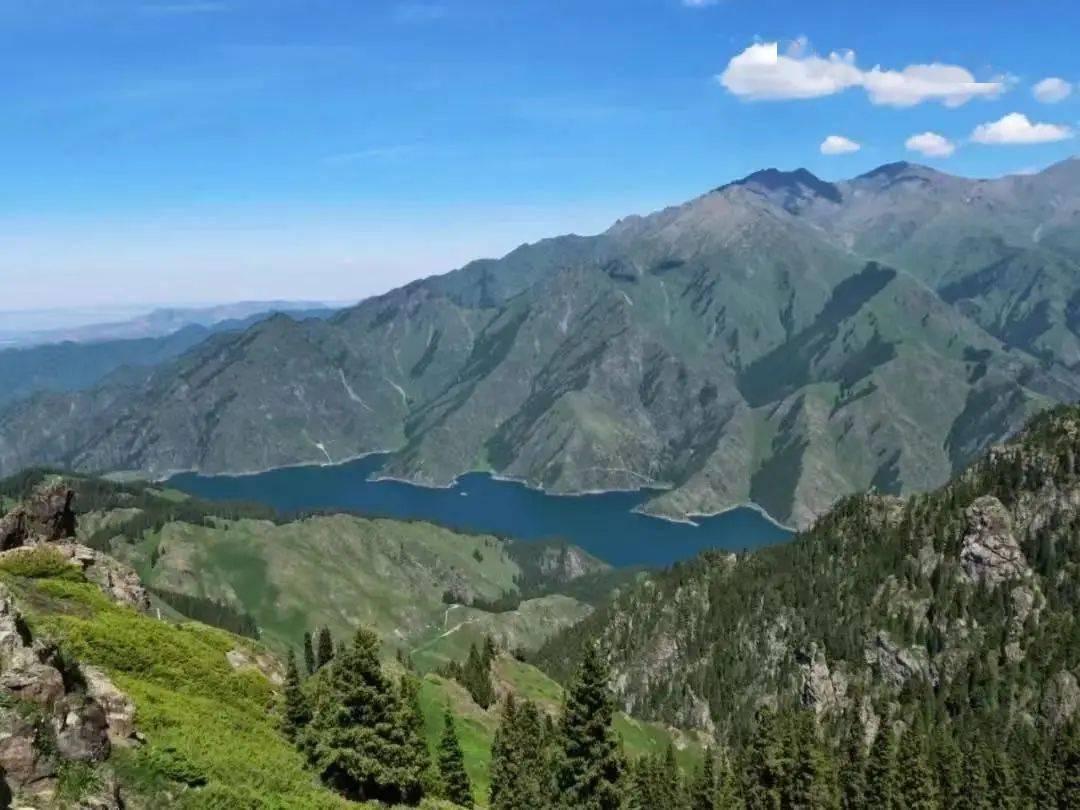
What I Learned Driving the North Loop
The single biggest mistake is trying to see everything. North Xinjiang is large. From Urumqi to Kanas is roughly 700 km, and the road is good but long. On my second trip, in June 2024, I built a slower plan and it worked far better. I spent two nights in Burqin, ate at a small naan spot near the bridge for ¥6 a piece, and reached Kanas before the 10 a.m. bus crowd.
I also learned that the weather turns fast above 2,000 m. At Sayram Lake in July the wind dropped the felt temperature to 9°C even though Urumqi was 32°C. Packing a real jacket saved the day. The North Xinjiang Itinerary Xinjiang circuit begins in Urumqi, and most travelers spend their first night there before heading north.
At Hemu I woke at 6 a.m. to walk the boardwalk before the bus tours arrived at 9. The wooden houses smoked against a pink sky, and a local herder offered milk tea for ¥10. That quiet hour was the best part of the whole loop. On the drive back south, Karamay Ghost City at 5 p.m. lit up orange, and I wished I had booked one more night instead of rushing to the next town. Slowing down was the lesson that stuck.
How to Get There
Most people fly into Urumqi Diwopu International Airport. A taxi to the city center costs about ¥60 and takes 40 minutes. From there you have three options:
- Rent a car. I used a local agency near the rail station; the 1.5L SUV was ¥530 per day in peak season.
- Join a small-group tour. Expect ¥1,200 to ¥1,800 for a 7-day loop with a driver.
- Take the public bus. Slow but cheap. Urumqi to Burqin is about ¥150 and takes nine hours.
Urumqi is also a rail hub. The high-speed line reaches Turpan in under an hour, and overnight sleepers run to Xi’an and Lanzhou. If you fly in from Beijing or Shanghai, budget ¥1,500 to ¥2,800 for a round trip in peak season. If you want full control of the road, read the Xinjiang Self-Driving Guide before you go. The Duku Highway alone has rules worth knowing.
Best Time to Visit
Spring (April to May) is quiet and cheap, but many high passes stay closed and the grass is still brown. Summer (June to August) brings green pastures and open roads; it is also the busiest and the most expensive. Autumn (mid-September to early October) is my favorite for Kanas and Hemu, when the birch turns gold. Winter (November to March) is harsh, with some sites shut, but the snow scenes are striking if you are prepared.
For Kanas specifically, the color peaks around September 20 to October 5. I timed my 2023 trip for September 28 and hit golden birch with thin crowds. Sayram is best in July when wildflowers ring the lake, though mornings stay cold. My clear recommendation: aim for the last two weeks of September. You get the autumn color, the Duku Highway is still open, and the crowds ease after the National Day holiday peaks. The North Xinjiang Itinerary Tips in this guide assume a late-September window unless stated otherwise.
Where to Stay
Budget: hostels and guesthouses in Burqin or Hemu run ¥120 to ¥200 a night for a bed or basic room. Mid-range: a standard hotel in Urumqi or Yining costs ¥350 to ¥500. Upper: the lake-view wood cabins inside the Kanas scenic area start around ¥900 and climb fast in October. Book the in-park cabins at least three weeks ahead; they sell out.
In Burqin I stayed at a family-run place on Zhongxing Road for ¥180 a night; clean, with free tea in the lobby. In Yining, a mid hotel near the river park was ¥420 and walkable to dinner spots. Inside Kanas, the cabins cost more but let you step outside at 7 a.m. before the day-trippers arrive, which is worth the premium if your schedule allows it.
Food
North Xinjiang eats well. In Burqin I had grilled cold-water trout for ¥88 a kilo at a riverside stall. Lagman noodles in Urumqi cost ¥28 to ¥35 a bowl. Samsa (baked meat pastry) from a corner oven runs ¥8 to ¥12. At a Kazakh yurt near Nalati I paid ¥60 for hand-torn noodles with horse meat, shared family style. Roadside melons in August are ¥3 to ¥5 a kilo and worth every stop.
Try the Burqin fried fish (¥45 a plate) and cold noodles with garlic sauce (¥15). In Urumqi’s bazaar, a plate of mutton skewers runs ¥3 to ¥5 each; six make a meal. Dairy is strong here: the local yogurt is thick and sour, usually sweetened at the table with white sugar for ¥6. Carry small bills, because the best stalls rarely take cards.
Practical Tips
My North Xinjiang Itinerary Tips for permits start with one rule: carry your passport everywhere. Beyond that, these points matter:
- Carry cash. Small villages and park shuttles often do not take foreign cards or even some local apps.
- Download offline maps. Signal drops on the Duku Highway and inside Kanas.
- Get permits early. Border areas near Karamay and the west need a check under the Xinjiang Visa and Permit Guide; apply at a local PSB office with your passport.
- Bring layers. The gap between noon and midnight at altitude is 15°C or more.
- Start drives before 8 a.m. Parking at Kanas and Sayram fills by late morning.
- Respect photo rules at herder camps. Ask before close portraits; a small tip is polite.
Sample Itinerary
A balanced 8-day loop I now recommend:
- Day 1: Arrive Urumqi, rest, buy supplies.
- Day 2: Drive to Burqin (9h), dinner by the river.
- Day 3: Burqin to Kanas, afternoon lakeside walk.
- Day 4: Kanas to Hemu, stay in a wooden cabin.
- Day 5: Hemu sunrise, drive to Karamay Ghost City.
- Day 6: Duku Highway south to Nalati via Bayinbuluke.
- Day 7: Nalati grassland, then on to Yining.
- Day 8: Sayram Lake morning, return to Urumqi.
On Day 3, take the shuttle to the Kanas lake pier and walk the right-bank trail for two hours; it is free and far quieter than the boat. On Day 7, reach Nalati before noon so you catch the afternoon light on the valley. For a longer version, the North Xinjiang Itinerary Guide covers 12 and 14 day options. Those North Xinjiang Itinerary Tips keep the loop on schedule even when weather shifts.
North Xinjiang Itinerary Tips I Wish I Knew Earlier
Two things stand out. First, the park shuttle buses inside Kanas stop selling tickets at 7 p.m., so a late arrival wastes a day. Second, fuel stations in remote counties can close by 9 p.m.; I once coasted into Qitai on fumes. Plan fuel at every town. These small points are the difference between a smooth trip and a stressful one, and they are the core of the North Xinjiang Itinerary guide I give new drivers.
FAQ
Do I need a special permit for North Xinjiang?
Most of the loop is open with just your ID. Border zones like the Khunjerab side or some Pamir detours need a border pass. Check the permit guide before planning west extensions.
Is the Duku Highway open year round?
No. It usually opens June 1 and closes by late September or early October, depending on snow. Trucks are banned on certain days.
How much should I budget per day?
Roughly ¥400 to ¥700 per person with a shared car, food, and mid hotels. Cabins and peak autumn push it higher. The Xinjiang Budget Travel Guide has a full breakdown.
Can I do this without driving?
Yes. Small-group tours and buses connect the main stops, though you lose flexibility at sunrise spots like Hemu.
Is September too cold?
Daytime is mild, around 15 to 22°C, but nights drop near freezing at altitude. A warm layer solves it.
Is altitude a problem on this route?
Most stops sit under 2,100 m, so serious altitude sickness is rare. Sayram and the Duku passes reach higher; slow down and drink water if you feel light-headed.
Disclaimer
Prices, opening dates, permit rules, and road status change often. The figures above reflect what I paid in 2023 and 2024 and may differ now. Always verify with official sources such as the scenic area ticket offices, the Xinjiang tourism bureau, and your embassy’s travel advice before you travel.