

Published: 2026-07-21 | Author: Karl Huang
When I drove my first North Xinjiang Itinerary Guide loop in June 2019, I left Urumqi at 6:40 a.m. in a rented Hyundai Tucson that cost 380 RMB a day. By 9 p.m. I was eating laghman noodles in a Burqin courtyard for 28 RMB, having covered 480 km of road that switched from desert to spruce forest without warning. That trip taught me more about route planning than any brochure. This North Xinjiang Itinerary Xinjiang plan is built from eight seasons of those drives, the mistakes included.
Quick Reference
| Stop | Location | Entrance Fee | Best Time | Elevation / Role |
|---|---|---|---|---|
| Kanas Lake | Altay Prefecture | 230 RMB + 100 RMB shuttle | Sep-Oct | 1,370 m alpine lake |
| Hemu Village | Altay Prefecture | Included in Kanas ticket | Sep-Oct | 1,340 m wooden village |
| Colorful Beach | Burqin County | 50 RMB | Jun-Sep | Low river terrace |
| Sayram Lake | Bortala Prefecture | 145 RMB | Jun-Jul | 2,073 m highland lake |
| Nalati Grassland | Xinyuan County | 95 RMB + 40 RMB shuttle | Jun-Aug | 1,800 m pasture |
| Duku Highway | Urumqi-Kuqa | Free | Jun-Sep | 561 km mountain road |
Why I Built This North Xinjiang Itinerary Guide
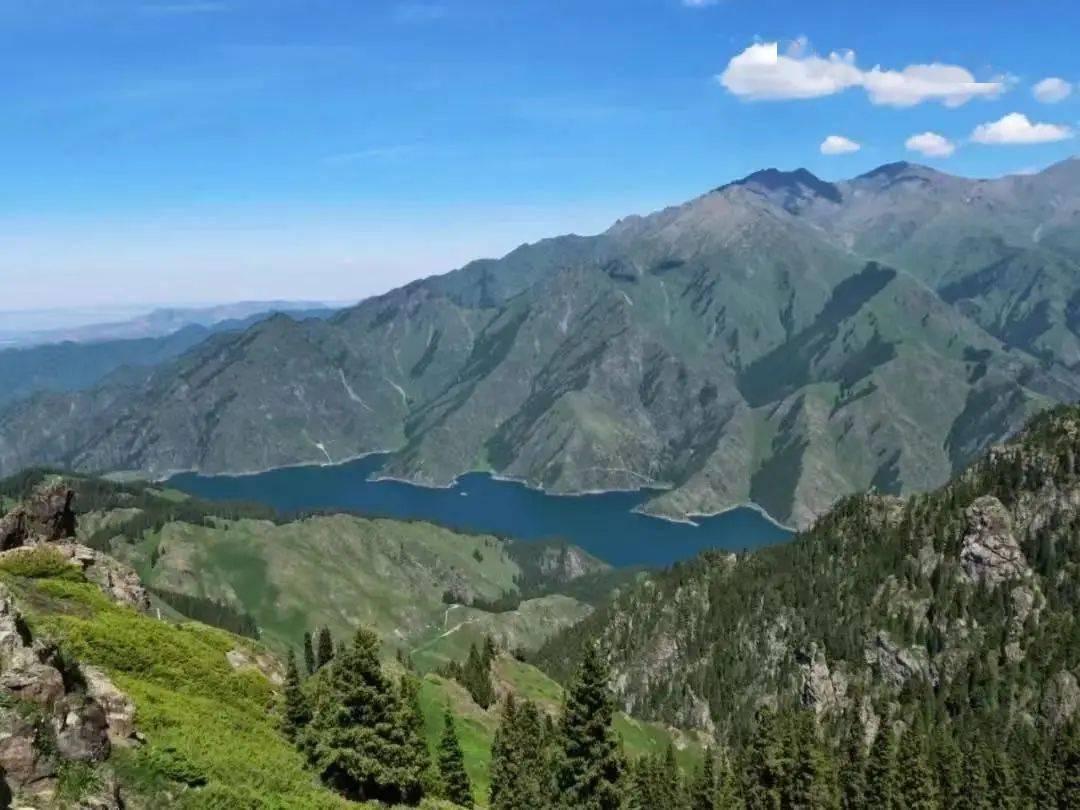
The North Xinjiang Itinerary Guide below covers the region north of the Tianshan range. Most travelers mean the same handful of places when they say “north”: Urumqi, Tianchi, the Karamay Ghost City, Burqin and the Kanas valley, then the Yili grasslands and the Duku Highway that ties the north and south together. I keep the loop tight because the distances are real. Urumqi to Kanas is roughly 800 km. You cannot see it all in a weekend, and pretending otherwise is how people end up exhausted.
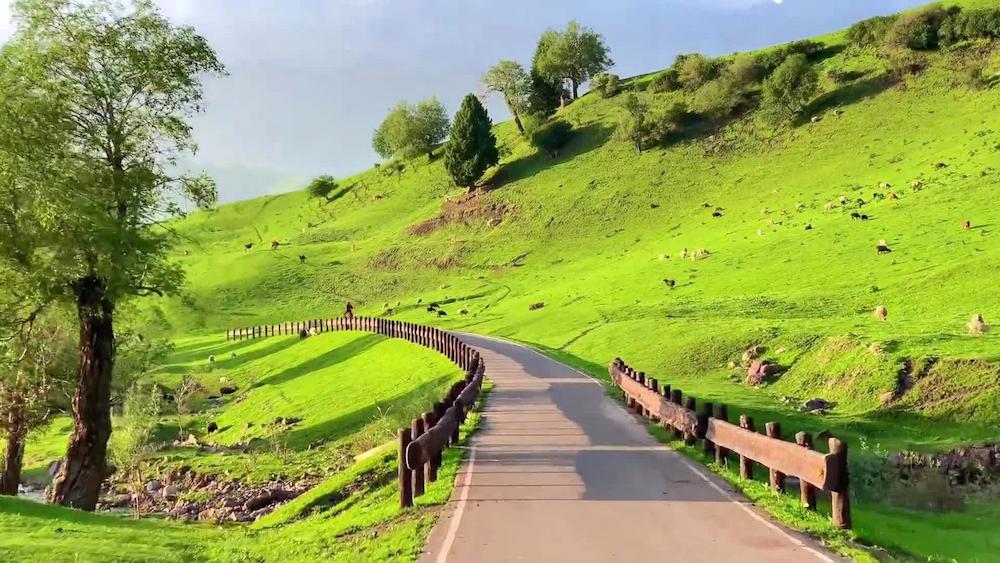
I still remember the morning the Duku Highway reopened in 2023. I had camped near Dushanzi the night before, paid 60 RMB for a tent pitch, and woke at 5:30 a.m. to a wall of red rock catching the first light. By the time I reached the Bayinbuluke turnoff at noon, the temperature had dropped 14 degrees. That single road crosses four climate zones in one day. No written North Xinjiang Itinerary guide prepared me for how fast the weather turns, so I now tell everyone to pack for two seasons in one bag.
How to Get There
Most international and domestic visitors fly into Urumqi Diwopu International Airport (airport code URC). A direct flight from Beijing runs about 4 hours and cost me 3,200 RMB in peak season; from Shanghai it is closer to 5.5 hours and 2,900 RMB off-peak. From Xi’an the flight is 3 hours for roughly 1,600 RMB. Trains are slower but scenic: the Lanzhou-Urumqi high-speed line puts you in the city in about 11 hours from Lanzhou.
Once in Urumqi, you have two real choices. Join a small-group tour bus (expect 600 to 900 RMB per person per day all-in), or rent a car and drive. For the loop in this Xinjiang Self-Driving Guide I recommend self-driving if you hold a valid license and are comfortable with long highway stretches. Rental pickup at the airport is straightforward; book three days ahead in July and August when demand spikes.
Best Time to Visit
Spring (April to May) is windy and uneven. The Duku Highway is still closed under snow, and some grassland passes do not open until June. I would skip the north in early spring unless you specifically want empty roads and cheap hotels.
Summer (June to August) is the safe, popular window. Grasslands turn green, Sayram Lake is full, and the Duku Highway is open. The trade-off is crowds and price. A Kanas guesthouse that costs 200 RMB in May jumps to 600 RMB in July. If you come in summer, book every bed before you leave home.
Autumn (September to October) is my favorite and the one I push most people toward. The Kanas valley goes gold in early October, the tourist buses thin out after the National Day holiday, and the light is flat and soft for photography. Nights drop below zero, so bring a real jacket. This is the season the North Xinjiang Itinerary Guide was really made for.
Winter (November to March) is quiet and snow-heavy. Tianchi freezes into an ice festival, and Hemu becomes a postcard of smoke and timber. Many passes close, and you should only attempt it with a local driver who knows the ice. My clear recommendation: come in early October for color, or late June for green pastures.
Where to Stay
Budget travelers can find hostel dorms and simple guesthouses from 80 to 120 RMB a night. In Burqin I stayed at a family-run courtyard for 90 RMB with breakfast included, and the host lent me a power adapter I had forgotten. Mid-range three-star hotels in Urumqi, Yining and Karamay run 300 to 500 RMB and are the best value for clean, quiet rooms.
For an upper stay, the Kanas resort lodges inside the scenic area start around 1,200 RMB and climb fast during the October peak. They save you the 30-minute shuttle ride each morning, which matters when you want the lake before the day-trippers arrive. Book these two months ahead; they sell out.
Food
North Xinjiang eats well and cheaply if you follow the locals. Big plate chicken (dapanji) for two is 68 RMB and comes with wide belt noodles. A bowl of laghman hand-pulled noodles is 25 to 35 RMB. Polo, the carrot-and-raisin rice with lamb, is 30 RMB at a roadside canteen. Mutton skewers run 5 RMB each at the night market, and fresh naan is 3 RMB a piece straight off the oven wall.
Around Sayram Lake the cold-water fish is the local special, grilled whole for about 120 RMB. In Yining the Russian-style bread and cream are a leftover from the old border trade, and a tub of thick yogurt with honey is 10 RMB. I budget 120 to 150 RMB a day for food and never feel short.
Practical Tips
- Buy Kanas tickets three days early on the official WeChat mini-program. Walk-up sales cap daily, and I have watched travelers turned away at the gate in July.
- Carry cash. Village stalls, parking attendants and small noodle shops outside the cities often do not take cards or foreign apps.
- Sort your entry paperwork before you drive west. Read the Xinjiang Visa and Permit Guide for border zones near Kazakhstan and the documents you may need.
- Fill the tank whenever you can. Gas stations thin out on the Duku Highway, and a empty gauge there is no small trouble.
- Download offline maps. Signal drops to nothing in the Kanas valley and along most of the Duku climb.
- Pack layers. A 15-degree swing between valley floor and a mountain pass in the same afternoon is normal here.
- Leave before 8 a.m. The big tour buses roll out at nine, and the quiet hours are yours if you beat them.
Sample Itinerary
This 10-day grand loop uses the 10-Day Xinjiang Itinerary Guide routing and returns you to Urumqi by air from Yining. It is a North Xinjiang Itinerary Guide built for self-drivers with decent stamina.
- Day 1: Arrive Urumqi, rent a car, walk the International Grand Bazaar, overnight Urumqi.
- Day 2: Drive to Tianchi (1.5 hours, 215 RMB ticket), back to Urumqi by evening.
- Day 3: Urumqi to Karamay Ghost City (4 hours), 140 RMB entry, overnight Karamay.
- Day 4: Karamay to Burqin (3 hours), catch Colorful Beach at sunset, overnight Burqin.
- Day 5: Burqin to Kanas Lake (2.5 hours), explore the boardwalks, overnight inside the park.
- Day 6: Morning transfer to Hemu Village, sunrise over the wooden houses, overnight Hemu.
- Day 7: Long transit day. Hemu to Beitun to Karamay to Dushanzi (about 9 hours). Split it with a night in Karamay if you would rather not rush.
- Day 8: Dushanzi to Bayinbuluke via the Duku Highway (5 hours of pure scenery), overnight Bayinbuluke.
- Day 9: Bayinbuluke to Nalati, then Sayram Lake, on to Yining (about 6 hours), overnight Yining.
- Day 10: Fly Yining to Urumqi (1 hour, around 600 RMB) and depart.
If ten days feels tight, add two more for a slower Yili grassland stay, or cut Day 7 by flying Altay to Yining. Either way the bones of the route hold.
FAQ
How many days do I need for North Xinjiang?
A real look at the highlights takes at least 8 days. Ten gives you room to breathe, and 14 lets you add the southern Tarim loop. Anything under a week means skipping Kanas or the grasslands, and I would not bother.
Can I self-drive as a foreign visitor?
Yes, with a valid license and the right paperwork. The roads are good and well signed in Chinese and sometimes English. The harder part is the permit checks near western border areas, so plan those legs in advance.
Do I need a special permit?
The main tourist loop does not need anything beyond a standard China visa. A few western counties near the border do require a local travel permit, and some areas are off-limits to independent foreign travelers. Check current rules before you build the route.
When is Kanas most beautiful?
Early to mid-October, when the birch and larch turn gold and the lake sits under clear cold sky. The first two weeks draw the most people, so aim for the back half of the month after the holiday crowds leave.
Is it safe for foreign tourists?
The region is heavily policed and generally calm for visitors. The main risks are weather, long drives, and altitude on the passes, not personal safety. Keep your passport on you for the frequent ID checks.
What should I budget per day?
Plan 400 to 600 RMB a day all-in if you self-drive and share costs, or 700 to 1,000 RMB on a guided small group. Food is cheap; the car, fuel and park tickets are where the money goes.
Disclaimer
Prices, opening dates, road statuses and permit rules change often in Xinjiang. The Duku Highway closes every winter and reopens on a date set by snow, not by calendar. Entrance fees and shuttle costs listed here are from my own trips through 2025 and may have moved since. Always confirm tickets, access and any travel restrictions with the official park offices and your embassy’s current advice before you commit money or time. This article shares personal experience, not guaranteed fact.