

Published: 2026-07-21 | Author: Karl Huang
The North Xinjiang Itinerary Itinerary I am about to describe is the exact loop I drove with three friends in late September 2025. We covered 2,180 kilometers in twelve days and spent roughly ¥6,400 per person, not counting the flight into Urumqi. I wrote it down because most routes posted online skip the parts that actually cost you time: fuel queues, sudden road closures, and the fact that the Duku Highway gate shuts at 8 p.m. sharp.
This is a working plan with times, prices, and the mistakes we made. If you want the high-level version first, open our North Xinjiang Itinerary guide, then come back for the day-by-day detail below.
Quick Reference
| Item | Detail |
|---|---|
| Region covered | North Xinjiang: Urumqi, Turpan, Ili Valley, Duku Highway, Kanas (Altai) |
| Total driving | About 2,180 km by road |
| Recommended length | 11 to 13 days |
| Best window | June to early October; September for autumn color |
| Vehicle | 7-seat van with driver, ~¥900 per day |
| Permit needed | No border permit for this loop (see Practical Tips) |
What This Route Feels Like on the Ground
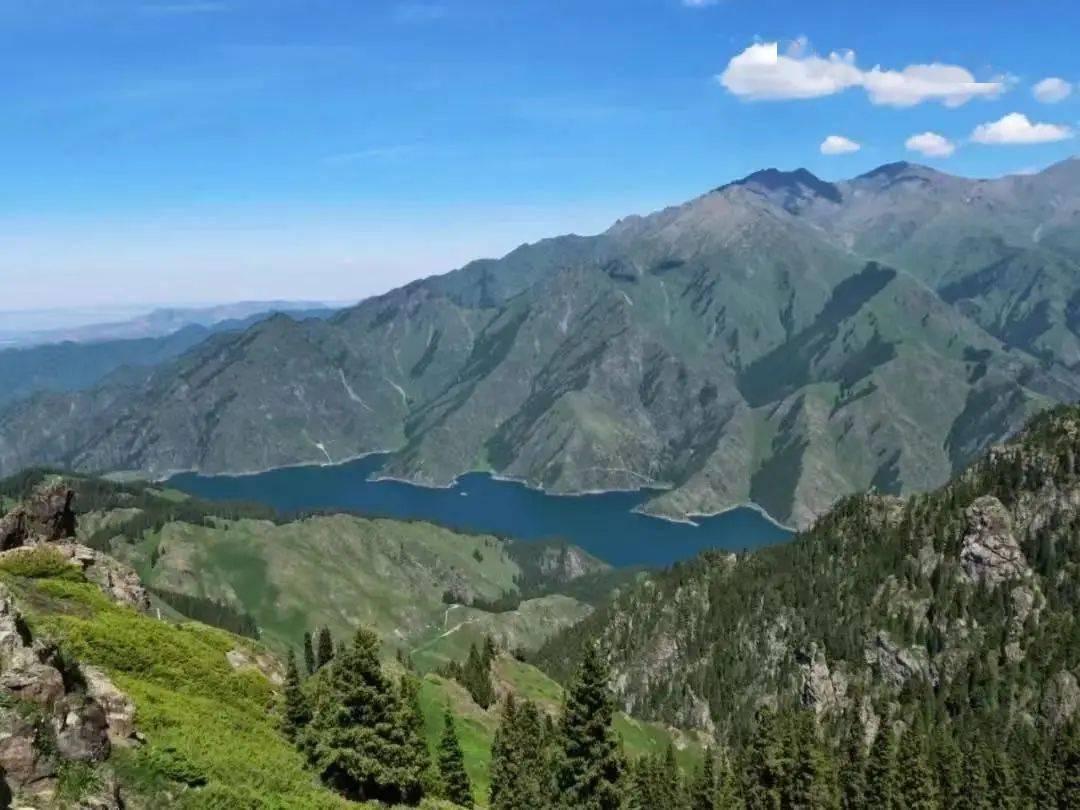
We landed in Urumqi at 9:40 a.m. on a Tuesday. By noon we were already on the bus to Heavenly Lake. The combined ticket and shuttle to Tianchi cost me ¥215, and the lake was cold and grey, which was fine because the point was the spruce forest behind it. Our driver, Ablet, met us the next morning with a white 7-seat van. He quoted ¥900 a day including fuel for the whole loop. Split four ways that was ¥225 a day each, far cheaper than renting and white-knuckling the Duku myself.
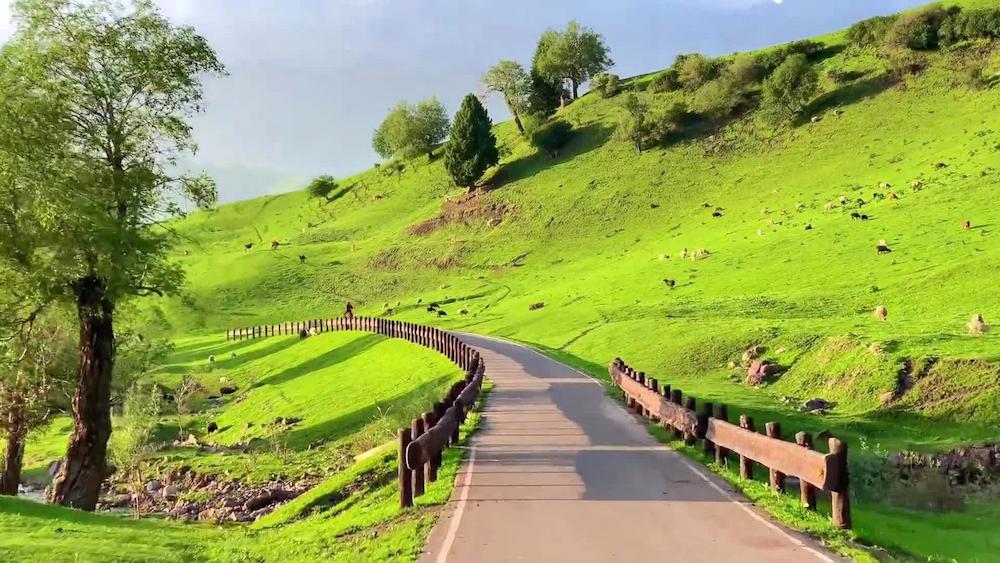
The single biggest surprise was how much the landscape changed every two hours. We left Urumqi in dry brown hills, reached Turpan and stood in 39°C heat at the Flaming Mountains, then climbed onto the Duku and saw snow at the 3,400-meter pass the same afternoon. None of the photos prepare you for that swing. The North Xinjiang Itinerary Xinjiang circuit is exactly the North Xinjiang Itinerary Itinerary I drove, and it is less a destination than a long drive with good reasons to stop.
I also learned to book Kanas and Hemu stays at least three weeks ahead in September. We nearly slept in the car at Jiadengyu because the cabins were full. A local later told me the autumn color window compresses everything into about eighteen days, and the whole country seems to show up at once.
How to Get There
Most travelers fly into Urumqi Diwopu International Airport (URC). I came from Shanghai for ¥2,180 round trip; from Beijing it was ¥1,960. The airport is 25 km from the city, and a Didi ride ran ¥75 at 10 p.m. There is no clean way to do this loop on public buses in twelve days, which is why I lean on a private van. If you would rather drive yourself, read our Xinjiang Self-Driving Guide before you book, because the Duku has its own rules and a hard daily closing time.
From Urumqi the spine of the trip runs south to Turpan, then west through Korla and onto the Duku Highway northbound into the Ili Valley, up to Nalati and Bayinbuluke, then north again toward Kanas and Hemu, and finally back east to Urumqi via Burqin and the desert highway. That order matters. Driving it the other way round puts the Duku on a Monday, when maintenance closures are most likely.
Best Time to Visit
June brings green grasslands and open roads but few crowds. July and August are warm and busy, with Nalati at its lushest and school holidays pushing hotel prices up about 30 percent. September is the sweet spot: the Kanas and Hemu forests turn gold, the Duku is still open, and the heat in Turpan drops to a manageable 28°C. I would avoid October unless you accept that the Duku may close on short notice once snow arrives.
Winter is a different trip entirely. The Duku shuts, Kanas becomes a snow village reachable only by a long transfer, and many guesthouses close. I recommend the North Xinjiang Itinerary Itinerary for the June-to-September window and saving the winter version for a separate plan.
Where to Stay
Budget. In Burqin and Korla we found clean twin rooms for ¥240 to ¥280 a night. These were basic but warm, with reliable hot water and parking out front. Book through the usual Chinese apps rather than walking in, because the walk-in price was often ¥60 higher.
Mid-range. A 4-star in Urumqi ran ¥420, and a wooden cabin inside the Kanas scenic area was ¥360. The cabin was worth it: stepping outside at 7 a.m. to fog over the lake beat any city hotel. Reserve Kanas and Hemu stays together through one agent if you can, since the two ticket systems are linked.
Upper. The Hemu resort lodges with private balconies go for ¥900 to ¥1,200 a night in peak autumn. I did not pay that, but a couple in our group did and said the sunrise view from bed was the highlight of their trip. If the budget allows, spend the extra night in Hemu rather than Kanas.
Food
North Xinjiang feeds you well and cheaply. In Urumqi we had big-plate chicken (dapanji) for ¥68, enough for three people with the added hand-pulled noodles. Laghman noodles were ¥25 a bowl, and mutton skewers ran ¥8 each at the night market near the International Grand Bazaar. A whole roasted lamb for a group of six was ¥1,200, split to ¥200 a head.
Up in the grasslands, dairies take over. Fresh yogurt was ¥10 a cup, and the local kurt (dried cheese balls) made a good road snack at ¥15 a bag. In Burqin we ate river fish by the bridge for ¥45 a plate. None of it was fancy, and all of it was better than the hotel breakfast. For a fuller picture of regional dishes and prices, see the individual city guides by stop.
Practical Tips
- Book Kanas and Hemu lodging three weeks ahead in September. The autumn window is short and rooms vanish fast.
- Carry cash in small bills. The Kanas shuttle and several village stalls did not take foreign cards, and one mountain toll only took paper money.
- Start the Duku Highway early. The gate closes at 8 p.m. and there is no overnight pull-off on the high pass, so a late start stranded a van ahead of us for the night.
- Pack for two climates. I wore a t-shirt in Turpan and needed a down jacket at the Bayinbuluke pass on the same day.
- Keep your passport handy. While this loop needs no border permit, the ticket centers at Kanas and Tianchi scan ID on entry. Foreign travelers should skim our Xinjiang Visa and Permit Guide so the edge cases are clear before arrival.
- Download offline maps. Signal drops for long stretches on the Duku and between Burqin and Urumqi. Screenshots saved us more than once.
Sample Itinerary: the North Xinjiang Itinerary Itinerary
Day 1. Arrive Urumqi. Afternoon at the International Grand Bazaar; dinner of dapanji. Sleep Urumqi.
Day 2. Morning shuttle to Heavenly Lake (¥215). Afternoon drive south to Turpan. Sleep Turpan.
Day 3. Flaming Mountains at 9 a.m. (beat the heat), Jiaohe Ruins at noon, Grape Valley late. Sleep Turpan.
Day 4. Long drive via Korla to the foot of the Duku. Sleep near the southern gate.
Day 5. Duku Highway northbound. Stop at the 3,400 m pass. Reach Nalati by late afternoon. Sleep Nalati.
Day 6. Full day at Nalati Grassland (¥135 ticket plus shuttle). Horse ride optional at ¥120 an hour. Sleep Nalati.
Day 7. Drive to Bayinbuluke. Swan Lake boardwalk and the sunset at the Nine-Bend River. Sleep Bayinbuluke.
Day 8. Long transfer north toward Kanas via Karamay Ghost City. Sleep Jiadengyu (Kanas gate town).
Day 9. Kanas Lake joint ticket and shuttle (¥230); optional boat ¥120. Sleep inside Kanas.
Day 10. Morning transfer to Hemu Village. Wooden cabins and the sunrise platform. Sleep Hemu.
Day 11. Drive to Burqin. Afternoon at Colorful Beach (¥50). Sleep Burqin.
Day 12. Return to Urumqi via the desert highway. Fly out the next morning. For the cost side of the same plan, our Xinjiang Budget Travel Guide shows where we trimmed ¥1,000 per person without cutting stops.
FAQ
Do I need a special permit for this north loop?
No. The route stays inside routinely open areas. Border permits only enter the picture if you later add Tashkurgan or Khunjerab, which this itinerary does not.
Can I do it in a rental car instead of a driver?
Yes, if you hold a valid Chinese license or an approved foreign one. The Duku is narrow and closes early, so a local driver saves stress. The self-driving guide above covers the license rules.
Is September really better than August?
For Kanas and Hemu, yes. The forests turn gold and the crowds thin after the school term starts. Turpan is more tolerable in September too. August is greener but hotter and busier.
How much did the whole thing cost you?
About ¥6,400 per person with four sharing a van, covering lodging, food, tickets, and the driver. Flights in and out of Urumqi were separate. The budget guide has the line-by-line breakdown.
What if the Duku is closed when I go?
You reroute through Korla and the highway around the Tianshan, adding a day but still reaching Nalati and Kanas. I always build one buffer day into the plan for exactly this reason.
How many days is the true minimum?
Ten, if you drop Turpan and one grassland. I would not go below that, because the drives are long and the points of interest need time. Twelve days felt right.
Disclaimer
Prices, opening dates, and road-closure schedules in this article reflect what I paid and observed in September 2025. Xinjiang ticket prices, shuttle fees, and the Duku Highway seasonal opening change from year to year, and permit rules shift without much notice. Before you travel, confirm the current figures with the official scenic-area offices and your embassy’s entry guidance. This account describes a personal trip and is not formal legal or travel advice.