

Published: 2026-07-21 | Author: Karl Huang
Three weeks in Xinjiang sounds like a lot until you stand at the edge of the Taklamakan and realize the province is larger than any country in Western Europe. I led my first Best Time for 21-Day Xinjiang Itinerary group in late May 2023, charging 18,800 RMB per person for a loop that started in Urumqi and ended in Kashgar. We caught the Duku Highway three days after it opened on June 1, and the snow walls on either side of the road were still two metres high. That trip taught me that timing, not budget, is the single biggest factor in whether a three-week route feels smooth or stressful. A shorter trip forces you to drop either the south or the north; 21 days lets you keep both without rushing the Pamirs, and the extra days also absorb the delays that long desert drives always throw at you.
Quick Reference
| Item | Detail |
|---|---|
| Location | Full north–south Xinjiang loop: Urumqi, Yili, Kuqa, Kashgar, Pamir Plateau |
| Typical fee | 14,000–22,000 RMB per person all-in (driver, fuel, hotels, most meals) |
| Best time | Late May to mid-October; the core window is June 10 – September 20 |
| Route role | Long-distance circuit, about 4,800 km, crossing four climate zones |
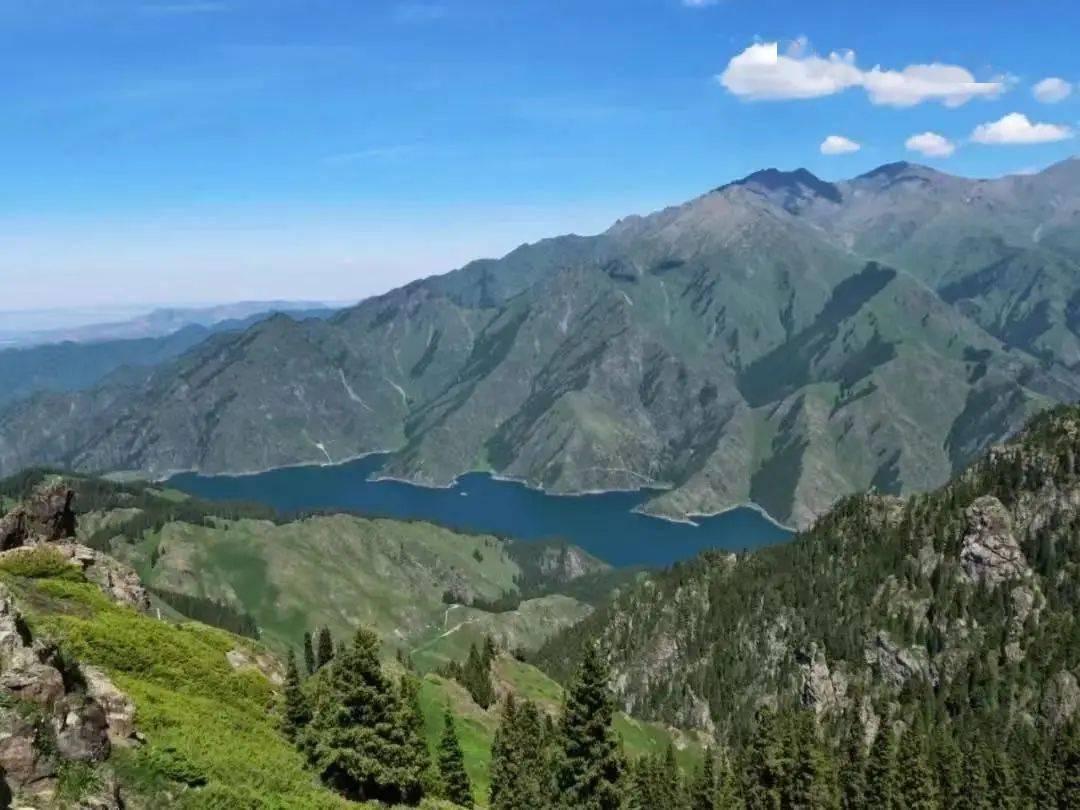
When I say “best time,” I mean the window when every road on the loop is open and the weather is forgiving. The Duku Highway, the Karakoram Highway, and most Pamir passes close the moment snow returns. I waited out a four-day closure near Bayinbuluke in early October 2022 with a group that had flights home from Kashgar. Plan the loop inside the open season and you remove the single biggest source of delays. The 21-Day Xinjiang Itinerary Xinjiang travellers ask me about most is the full north–south circuit, and its timing decides everything else. I have run this loop in every month from June through September, and the gap between a good start date and a bad one is the gap between a relaxed trip and a rescheduled one.
How to Get There
Most 21-day groups fly into Urumqi Diwopu International Airport (URC). A round-trip economy ticket from Shanghai in 2024 cost me 3,200 RMB in early June and 2,600 RMB in late September. From the airport the realistic options are a private van with a driver or a self-drive rental. I used a 12-seat Ford Transit for my 2023 group at 1,100 RMB per day including the driver’s wage, fuel, and highway tolls. Trains reach Urumqi, Kashgar, and Yining, but a 21-day loop needs the flexibility of road transport, so I do not recommend relying on rail for the whole route.
If you want to drive yourself, read the Xinjiang Self-Driving Guide before you book. The guide covers permit checks, fuel stops in the south, and the 700 km stretch of G314 between Yecheng and Tashkurgan where the next petrol station can be 200 km away.
Best Time to Visit: the Best Time for 21-Day Xinjiang Itinerary
The Best Time for 21-Day Xinjiang Itinerary is the question I get most from readers, so I break the season into four blocks. Each one changes the loop in a different way.
Late May to early June. The Duku Highway opens around June 1. Grasslands in Yili and Bayinbuluke turn green within days. Crowds are light. The downside is cold nights, down to 5°C at Bayinbuluke, and some high passes still holding snow. This is my favourite start date for photographers who want empty viewpoints.
Mid-June to late August. The safest weather window. Daytime highs in the north reach 26–30°C, the Pamir Plateau sits at a comfortable 18–22°C, and fruit markets in Turpan and Kashgar are full. This is also peak domestic tourist season, so book hotels in Kashgar and Karamay two months ahead. I paid 680 RMB a night for a mid-range room in Kashgar Old City in August 2023; the same room was 420 RMB in June.
September. Golden poplar forests near Luntai and Zepu peak in early October, but late September already shows colour. The air is dry, the light is clean, and crowds thin after the August holiday rush. This is the best month for the southern desert leg.
October and winter. The Duku Highway usually closes by October 10, and the Karakoram Highway can shut with early snow. A 21-day loop is not practical after the first week of October.
My clear recommendation: start between June 10 and September 5. That range keeps every road open, avoids the worst of the National Day crowds in early October, and lands you in at least two of the three best scenery windows, green grasslands, warm desert, and autumn poplars. The best time to visit 21-Day Xinjiang Itinerary routes is not a single month but a window you control by your start date.
Where to Stay
Budget. Chain hotels like Home Inn and 7 Days run 180–280 RMB a night in Urumqi and regional capitals. In smaller towns such as Kuqa or Yining, local guesthouses drop to 150 RMB.
Mid-range. Expect 380–650 RMB for a clean, central room with breakfast. The Radisson in Yining and the Qinibagh Hotel in Kashgar both sat around 600 RMB in 2024 and were worth it for the location.
Upper. Urumqi’s luxury towers and the top properties in Kashgar run 900–1,600 RMB. For a 21-day trip I book upper-tier only on the first and last night in Urumqi, where a good sleep after a long flight matters most. If you travel in a group of four or more, splitting one upper-tier suite often costs less per person than two mid-range rooms.
Food
Xinjiang food on a long route is repetitive only if you let it be. Here is what my groups actually eat:
- Big plate chicken (dapanji) with belt noodles – 58–88 RMB, feeds two. Best in Urumqi and Shawan.
- Hand-pulled laghman noodles – 22–35 RMB a bowl, available in every town by midday.
- Kawap (lamb skewers) – 3–6 RMB per skewer; a decent dinner is 15 skewers plus naan.
- Roast whole lamb for a group – 1,200–1,800 RMB for a 12–15 kg animal, ordered one day ahead in Kashgar.
- Fresh fruit – grapes in Turpan (8 RMB/kg in August), melons in Hami (5 RMB/kg), apricots in Yili (10 RMB/kg).
A realistic food budget for 21 days is 2,500–3,500 RMB per person if you mix street food with two sit-down dinners a week. Green tea and milk tea are poured free at most noodle shops, so drink costs stay near zero unless you order beer, which runs 10–15 RMB a bottle in Kashgar.
Practical Tips
- Book the loop inside the open-road season. The Duku Highway and Karakoram Highway close with snow, and a closed pass can add three days of detour. When planning the Best Time for 21-Day Xinjiang Itinerary, the calendar comes first.
- Carry two forms of ID. Police checkpoints between regions are normal, and your passport or Chinese ID must match your travel permit. See the Xinjiang Visa and Permit Guide for the current list of restricted border zones.
- Pack for four climate zones. I carry a fleece and a light down jacket even in July; Bayinbuluke dropped to 6°C on a July night in 2023.
- Pre-book Kashgar and Karamay hotels. These two sell out first during August and the October holiday.
- Download offline maps. Signal disappears for long stretches on the G218 and the southern G314.
- Budget a rest day. After day 12 most groups need a flat day in Yining or Kashgar to reset.
Sample Itinerary
This is the timeline I ran in 2023 and 2024 with only minor weather shifts:
- Day 1–3: Urumqi arrival, Xinjiang Regional Museum, Heavenly Lake, drive to Karamay.
- Day 4–6: Karamay Ghost City, Dushanzi, Duku Highway south to Bayinbuluke.
- Day 7–9: Kuqa Grand Canyon, Kizil Caves, drive the southern Tianshan to Aksu.
- Day 10–12: Aksu to Kashgar, Old City, Sunday livestock market, rest day.
- Day 13–15: Karakoram Highway to Tashkurgan, White Sand Lake, Karakul Lake.
- Day 16–18: Return to Kashgar, then drive to Yining via the southern route.
- Day 19–21: Yili grasslands, Sayram Lake, return to Urumqi and depart.
FAQ
Is June too early for a 21-day loop? No. The Duku Highway opens around June 1, and by June 10 the grasslands are green. You miss the autumn poplars but avoid every crowd. For the Best Time for 21-Day Xinjiang Itinerary, I recommend September if you want colour and late June if you want green.
Can I do this route in a rental car? Yes, if you hold a Chinese licence or an approved international permit and you stay out of the closed military zones near the border. The 21-Day Xinjiang Itinerary Guide lists the exact restricted segments.
What is the single best month? September. The weather holds, the poplars turn, and the August rush is over. If you want green grasslands over autumn colour, choose late June.
How much should I budget total? Plan 16,000–24,000 RMB per person all-in, excluding international flights. Driver hire is the largest fixed cost on any Xinjiang Itinerary of this length.
Do I need a guide? Not legally, but a local driver saves you from checkpoints and fuel anxiety on the long southern legs. I have never run a 21-day group without one.
Disclaimer
Prices, road opening dates, permit rules, and hotel rates change from year to year. The figures above reflect my own 2022–2024 trips and are meant as planning ranges, not guarantees. Always confirm the current Duku Highway and Karakoram Highway opening dates, border permit requirements, and accommodation pricing with official sources before you book. The author is not responsible for changes beyond his control.