

Published: 2026-11-09 | Author: Karl Huang
The first time I reached Fuhai Hiking and Trekking the light was flat and the wind was honest; the second time, in the right season, it was a different place entirely. This guide to Fuhai Hiking and Trekking pulls together what I tell clients after eight seasons designing Xinjiang tours and self-drive itineraries out of Urumqi — the practical stuff that actually changes a trip. The questions about Fuhai Hiking and Trekking are always the same: when to go, how to get there, and what the place is actually like. For the wider plan, start with the xinjiang itinerary and the xinjiang autumn kanas guide if it sits on your route; for a tailored route, see our xinjiang vegetarian.
The Cheat Sheet
| Item | Detail |
|---|---|
| Location | Northern Xinjiang (Altai) |
| Best time | Mid-September to early October for golden larch and birch; winter (Dec-Feb) for snow scenery. |
| Elevation | varies |
| Ticket / cost | n/a |
| Base hub | Urumqi |
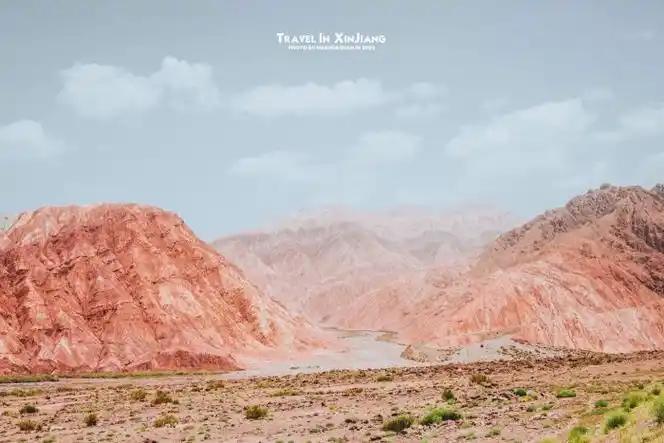
The Case for Fuhai Hiking and Trekking
Fuhai — hiking and trekking.
I have watched Fuhai Hiking and Trekking go from a quiet stop to a flagged highlight. The trick is still to arrive before the tour buses and stay past their departure.
What stays with me is the scale. Xinjiang does not do small, and Fuhai Hiking and Trekking is no exception — you feel the distance in your shoulders by midday.
The sensory memory I keep is specific: the dry cold of the morning, the smell of smoke from a roadside grill, the way a distant range changes colour as the sun clears the ridge. If your loop continues, the best time to visit hemu village is the natural next read, and the best time to visit kanas lake helps you time the seasons across the region.
The Bits That Stay With You
- Fuhai Hiking and Trekking is the kind of place that rewards a slow morning more than a checklist afternoon.
- It sits inside Northern Xinjiang (Altai), so pair it with the region’s other headlines rather than treating it as a one-stop.
- The light here is honest — bring a camera for the early and late hours, not the flat midday.
How to Get There
Urumqi
From Urumqi. Most routes start here. Depending on the region that is a 1-hour flight, a 5-10 hour train, or a long highway drive. I treat the Urumqi-to-hub leg as fixed and the hub-to-Fuhai Hiking and Trekking leg as the variable I plan around. The xinjiang travel guide covers the bookings and the permits you may need for the final stretch.
By road. Self-driving works where the roads are open (the Duku Highway and the desert highways are seasonal). Otherwise a local driver saves the headache of parking, permits and the long empty stretches between services.
Getting Around Locally
Inside the scenic areas, electric shuttles and fixed-route buses do the work — you rarely need your own wheels once you are in. Between towns, the gap is filled by hired cars and the occasional intercity bus. I pre-arrange drivers through the hotel; it costs a little more than flagging one down but removes the guesswork at 7am.
What to book first. Lock the long-haul flight or train into Xinjiang, then the regional hop to Northern Xinjiang (Altai), then the hotel. Tickets to the headline sights sell at the gate, but the transport sells out. I have missed a connection by a day more than once by leaving the booking late in July and October — those are the weeks to be early.
Timing Your Visit
Subarctic continental. Long brutal winters (down to -40C), short cool summers. Autumn (late Sept-early Oct) is the headline season for golden larch.
| Season | What to expect | My take |
|---|---|---|
| Spring (Apr-May) | Apricot blossoms in the Ili valleys, mild desert days, some high passes still closed | Quiet and green; a favourite |
| Summer (Jun-Aug) | Alpine meadows at their peak, long daylight, the July-August domestic peak | Best scenery, heaviest crowds |
| Autumn (Sep-Oct) | Golden forests and Populus, cool clear days, the headline photo window | The best all-round month |
| Winter (Nov-Mar) | Snow scenery, frozen lakes, skiing, many guesthouses shut | Great for photography, check access |
My recommendation: Mid-September to early October for golden larch and birch; winter (Dec-Feb) for snow scenery. If your dates are fixed, build the rest of the route around the season rather than fighting it. The best time to visit kanas lake breaks the window down region by region.
Lodging Notes
Wooden guesthouses in the villages; standardized hotels in the county towns.
- Budget (¥120-220/night). County-town hotels and hostels; clean and functional, often with a great local breakfast nearby.
- Mid-range (¥250-500/night). The comfortable choice — reliable heating, an English-friendly front desk, and a location that saves a transfer.
- Upper (¥600+/night). Lakeside or old-town properties with character; worth it for a quiet morning you cannot get elsewhere.
For Fuhai Hiking and Trekking I look for three things: heating that works in the cold months, a driver who knows the morning light, and a location that saves me an hour of transfer at dawn. Base yourself sensibly — the xinjiang travel guide has the lodging rundown if this stop sits inside a town.
Local Flavours
Cold-water river fish (Kanas grayling), horse milk (kumis), Tuva smoked meat, dairy curds, buckwheat pancakes.
Dishes I actually order in this part of Xinjiang:
- Polu (hand-grabbed rice) — lamb, carrot and rice cooked together, ¥25-40 a plate.
- Dapanji (big-plate chicken) — chicken, potato and wide noodles in a savoury sauce, ¥50-80 for two.
- Naan & kebabs — fresh from the tandir and the grill, ¥3-8 each.
- Laghman — hand-pulled noodles with stir-fried topping, ¥20-35.
- Bazaar sweets & dried fruit — raisins, apricot kernels, rose jam, ¥10-30 a bag.
A typical casual meal runs ¥30-60; a sit-down dinner for two is ¥80-150. The best time to visit hemu village has the food-city rundown if you want to eat your way across the region.
Money: A Realistic Breakdown
| Tier | Lodging | Food | Transport & tickets | Total/day |
|---|---|---|---|---|
| Budget | ¥120-220 | ¥60-90 | ¥80-150 (shared car, shuttle) | ¥260-460 |
| Mid-range | ¥250-500 | ¥100-150 | ¥150-300 | ¥500-950 |
| Upper | ¥600-1200 | ¥200-350 | ¥300-600 (private driver) | ¥1100-2150 |
These are planning numbers for Northern Xinjiang (Altai), not quotes. The long-haul flight or train into Xinjiang is extra. I tell clients to hold 15% back as a buffer for the unplanned detour that turns out to be the best part of the trip.
A Few Courtesies
Xinjiang is a mosaic of Uygur, Han, Kazakh, Hui, Kyrgyz and Tajik communities, each with its own customs. A little awareness goes a long way: ask before photographing people, dress modestly near active mosques, and accept the second cup of tea when offered — refusing it reads as a slight. The warmth you get back is worth the small effort, and it is the part of Fuhai Hiking and Trekking that no ticket buys.
Hard-Won Advice
- Cold comes early. Nights drop below freezing by mid-October.
- Acclimatise for altitude. Sleep low before high passes.
- Go in late September. Birch and poplar forests turn gold.
- Respect mosque and village etiquette. Cover shoulders and knees near active mosques; ask before photographing people in old-town lanes.
- Dress in layers, not in fashion. A basin morning at 8C and a noon at 28C in the same valley is a normal Xinjiang day.
- Carry cash and a second payment app. Smaller ticket offices and roadside stalls outside the big cities still prefer cash. I keep small notes for exactly this.
A Workable Plan
A realistic pacing for Fuhai Hiking and Trekking:
- Day 1 morning — arrive at the regional hub, sort permits or tickets, ease into the altitude and the light.
- Day 1 afternoon — first scenic leg; catch the late light when the tour buses have gone.
- Day 2 — the headline sight at opening time, then a slow transfer with one unplanned stop.
- Day 3 (optional) — a side valley or a local market before the long drive or flight out.
To string several stops together, the xinjiang itinerary is the planner I point clients to.
One Thing to Get Right
The classic Altai mistake is trying to see Kanas, Hemu and Baihaba in a single day. The shuttle transfers alone eat 4-5 hours; give the valley two nights or you’ll remember the bus more than the view.
Getting the Shot at Fuhai Hiking and Trekking
For Kanas the light is best an hour after the shuttle drops you at the lake, before the day-trip crowds arrive from Burqin. Hemu’s morning mist is the shot most people miss by sleeping in.
Fitting This Into a Wider Xinjiang Trip
Few people visit Fuhai Hiking and Trekking on its own. Most build it into a longer loop, so here is how I connect the dots for clients. For the headline sights across the region, start with the best time to visit xinjiang regional museum; for deciding where to base each night, the best time for xinjiang travel budget lays out the towns. Timing matters more than any single booking, so read the zepu populus forest travel guide before you fix dates. If food is half the reason you travel, the best time to visit bosten lake is worth a detour, and the altay ties the whole route together. The xinjiang hiking guide breaks the seasons down region by region.
Related Questions Travellers Ask
- Xinjiang photography best season
- Xinjiang with kids
- Xinjiang for solo travellers
- how many days in Xinjiang
- 2 week Xinjiang itinerary
- Xinjiang car rental
- How much does a two-week Xinjiang trip cost?
- Do I need a permit to travel around Xinjiang?
- Is there mobile data and WiFi across Xinjiang?
- When is the Kanas golden-larch window?
Things People Ask
Q: Do I need a special visa or permit for Xinjiang?
A standard China visa covers Xinjiang. Only the Pamir Plateau and Karakoram Highway need the extra Border Travel Permit, arranged in Kashgar.
Q: How many days do I need for this part of Xinjiang?
A focused trip is 7-10 days; a relaxed one is 2-3 weeks. Build buffer for weather and long transfers.
Q: Is it safe for foreign travellers?
The region is heavily policed and generally safe for visitors who carry ID and follow permit rules.
Q: What should I pack?
Layers, sun protection, a refill bottle, and cash. In autumn and winter add a real warm jacket.
Q: When is the cheapest time to go?
April-May and September-October (outside the July-August peak) tend to have lower prices and thinner crowds.
Q: Can I combine this with the classic Xinjiang tours?
Easily — most Xinjiang tours string several regions together; I build the route so the long transfers double as scenery.
Q: What is the single biggest planning mistake?
Leaving transport to the last minute in peak season. Book the inbound flight or train first, then build outward.
Q: How much does a two-week Xinjiang trip cost?
For most of the region June to September is the safe window, with late September to mid-October the standout for golden forests and desert poplars. Winter has its own rewards around Altay, but several high roads close — plan around that.
Q: Do I need a permit to travel around Xinjiang?
Prices here are planning figures, not quotes. A mid-range day for two usually lands around ¥1000-1900 once you add a driver, tickets and a sit-down dinner; hold 15% back for the unplanned stop that ends up being the best part of the trip.
About These Notes
Last reviewed 2026-11-09 by Karl Huang, Xinjiang Travel Specialist & founder of Xinjiang Itinerary. This guide is rebuilt from trip logs, driver briefings and ticket-office confirmations rather than copied from other travel sites.
For a second, non-commercial source, these are the sources I cross-check against when I refresh these notes:
Before You Rely on This
Prices, permits, opening dates and road status change — sometimes within a season. Treat the figures above as a planning baseline and confirm with official sources and your hotel before you travel. I update routes when clients report changes, but I cannot guarantee real-time accuracy for every gate.