

Published: 2026-07-29 | Author: Karl Huang
When I set out to build a Xinjiang Vegetarian Travel Guide, I was not sure it was going to work. Xinjiang cooking leans hard on lamb, beef and dairy, and the menus I saw online looked meat-heavy. Three weeks and about 2,400 km of road later, I had eaten well every single day without touching meat. This guide collects what actually worked: the dishes to order, the cities where vegetables are easy to find, the real prices from my own receipts, and the seasons when the produce is at its best.
Quick Reference
| Location | Entry / Typical Veg Meal Fee | Best Time | Role on a Veg Trip |
|---|---|---|---|
| Urumqi | City free; veg meal ¥18-40 | May to October | Best base, largest choice of vegetarian restaurants |
| Kashgar Old City | Free entry; veg meal ¥15-35 | April to November | Best for Uyghur breads, noodles and fruit |
| Turpan | Free; veg meal ¥15-30 | April to October | Best for grapes, melons and cold noodle dishes |
| Yining (Ili) | Free; veg meal ¥18-38 | May to September | Best for grassland produce and Russian-style bakeries |
| Hotan | Free; veg meal ¥14-30 | April to October | Best for dates, nuts and night-market snacks |
My Experience Following a Xinjiang Vegetarian Travel Guide
I started in Urumqi because it is the one place with Buddhist vegetarian restaurants that copy meat dishes using gluten and mushrooms. On my second evening I ate at a small place near People’s Square that served a “fish” made from tofu skin and a plate of stir-fried king oyster mushrooms for ¥35 total. The flavors were close enough to the real thing that my meat-eating friend finished half my plate.
The bigger surprise came in Kashgar. The Old City runs on naan, laghman noodles, roasted vegetables and fruit, none of which need meat. I paid ¥4 for a round of sesame naan at a corner oven and ate it warm while watching the bakers pull flat discs off the wall. For lunch I ordered laghman and asked them to hold the beef and double the peppers and tomato. That bowl cost ¥22 and filled me up.
Turpan taught me about seasonality. In early June the grape vines were just setting fruit, but the cold noodles (liangpi) and the melons at the night market were already good. A kilo of Hami melon ran me ¥3, and a plate of spicy cold noodles was ¥12. The point of a Xinjiang Vegetarian Travel Guide is not to find one magic restaurant but to read the seasons and the street.
How to Get There
Most international and domestic travelers land at Urumqi Diwopu International Airport (URC). From there the rail network is the easy win for vegetarians: you control your own snacks. The fast train to Kashgar takes about 12 hours; I booked a soft sleeper and ate fruit, naan and yogurt I bought at the station.
From Beijing, fly direct to Urumqi (around 4 hours) or take the Z-series sleeper train (about 30 hours). From Xi’an, the flight is under 3 hours. Within Xinjiang, the regional flights to Kashgar, Hotan, Yining and Altay are short and cheap in the off season, often ¥300-600 one way when booked two weeks ahead.
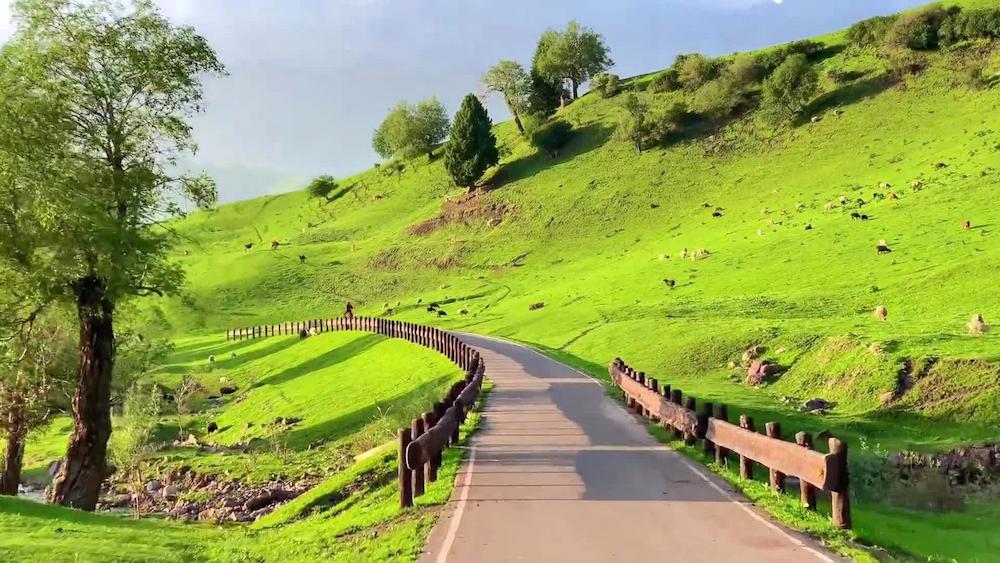
If you drive, the Duku Highway from Dushanzi to Tiklik opens roughly 10 June to 30 September and shows off the best scenery, but the food stops are sparse. Pack nuts, dried apricots and naan before you leave. The road itself is the draw, not the lunch options.
Best Time to Visit
Spring (April to May) is quiet and the apricot blossoms around Kashgar and the Ili valley are worth the trip. Prices are low and the markets fill with the first fresh greens. It can still be cold at night, so pack layers.
Summer (June to August) is peak season. The grasslands of Nalati and Bayinbuluke are green, fruit is everywhere, and every town has cold drinks and watermelon. The downside is heat in Turpan, which regularly hits 40°C, and crowds at the famous lakes. This is the easiest time to eat vegetarian because produce is abundant and cheap.
Autumn (September to October) is my favorite. The grapes are harvested, the poplar forests in southern Xinjiang turn gold, and the heat backs off. A Xinjiang travel guide will tell you autumn is also the best window for photography, and I agree.
Winter (November to March) is harsh but rewarding for budget travelers. Many scenic areas close or run on reduced hours, and some small restaurants shut. Urumqi and Kashgar stay open, and the skiing around Urumqi is good. I would not plan a long veg road trip in deep winter unless you cook for yourself.
Clear recommendation: go in September. You get the fruit, the colors and bearable temperatures, and the Xinjiang Food Tour Guide routes are at their most productive then.
Where to Stay
Budget: hostels and guesthouses in Urumqi and Kashgar run ¥60-120 a night. The upside is a shared kitchen where you can boil vegetables and noodles. I stayed in a Kashgar courtyard guesthouse for ¥90 and made my own breakfast of bought fruit and yogurt.
Mid-range: business hotels at ¥250-450 usually include a breakfast buffet with congee, steamed buns, fruit and pickles. Confirm the buns are plain or vegetable before you eat. These hotels are clean, central and easy to book on the usual apps.
Upper-range: international-brand hotels at ¥600-1,200 have multiple restaurants and will happily prepare a vegetable plate or pasta without meat if you ask the manager. In Urumqi I paid ¥880 for a night that included a Western breakfast with oats, fruit and toast, which took the pressure off the rest of the day.
Food
The backbone of vegetarian eating here is the noodle and bread culture. Laghman is hand-pulled wheat noodles with a tomato, pepper and onion sauce; ask for it “su” (vegetarian) and skip the meat. A bowl is ¥15-25. Samsa are baked buns from the tandoor; some shops make a pumpkin or potato version for ¥4-8 each, but confirm there is no meat fat in the dough.
Naan comes plain, with sesame or with onion, and it keeps for two days in a bag, which makes it the ideal travel food. Yogurt (suān nǎi) is sold by weight at markets for ¥5-8 and is usually just milk and culture, though some stalls stir in sugar.
Fruit is the real star. In season, grapes are ¥6-10 a kilo, Hami melon ¥2-4 a kilo, and apricots and pomegranates are cheap and everywhere in the south. I ate more fruit in three weeks than I do in a normal month at home.
For hot dishes, Han-run restaurants in the cities will stir-fry green vegetables (qīng cài), potatoes, tomatoes and tofu for ¥18-38 a plate. Buddhist vegetarian restaurants do mock meats with gluten and mushrooms. The Xinjiang Halal Food Itinerary is useful here because most veg food in the south is halal by default, which removes pork from the equation entirely.
Practical Tips
- Learn two phrases: “chī sù” (吃素) means I eat vegetarian, and “bú yào ròu” (不要肉) means no meat. Say them when you order.
- At noodle shops, order laghman and ask them to hold the meat and add extra vegetables. It costs the same and fills you up.
- Breakfast is the easy meal: naan, tea, fruit and yogurt. Buy these at the morning market and skip the hotel meat spread.
- Carry nuts, dried apricots and naan for long drives. The Duku Highway and the road to Tashkurgan have few food stops.
- In Muslim areas, vegetarian food is halal by default, but ask whether animal fat was used in the dough or the wok.
- Use restaurant apps to find places, but verify by phone. Many small vegetarian spots are not listed online.
Sample Itinerary
Day 1, Urumqi: Arrive, walk the International Grand Bazaar, eat naan and fruit, dinner at a vegetarian restaurant near People’s Square (¥35).
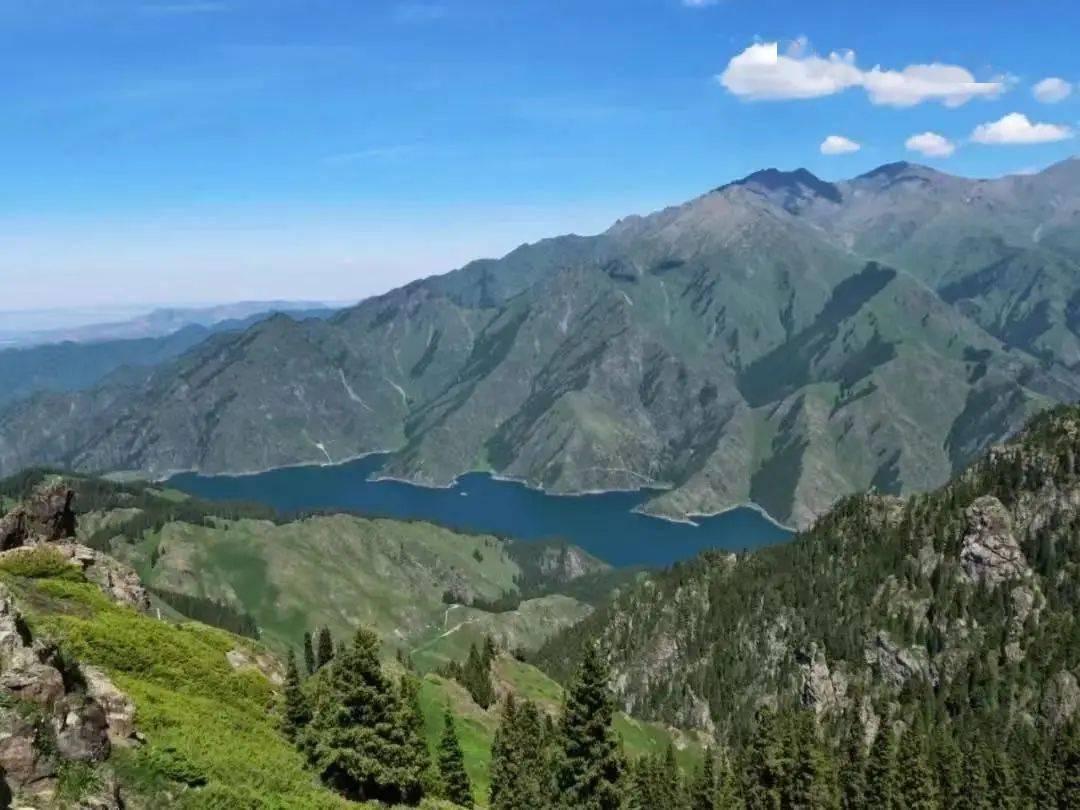
Day 2, Urumqi to Tianchi: Bus up to Heavenly Lake, pack a veg picnic of naan, tomatoes and yogurt, back for a noodle dinner (¥22).
Day 3, train to Kashgar: Soft sleeper, eat station fruit and buns, arrive evening, walk the Old City walls (¥0).
Day 4, Kashgar Old City: Naan from the corner oven (¥4), veg laghman for lunch (¥22), apricots from the market.
Day 5, Kashgar Sunday Baza: Veg snacks, roasted corn, melon; photograph the livestock side from a distance (¥0-20).
Day 6, Kashgar to Tashkurgan: hired car, packed veg lunch, White Sand Lake and Karakul Lake viewpoints, back to Kashgar.
Day 7, fly out: Final naan and yogurt breakfast, flight from Kashgar or train back to Urumqi.
FAQ
Is Xinjiang vegetarian-friendly?
More than people expect. The bread, noodle and fruit culture means you can eat without meat in every city. The hard part is rural stretches between towns, where you should carry your own food.
Can vegans eat here?
Yes, with care. Naan, laghman (no egg usually), fruit and most vegetables are vegan. Watch yogurt, the occasional egg in noodles, and animal fat in some dough. Ask each time.
How much does vegetarian food cost per day?
Budget ¥60-100 a day if you lean on naan, noodles and fruit. Add restaurant dinners and it rises to ¥120-180. I averaged about ¥95 a day across three weeks.
Is street food safe for vegetarians?
Generally yes. Visible grilling and boiling is easy to check. The risk is shared oil or hidden meat in stuffed buns, so confirm the filling before you buy.
What is the best season for fresh produce?
September. Fruit is at peak, the heat is gone, and the best time to visit Xinjiang for a plant-based trip lines up with the grape and melon harvest.
Do I need a border permit as a vegetarian traveler?
The permit question is the same for everyone. Tashkurgan and the Karakoram corridor need a border pass from the Kashgar public security bureau. It is free and takes a day; food choice does not change it.
Disclaimer
Prices, restaurant openings, train schedules and border permit rules change. The numbers above reflect what I paid in 2025 and 2026 and are examples, not guarantees. Always confirm current costs and entry requirements with official sources such as the Xinjiang tourism board and your embassy before you travel.