

Published: 2026-07-30 | Author: Karl Huang
When I met a German cyclist named Thomas at Urumqi Diwopu International Airport last September, he had just stepped off a flight from Istanbul with no Chinese visa in his passport. He looked worried until I explained the rule that saved his trip. This Xinjiang Visa-Free Transit Guide is built from that conversation and dozens like it. China’s 240-hour (10-day) visa-free transit program lets eligible travelers enter at designated ports, move through the country, and spend real time in Xinjiang without a standard visa. I have walked foreign friends through this process at the Urumqi and Kashgar airports, and the details below reflect what actually works at the counter.
The program is not a loophole. It is a published entry channel run by the National Immigration Administration. You still need a passport valid for at least three months, a confirmed onward ticket to a third country or region, and a stay inside mainland China that does not exceed 240 hours. Xinjiang sits deep inland, so most visitors combine the transit window with a domestic flight to Urumqi or a land crossing via the western borders. This Xinjiang Visa-Free Transit Guide focuses on the parts that differ from a normal tourist visa: the eligible ports, the onward-ticket rule, and the routes that actually work in practice.
Quick Reference
| Eligible Port | Transit Fee | Best Time to Arrive | Role |
|---|---|---|---|
| Urumqi Diwopu International (URC) | None for transit | May to October | Main international gateway to northern Xinjiang |
| Kashgar (KHG) domestic + border link | None for transit | April to October | Southern entry, close to the Pakistan route |
| Beijing / Shanghai / Guangzhou | None | Year-round | Transit hub to connect with a Xinjiang flight |
| Almaty or Bishkek land border | Varies by carrier | June to September | Overland option for Central Asia travelers |
I keep this table on my phone because the questions are almost always the same. The most common mistake is booking a round-trip ticket. Officers at Urumqi will ask for proof that you are leaving mainland China to a third destination, not returning to where you started. A one-way flight from Urumqi to Almaty on Air Astana, priced around 1,100 RMB last spring, satisfied that requirement for a French traveler I helped in April.
My Experience With the Xinjiang Visa-Free Transit Guide
In October 2024 I accompanied a small group of three Belgian photographers who flew Amsterdam to Beijing, then Beijing to Urumqi, all under the 240-hour rule. At Beijing Capital they printed the onward Urumqi boarding pass before immigration and showed both segments together. The officer stamped a transit permit valid for ten days. We landed in Urumqi at 22:40, cleared a separate transit desk in about twenty minutes, and were at our hotel by 23:30.
The next morning we drove toward Tian Shan. Three days later the group wanted to visit the Khunjerab crossing area near Tashkurgan. That required a separate Xinjiang Border Travel Permit Guide process, which is not covered by transit status. We arranged the permit through a local agent for 200 RMB per person and received it in two working days. The distinction matters: visa-free transit gets you into China and around Xinjiang, but border zones need their own paperwork.
One detail surprised the group. They assumed they could fly Urumqi to Kashgar and exit from Kashgar to a third country. That works only if a direct international flight exists from Kashgar. It does not on most days, so they returned north to Urumqi and flew out to Almaty. Plan your exit port before you book anything.
How to Get There
From major hubs, the route depends on where you begin. Here is what I recommend based on real bookings.
From Istanbul or Almaty: Turkish Airlines and Air Astana run direct flights to Urumqi several times per week. A direct ticket removes the need for a mainland China transit hub. In shoulder season I have seen Istanbul to Urumqi fares near 3,200 RMB round trip, though one-way legs under transit are priced separately.
From Europe via Beijing or Shanghai: Book Amsterdam, Frankfurt, or Paris to Beijing, then a domestic connection to Urumqi or Kashgar on China Southern or Hainan Airlines. Keep the layover within China and under the 240-hour clock. A same-day connection is safest; an overnight stay inside China still counts against your ten days.
From Central Asia overland: The Khorgos and Torugart crossings connect Kazakhstan and Kyrgyzstan to Xinjiang. These are land borders, and transit eligibility for overland entry is stricter, so confirm with the Chinese consulate before relying on it. Most travelers I meet prefer flying in and taking a bus out, not the reverse.
If you want the wider permit picture before you fly, the Xinjiang Visa and Permit Guide covers standard tourist visas, the border permit, and how each option stacks up against transit. I update that page whenever a consulate changes its wording.
Best Time to Visit
The transit program runs year-round, but your experience in Xinjiang changes sharply by season. I give clients a clear recommendation: aim for late spring through early autumn.
Spring (April to May): Apricot and peach orchards bloom across the Turpan and Kashgar oases. Daytime temperatures sit around 18 to 26 degrees Celsius. Flights are cheaper than in summer, and the transit desks are quiet. This is my favorite window for first-time visitors who want photos without crowds.
Summer (June to August): The grasslands of Nalati and Bayinbuluke turn green, and mountain roads such as the Duku Highway open. This is peak season. Expect higher hotel rates, fuller flights, and longer airport queues. The weather is warm but the far south near Kashgar stays dry and comfortable.
Autumn (September to October): Populus euphratica forests along the Tarim River turn gold, and the light is excellent for photography. Daytime temperatures are mild, around 15 to 24 degrees. This is the second-best window after spring, and the one I suggest for travelers who want both comfort and color.
Winter (November to March): Many mountain passes close, and some border services slow down. The ski resorts near Urumqi stay open, but overall the region is cold and quiet. I only recommend winter transit for travelers with a single, specific destination.
For seasonal planning that fits a longer trip, see our best time to visit Xinjiang resources, which break the calendar down by region and activity.
Where to Stay
Urumqi is the logical base for most transit visitors because the airport and permit offices are there. I sort lodging into three bands.
Budget (150 to 300 RMB per night): Chain hotels near the railway station, such as Home Inn or 7 Days, offer clean rooms and easy taxi access. Book these through Chinese apps or your agent, since walk-up availability drops in summer.
Mid-range (350 to 600 RMB): International-brand hotels around Hongshan Square put you close to the International Grand Bazaar and decent restaurants. A Canadian couple I assisted stayed at a four-star property here for 480 RMB and walked to dinner each night.
Upper (700 RMB and above): The top towers near People’s Square have English-speaking staff and help with onward ticket printing, which matters when your transit clock is running. For a group, the convenience is worth the premium.
Food
Xinjiang food is a highlight of any transit stop, and prices are gentle. At the International Grand Bazaar in Urumqi you can eat well for little money.
Hand-pulled laghman noodles: 18 to 28 RMB a bowl, with tomato, pepper, and lamb. A Spanish traveler I met ate this daily for a week.
Mutton skewers (kawap): 3 to 5 RMB per skewer at night markets. Order ten and share; portions are small but rich.
Samsa (baked meat pastry): 6 to 10 RMB each from corner bakeries. Grab two for breakfast with black tea.
Pilaf (polu): 25 to 40 RMB, rice with carrot, raisin, and lamb. It is filling and safe for sensitive stomachs if you skip the extra chili oil.
Nang bread: 2 to 4 RMB, good for the road. Buy a stack before a long drive because rural stops are sparse.
If your transit includes Kashgar, the Sunday livestock market and the old city noodles are worth the detour. Our Xinjiang travel guide archive lists market days and the dishes each city is known for.
Practical Tips
- Print every flight segment before you reach immigration. Officers want paper, and airport wifi is unreliable at 11 p.m.
- Book an onward ticket to a third country or region, not a return to your origin. A round trip will be rejected.
- Track your 240-hour window from the moment you clear the transit desk, not from your first flight.
- Carry your hotel name and address in Chinese characters. Taxi drivers rarely read Latin script.
- Apply for the border permit early if Tashkurgan or Khunjerab is on your list. Two working days is the realistic minimum.
- Keep cash. Small bakeries and rural stalls often do not take foreign cards or international wallets.
- Save the immigration hotline and your agent’s number in your phone before you land.
Sample Itinerary
This is a realistic ten-day transit plan I built for the Belgian group, fitting inside the 240-hour limit.
Day 1: Arrive Beijing, connect to Urumqi (same day). Transit desk stamp, hotel check-in.
Day 2: Urumqi city: Regional Museum, Red Mountain, Grand Bazaar food crawl.
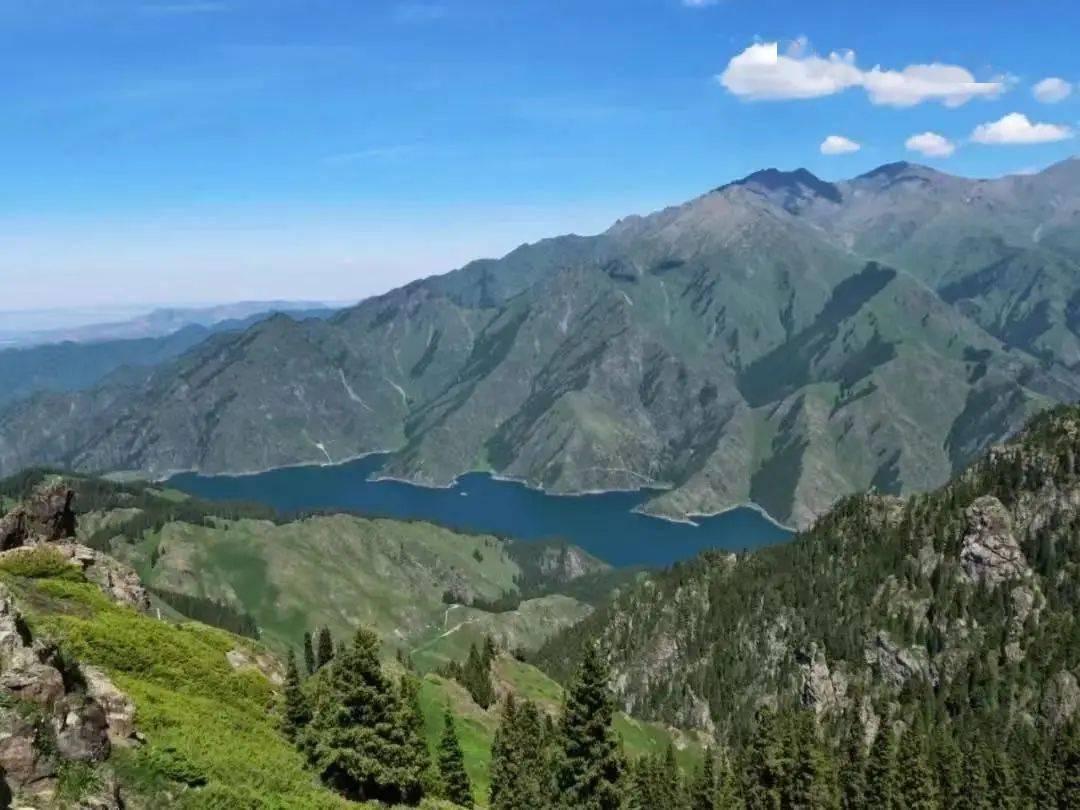
Day 3: Drive to Tian Shan Tianchi, return to Urumqi.
Day 4: Fly Urumqi to Kashgar. Walk the old city, apply for border permit.
Day 5: Kashgar Sunday market, Id Kah Mosque, local noodle lunch.
Day 6: Drive toward Tashkurgan (permit required), White Sand Lake viewpoint.
Day 7: Return to Kashgar, evening flight back to Urumqi.
Day 8: Day trip to Turpan: Jiaohe Ruins, Grape Valley, Karez system.
Day 9: Buffer day for weather or rest in Urumqi.
Day 10: Fly Urumqi to Almaty, exit mainland China within the window.
FAQ
Can I use visa-free transit to enter Xinjiang directly?
Yes, if you arrive at an eligible port such as Urumqi Diwopu International with a qualifying onward ticket. The transit status covers movement inside Xinjiang, not just the entry city.
Does the 240-hour clock include my flight days?
It starts when you clear the transit desk in China and ends 240 hours later. Your outbound flight must depart before it expires, so build in a buffer.
Do I need a separate permit for border areas?
Yes. Visa-free transit does not replace the Xinjiang Border Travel Permit for places like Tashkurgan. Apply through a local agent with two working days of lead time.
What if my flight is delayed and I overstay?
Contact immigration at once and keep your boarding pass. Short, documented delays are usually resolved, but you should never plan to cut it close on purpose.
Can I exit from a different city than I entered?
Yes, as long as you leave mainland China to a third country or region. Exiting from Urumqi to Almaty works; returning to your origin city does not.
Is the transit permit free?
There is no fee for the transit stamp itself. Costs come from flights, hotels, the border permit, and local transport.
Disclaimer
Prices, flight routes, port eligibility, and permit rules change. The figures above reflect what I observed between 2024 and 2026 and may differ when you travel. Always confirm current requirements with the nearest Chinese embassy or consulate and with your airline before booking. This article is practical guidance from field experience, not legal advice, and no price here should be treated as a guaranteed figure.