

Published: 2026-07-22 | Author: Karl Huang
The Best Time for Silk Road Itinerary is a question I argue about with travelers every spring. In April 2024 I led a group of six from Urumqi to Kashgar. We left the Diwopu airport hotel at 07:40, stopped for laghman in Toksun at 12:15, and ran straight into a sandstorm near the Flaming Mountains that cost us three hours. That trip taught me something the guidebooks skip: timing a Silk Road route is not about picking one perfect month. It is about reading the corridor, because the eastern deserts, the Tian Shan passes, and the Pamir Plateau each keep their own schedule.
I have now driven this line eight times across different seasons. The route I use runs Urumqi to Turpan, then west through Korla and Kuqa, down to Kashgar, and finally up the Karakoram Highway to Tashkurgan. Below I break down what each season actually feels like on the ground, with the prices and delays I have paid for in person.
Quick Reference
| Item | Detail |
|---|---|
| Route length | About 1,600 km from Urumqi to Kashgar; add 300 km to Tashkurgan |
| Core fee | Free to drive; major sites 30-95 RMB (Bezeklik 70, Id Kah free, Karakul Lake 50) |
| Best time | Late September to mid-October for the full corridor including the Pamir |
| Role of the route | The main Xinjiang leg of the ancient Silk Road, linking oasis towns and mountain passes |
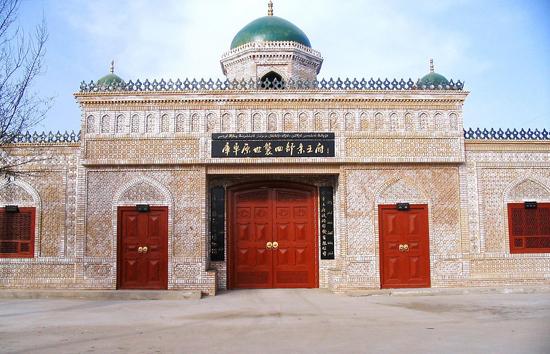
Why I Keep Coming Back to This Corridor
My first Silk Road drive was a mistake born of bad timing. I went in July 2021 and spent two afternoons hiding from 44°C heat in Turpan, then found the Duku Highway closed by a late snow patch near Bayinbuluke. When people ask me the Best Time for Silk Road Itinerary, that July trip is why I answer with the corridor, not the calendar. The Silk Road Itinerary Guide I later wrote exists because that trip went wrong in three different climates on the same week.
What pulls me back is the variety. You can eat cold grapes in a Turpan courtyard at 09:00 and watch snow falling on a Pamir pass by dinner two days later. The towns are real working places, not museum sets. In Kashgar I watched a livestock trader name his price in Uyghur and Mandarin at the same time, then walked to a tea house where the owner remembered my group from the year before. That continuity is the whole point of a Silk Road trip.
How to Get There
Most foreigners start from Urumqi, the regional hub. A direct flight from Beijing takes about four hours and costs 1,400-2,200 RMB depending on season. From Urumqi you have three ways west.
The fast option is the flight to Kashgar, roughly 2 hours and 900-1,400 RMB. The train is slower but scenic: the Urumqi-Kashgar line runs about 24 hours in a hard sleeper for 450 RMB. I prefer to drive, either in your own rental or with a local driver. The southern G3012 highway is paved and boring but reliable, while the Duku Highway (G217) is the beautiful northern alternative that is only open from roughly June to September.
If you want the classic experience, take the train or flight to Turpan first, rent a car there, and follow the oasis chain west. The Xinjiang Self-Driving Guide covers the permit and road rules you need before pointing a car at the Pamir.
Best Time to Visit: the Best Time for Silk Road Itinerary
Spring, from April to early May, is underrated. The Turpan grape canals run full, the desert warms to a friendly 25°C, and hotel prices sit near their yearly low at 180-260 RMB a night. The catch is wind. Spring gales shut the Duku Highway for days, and the Pamir can still be snowed in. I once waited 11 hours in Korla for a pass to clear.
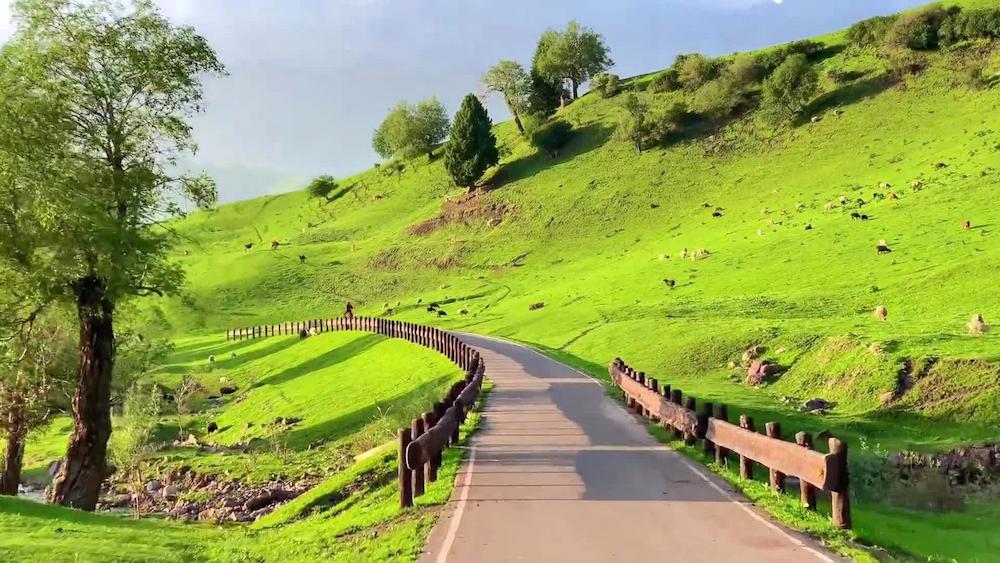
Summer, June through August, is the season everyone fears and the Pamir actually loves. Turpan becomes an oven at 40-45°C, so I plan desert stops for early morning. Up on the plateau, Karakul Lake and Tashkurgan are at their greenest, with yaks grazing and clear views of Muztagh Ata. The downside is crowds and price: Kashgar mid-range rooms jump to 600-800 RMB in July.
Autumn, late September to mid-October, is my honest recommendation and the textbook Best Time for Silk Road Itinerary. The heat is gone, the Pamir is open and golden, and the grape and melon harvest fills the roadside stalls. I paid 220 RMB for a hotel in Turpan that costs 400 in August. The light for photography is flat and clean, and the tour buses have thinned out after the National Day week.
Winter, November to March, is for patient budget travelers. Many passes close, some guesthouses shut, and temperatures in Turpan can drop to -20°C. But you will have the ruins to yourself, and a room in Kashgar Old City can cost 130 RMB. The Silk Road Itinerary Tips article lists the specific closures I hit in January 2023.
My clear answer to the best time question, and my own definition of the Best Time for Silk Road Itinerary, is the last two weeks of September through mid-October. You get the Pamir open, the desert mild, and the crowds gone, all in one window. The Silk Road Itinerary Xinjiang route is at its most complete in those four weeks.
Where to Stay
Budget travel keeps this trip cheap. In Turpan a clean guesthouse near the bazaar runs 150-200 RMB, and in Kashgar Old City a renovated courtyard room goes for 160-220 RMB. I stayed at the Silk Road Hostel in Kashgar in 2022 for 140 RMB and met three other solo drivers at breakfast.
Mid-range is where most of my groups land. The Turpan Hilton was 520 RMB in October, the Kashgar Radisson around 650 RMB. These give you reliable heat, a real breakfast, and a driver-friendly parking lot. For a Silk Road trip that covers long driving days, the mid tier pays for itself in sleep quality.
Upper-end options exist but thin out west. In Kashgar the Pamir Hotel runs 900-1,200 RMB and is the best base for an early start toward Tashkurgan. On the Pamir itself, the choice is basic: a guesthouse in Tashkurgan costs 300-400 RMB and the altitude at 3,100 meters is the real amenity question, not the thread count.
Food
Eating is the easiest joy on this route. A bowl of hand-pulled laghman with tomatoes and green beans costs 22-28 RMB at any roadside stop. Mutton skewers run 3 RMB each, and I have lost count of the nights I ate twelve of them for 36 RMB outside a Turpan night market.
In Kashgar, pigeon soup with naan is a local ritual at 35-45 RMB a bowl, and the Sunday bazaar sells fresh naan for 4-6 RMB. Turpan grapes are 6-10 RMB per kilo in autumn, and the seedless white variety near the Grape Valley is the sweetest I have found anywhere. Samsa, the baked meat pastry, is 7-9 RMB from the dome ovens you see on every corner. None of this needs a reservation, and the best versions come from stalls with a line of locals.
Practical Tips
- Book Kashgar and Pamir stays two weeks ahead in September and October, since the good courtyard rooms sell out during harvest.
- Carry cash in small bills. Many oasis-town stalls and the Pamir guesthouses do not take foreign cards or even some local apps.
- Check the Duku Highway status daily in spring and autumn. A single snow patch closes it for hours, and there is no shortcut around.
- Pack for two climates. I keep a t-shirt and a down jacket in the same bag because Turpan and the Pamir can differ by 30°C in one day.
- Start Pamir drives before 09:00. The Karakoram Highway is slow, and the border-zone checkpoints near Tashkurgan close to new entries by early evening.
- Sort your documents early. The Xinjiang Visa and Permit Guide explains the border-area pass you need for Tashkurgan, which is separate from your regular visa.
Sample Itinerary
Day 1: Fly into Urumqi, rest and stock the car. Day 2: Drive to Turpan (3 hours), see the Jiaohe ruins and the Grape Valley in the cool morning. Day 3: Turpan to Korla (4 hours), stop at the Lop Nor museum. Day 4: Korla to Kuqa (3 hours), visit the Kizil Caves. Day 5: Kuqa to Aksu (3 hours), walk the old town. Day 6: Aksu to Kashgar (5 hours) via the southern highway. Day 7: Full day in Kashgar Old City and the Sunday bazaar. Day 8: Kashgar to Tashkurgan (4 hours) on the Karakoram Highway, overnight on the plateau. Day 9: Return to Kashgar and fly out.
This nine-day shape works in autumn. In spring I cut the Pamir and add an extra day in Turpan. The best time to visit Silk Road Itinerary targets really is that simple to plan once you accept the weather runs the show.
FAQ
Is September too cold for the desert parts?
No. Turpan in late September sits around 22-28°C in the day, which is far better than the summer oven. Mornings get crisp, so bring a light jacket.
Can I do the whole route by train instead of driving?
Yes. The Urumqi-Kashgar train covers the spine, and you can bus or hire locally from there. You lose the Duku Highway and the spontaneous oasis stops, but you avoid mountain-road fatigue.
Do I need a special permit for Tashkurgan?
You do. The Pamir border area requires a separate travel permit obtained in Kashgar, beyond your standard visa. Allow a morning to process it.
How many days are realistic for a first trip?
Nine to ten days lets you see Urumqi, Turpan, Kuqa, Kashgar, and the Pamir without rushing. Anything under seven days means dropping the plateau.
What about the Xinjiang Itinerary timing if I only have summer?
Go for it, but flip the plan: do deserts at dawn, save the Pamir for the middle of your trip when it is warmest, and book Kashgar rooms early because July prices climb.
Disclaimer
Prices, permits, train schedules, and highway opening dates change without notice. The figures above reflect what I personally paid between 2021 and 2024 and are shared as a planning range, not a guarantee. Border-area permit rules in particular shift with local policy. Always confirm current conditions with official sources, your embassy, and your accommodation before you travel.