

Published: 2026-07-22 | Author: Karl Huang
The first time I drove the Xinjiang stretch of the route was in September 2023. My driver Ablimit and I left Urumqi at 7:40 a.m. in a rented Toyota Land Cruiser, paid 480 RMB in expressway tolls and fuel to reach Turpan by late morning, and walked into the Jiaohe Ruins before the worst of the heat. That 11-day loop cost my group about 6,200 RMB per person, everything included. If you want one Silk Road Itinerary Guide built from real road time instead of travel brochures, this is the version I wish I had packed before that trip.
Quick Reference
| Stop | Location | Entry Fee | Best Time | Role on Route |
|---|---|---|---|---|
| Turpan (Jiaohe and Gaochang Ruins) | Turpan Basin, 150 km east of Urumqi | Jiaohe 70 RMB, Gaochang 40 RMB | Apr to Oct | Northern oasis hub |
| Kuqa (Kizil Caves) | Northern foothills, 700 km from Urumqi | Kizil 70 RMB | May to Oct | Buddhist art gateway |
| Aksu | Western Tarim rim | Free old town | May to Sep | Desert transition |
| Kashgar Old City | Far west, 1,470 km from Urumqi | Free | Mar to Nov | Route confluence |
| Karakul Lake and Pamir | 190 km south of Kashgar, 3,600 m | 50 RMB plus border permit | Jun to Sep | Southern extension |
Why This Silk Road Itinerary Guide Begins in Turpan
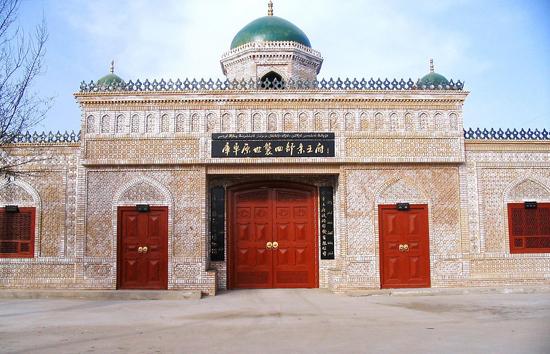
I open in Turpan for a practical reason. The city sits in a basin 150 kilometers east of Urumqi, and it is the first place where the desert, the ruined cities, and the living Uyghur town all sit within a 40-minute drive. On my 2023 loop we paid 70 RMB to enter Jiaohe, walked the flattened mud-brick streets for two hours, then drove 45 minutes to the Gaochang ruins and paid another 40 RMB. By 4 p.m. the temperature hit 41°C, so we bought cold kawa (a pumpkin juice) from a roadside stall for 6 RMB and waited it out. That kind of detail matters more than any map when you plan the real trip. The Silk Road Itinerary Guide I carried that year had none of it, which is why I rewrote my own.
What the Route Actually Feels Like
Kuqa stays with me most. We arrived at the Kizil Caves around 9 a.m. after a five-hour drive from Korla, bought tickets for 70 RMB, and hired the on-site guide for 100 RMB because the murals mean little without him pointing out the blue demons and the donated silk. The caves are roughly 1,700 years old and the light inside is dim, so a small flashlight helped. That night in Kuqa we ate polo (a rice and carrot mutton dish) at a corner canteen for 28 RMB and listened to the call to prayer echo across the night market.
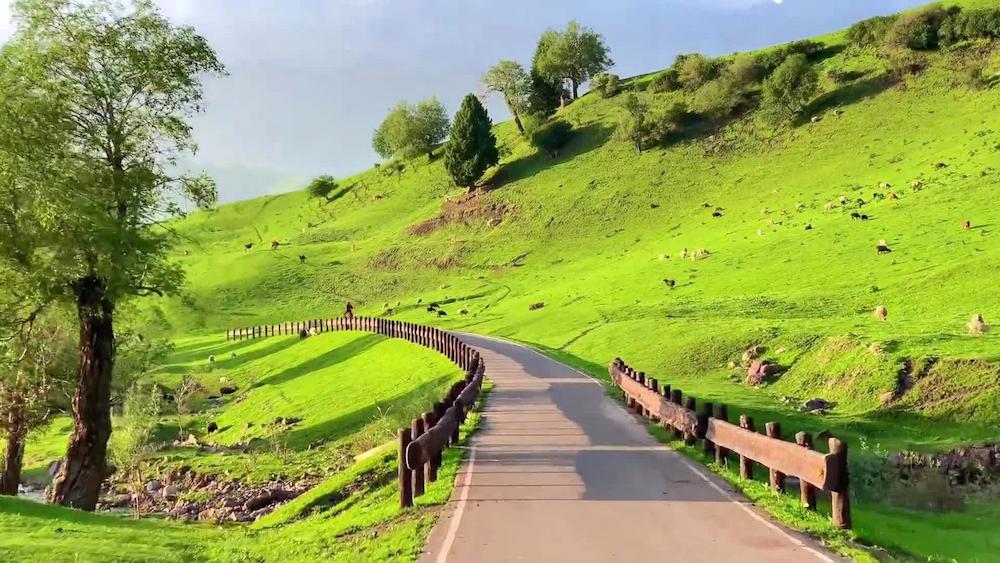
Kashgar was the emotional end of the road. I checked into a courtyard hotel near the Old City for 320 RMB a night, then spent the next morning watching the 10 a.m. gate-opening ceremony where drums and children in embroidered caps fill the alley. From there the route can push south to the Pamir Plateau. The Karakul Lake road climbs past 3,600 meters, and I needed my border permit sorted in Kashgar three days earlier. The lake was frozen at the edges in late September, and the reflection of Muztagh Ata in the still water made the cold worth it. This is the stretch where a good Silk Road Itinerary Xinjiang plan earns its keep.
How to Get There
Most travelers fly into Urumqi Diwopu International Airport (URC). A direct flight from Beijing takes about 4 hours and runs 1,400 to 2,200 RMB depending on season. From Urumqi you have three options.
The fast one is the train to Turpan: the high-speed line covers 150 km in 50 minutes for 51 RMB in second class. The scenic one is to self-drive the G30 expressway, which is what my Xinjiang Self-Driving Guide covers in detail, with toll and fuel breaks mapped stop by stop. The relaxed one is to fly Urumqi to Kashgar (2.5 hours, 900 to 1,500 RMB) and explore the west first, then work backward.
If you start from Xi’an, the ancient eastern capital of the route, the train to Urumqi is an overnight 30-hour ride in a soft sleeper for about 700 RMB, or a 3.5-hour flight for 1,100 to 1,800 RMB. Either way, plan to enter Xinjiang rested, because the driving days are long.
Best Time to Visit
The Silk Road Itinerary Guide corridor crosses three climate zones, so the answer depends on which stretch you mean.
Spring (March to May) is windy. Turpan gets sandstorms that close the Flaming Mountains road for hours, and hotel prices dip to their yearly low. I would not plan the desert leg then.
Summer (June to August) is brutal in the basin. Turpan regularly tops 40°C, sometimes 45°C, and midday walking is unpleasant. But this is also when the Pamir is at its greenest and the Karakul road is fully open. If you go in summer, do the basins at dawn and save the plateau for afternoon.
Autumn (September to October) is the clear winner. Daytime in Turpan drops to a manageable 28°C, the poplar forests along the Tarim turn gold, and the Pamir is still snow-free. My September trip hit every stop in good weather.
Winter (November to February) is quiet and very cold. Kashgar Old City is lovely and empty, but the Pamir road can close on snow and many plateau guesthouses shut.
My recommendation: travel between September 10 and October 20. You get the best light, the fewest closures, and the lowest risk of a sandstorm ruining a driving day. This is the window I build the Xinjiang Visa and Permit Guide permit timelines around, because Pamir border permits are processed fastest in early autumn.
Where to Stay
Budgets on this route are easy to control.
Budget: hostels and basic inns run 120 to 180 RMB a night. In Turpan I stayed at a family-run inn near the bazaar for 150 RMB; in Kuqa a similar room was 130 RMB. These places have hot water and WiFi but thin walls.
Mid-range: three- and four-star hotels cost 280 to 450 RMB. The courtyard hotel in Kashgar Old City was 320 RMB and worth every yuan for the location. Korla and Aksu both have clean business hotels in this band.
Upper: expect 600 to 1,100 RMB for the better Kashgar heritage hotels and the Pamir guesthouses near Karakul. The Karakul lakeside yurts are basic but the view is the point, and they run about 400 RMB with dinner included.
Food
Xinjiang food on this route is meat-forward and cheap. At a typical Uyghur canteen:
Polo (rice with carrot and mutton) costs 25 to 30 RMB. Laghman (hand-pulled noodles with a stir-fried topping) runs 28 to 35 RMB. Samsa, a baked meat pastry from the tandoor, is 5 to 8 RMB each. Mutton skewers (kawap) are 3 to 4 RMB per stick. Naan bread is 3 RMB a piece, and kettle yoghurt with honey is 10 to 15 RMB. A full plate of grilled fish by the Tarim rivers costs about 80 RMB and feeds two.
In Kashgar’s night market I ate a bowl of laghman for 30 RMB and a plate of 12 skewers for 40 RMB, then finished with a 12 RMB rose-tea pudding. Prices rise near scenic gates, so eat in town. A patient silk road itinerary guide balances the ruins with these ordinary meals, because the food is half the memory.
Practical Tips
- Sort your Pamir border permit in Kashgar at least three days ahead. The office is near the Id Kah Mosque and closes at 7 p.m.
- Hire a local driver for the long legs. The G30 and the southern Tarim highway are good, but a driver who knows where the 80 km of roadwork is saves you a half day.
- Carry 1,000 RMB in cash. Small cave sites, stall vendors, and Pamir yurts often have no card reader.
- Watch altitude on the Pamir. Karakul sits at 3,600 meters; climb slowly, drink water, and skip the first night’s alcohol.
- Book Kashgar Old City hotels two weeks early in October. The poplar season fills them.
- Download offline maps. Signal vanishes for long stretches between Aksu and Kashgar.
Sample Itinerary
This Silk Road Itinerary Guide assumes a rental car and 12 days. If you have eight, cut the Hotan leg and fly out of Kashgar. If you have eighteen, add a Dunhuang detour before Urumqi.
Day 1: Fly into Urumqi, pick up the car, overnight in the city (200 RMB inn).
Day 2: Drive to Turpan (150 km, 2 hrs). Jiaohe Ruins, Gaochang Ruins, Flaming Mountains at dusk.
Day 3: Turpan to Korla (280 km). Evening walk by the Peacock River.
Day 4: Korla to Kuqa (260 km). Kizil Caves in the morning, Kuqa Grand Canyon by afternoon.
Day 5: Kuqa to Aksu (250 km). Short old-town walk, rest.
Day 6: Aksu to Kashgar (460 km). Long but straight highway; arrive for the night market.
Day 7: Kashgar Old City full day. Gate ceremony, Id Kah Mosque, handicraft lanes.
Day 8: Kashgar to Karakul Lake (190 km). Overnight at the lakeside yurt, 3,600 m.
Day 9: Karakul back to Kashgar. Permit return, hot shower, rest.
Day 10: Kashgar to Yarkand (Sangzhu Market) to Hotan (290 km).
Day 11: Hotan. Jade market, old town, a taste of the desert highway.
Day 12: Fly Hotan to Urumqi (2 hrs) or drive the Tarim loop back.
FAQ
Q: Do I need a special permit for the Silk Road in Xinjiang?
A: The road itself needs none, but the Pamir Plateau extension past Kashgar requires a border permit. Get it in Kashgar with your passport. The terminus town is covered in my Kashgar Travel Guide, which includes where the office sits and what documents they ask for.
Q: How many days do I really need?
A: A honest minimum is 8 days if you fly both ends. Twelve days lets you drive the whole corridor without rushing. Eighteen lets you add Dunhuang.
Q: Can I self-drive as a foreign visitor?
A: Yes in most of Xinjiang with a valid license and permit, though some border zones require a guide. The self-drive logistics are detailed in my driving guide linked above.
Q: What is the single best season?
A: September 10 to October 20. Best weather, open roads, gold poplars.
Q: Is the route safe for solo travelers?
A: Yes. The corridor is well traveled and the towns are welcoming. Keep cash, tell your hotel your plan, and you will be fine.
Q: Train or car?
A: Train is cheap and fast between Urumqi and Turpan. For the western corridor a car gives you the ruins and the Pamir. My Xinjiang by Train Travel Guide maps the rail option if you want to skip driving.
Disclaimer
Prices, permits, and opening hours on the Silk Road corridor change. Entry fees, fuel costs, and the Pamir border-permit process were accurate as of my September 2023 trip but may differ when you travel. Always confirm with official sources such as the Xinjiang Tourism Bureau and the Kashgar Public Security Bureau before you go, and verify park hours on the day of your visit. Use this Silk Road Itinerary Guide as a planning starting point, not as a guarantee of current conditions.