

Published: 2026-07-23 | Author: Karl Huang
The Best Time for Xinjiang Travel Budget is not a single month. It is a timing strategy. In May 2024 I flew Shanghai Pudong to Urumqi for ¥1,980 round trip. Six weeks later a friend paid ¥3,400 for the same route because school holidays had started. That one booking choice changed her whole trip math before she even landed. If you care about cost, when you go matters almost as much as where you sleep.
After eight seasons of guiding groups across the region, I treat the Xinjiang Travel Budget Xinjiang visitors build each spring as the backbone of every plan I send out. The best time to visit Xinjiang Travel Budget savers target is the shoulder season, when the weather is good but the crowds and the prices have not peaked yet. Most first-timers fix the route first and the dates second. I do the opposite, because the dates set the budget ceiling.
Quick Reference
| Item | Detail |
|---|---|
| Representative base | Urumqi (regional hub for most itineraries) |
| Budget daily cost | ¥350 to ¥500 per person |
| Mid-range daily cost | ¥700 to ¥1,100 per person |
| Upper daily cost | ¥1,500+ per person |
| Cheapest months | April, May, September, October (shoulder) |
| Most expensive | July, August, National Day week (early October) |
| Role | Timing plan to lower total trip cost |
My Experience Timing the Budget
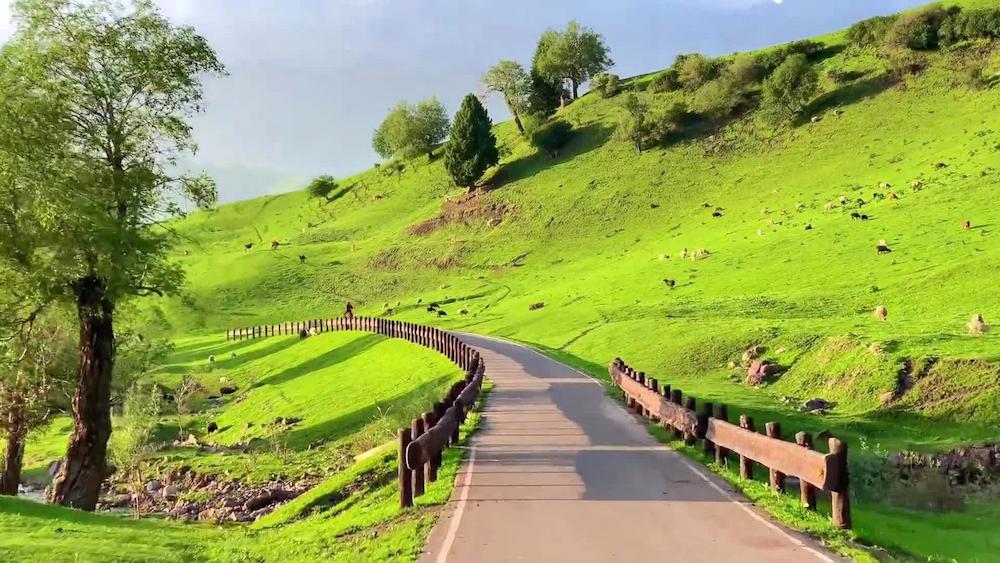
I learned this the hard way in 2019. I booked a July trip to Karajun and Nalati without checking the calendar first. Guesthouses that normally charged ¥280 wanted ¥620. The Duku Highway bus tours were sold out, so I paid ¥900 for a private car I could have shared for ¥300. Food stalls near the grasslands had also raised prices for the peak stream of tour buses. The same loop in late September two years later cost me roughly 40% less, the larches were gold, and I actually got a window seat on the train.
That trip taught me to separate two questions that most people blur together. First, when is the weather good. Second, when is the weather good AND the prices are calm. The overlap is smaller than most travelers expect, and finding it is the real skill behind the Best Time for Xinjiang Travel Budget approach.
How to Get There
Most international and domestic travelers enter through Urumqi Diwopu International Airport (URC). Flights from Beijing run about ¥1,500 to ¥2,200 in shoulder season and ¥2,800 to ¥3,600 in July and August. From Shanghai the swing is even wider, often ¥1,800 shoulder versus ¥3,400 peak. Trains are the budget sleeper favorite: the Z70 Beijing to Urumqi soft sleeper is around ¥680 and saves one night of hotel, while a Xi’an hard sleeper runs ¥330 to ¥430.
If you plan to loop the north and the south, read the Xinjiang Self-Driving Guide before you book, because rental rates also swing with the season and some border areas need extra permits arranged in advance. A car booked in May can cost ¥300 a day; the same SUV in August often runs ¥550.
Best Time to Visit: Picking the Best Time for Xinjiang Travel Budget
Spring, from April to mid-May, is my top pick for value. Flights are cheap, hotels sit at base rate, and the apricot blossoms in Yili draw strong photos without the summer crowds. Temperatures in Urumqi run 12 to 24°C, comfortable for sightseeing, though nights in the mountains still drop near freezing. Some high passes such as Duku open only in June, so spring favors the north and the city circuits.
Summer, June to August, is the trap. The weather is best, so everyone comes. Expect hotels at 1.8x to 2.5x base, packed trains, and sold-out tours. If you must come in summer, book every moving part eight weeks ahead and accept that your daily cost will climb by a third or more.
Autumn, mid-September to October, is the second value window. The Kanas larch turns gold and the light is flat and soft for photography. The catch is National Day week, October 1 to 7, which spikes prices as hard as July. Travel in the two weeks right after National Day and you get autumn color at shoulder prices with empty boardwalks.
Winter, November to March, is cheapest of all. Flights can drop below ¥1,000 from major cities and ski resorts run package deals. The trade-off is cold, closed mountain passes, and some guesthouses shut for the season. If your only goal is low cost and you can handle minus 20°C, winter wins on price every time.
My clear recommendation for the Best Time for Xinjiang Travel Budget is late April to mid-May, or the two weeks right after National Day in October. You get good weather, open roads, and the calmest prices of the year. Skip July, August, and the first week of October unless your dates are fixed.
Where to Stay
Budget options include hostels and basic guesthouses. In Urumqi a bed in a hostel runs ¥80 to ¥150, and a simple hotel room runs ¥200 to ¥320 in shoulder season, rising to ¥450 to ¥650 in summer. Mid-range business hotels like Hanting or Atour cost ¥350 to ¥600 shoulder and ¥700 to ¥1,000 peak. Upper hotels, including international brands near People’s Square, run ¥900 to ¥1,800 depending on the month.
Outside Urumqi the pattern repeats but the base is lower. A clean county guesthouse in Yili or Turpan is ¥180 to ¥300 shoulder and ¥400 to ¥550 peak. Booking tip: the price on the same hotel can differ 30% between a Tuesday in May and a Saturday in July. Always check the specific date, not the listed average rate, and look at the cancellation policy before you pay.
Food
Xinjiang food is cheap and filling, which helps any Xinjiang Travel Budget. A bowl of laghman, hand-pulled noodles with vegetables and meat, costs ¥25 to ¥35. Dapanji, the big-plate chicken with potatoes and wide belt noodles, feeds two for ¥68 to ¥98. Naan bread is ¥3 to ¥5 each. Mutton skewers, kawap, run ¥3 to ¥5 per stick. Samsa, the baked meat pastry, is ¥6 to ¥10. A full local meal for one at a neighborhood spot stays under ¥50, and even a tourist-area restaurant rarely tops ¥120 per person.
Markets beat restaurants for value. The International Grand Bazaar in Urumqi is fun but priced for visitors; the smaller neighborhood bazaars behind it serve the same skewers and naan for half. For more on eating well for less, see the Xinjiang Travel Budget Tips, which covers market meals and where to skip the tourist menus.
Practical Tips
- Book flights 6 to 8 weeks ahead. The cheapest fares disappear first, especially for July and August departures.
- Avoid National Day week. October 1 to 7 is the worst price and crowd spike of the year, worse than summer in some spots.
- Use sleeper trains for long hops. A Beijing to Urumqi soft sleeper saves a hotel night and costs less than a peak flight.
- Travel the two weeks after National Day for autumn color at low prices and near-empty scenic boardwalks.
- Check permit needs early. Some border areas need a Border Travel Permit, and the Xinjiang Visa and Permit Guide explains the timeline so you are not stuck paying for a trip you cannot legally enter.
- Book hotels by exact date, not average rate, because the same room swings 30% by month and even by day of week.
- Carry cash for small county stalls. Many rural noodle shops and skewer stands still do not take foreign cards, and a ¥50 buffer avoids a hungry evening.
Sample Itinerary
A 7-day shoulder-season budget loop, late April, per person:
- Day 1: Arrive Urumqi, hostel ¥150, meals ¥60.
- Day 2: Train to Turpan, Jiaohe ruins and Grape Valley, transport ¥80, stay ¥220.
- Day 3: Turpan to Urumqi, Karez system, local meals ¥70.
- Day 4: Bus to Karajun grassland, entry ¥140, county guesthouse ¥260.
- Day 5: Nalati grassland day trip, transport ¥120, stay ¥280.
- Day 6: Return to Urumqi via Yili, market meals ¥80.
- Day 7: Fly out, flight ¥1,980 at the shoulder rate.
Total land cost is about ¥2,500 plus the flight, well under a summer version that would run ¥4,000 or more for the same route. The saving comes entirely from picking the Best Time for Xinjiang Travel Budget, not from cutting experiences.
FAQ
What is the single cheapest month to visit Xinjiang?
November to March is cheapest for flights and hotels, but cold and some closures make it hard for a first trip. April and the October shoulder weeks are the best low-cost compromise with open roads.
How much should I budget per day?
A budget traveler spends ¥350 to ¥500, mid-range ¥700 to ¥1,100, and upper ¥1,500 plus. These numbers assume shoulder-season rates, not July or National Day peaks.
Do prices really change that much by month?
Yes. I have seen the same Urumqi hotel at ¥280 in May and ¥640 in July, and flights swing even more. Timing is the biggest single lever on your total cost, larger than any住宿 choice.
Is the Xinjiang Travel Budget Guide useful for first-timers?
It is. The Xinjiang Travel Budget Guide breaks down transport, lodging, and food lines so you can build a realistic number before you book anything.
Should I avoid summer entirely?
Not if your dates are fixed by school or work. Just book transport and hotels early, expect higher costs, and plan for crowds at Kanas and Nalati. The trip is still worth it.
Can I mix cheap flights with a pricier hotel?
You can, and many travelers do. The budget is a total, not a rule per line. Spend less on the flight by flying shoulder season, then use the saving on one memorable stay if that matters to you.

Disclaimer
Prices, permits, and train or flight schedules change often. The numbers here reflect my own trips and research from 2019 to 2024 and are examples, not guarantees. Always confirm current costs and entry rules with official sources and your hotel or airline before you pay. Xinjiang Itinerary publishes practical guidance based on real trips, but you are responsible for checking the latest facts.