
Published: 2026-07-23 | Author: Karl Huang
When a reader named Daniel emailed me in March 2024 asking whether he should spend his two-week holiday in Xinjiang or Tibet, I didn’t give him a quick answer. I have guided and documented eight seasons across Xinjiang, from the Kanas forests up north to the Pamir Plateau in the southwest, and I flew down to Lhasa twice to scout the other side. This Xinjiang vs Tibet Guide lays out what I tell friends who face the same choice: the two regions sit next to each other on the map but feel completely different once you land.
Daniel had ten days and a moderate budget. He wanted photos of snow peaks, he wanted good food, and he did not want to spend half his trip on paperwork. My honest reply was that Xinjiang wins on all three for a first western-China trip, while Tibet rewards travelers who can handle altitude and a fixed tour structure. Below I break down the decision the way I would for any friend standing in the same spot.
Quick Reference
| Factor | Xinjiang | Tibet |
|---|---|---|
| Location | Northwest China, bordered by 8 countries | Southwest China, on the Tibetan Plateau |
| Entry fee / permit | Free border permit for Tashkurgan; most areas open | Tibet Travel Permit (about ¥100) plus mandatory guided tour |
| Best time | May to October; Duku Highway open June to early October | May to October; winter is clear but frigid |
| Average elevation | Most valleys 800 to 1,500 m; Pamir up to 4,700 m | Lhasa 3,650 m; plateau averages 4,500 m |
| Typical 7-day cost | ¥3,500 to ¥6,000 self-planned | ¥4,500 to ¥7,500 with agency |
Xinjiang vs Tibet Guide: My Experience on Both Sides
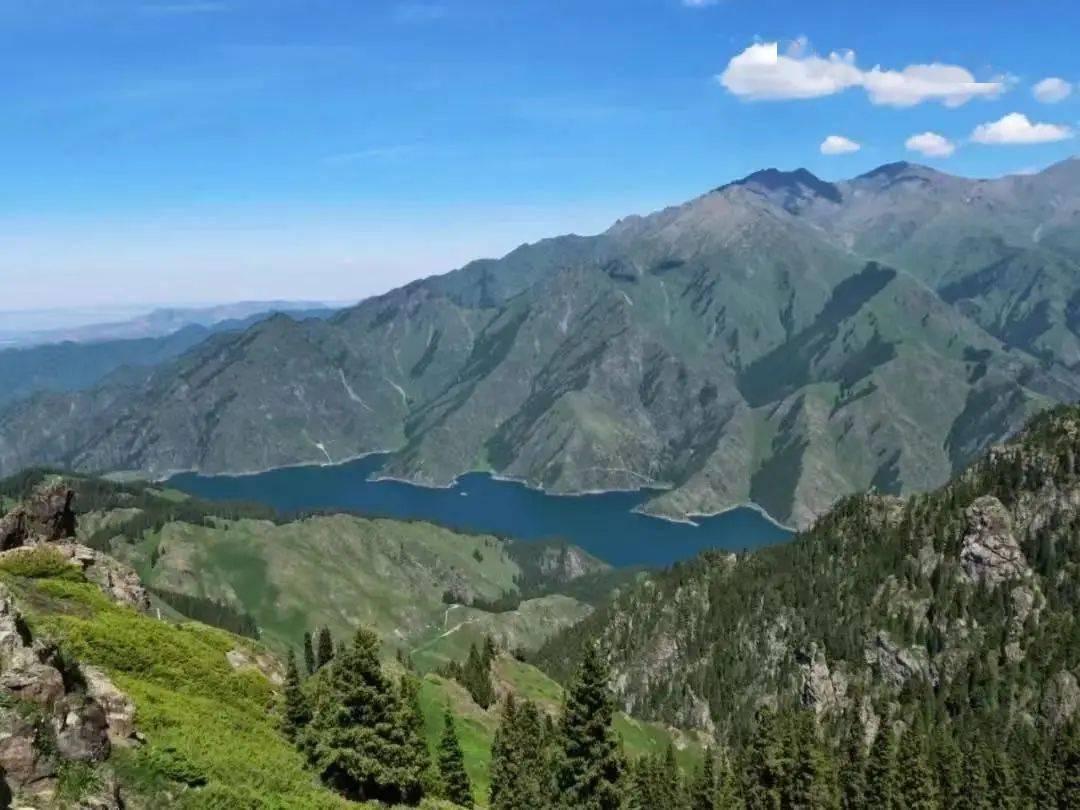
The first time I drove the Duku Highway in June 2023, I started the morning at 800 meters near Dushanzi and ate lunch above 3,000 meters at the Bayinbuluke grassland. That single road shows Xinjiang’s range: desert, canyon, alpine meadow, and a snow wall in one day. Tibet never gives you that variety at drivable speeds because the whole plateau sits high and cold.
I joined a Lhasa-to-Shigatse tour in September 2022 to see the contrast directly. The Potala Palace at sunrise is unforgettable, and the drive past Yamdrok Lake is stunning. But every move needed the agency’s driver and a fixed schedule. In Xinjiang I have pulled over wherever a guest wanted, hired a local Uyghur driver in Kashgar for ¥600 a day, and changed the route at dinner. For travelers who value control, that difference matters more than any scenery score.
Altitude is the part people underestimate. On my Tibet trip I woke up at 3,650 meters with a pounding head for two nights. None of my Xinjiang routes forced that on a guest unless we climbed past the Khunjerab or went deep into the Pamir, and even then we could descend. If anyone in your group has heart or lung issues, the Xinjiang vs Tibet Xinjiang decision leans hard toward Xinjiang.
How to Get There
Both regions have international-capable airports, but the feel of arrival is different. Urumqi Diwopu Airport (URC) has daily direct flights from Beijing, Shanghai, Xi’an, and Chengdu, with one-way domestic fares from ¥700 in shoulder season. From Urumqi you can reach the Xinjiang by Train Travel Guide network that links Turpan, Korla, Kashgar, and Yining with sleepers costing ¥150 to ¥500 depending on distance.
Lhasa Gonggar Airport (LXA) is the main Tibet gateway, with flights from Chengdu, Xi’an, and a few others. The train from Xining to Lhasa is famous but climbs above 5,000 meters, which is a rough introduction for anyone prone to altitude sickness. Most foreign visitors enter Tibet on a pre-booked tour that includes the permit, the driver, and the hotel, so your “how to get there” is really “how to book the package.” In Xinjiang you book pieces yourself, which keeps costs down and lets you slow down.
Best Time to Visit
Spring (April to May) in Xinjiang brings apricot blossoms around Turpan and thin crowds, though nights stay cool. Summer (June to August) is peak season: the Duku Highway opens around June 1, Kanas turns green, and Sayram Lake is calm, but prices rise 30 to 40 percent. Autumn (September to October) is my favorite, with golden poplar forests near Luntai and clear skies on the Pamir; this is when I send most photo clients. Winter (November to March) is harsh in the north but offers empty roads and low hotel rates, with rooms at half price in Urumqi.
Tibet follows a similar calendar but compresses the comfortable window. May through October is safe; outside that, passes close and Lhasa drops below freezing. The Best Time to Visit Xinjiang Guide on our site goes deeper by region if you want month-by-month detail.
My clear recommendation: if your dates are flexible, book Xinjiang in September. You get stable weather, open roads, and the strongest color contrast between desert and mountain. Tibet in September is also good, but the altitude tax on your body is the same year-round.
Where to Stay
Xinjiang gives you the full spread. Budget travelers find clean hostels and guesthouses in Kashgar’s old town for ¥80 to ¥150 a night, often with a rooftop view of the mosque. Mid-range hotels like the Radisson or local four-stars run ¥300 to ¥500 in Urumqi and ¥250 to ¥400 in prefecture capitals. Upper-tier options, including the Shangri-La Urumqi or a yurt camp near Nalati, land at ¥800 to ¥1,500 with breakfast.
Tibet’s ladder is narrower because the agency model bundles lodging. A standard tour puts you in three-star hotels around ¥400 to ¥600 a night, with four-star Lhasa options near ¥900. Homestays outside Lhasa are basic and shared-bathroom, so budget travelers actually have fewer choices than in Xinjiang.
Food
Xinjiang food is a highlight I never skip. A plate of hand-pulled laghman noodles costs ¥18 to ¥25, a full dapanji chicken stew feeds two for ¥68, and fresh naan from a corner tandoor is ¥3 to ¥5. In Kashgar’s night market, a skewer of lamb is ¥3 and a bowl of yogurt with honey is ¥10. A weekend brunch of samsa pastries and milk tea runs about ¥30 per person.
Tibet’s table is simpler and heavier: thenthuk noodle soup ¥25, momos (dumplings) ¥30 for ten, and butter tea by the pot ¥15. Vegetable choice thins above 4,000 meters, so costs creep up if you want greens flown in. For pure eating pleasure, the Xinjiang vs Tibet guide verdict is Xinjiang by a wide margin.
Practical Tips
- Sort permits early. Xinjiang border permits for Tashkurgan are free at the Kashgar PSB and take about 20 minutes with your passport. Tibet’s Travel Permit needs a licensed agency and 7 to 10 days, so start a month out.
- Watch the altitude. Spend two nights in Lhasa or Urumqi before any high drive. In Xinjiang, keep the Pamir segment short and sleep low when you can.
- Carry cash. Small stalls and remote yurts in both regions often refuse cards, though Alipay works in cities. I keep ¥500 in small bills.
- Respect photo rules. Always ask before photographing people at markets or monasteries; in Tibet, indoor temple photography is usually banned.
- Build buffer days. The Xinjiang Self-Driving Guide explains why mountain weather can close the Duku Highway for a day with no warning, so never book a same-day outbound flight.
- Pack for two climates. Even in July, a Pamir evening drops to 8°C while Turpan hits 40°C. Layers beat a single heavy coat.
Sample Itinerary
A balanced 7-day Xinjiang plan that I have run with three different groups:
- Day 1: Arrive Urumqi, visit the Regional Museum, sleep low to adjust.
- Day 2: Train to Turpan, see Jiaohe Ruins and the Grape Valley, overnight Turpan.
- Day 3: Drive the Duku Highway midpoint to Bayinbuluke grassland, stay in a guesthouse.
- Day 4: Continue to Nalati, short Kazakh yurt visit, evening barbecue.
- Day 5: Fly or drive to Kashgar, wander the old city at sunset.
- Day 6: Day trip toward Tashkurgan with border permit, stop at Karakul Lake.
- Day 7: Kashgar Sunday livestock market, fly out from Kashi Airport.
For Tibet, the same seven days would be Lhasa (Potala, Jokhang, Sera Monastery) plus a Shigatse loop, all on the fixed tour clock.
FAQ
Can I visit both Xinjiang and Tibet in one trip?
Yes, but it takes planning. Most travelers fly Urumqi to Chengdu, then train or fly to Lhasa. Budget 14 to 18 days and remember Tibet must be a guided tour while Xinjiang can be self-run.
Which is cheaper?
Xinjiang is usually cheaper for the same comfort level because you book transport and hotels yourself. Tibet adds the permit and mandatory guide fee, pushing a 7-day trip roughly ¥1,000 to ¥1,500 higher.
Is altitude a real risk in Xinjiang?
Only on the Pamir and Khunjerab routes. Most of the region stays below 1,500 meters, so normal travelers feel fine. Tibet keeps you above 3,600 meters the entire time.
Do I need a visa for either?
Both are inside China, so you need a Chinese visa first. Then Xinjiang needs only a free border permit for specific zones, while Tibet needs the separate Travel Permit handled through an agency. See our Xinjiang Visa and Permit Guide for the paperwork order.
Which has better food?
Xinjiang, clearly. The range of noodles, kebabs, and fruits beats Tibet’s butter-tea-and-momo staple, especially for vegetarians who want options.
When should I book?
For Xinjiang, lock flights 6 to 8 weeks ahead for September. For Tibet, confirm the tour 8 weeks out so the permit clears before your flight.
Disclaimer
Prices, permit rules, and road-opening dates in this Xinjiang vs Tibet guide change without notice. Border permit procedures, Tibet Travel Permit fees, and the Duku Highway season have shifted in past years. Always verify current details with official sources: the Xinjiang tourism bureau, the Tibet Tourism Bureau, and your nearest Chinese embassy for visa rules, before you buy tickets. This article shares personal experience and is not legal or medical advice, especially on altitude health.