
Published: 2026-07-23 | Author: Karl Huang
When I planned my first Xinjiang vs Tibet Itinerary, I treated the two regions as one continuous journey. In 2019 I flew into Urumqi, rented a car, and drove the Duku Highway before taking an overnight train to Kashgar. From there I flew to Lhasa and continued to the Everest area. The full loop ran 18 days and cost me roughly 14,800 RMB, not counting flights from my home country. That trip showed me that a Xinjiang vs Tibet itinerary is really two separate journeys joined by paperwork, altitude, and a long flight.
Quick Reference
Use this table to see the main differences at a glance before you build your own route.
| Region | Main hub / location | Fees (approx.) | Best time | Elevation / role |
|---|---|---|---|---|
| Xinjiang | Urumqi, Kashgar, Ili | Kanas 230 RMB; Duku free; border permit free | June to October | 500 to 2,500 m; northern Silk Road |
| Tibet | Lhasa, Shigatse, Everest area | Potala 200 RMB; Ali pass 700 RMB; Tibet permit about 100 RMB | May to October | 3,600 to 5,200 m; southern plateau |
Xinjiang vs Tibet Itinerary: How the Two Halves Felt
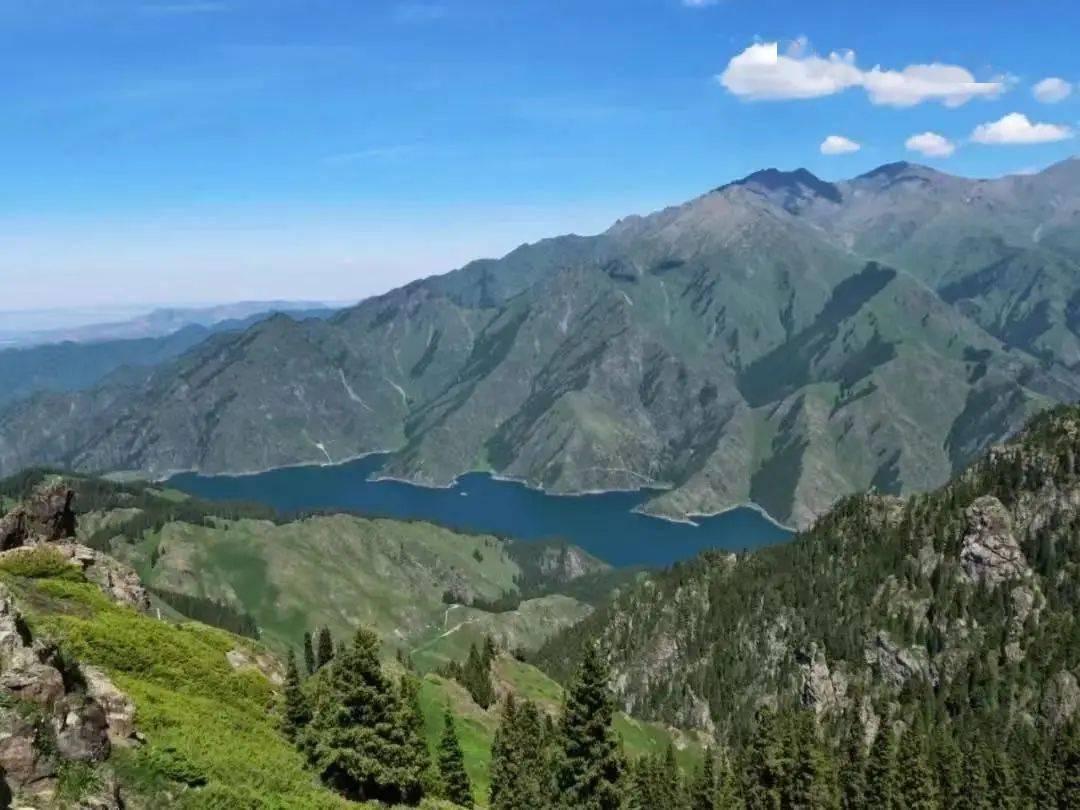
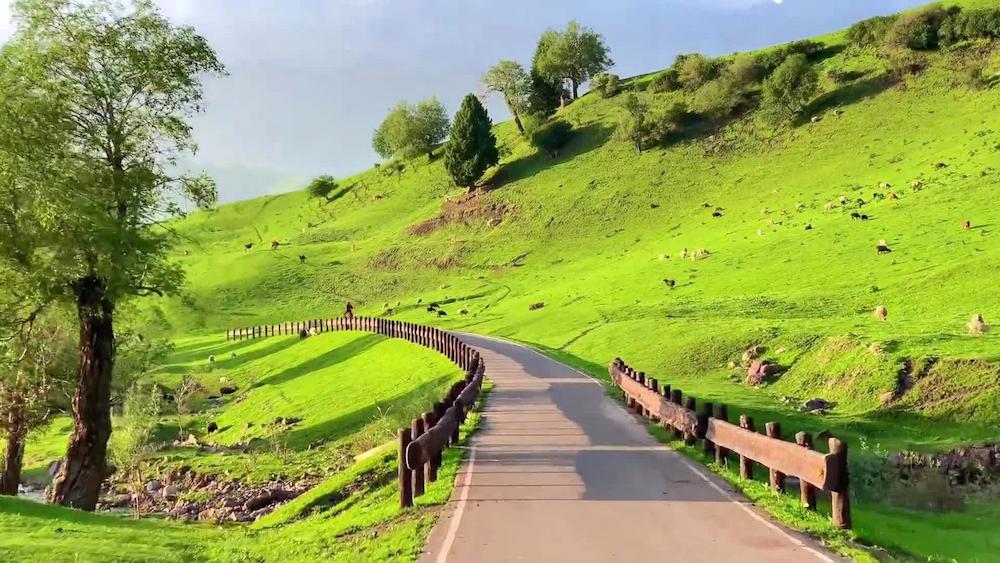
I started in Xinjiang because the landscape is easier on the body. The drive from Urumqi to Karamay took me past the Ghost City, then the Duku Highway climbed into grassland at 2,000 meters. I spent three nights near Kanas Lake and paid 230 RMB for the park entry. Food was cheap: a big hand-pulled noodle bowl cost 18 RMB, and a mutton skewer plate ran 35 RMB.
The Tibet half was a different test. After landing in Lhasa at 3,650 meters, I lost my appetite for the first two days. Climbing the stairs to the Potala Palace left me short of breath. I paid 200 RMB for the palace ticket and another 100 RMB for the Tibet Travel Permit handled through my agency. My Xinjiang vs Tibet guide from earlier research had warned me about the altitude gap, but feeling it was another matter.
A Xinjiang vs Tibet Xinjiang trip needs two separate permit steps, one for each region. Xinjiang asks for a border travel permit only if you go to Tashkurgan or Khunjerab. Tibet requires the TTB permit plus a PSB pass for the Everest and Ali routes. I handled both from my home country through one agency, which saved me a week of waiting.
On the road, Xinjiang gave me long open highways and night markets. Tibet gave me quiet monasteries and the world’s highest railway sections. Both rewarded slow travel, but only one demanded that I check my oxygen level every morning.
In Kashgar I hired a local driver for two days at 400 RMB, which opened the old city and the Sunday livestock market that I would have missed on foot. The market alone was worth the cost: herds of sheep, stacks of naan, and vendors who remembered my face the next morning. Those small Xinjiang moments balanced the harder Tibet days, where every step above 4,000 meters came with a reminder to breathe slowly. If I ran the trip again, I would add one rest day in Kashgar and one more in Lhasa, because the two long travel days between regions are the part I remember as tired.
How to Get There
Most travelers reach Xinjiang through Urumqi Diwopu Airport, which has direct flights from Beijing, Shanghai, Guangzhou, and Chengdu. I flew Chengdu to Urumqi for 1,450 RMB in June. Inside Xinjiang, the train network is solid: the Urumqi to Kashgar line takes about 24 hours on the fast sleeper.
For Tibet, the common entry is Lhasa Gonggar Airport or the train from Xining. The Qinghai Tibet railway is the famous option, but you must already hold the Tibet permit before you board. I flew Kashgar to Lhasa through Chengdu with a connection, paying 2,300 RMB. If you want to self-drive, read my Xinjiang Self-Driving Guide before you rent, because the Duku Highway closes from November to May.
Best Time to Visit
Xinjiang and Tibet share a similar warm window, but the details differ by region.
Spring (April to May). Xinjiang’s south warms first; apricot blossoms appear around Turpan. Tibet is still cold, and many passes stay snowed in.
Summer (June to August). This is the safe choice for both. Xinjiang’s grasslands turn green, and the Duku Highway opens. Tibet is warm by day but busy with domestic tourists. I paid more for hotels in July, about 120 RMB extra per night in Lhasa.
Autumn (September to October). My favorite. The poplar forests near Kashgar turn gold, and Tibet’s skies are clear with thin crowds. Roads are open, and prices ease after the National Day week.
Winter (November to March). Skip it for a combined trip. The Duku Highway closes, and Tibet’s passes can be blocked. Only consider winter if you live in China and want cheap ski days near Urumqi.
My clear recommendation: plan the Xinjiang vs Tibet itinerary for mid September. You get open roads, gold forests, and thin crowds in both regions. Check the Xinjiang Visa and Permit Guide early, because autumn is also when agencies get busy with permit requests.
Where to Stay
Budget. In Xinjiang I used hostels and local inns in Kashgar’s old town for 90 to 130 RMB a night. In Lhasa, a basic guesthouse near the Barkhor ran 110 RMB.
Mid range. A standard three-star in Urumqi cost me 260 RMB, and a clean hotel in Shigatse was 240 RMB. These gave me heating, which matters at altitude.
Upper. For a treat, I booked a lake view room near Kanas for 680 RMB and a heritage style hotel in Lhasa for 720 RMB. Worth it for two nights, not the whole trip.
Food
Xinjiang food is meat and noodle heavy. Try:
- Big plate chicken (dapanji): 58 RMB for a shared plate, best with wide noodles.
- Hand pulled noodles (laghman): 18 to 25 RMB per bowl.
- Mutton skewers: 3 to 5 RMB each at night markets.
- Samsa baked buns: 6 RMB each near the Id Kah Mosque.
Tibet food is simpler and dairy based. Try butter tea (5 RMB), tsampa roasted barley (12 RMB), and yak meat hot pot (88 RMB for two). I found Tibetan meals lighter, which helped at altitude. In Lhasa I ate at the small restaurants around the Barkhor, where a bowl of thenthuk noodle soup ran 20 RMB and filled me up after a cold walk. Vegetarians do fine in both regions if they point to the noodle and vegetable dishes.
Practical Tips
- Get the Tibet permit first. You cannot board the train or fly into Lhasa for tourism without it.
- Spend two nights in Lhasa before going higher. My headache cleared by day three.
- Carry cash. Small Xinjiang towns and Tibet monasteries often have no card machine.
- Book the Duku Highway section for June to October only. It is closed the rest of the year.
- Pack layers. Xinjiang swings 20 degrees between day and night, and Tibet nights drop below zero even in summer.
- Keep your passport on you. Both regions run ID checks at fuel stops and hotels.
- Book hotels in Lhasa and Kashgar two months ahead for September. Autumn rooms sell out, and walk-in prices can double.
Sample Itinerary
This Xinjiang vs Tibet itinerary is the 18-day route I ran, trimmed to the parts worth keeping.
- Day 1 to 3: Arrive Urumqi, see the Grand Bazaar, drive to Karamay Ghost City.
- Day 4 to 6: Duku Highway to Nalati and Bayinbuluke grasslands.
- Day 7 to 9: Kanas Lake, stay near the water, hike the forest trail.
- Day 10 to 11: Train to Kashgar, walk the old city, get border permit if going south.
- Day 12: Fly Kashgar to Lhasa via Chengdu.
- Day 13 to 14: Rest in Lhasa, visit Potala and Jokhang.
- Day 15 to 16: Drive to Shigatse and the Everest base camp area.
- Day 17 to 18: Return to Lhasa, fly out.
If you want a shorter version, the North Xinjiang Itinerary Guide covers the Xinjiang half in 10 days, and you can add Tibet as a second trip. Either way, build your Xinjiang Itinerary around the permit dates, not the other way around.
FAQ
Can I cross from Xinjiang to Tibet by road?
Yes, the southern Xinjiang route through Tashkurgan connects toward Tibet, but you need both the Xinjiang border permit and the Tibet permit, plus a licensed driver for the Tibet side. Most foreign visitors fly the Kashgar to Lhasa leg.
Which is cheaper, Xinjiang or Tibet?
Xinjiang is cheaper for food and local transport. Tibet adds permit fees and limited flight options, which push the daily cost up by about 150 to 250 RMB.
How many days do I need?
Plan at least 16 to 18 days for both. Less than that means skipping either the Xinjiang north or the Tibet Everest route.
Is altitude a real problem?
For many people, yes. Lhasa sits at 3,650 meters. Spend two nights there before climbing higher, and talk to a doctor if you have heart or lung issues.
Do I need a guide in Tibet?
Independent tourism outside Lhasa is not allowed for foreign visitors. You must join a licensed tour with a driver for the Everest and Ali routes.
Disclaimer
Prices, permit rules, and road opening dates change often. The fees and timelines above reflect my 2019 and 2023 trips and may be out of date. Always confirm the latest rules with the official Xinjiang and Tibet tourism offices or a licensed agency before you book. This article shares personal experience and is not official travel advice.