

Published: 2026-07-30 | Author: Karl Huang
During Ramadan in 2024 I spent nineteen days moving between Urumqi, Kashgar, and Hotan, and that trip is the backbone of this Xinjiang Ramadan and Halal Guide. I wanted to learn how the holy month changes daily life, what a visitor can actually eat, and how to show respect without getting in the way. On my first night in Kashgar I stood outside the Id Kah Mosque at 9:42 pm, waiting for the cannon that ends the fast, then watched the square fill with families breaking their day over dates and hot naan.
Most of what I had read online was either too cautious (“don’t travel during Ramadan”) or too vague (“just respect local customs”). Neither helped me book a hotel or order dinner. This article is the opposite. It is built from things I paid for, places I sat, and questions I asked real shopkeepers. If you are building a Xinjiang travel guide plan around the month, the details below should save you the fumbling I went through.
Quick Reference
| Item | Detail |
|---|---|
| Location | All of Xinjiang, with the strongest atmosphere in Kashgar, Hotan, and Yining |
| Fee | Free to observe; an iftar street meal runs 25–60 yuan, restaurant dinner 60–140 yuan |
| Best time | Ramadan follows the lunar calendar; in 2024 it ran March 11 to April 9. Visit during the month for atmosphere, or just after for full daytime service |
| Role | Cultural and religious travel planning: food access, etiquette, and where to stay |
What the Month Actually Feels Like
I arrived in Urumqi on a Tuesday and the change was quieter than I expected. Daytime streets were calm. Many restaurants that normally opened at 11:00 am kept their shutters down until 5:00 or 6:00 pm. The big international hotels and the Han-run noodle shops near Hongshan Plaza served food all day without issue, but the small Uyghur diners I wanted to try were closed until sunset.
That first afternoon taught me the single most useful rule: ask the cook, not the map. I walked into a corner laghman shop at 4:15 pm, saw the lights off, and was about to leave when the owner waved me to a back table and handed me a bowl of hand-pulled noodles for 22 yuan. He was not eating, but he was happy to feed a traveler. That kind of quiet hospitality showed up again and again.
Kashgar was different in scale. The old city does not sleep during Ramadan; it shifts. By 8:30 pm the alleys behind the Id Kah Mosque were lined with carts selling samosa, grilled corn, and fresh-squeezed pomegranate juice at 8 yuan a cup. The fast breaks at the moment the call to prayer ends, and within minutes the whole neighborhood is eating. I paid 45 yuan for a full iftar spread at a family-run cellar restaurant on Raodong Lane: dates, polo (rice with carrot and lamb), and a bowl of shorpa soup.
How to Get There
Urumqi is the natural entry point. I flew in from Chengdu on Sichuan Airlines for 1,340 yuan, but the train is the calmer option if you have time. The D-series high-speed train from Lanzhou reaches Urumqi in about 11 hours. From Urumqi to Kashgar I took the overnight T-series sleeper, leaving at 9:56 pm and arriving 23 hours later, lower bunk 458 yuan. It is slow, but you see the desert change color.
Within southern Xinjiang, the regional flights save days. Kashgar to Hotan is a 50-minute hop on Tianjin Airlines for roughly 390 yuan, while the same drive is six hours of straight road. For the Xinjiang Festivals Guide crowd chasing the real atmosphere, I suggest basing in Kashgar for at least four nights and doing Hotan as a side trip rather than rushing both.
Best Time to Visit: Timing the Xinjiang Ramadan and Halal Guide Month
Ramadan moves about eleven days earlier each year because it follows the lunar calendar. In 2023 it fell in March and April, in 2024 the same window, and by 2025 it will start in late February. There is no fixed Gregorian date, so check the official lunar announcement for the year you travel. For the best time to visit Xinjiang Ramadan and halal planning, the rule is simple: the lunar calendar shifts the month earlier by eleven days annually, so never trust a fixed Gregorian date from a previous year.
Spring (March to May) is when Ramadan usually lands. Days are mild, with Urumqi hovering around 12–20°C and Kashgar a little warmer. That makes walking the old city comfortable, though the long daytime fast means you should plan outdoor sightseeing for the morning and keep the evening free for iftar.
Summer Ramadan is rare but happened in the early 2010s; if it ever returns, the heat in Turpan and Hotan (often above 38°C) makes a daytime fast intense, and you will want air-conditioned hotels and indoor plans.
Autumn and winter are outside Ramadan but offer the fullest restaurant service and the lowest prices. If your main goal is food rather than atmosphere, travel just after the month ends: the cooks are rested and every kitchen is open.
My clear recommendation: go during Ramadan if you want the cultural high point, and book KashgarOld City accommodation early because domestic travelers fill it. Go the week after Eid al-Fitr if you want open kitchens and thinner crowds. Either way, build your Xinjiang travel guide route around the evening meal, not the midday one.
Where to Stay
Budget: In Kashgar I stayed at the Old City Youth Hostel, a converted courtyard house two minutes from the mosque, at 90 yuan a night for a private single. The shared roof terrace was where I met most of my iftar companions. In Urumqi, ordinary business hotels near the south railway station run 160–220 yuan and serve breakfast boxes even during the fast.
Mid-range: The Kashgar Renascence Hotel cost me 420 yuan a night and put me inside the old city walls, so I could step out at 9:30 pm and be at the food stalls in three minutes. In Hotan, a clean three-star near the jade market was 360 yuan, with a restaurant that opened at 6:00 pm for guests.
Upper: Urumqi’s international chain hotels (Hilton, Marriott) run 700–1,100 yuan and keep their restaurants and room service open through the day, which matters if you travel with someone who is not fasting. They also stock alcohol-free minibars during the month, which avoids awkward moments.
Food
Halal here means no pork and no alcohol in the kitchen, and meat is slaughtered by the Islamic method. That covers almost every Uyghur, Kazakh, Hui, and Kyrgyz restaurant in the region. Han-run places may serve pork, so I learned to read the sign: a blue Arabic script board or the characters “清真” (halal) means you are safe.
My standard order was polo, a lamb-and-carrot rice that cost 28–38 yuan and filled me for the evening. Samsa (baked meat pastry) ran 6–10 yuan each from the tandoor. At the Xinjiang Halal Food Itinerary spots I mapped earlier, a full mutton leg with naan for two came to about 130 yuan in Hotan’s night market.
For travelers who do not eat meat at all, the Xinjiang Vegetarian Travel Guide covers the gaps, but during Ramadan the素食 options shrink because most festive dishes center on lamb. I found reliable vegetarian plates at the Han noodle houses and at hotel buffets, where cold tofu and stir-fried greens were always available.
One price note: during iftar the street food is cheap and honest, but restaurant sets aimed at tourists can double after 9:00 pm. I never paid more than 140 yuan for a sit-down dinner, and you should not either.
Practical Tips
- Do not eat, drink, or smoke in public during daylight hours out of respect, even though as a non-Muslim you are not required to fast. Step inside your hotel or a closed restaurant if you must.
- Carry small bills. The best food is from carts that often cannot break a 100 yuan note, and tipping is not expected.
- Ask before photographing people breaking the fast. Most families in Kashgar old city smiled and waved me in, but a few declined, and that is fine.
- Book Kashgar and Hotan lodging two weeks ahead; the week of Eid fills fast and prices climb 30–50%.
- Learn two phrases: “Ramadan Kareem” as a greeting, and “Eytilik” (Uyghur for thank you) when you leave a table.
- Keep a power bank. You will be out past midnight photographing the square, and phone shops close early during the fast.
Sample Itinerary
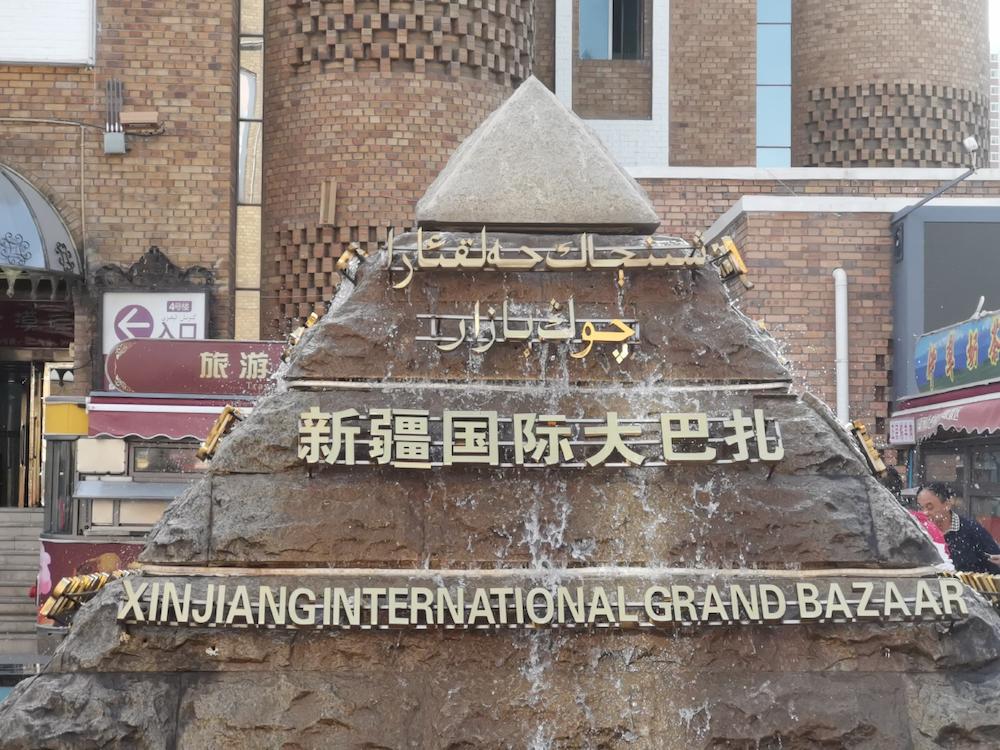
Day 1: Fly into Urumqi, rest, walk the International Grand Bazaar after 7:00 pm for open grills.
Day 2: Morning train south; arrive Kashgar evening, head straight to Id Kah square for iftar at 9:45 pm.
Day 3: Old city alleys by day, polo lunch at 6:30 pm, then the liveliest iftar of the trip.
Day 4: Day trip to Karakul Lake, packed halal lunch from the hotel.
Day 5: Fly to Hotan, jade market by morning, night market for mutton leg at 9:00 pm.
Day 6: Slow morning, fly out of Kashgar or Urumqi with a box of dried apricots.
FAQ
Can non-Muslims eat during the day?
Yes, but do it discreetly. Hotels and some Han restaurants stay open. Eating in public view during daylight is seen as disrespectful, so I stepped inside.
Is alcohol available during Ramadan?
Most Muslim-run restaurants stop serving it, and some hotels switch to alcohol-free minibars. International hotels in Urumqi may still pour for guests in closed bars.
Will attractions be open?
Major sites like the Id Kah Mosque and the old city stay open and actually get more active after sunset. Government museums keep normal hours.
What should I wear?
Modest clothing helps. I kept shoulders and knees covered in the old city, especially near the mosque, and that smoothed every interaction.
Is it safe to travel then?
I felt safe throughout. The month brings a calmer street rhythm, not risk. Standard city precautions are enough.
How do I know the exact dates?
Ramadan is set by lunar sighting and shifts yearly. Check the official announcement for your travel year rather than trusting a fixed calendar date.
Disclaimer
Prices, train times, hotel rates, and restaurant hours in this article reflect what I personally paid or observed in 2024 and are given as a planning range, not a guarantee. Ramadan dates follow the lunar calendar and shift about eleven days earlier each year, and local rules on opening hours can change without notice. Always confirm current schedules, permit needs, and venue status with official sources and your accommodation before you travel. This is practical travel writing based on one person’s trips, not religious instruction.