

Published: 2026-07-29 | Author: Karl Huang
When I started building this Xinjiang Festivals Guide, I had already spent six springs in the region chasing the same question travelers keep asking me: when do the good celebrations actually happen? The answer is not a single date. Xinjiang runs on several calendars at once. The Uyghur, Kazakh, Kyrgyz and Tajik communities each mark their own new year, harvest and religious festivals, and the Han schedule adds a few modern events on top. This guide pulls those threads together from my own notebooks kept in Kashgar, Tashkurgan, Turpan and the Altay winter.
My clearest memory is Corban morning in Kashgar Old City, 28 June 2023. I paid 60 yuan for a taxi from the airport and watched families file into the Id Kah Mosque before sunrise. Later that day a whole lamb at a roadside feast ran about 1,200 yuan and fed twelve of us. Numbers like that matter when you plan, so I have kept them in the sections below alongside the dates that actually held true on my trips.
Quick Reference
| Festival | Location | Best Time | Typical Cost | Role / Theme |
|---|---|---|---|---|
| Nowruz (Navruz) | Yining, Tashkurgan, Urumqi | 21 March | Free to attend | Persian New Year, spring renewal |
| Corban (Kurban Heyt) | Kashgar, Hotan | Lunar, ~70 days after Eid al-Fitr | Free; feast shares cost | Eid al-Adha, communal sacrifice |
| Turpan Grape Festival | Turpan Grape Valley | 23–25 August | Valley entry ~45 yuan | Harvest, music, grape tasting |
| Altay Winter Eagle Hunt | Hemu, Burqin | January–February | Guide ~400 yuan/day | Kazakh falconry demonstration |
| Xinjiang Ice & Snow Festival | Urumqi, Altay resorts | December–February | Ski pass ~280 yuan | Winter sports and lantern shows |
| Hotan Jade Festival | Hotan | Autumn, dates vary | Market entry free | Jade trade and carving demos |
My First Nowruz in the Pamirs
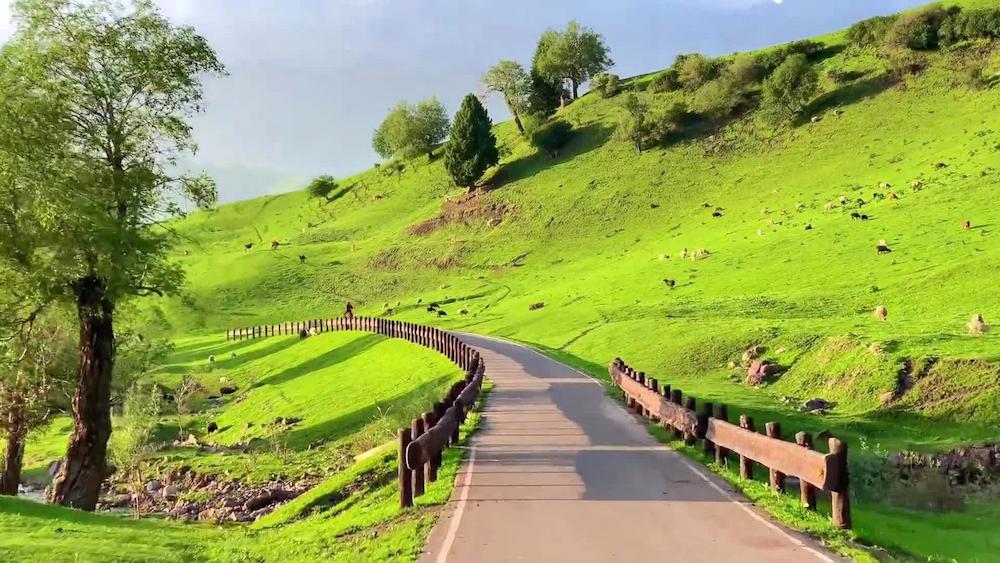
I reached Tashkurgan on 20 March 2022 after a nine-hour drive from Kashgar, the last stretch climbing past Karakul Lake where the wind cut through every layer I owned. The town was already busy. For Nowruz, Tajik families clean their homes, cook samanu (a sweet wheat sprout pudding), and gather at dawn to jump over small bonfires meant to burn away the old year. I joined a family near the Stone City ruins and was handed a bowl of the pudding at 7 a.m. The smoke stung my eyes, but the warmth of being included was the point.
What surprised me was the music. A pair of surnay (reed pipes) and a dap (frame drum) started up in the market square by nine, and within minutes a circle of men were doing the eagle dance, arms spread to mimic the raptor the Tajiks revere. Nobody charged admission. Stalls sold fried dough and hot milk tea for 5 yuan a cup. I spent 40 yuan total that day and left with a better feel for the region than any museum gave me.
The lesson I took north was that festivals here are lived, not performed for cameras. In Yining a week later the same Nowruz carried a different flavor: Kazakh horse games on the grasslands outside town, and a public meal of naan and butter tea laid out on long tables. The throughline was food and fire. If you remember nothing else, remember those two.
How to Get There
Most festival routes start from Urumqi, the regional hub with the main international airport. Domestic flights from Beijing run about 4 hours and cost 1,400–2,200 yuan depending on season. From Urumqi you have three practical directions.
To Kashgar for Corban, fly direct (2 hours, ~900 yuan) or take the overnight train (about 24 hours, hard sleeper 450 yuan). The train is slower but you arrive rested and central. To Turpan for the Grape Festival, the high-speed rail from Urumqi takes 1 hour and costs 51 yuan; I have done this run four times and it is the easiest upgrade in the region.
For the Altay winter events, fly Urumqi to Altay (1.5 hours, ~700 yuan) then drive 3 hours to Hemu. Roads close without warning after heavy snow, so build a buffer day. Tashkurgan requires the border permit issued in Kashgar; apply at the public security bureau there with your passport and allow one working day. I learned that the hard way in 2022 and lost a morning.
If you are chasing snow and ice celebrations, our Xinjiang winter travel guide explains the Altay season and road conditions in more detail than I can fit here.
Best Time to Visit: A Xinjiang Festivals Guide Calendar
Spring (March to May) opens with Nowruz and stays busy through Uyghur Rozi Heyt at the end of Ramadan. Temperatures in the south sit at a pleasant 12–22°C. This is my favorite window: crowds are thin and the light on the Pamirs is clean.
Summer (June to August) brings Corban in most years and the Turpan Grape Festival in late August. It is hot, often 38°C in the Turpan basin, but the night markets compensate. Book accommodation a month ahead because domestic tourists flood in during July and August school holidays.
Autumn (September to October) is quieter for festivals but better for the jade and harvest events in the south, and the weather is stable across the whole region. Winter (December to February) is the specialist season: eagle hunting in the Altay and ice festivals around Urumqi. Expect –20°C or colder up north, and pack accordingly.
My clear recommendation is Nowruz in March if you want culture without the crush, or the Grape Festival if you want heat, music and fruit. If you only have one trip, aim for late August and you can catch both the tail of summer grazing games and the grape celebrations in one swing.
Where to Stay
Budget travelers do well with guesthouses inside the old towns. In Kashgar I paid 180–260 yuan a night for a clean double with shared bath during the low season, rising to 320 yuan at Corban. In Tashkurgan a basic hotel near the bazaar ran 220 yuan, and the heating worked, which is what counts in March.
Mid-range picks include the chain hotels around Urumqi’s Renmin Square (380–520 yuan) and the Silk Road themed properties in Turpan (420 yuan). These give reliable hot water and a decent breakfast buffet, which saved me more than once after a cold festival morning.
Upper-end options are limited outside Urumqi but real. The luxury block by Hongshan Park in Urumqi charges 900–1,400 yuan and was worth it when I needed to work and recharge between trips. In Kashgar the restored courtyard hotels inside the old city start around 700 yuan and put you steps from the action at Corban.
Food
Festival food is the main event, so eat standing up and follow the locals. Polo (Uyghur pilaf of rice, carrot and lamb) costs 25–35 yuan a plate in Kashgar and feeds one person generously. Laghman noodles with tomato and pepper sauce run 28 yuan. A samsa (meat pastry baked in a tandoor) is 6–8 yuan each, and you will eat three.
At the Turpan Grape Festival the seedless white grapes sold for 8 yuan per kilo straight off the trellis, and the dried versions at the market were 30–50 yuan a bag. Mutton kebabs in any night market are 5 yuan a stick; figure on six per person. Hot nan bread is 3 yuan and keeps for two days in a daypack.
For a deeper look at regional dishes and where to find them, browse our Xinjiang travel guide archives. The food section there covers the Halal etiquette that matters during religious festivals, which I only sketch here.
Practical Tips
- Confirm the lunar dates before you book. Corban and Rozi Heyt shift by about 11 days each year, so a date that worked in 2023 will not hold in 2026.
- Reserve rooms a month early for Corban, the Grape Festival and any winter event. Small towns sell out and prices double.
- Dress in layers and pack real cold weather gear for anything north of Urumqi between November and March. The eagle hunt happens at –25°C.
- Carry cash. Village stalls and even some guesthouses in Tashkurgan and Hemu do not take foreign cards or sometimes any card at all.
- Ask before photographing people, especially during prayers or family meals. A smile and a raised phone usually gets a yes or a clear no.
- Learn five phrases: hello (yakhshi musiz), thank you (rahmet), how much (qancha), delicious (temlik), and excuse me (kechürüng). They opened more doors for me than my camera did.
Sample Itinerary
This is a 7-day plan built around the Grape Festival, the easiest big event to time.
Day 1: Fly into Urumqi, rest, stock cash and snacks. Day 2: High-speed rail to Turpan (1 hour), check into a courtyard hotel. Day 3: Turpan Grape Festival opening, Grape Valley tasting, evening market. Day 4: Jiaohe ruins in the cool morning, then the Karez water system tour. Day 5: Train back to Urumqi, visit the Regional Museum to frame the culture. Day 6: Drive the Duku Highway shoulder season if open, or explore the International Grand Bazaar. Day 7: Fly out, or extend north toward the Altay if you are chasing winter.
If your target is Nowruz instead, swap Turpan for Tashkurgan and add the Karakul Lake stop on the drive in. The bones of the plan stay the same.
FAQ
Do I need a permit for the festivals in Tashkurgan?
Yes. The border permit is issued in Kashgar with your passport and takes one working day. Apply the moment you arrive so it does not block your drive south.
Are the festivals free to attend?
The public celebrations, mosque gatherings and bazaar events cost nothing. You pay for food, transport and accommodation. Paid sites like the Grape Valley charge their normal entry, about 45 yuan, though some events include it.
Will language be a problem?
In Urumqi andTurpan you will get by with Mandarin and translation apps. In village festivals, phrases carry you. English is rare outside the big hotels, so the five words above earn their weight.
Is it safe to travel during Corban?
The crowds are large but the atmosphere is family oriented. Keep your phone and wallet front-pocketed in the old city presses, and you will be fine. I have walked Kashgar at Corban three times without incident.
Can I photograph the religious parts?
Not during prayers inside the mosque. Outside, among the bonfires and markets, people are glad to be filmed once you ask. When in doubt, lower the camera and point at the food instead.
Disclaimer
Prices, festival dates and permit rules in this Xinjiang Festivals Guide reflect what I paid and saw on specific trips between 2022 and 2024. Xinjiang adjusts event schedules, park fees and border regulations without much notice, and the lunar holidays move every year. Treat the numbers above as planning ranges, not guarantees. Before you travel, confirm current dates with the local tourism bureau and check the latest entry rules for Tashkurgan and other border areas through official sources.