

Published: 2026-07-27 | Author: Karl Huang
When people ask me the best month to see Xinjiang, I usually answer with a question back. It depends what you want. But if you pressed me for one honest pick for first-timers, Xinjiang in July is hard to beat. I learned this the hard way during a two-week loop in July 2023, when I drove from Urumqi to Kanas and back, logging 2,140 km and spending about ¥6,800 all in. The days ran long, the light stayed soft until almost 10 p.m., and the grasslands looked like they had been watered by the sky itself.
Quick Reference
| Spot | Location | Entry Fee (2025) | Best Time in July | Elevation |
|---|---|---|---|---|
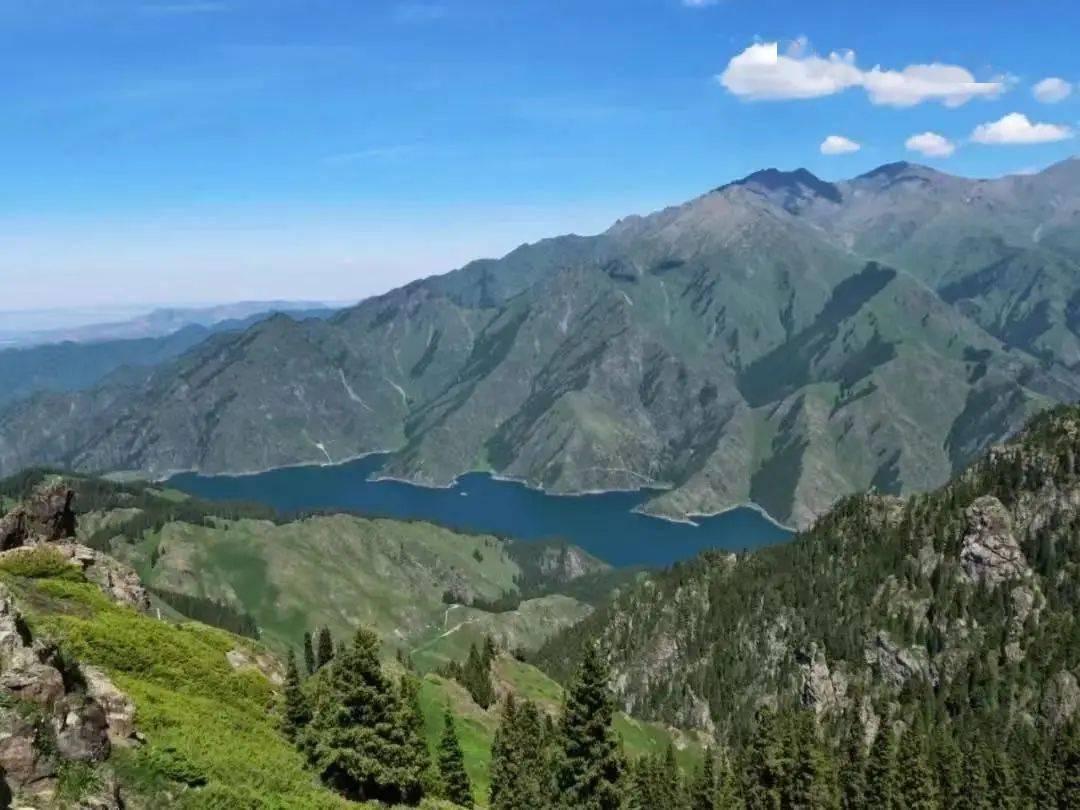
| Kanas Lake | Altay, far north | ¥215 (shuttle + boat) | Early July, before peak crowds | 1,370 m |
| Nalati Grassland | Ili Valley, west | ¥95 + ¥100 shuttle | Mid to late July, full green | 1,800–2,200 m |
| Sayram Lake | Bortala, west | ¥70 + ¥45 shuttle | All July, wildflowers peak | 2,070 m |
| Turpan (Flaming Mt) | East Xinjiang | ¥40 Flaming Mt, ¥60 Grape Valley | Early morning only | −154 m |
| Urumqi (base) | Center | Free old city walk | Evenings after 8 p.m. | 800 m |
What Xinjiang in July Actually Feels Like
I flew into Urumqi on July 9 and found the air dry and warm, around 29°C at noon. The real surprise was the light. Sunset in Urumqi that week was at 21:40, and you could still read a book outside at 9 p.m. On July 12 I took the 9:20 morning train from Urumqi to Yining, a six-hour ride that cost ¥154 in a second-class seat. From the window I watched the land turn from desert brown to the deep green of the Ili Valley.
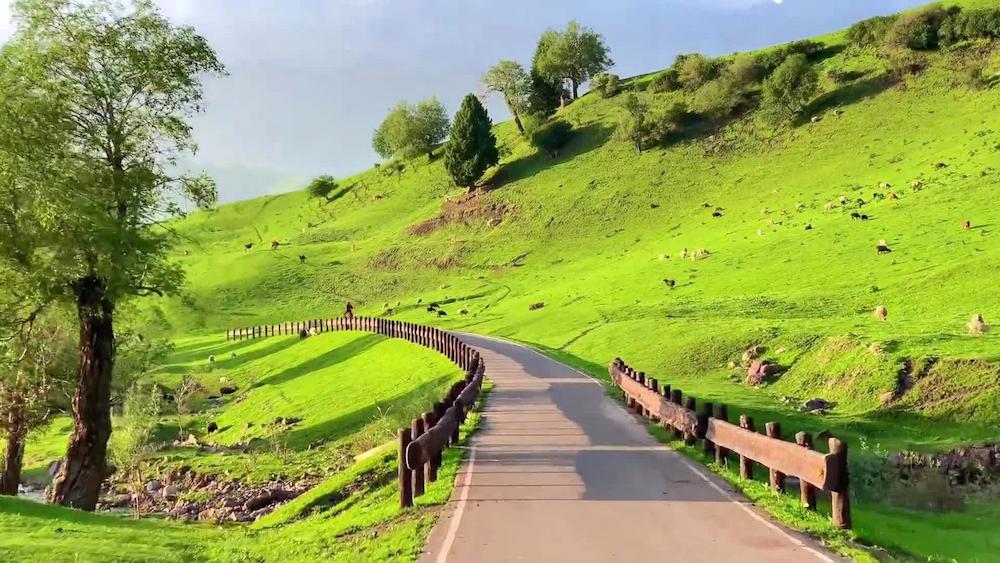
The grasslands are the headline act in July. At Nalati on July 14 I paid ¥95 for the gate and another ¥100 for the shuttle up to the aerial meadow. A local herder named Ahemaiiti offered me a bowl of milk tea for ¥10, and we talked while his sheep moved across a slope that looked endless. That is the version of Xinjiang most photos fail to capture: not a postcard, but a working landscape full of sound and smell.
Down in Turpan the story flips. On July 16 the thermometer at the Flaming Mountains reading board showed 43°C at 2 p.m. I lasted twenty minutes outside, then hid in the Grape Valley’s shaded walkways where it dropped to a bearable 34°C. If you go east in July, you go early or you go indoors.
How to Get There
Most travelers land at Urumqi Diwopu International Airport (URC). From there the region opens up three ways.
From Beijing. A direct flight to Urumqi runs about 4 hours and costs ¥1,400–2,200 in summer. The overnight Z179 train takes roughly 33 hours and a hard sleeper is ¥520.
From Shanghai or Guangzhou. Flights connect through Xi’an or Chengdu and run 6–7 hours with one stop, ¥1,800–2,600. Book at least three weeks ahead; July seats sell out.
From Kashgar or the south. The Urumqi–Kashgar flight is 2 hours (¥900–1,400). The train is slower but scenic, about 24 hours on the T380.
Planning Xinjiang in July means booking transport early, since summer trains fill fast. Once inside the region I rented a car through a Urumqi agency for ¥420 a day including insurance, which let me reach spots the buses skip. For route ideas I keep a plain Xinjiang travel guide note of licensed rental desks and the documents you need.
Best Time to Visit
The phrase best time to visit Xinjiang gets asked year round, and July is a strong answer for most regions. Here is the season breakdown.
Spring (April–May). Apricot and peach blossoms in the Tarim Basin, but mountain passes can still be closed by snow. Good for low-desert trips, weak for the north.
Summer (June–August). This is peak season. Grasslands are green, lakes are full, and mountain roads like the Duku Highway are open. Crowds and prices rise. For a best time to visit xinjiang in july plan, I recommend the first three weeks of the month before the August school-holiday surge.
Autumn (September–October). Many locals call this the true best month. Kanas turns gold, the heat is gone, and prices ease after August. If you hate crowds, come in late September.
Winter (November–March). Harsh in the north, calm and cheap. Silk Road Ski Resort near Urumqi opens, and the frozen Sayram Lake draws photographers. Most grassland sites close.
My clear recommendation: if your only window is summer, XINJIANG IN JULY beats August for crowd control, and the first half of the month beats the second.
Where to Stay
Budget. Hostels and guesthouses in Urumqi and Kashgar old city run ¥80–140 a night. In Burqin near Kanas, a basic homestay was ¥160 when I stayed on July 11, though the host warned prices double on weekends.
Mid-range. Clean business hotels like Jinjiang or local chains cost ¥260–420. I stayed at a mid hotel in Yining for ¥320 and got a good breakfast with fresh melon.
Upper. Lake-view lodges at Kanas and Hemu run ¥900–1,800 and book out weeks ahead in July. Worth it only if you want sunrise over the water without a 40-minute shuttle ride.
Weekend rates across Xinjiang in July climb fast, so I lock rooms on weekdays whenever the loop allows it.
Food
Eating across Xinjiang in July is built around what is fresh. At the Xinjiang Food Tour Guide I maintain, I map the markets by city, but here are the staples I ate on this trip.
Laghman (hand-pulled noodles). ¥18–28 a bowl. In Tekes I paid ¥22 for a plate piled with peppers and beef.
Big plate chicken (da pan ji). ¥68–98 for two, with handmade belt noodles added at the end. The version in Urumqi’s Erdaoqiao area was the best of the trip.
Whole lamb skewers (yangrou chuan). ¥3–5 each at night markets. A filling street dinner in Kashgar cost me ¥45 with naan and a soda.
Forest chicken with mushrooms. A dish near Kanas, ¥88 for a small pot shared between two.
Seasonal fruit. July brings Hami melon and early grapes. A whole melon at a roadside stall was ¥6. Wash it yourself; tap water outside the cities is not for raw eating.
Practical Tips
- Carry a light jacket even in July. At 2,000 m the temperature drops 12°C after dark, and the Kanas morning I visited started at 9°C.
- Book lodging and the Kanas shuttle ticket online before you arrive. The park caps daily entries and July sells out by mid-morning.
- Hydrate hard. The air is dry and you lose water without feeling sweaty. I drank close to 3 liters a day on the grassland loop.
- Start eastern desert drives before 8 a.m. Turpan at noon is not a place to linger, and shade is scarce.
- Keep your passport handy. Police checks are routine at fuel stations and some gates. A Xinjiang Packing List Guide I wrote covers the full document set.
- Pay with Alipay or WeChat, but carry ¥300 cash. Remote herder stalls and small canyon lots often take only paper money.
Sample Itinerary
A 10-day loop I have run across Xinjiang in July twice.
Day 1. Fly into Urumqi, walk the International Grand Bazaar in the evening, sleep Urumqi.
Day 2. Drive the Duku Highway south (open in July), overnight in Bayinbuluke.
Day 3. Sunrise at the Swan Lake, then on to Korla.
Day 4. Fly or drive to Yining; evening stroll on the Six Star Street.
Day 5. Nalati Grassland full day, stay in the valley.
Day 6. Sayram Lake at first light, then across to Bortala.
Day 7. Fly Yining to Urumqi, overnight train north to Altay (or a short flight).
Day 8. Burqin to Kanas, afternoon lakeside walk.
Day 9. Hemu Village sunrise, drive back toward Urumqi.
Day 10. Buffer day for delays, fly home from Urumqi.
FAQ
Is Xinjiang in July too crowded? The marquee spots (Kanas, Nalati) are busy, yes. But the region is enormous. Drive 40 km off the main loop and you will have a meadow to yourself. Go early in the month and on weekdays to dodge the worst.
How hot does it get? Turpan can pass 43°C in July. The mountains and grasslands stay 18–26°C. Pack for both, because you will likely do both in one trip.
Do I need a special permit? The region itself needs no tourist permit for most visitors, but border zones like Tashkurgan require a separate travel permit. The Xinjiang Visa and Permit Guide walks through the paperwork, including the documents foreign travelers must carry.
What should I wear? Layers. A t-shirt at noon, a fleece at the Kanas dock at 7 a.m. Sunglasses and a brimmed hat are not optional; the UV at altitude is fierce.
Is it safe for foreign visitors? Millions of domestic and international tourists travel Xinjiang each year. Routine security checks are part of the experience, not a sign of danger. Keep documents ready and plans flexible.
Disclaimer
Prices, park fees, shuttle schedules, and permit rules change without notice. The figures above reflect what I paid or was quoted in 2023–2025 and are shared as planning ranges, not guarantees. Always confirm current costs and entry rules with the official park offices or Xinjiang Itinerary pages and official government sources before you travel.