

Published: 2026-07-27 | Author: Karl Huang
I flew into Ürümqi on a Tuesday in mid-February 2024, stepping off the plane into minus eighteen Celsius. That trip taught me what Xinjiang in February really means for a traveler: silence on the highways, a hard crust of ice on Sayram Lake, and ski lifts at Silk Road Resort with almost no queue. If you build a winter plan around these weeks, you trade mild weather for low prices and open space. A good Xinjiang travel guide will tell you the sights, but only the cold months show you the region this empty.
Quick Reference
| Item | Detail (February) |
|---|---|
| Region | Xinjiang Uyghur Autonomous Region, northwest China |
| Typical entry fee | Off-season discounts: Heavenly Lake 60 RMB (vs 95 peak), Kanas 100 RMB (vs 230), many grassland sites closed or free |
| Best window | Feb 1 to Feb 20 for ice festivals and reliable snow; after Feb 20 lower valleys start to thaw |
| Climate note | Ürümqi avg high -8°C, low -16°C; altitudes range 800 m (Ürümqi) to 3,000 m+ (mountain passes) |
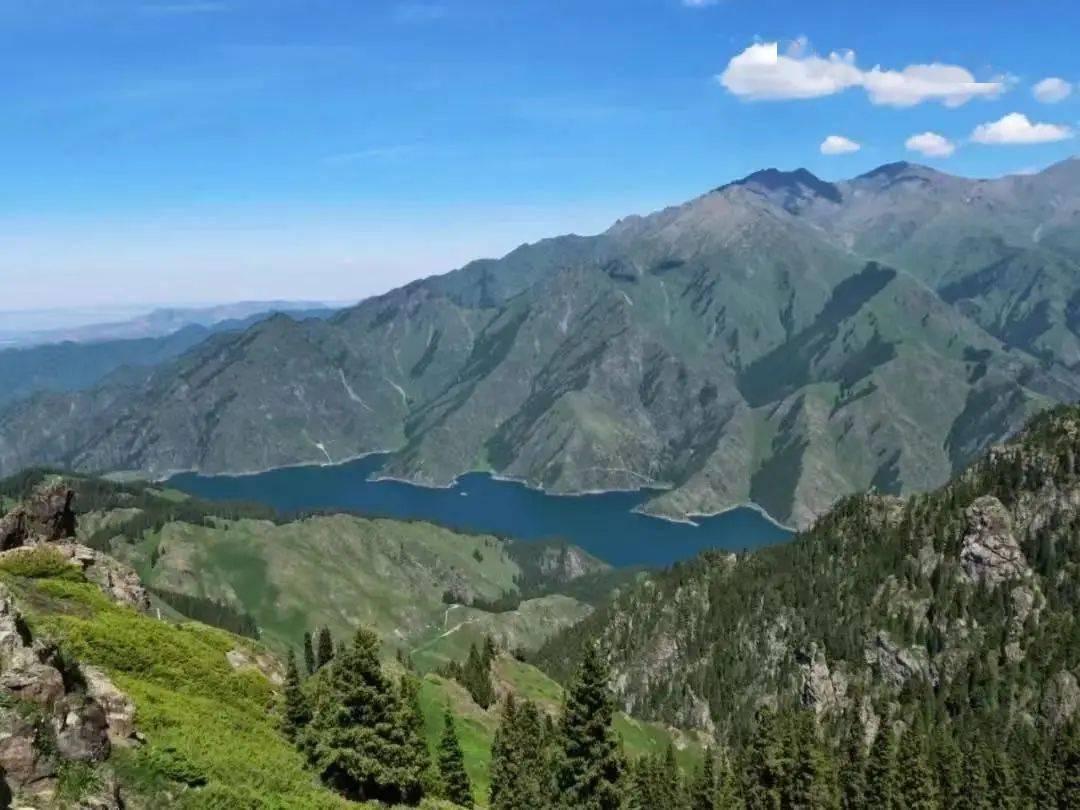
By late afternoon the light had gone flat and blue. I had paid 60 RMB to enter Heavenly Lake and found the wooden walkways roped off under snow. A caretaker told me the cable car still ran twice an hour. That small detail saved the day, and it is the kind of thing you only learn by showing up in person.
I also learned that February daylight is short. The sun was down by 18:30, which meant I ate dinner early and used the middle of the day for the outdoor stops. A traveler who ignores the clock loses the best light at Sayram and Kanas, and the shuttle buses stop running not long after the light fades.
What Xinjiang in February Felt Like on the Ground
My first full day started at the International Grand Bazaar in Ürümqi. Most stalls were open, but the streets at 9 a.m. were nearly mine alone. I bought a bowl of laghman noodles for 18 RMB and watched steam rise into the frozen air. That quiet is the real product of Xinjiang Winter Travel Guide trips: you move at the pace of the weather, not the crowds.
Two days later I took a coach north toward Burqin, the gateway to Kanas. The road was clear but the fields on both sides were solid white. At a roadside stop a family sold smoked horse sausage and hot milk tea for 10 RMB a cup. I noted the price in my phone because winter vendor costs swing hard with the season. Kanas itself was closed to private cars, but the frozen river and the snow-loaded spruce were worth the shuttle bus alone.
The single best moment came at Sayram Lake. In summer it is ringed by tour buses. In February the ring road was a sheet of wind-polished ice, and a handful of photographers stood at the southern shore shooting the blue hour. I paid nothing to walk the frozen edge. That is the trade-off of this month: fewer services, but access to a landscape that is shut for most of the year.
How to Get There
Most international travelers reach Xinjiang by flying into Ürümqi Diwopu International Airport (URC). In February the airport ran normally, with winter de-icing adding about 30 minutes to morning departures. Direct flights from Beijing cost me 1,480 RMB one way when I booked three weeks out; the same seat in July ran closer to 2,600 RMB.
From Ürümqi you have three realistic options. The train is the calmest: the overnight D-series to Yining or the slower line toward Kashgar both ran on schedule, and a hard-sleeper berth to Kashgar costs around 360 RMB. I covered the rail math in the Xinjiang by Train Travel Guide if you want the full timetable. Buses fill the gaps to smaller county towns but run less often in snow. A private driver is the most flexible choice for Kanas and the Hemu road, though expect 600 to 900 RMB per day including winter tires.
Best Time to Visit: Is Xinjiang in February the Right Call?
February sits deep in winter, so the answer depends on what you want. Spring (April to May) opens the grasslands and warms the cities, but the high passes can still close from late snow. Summer (June to August) is the safe, busy season: every road is open, every hotel full, and prices at their peak. Autumn (September to early October) is the famous window for Kanas, with gold larches and cold nights.
Winter, and February specifically, is for skiers, photographers, and travelers who dislike crowds. You will lose the green valleys and most flowering routes. You gain empty roads, ice festivals, and the lowest room rates of the year. My clear recommendation: choose Xinjiang in February only if you accept cold as part of the trip. If you want warm hiking, book September instead. When travelers compare the best time to visit xinjiang in february with January, I point to the slightly longer days and the start of the local ice-festival season around the middle of the month.
Where to Stay
Budget travelers can do well in February. A clean hostel bed in Ürümqi ran 80 to 120 RMB a night during my stay, roughly half the July rate. Mid-range hotels like the Jinjiang or local brands sat at 260 to 380 RMB for a double, and I negotiated the upper end down by 40 RMB just by asking at the front desk in person.
For upper-end stays, the luxury towers near People’s Square charged 700 to 1,100 RMB, again well below their summer floor. In Kanas county the wooden guesthouses were mostly shut, but Burqin had heated motels from 150 RMB. Book the mountain towns two days ahead; some close midweek when guest counts drop.
Food
Winter is a strong season for eating in Xinjiang. The cold makes the grilled meats and soups land harder. On my trip the prices held steady:
- Hand-pulled laghman noodles with beef: 18 to 28 RMB
- Big-plate chicken (dapanji) for two, with the belt-noodle add-on: 68 to 88 RMB
- Roasted lamb skewers (chuanr): 5 to 8 RMB each at a street stall
- Hot naan from a corner oven: 3 to 5 RMB
- Sachet of dried apricots or raisins from the bazaar: 15 to 25 RMB per 500 g
I ate most dinners at small Uyghur canteens a block off the main road. The same plate costs more at the bazaar front, so walk two streets back. Milk tea with salt kept me warm on the Burqin coach and cost 10 RMB a cup from a roadside thermos.
Practical Tips
- Pack a true winter rating. My -20°C down jacket was right at the edge; add liner gloves and a face mask for the wind at Sayram Lake.
- Carry cash in small bills. Some mountain vendors and shuttle desks do not take foreign cards, and a few off-grid stalls had no signal for phone pay.
- Check road status each morning. The Duku Highway stays closed all winter, and passes toward Hemu can shut after fresh snow.
- Book trains and the Kanas shuttle ahead. Capacity is lower in the off-season, and the last bus leaves before dark.
- Drink water and move slowly on the first day. The dry cold and 800 to 1,500 m jumps caught me off guard more than the temperature did.
For a deeper packing list built for these temperatures, see the Xinjiang Packing List Guide before you fly.
Sample Itinerary
This is the route I actually walked, trimmed to a clean 7-day winter plan:
- Day 1: Arrive Ürümqi, settle in, afternoon at the International Grand Bazaar. Overnight Ürümqi.
- Day 2: Morning coach or train to Heavenly Lake, cable car and lakeside walk. Return to Ürümqi.
- Day 3: Fly or drive north to Burqin (about 7 hours by road). Overnight Burqin.
- Day 4: Shuttle to Kanas, frozen river and spruce forest. Late return to Burqin.
- Day 5: Day trip toward Hemu village if the pass is open; otherwise explore Burqin’s river ice. Overnight Burqin.
- Day 6: Travel to Yining or back to Ürümqi by train. Overnight train or city hotel.
- Day 7: Sayram Lake half-day if roads allow, then fly out from Ürümqi.
FAQ
Is Xinjiang in February safe for foreign travelers?
The region is calm and tourist services run year-round. Carry your passport, keep your visa and permit papers ready, and register at hotels as required. Most checks are routine.
Will the major sights be open?
Heavenly Lake, Sayram Lake, and the bazaars stay open. Kanas limits private cars but runs shuttle buses. High alpine roads like Duku are closed until spring.
How cold does it get, really?
Ürümqi sits around -8°C by day and -16°C at night. Mountain passes and lake shores can hit -25°C with wind. Dress for the lower number, not the forecast high.
Do I need a border permit in February?
Only if you plan to reach Khunjerab Pass or the Pamir border zones. The standard northern winter loop does not require one. Confirm before any south-bound plan.
Is it worth visiting if I hate the cold?
Probably not. The value of February is the snow, the ice, and the quiet. If cold weather sours your trip, aim for September instead.
Disclaimer
Prices, train times, entry fees, and road openings listed above reflect my February 2024 trip and standard off-season patterns. They change from year to year with weather, policy, and exchange rates. Always confirm current costs, permit rules, and transport schedules with official sources and your hotel before you travel. Nothing here is a guaranteed quote.