

Published: 2026-07-27 | Author: Karl Huang
I still think about the morning I left Burqin in early October 2023, when the first frost had turned the birch groves outside town the colour of old gold. That drive became my first real Xinjiang Autumn Itinerary, and eight seasons of leading trips later I keep sending people down the same basic loop. Autumn is the one window when the northern forests, the high grasslands and the desert roads all look their best at once, before the snow closes the passes. This guide lays out the route I drive, the money it actually costs, and the dates that matter.
Quick Reference
| Item | Detail |
|---|---|
| Region covered | North Xinjiang: Urumqi – Burqin – Kanas – Hemu – Koktokay – Duku Highway – return |
| Total distance | Roughly 2,400 km by road |
| Kanas entrance fee | 185 yuan (about 26 USD), plus 100 yuan for the shuttle bus inside the reserve |
| Best travel window | Mid-September to early October |
| Typical trip length | 10 to 14 days |
| Role of this route | The classic north-loop autumn circuit, balancing forests, grasslands and canyon roads |
The Trip I Actually Drove
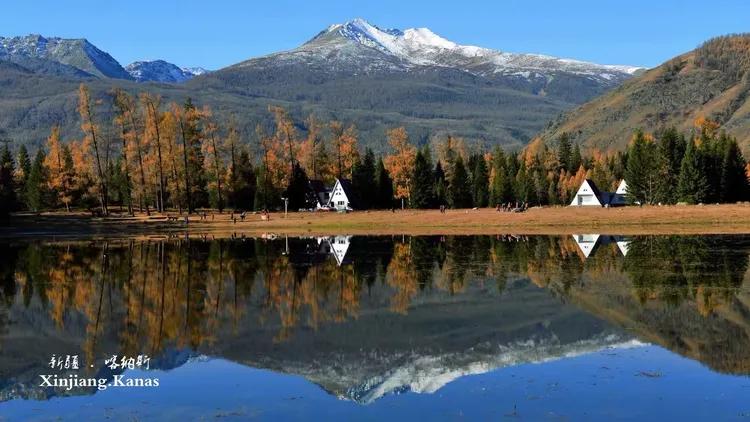
Most of what I know about this route comes from a 12-day loop I ran in a rented Chevrolet Cruze, booked through a Urumqi agency for 480 yuan a day including the driver’s basic insurance. We left Urumqi on a Tuesday, reached Burqin by evening, and spent the next morning at the Xinjiang Autumn Kanas guide territory around the lake. The water was a flat steel blue and the cabin roofs of the Tuva villages had already been stacked with winter firewood.
What caught me off guard was how fast the colour moves. In Hemu the birches were at peak on October 3, but by the time we reached Koktokay a week later the leaves had already dropped and the poplars stood bare against the granite. I learned to read the elevation: every 300 metres of climb bought me about three days of delay in the autumn. That single habit of watching the gauge on the dashboard is the reason I now tell people to start high and finish low, or they miss the show.
One night in Hemu we paid 260 yuan for a heated timber guesthouse room, ate a plate of lamb ribs for 68 yuan, and watched the stars come out over the river valley with no light pollution at all. Those small, ordinary moments are the part of the trip people write home about. The big viewpoints are fine, but the quiet evenings are what sell the loop.
How to Get There
Most travellers begin in Urumqi, the regional capital and the main flight hub. From Beijing a one-way economy ticket runs 1,500 to 2,400 yuan depending on season; from Shanghai budget on 1,800 to 2,800 yuan; from Xi’an you can often find 900 to 1,400 yuan. The train is slower but scenic: the Shanghai–Urumqi sleeper takes about 40 hours and a hard berth costs around 600 yuan.
From Urumqi airport to the city centre, the metro line runs every six minutes and costs 7 yuan. To reach the north-loop trailhead at Burqin, you either rent a car (the practical choice for this route) or take a long-distance coach from the Nianzigou bus station for roughly 130 yuan and nine hours. I do not recommend the coach if you want to stop for photos, because it will not wait.
If you would rather not drive, a private driver for the full loop costs about 1,200 to 1,600 yuan per day including fuel, and that price covers the border-region paperwork for the Karamay and Altai stretches. Book this at least two weeks ahead in peak autumn, because the good drivers are gone by mid-September.
Best Time to Visit: Plan Your Xinjiang Autumn Itinerary
Timing is the whole game on a best time to visit Xinjiang autumn itinerary. A Xinjiang Autumn Itinerary lives or dies by this window, so here is how the season breaks down.
Early September brings cool nights and green-gold mixing in the grasslands, but the forests are not yet at peak. Crowds are light and hotel prices sit at their seasonal low. Late September to October 5 is the sweet spot: birches and poplars turn together, skies stay clear, and the Duku Highway is usually still open. After October 8 the high passes start closing, and by mid-October snow can shut Koktokay for the year.
My clear recommendation is to arrive between September 25 and October 4. That ten-day band gives you the best odds of catching Kanas, Hemu and the Duku Highway all in colour on the same trip. If you can only take one week, cut the loop to Urumqi–Burqin–Kanas–Hemu and skip the longer eastern swing.
Where to Stay
Budget travellers will find hostel dorms and simple timber rooms in Burqin and Hemu from 120 to 200 yuan a night. These are basic, often shared-bathroom places, but they are warm and clean in autumn. Mid-range hotels in Urumqi and Karamay run 350 to 550 yuan and include breakfast and reliable heating. For an upper stay, the lake-view lodges inside the Kanas reserve charge 900 to 1,400 yuan, and the money buys you a window onto the water at first light without a shuttle ride.
Book the in-reserve lodging the moment your flight is confirmed. On a Xinjiang Autumn Itinerary the rooms inside Kanas sell out first, because everyone is chasing the same ten-day colour window. By late September the good ones are gone for two weeks straight, and the only walk-up options are the overpriced cabins at the far end of the valley.
Food
Autumn is also the best eating season, because the melons, grapes and walnuts are all fresh off the trees. In Burqin a bowl of cold-water fish soup from the river costs about 38 yuan, and the local spicy crayfish plate runs 88 yuan for two. In Urumqi the International Grand Bazaar food street sells samsa (baked meat pastry) for 6 yuan each and a full lamb skewer plate for 45 yuan.
Do not skip the breakfast laghman, the hand-pulled noodle soup, at a roadside stop near Koktokay: 22 yuan and enough fuel for a cold morning. In Hemu the guesthouses serve homemade milk tea and fried bread for around 15 yuan, and that simple meal by the wood stove is worth more than any restaurant in the city. When people ask me to trim a Xinjiang Autumn Itinerary to a single week, I tell them to keep the lamb skewers and drop the long eastern drive.
Practical Tips
- Start your loop in the high north (Kanas, Hemu) and move south and east as the month goes on, so you keep chasing the colour instead of losing it. This single rule holds every Xinjiang Autumn Itinerary together.
- Pack a real winter layer. At 1,300 metres above sea level the dawn temperature in early October drops to minus 4 Celsius, even when Urumqi is still mild.
- Carry cash in 50-yuan notes. The small village stalls and the reserve shuttles do not always take mobile payment, and the nearest ATM can be 90 km away.
- Download offline maps before you leave Urumqi. Signal disappears for long stretches on the Duku Highway and around Koktokay.
- Buy your Kanas ticket online the night before. The on-site queue at peak can run 90 minutes in the morning cold.
- Check the Duku Highway status daily. It closes without notice for snow, and a closed pass forces a six-hour detour back through Korla.
Sample Itinerary: A 12-Day Xinjiang Autumn Itinerary
This is the 12-day version I most often recommend for a Xinjiang Autumn Itinerary, built around the autumn window and the colour timeline I described above.
Day 1 – Fly into Urumqi, pick up the car, rest and shop for snacks.
Day 2 – Drive to Burqin (560 km), dinner at the riverside food street.
Day 3 – Burqin to Kanas Lake, afternoon walk to the viewing platform.
Day 4 – Full day in Kanas, morning boat ride and the Moon Bay hike.
Day 5 – Transfer to Hemu village, stay in a timber guesthouse.
Day 6 – Sunrise over Hemu, then drive toward Koktokay.
Day 7 – Koktokay granite canyon and the poplar groves.
Day 8 – Long drive south to Karamay, Ghost City at dusk.
Day 9 – Karamay onto the Duku Highway, climb through the switchbacks.
Day 10 – Duku Highway to Bayinbuluke, the grassland and the nine bends.
Day 11 – Return toward Urumqi via the Tianchi lake stop.
Day 12 – Buffer day in Urumqi for flight delays or snow.
If twelve days is too long, the 14-day Xinjiang itinerary guide shows how to bolt on the south-desert loop, and a tight 8-day cut keeps only Urumqi, Kanas and Hemu. Either way, the bones of a Xinjiang Autumn Itinerary stay the same: north forests first, then the canyon road south.
FAQ
Is the Duku Highway open in autumn?
Usually yes until early to mid-October, but it closes for snow without warning. Always check the morning status with your driver or the local traffic broadcast before setting off.
Do I need a special permit for this loop?
The standard north loop does not need a border permit. If you extend south toward Tashkurgan or Khunjerab, you will need the border travel permit, which takes about three working days to issue in Kashgar.
How cold does it get at night?
In Kanas and Hemu, dawn in early October commonly sits between minus 2 and minus 6 Celsius. The guesthouses heat well, but pack a proper down jacket for the sunrise walks.
Can I do this without driving?
Yes. A private driver costs more but removes the permit and navigation stress, and it lets you photograph the passes from the passenger seat. The Xinjiang self-driving guide covers the rental rules if you prefer your own wheel.
What should my daily budget be?
A mid-range solo traveller spends about 700 to 1,000 yuan a day including car, room, food and tickets. Two people sharing a car and room drop that to roughly 500 to 700 yuan each.
Disclaimer
Prices, entrance fees, road openings and permit rules change from year to year and can shift without notice, especially after heavy snow or holiday periods. The figures above reflect what I paid or quoted in 2023 and 2024 and are shared as planning estimates only, not guarantees. Always confirm current costs, the Duku Highway status and border-permit requirements with the official Xinjiang tourism channels or your registered travel agency before you book. Travel conditions in remote areas can change quickly, so build a buffer day into every plan.