

Published: 2026-07-28 | Author: Karl Huang
The first time I ran a Xinjiang 15-Day Itinerary was in the autumn of 2019. I flew into Urumqi on a Tuesday night, paid 20 yuan for the airport shuttle, and checked into a small hotel near Hongshan Park for 280 yuan a night. The plan was a quick northern loop, but by day six I was on a bus heading south toward Kashgar. I have rerun and refined this route every season since, and it remains the best single trip I know for seeing both halves of the region without rushing either one.
Quick Reference
| Stop | Entry Fee (yuan) | Best Time | Elevation / Role |
|---|---|---|---|
| Urumqi | Museum free; Tianchi 215 | Year-round | 800 m, gateway city |
| Turpan | Jiaohe 35; Grape Valley 60 | April to October | -154 m, hottest basin |
| Kuqa (Duku south) | Kuqa Canyon 40; Duku free | June to September | 1,100 m, red canyons |
| Kashgar + Pamir | Old City free; Karakul 50 | May to October | 1,300 to 3,600 m, far west |
| Ili grasslands | Nalati 95; Sayram 70 | June to September | 1,800 to 2,000 m, pastures |
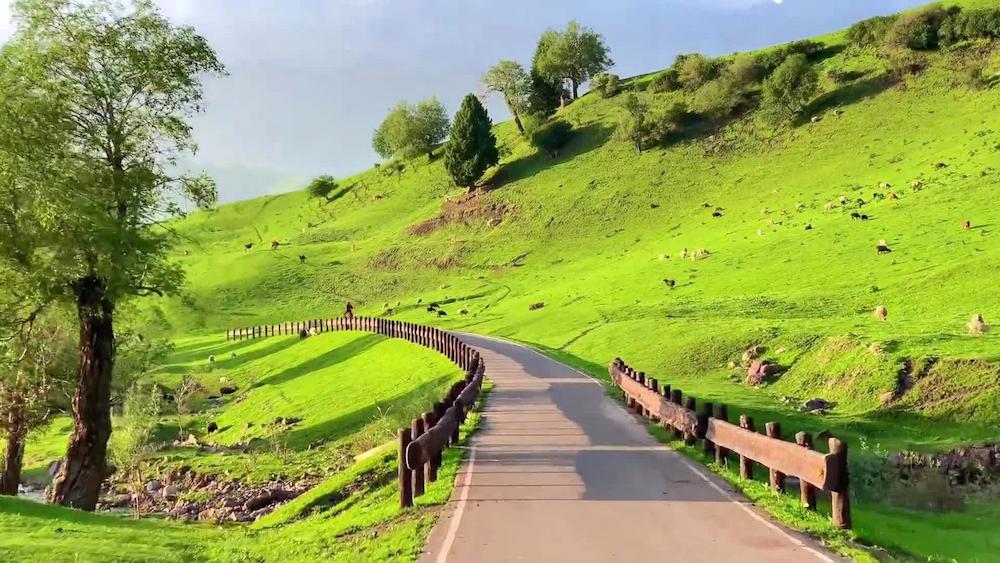
How My Xinjiang 15-Day Itinerary Came Together
I did not design this as a straight line. On that 2019 trip I tried to see Kanas, drive the Duku Highway, and reach Kashgar all in two weeks, and I missed the Pamir Plateau entirely because I had not sorted my border permit in time. The version below fixes that mistake. It starts in Urumqi, dips south through Turpan and the Tarim rim to Kashgar, then loops back north to the Ili grasslands before returning to Urumqi. That ordering means you hit the high pastures when they are green and the Pamir when the road passes are clear.
The hardest part was the middle stretch. Driving Korla to Kuqa along the southern Duku section took me four hours in 2022 because a landslide crew was clearing the road. I now tell everyone to keep one buffer day. When I compared notes with the 14-Day Xinjiang Itinerary Guide, the extra day was what let me add a full Pamir overnight instead of a rushed day trip. This Xinjiang 15-Day Itinerary favors a loop rather than a straight line, which is why the Pamir sits in the middle instead of at the end.
How to Get There
Most international travelers arrive in China first (Beijing, Shanghai, or Xi’an) and then take a domestic flight to Urumqi Diwopu International Airport. A Beijing to Urumqi flight runs about 4.5 hours and costs 1,200 to 1,800 yuan in shoulder season. From Urumqi you have two realistic ways south: a 24-hour sleeper train to Kashgar (hard sleeper around 460 yuan, soft sleeper 720 yuan), or a 2-hour flight for 600 to 900 yuan.
Inside the loop, I mix rail and road. The Duku Highway itself is closed from roughly early November to late May, so the southern approach via Korla and Kuqa only connects cleanly in summer and early autumn. For the Ili section I take the Urumqi to Yining high-speed train, which covers about 700 km in under 6 hours for 240 to 320 yuan. Renting a car with a driver for the Pamir leg cost me 900 yuan for two days in 2023, split between four people.
Best Time to Visit
Spring (April to May) is quiet. Turpan warms up fast and the Pamir passes open, but the northern grasslands are still brown and many mountain guesthouses stay shut until June. It is a good window if you want low prices and few crowds.
Summer (June to August) is the peak. The Duku Highway is open, the Ili valleys turn deep green, and Sayram Lake is full. The trade-off is heat: Turpan regularly hits 42 to 45°C, and popular sites get busy. Book transport three weeks ahead.
Autumn (September to early October) is my recommendation. Kanas and the Ili poplars go gold, the Pamir sky is clear, and the worst of the summer heat is gone. Daytime in Kashgar sits around a comfortable 24°C. This is also when I photographed the cleanest mountain reflections at Karakul Lake. When I timed this Xinjiang 15-Day Itinerary, early September caught both the Ili gold and the Pamir’s clear skies.
Winter (November to March) closes the Duku Highway and limits the Pamir. Flights get cheap, but the trip becomes a city-and-museum visit rather than the full loop. I only suggest it for repeat visitors.
If you want one answer: aim for the first two weeks of September. The Best Time to Visit Xinjiang Guide breaks the regional differences down month by month if your dates are fixed.
Where to Stay
Budget options are easy to find. In Urumqi I have stayed at hostels near the museum for 120 to 180 yuan a bed, and in Kashgar the Old City homestays run 150 to 220 yuan for a private room with courtyard breakfast. These fill up in October, so reserve early. Along this Xinjiang 15-Day Itinerary the Kashgar homestays gave me the best value for the money.
Mid-range hotels (300 to 500 yuan) give you reliable heating and a real desk. The Hampton and similar chains in Urumqi sit in that band, and Kashgar has several clean four-star properties a short walk from Id Kah Mosque. In Yining I paid 360 yuan for a comfortable room with a kettle and good Wi-Fi.
Upper-end stays (800 to 1,500 yuan) include the mountain lodges near Tianchi and a few Silk Road themed hotels in Urumqi. On the Pamir I splurged once on a lakeside guesthouse at Karakul for 1,100 yuan; the altitude made sleep light, but waking to Muztagh Ata at first light was worth it.
Food
Xinjiang food is the part people underestimate. A bowl of hand-pulled laghman with vegetables costs 18 to 25 yuan at a corner shop. Big plate chicken (dapanji) for two runs 58 to 88 yuan and comes with belt noodles underneath. Lamb skewers (kawap) are 3 to 5 yuan each at the night markets, and you pay by the stick. On this Xinjiang 15-Day Itinerary my food budget stayed under 120 yuan a day because lunches were street noodles, not restaurants.
Bread is its own category. A fresh nang from a roadside tonur oven is 3 to 5 yuan and keeps for days in your bag. Uyghur polo (pilaf with carrot and lamb) is 25 to 35 yuan, samsa pastries are 6 to 10 yuan, and a cup of thick local yogurt with honey is about 8 yuan. In Kashgar I ate a full meat feast for four at the Sunday livestock market area for 260 yuan including tea.
Practical Tips
- Get your Pamir border permit (边境通行证) at the Kashgar Public Security Bureau. It is free, takes about 30 minutes, and you need your passport and a Xinjiang itinerary note. Do it on arrival day, not the morning you want to leave.
- Download offline maps before the Duku Highway. Signal drops for long stretches, and the canyon switchbacks are not the place to guess a turn.
- Carry 200 to 300 yuan in cash. Small noodle stalls and village tolls often do not take cards or phone pay.
- Respect the altitude. The Pamir climbs past 3,600 m near the lake. Keep day one light, drink water, and skip the heavy dinner.
- Book the Urumqi to Kashgar flight and the Yining high-speed train at least three weeks out in September and October, when seats sell fast.
- Pack for a 15°C daily swing. I wear a t-shirt at noon in Turpan and a down jacket by the Karakul shore at midnight.
Sample Itinerary: Your Xinjiang 15-Day Itinerary Day by Day
Day 1. Arrive Urumqi. Visit the Xinjiang Regional Museum (free, mummies hall closes at 17:00) and walk the International Grand Bazaar at dusk.
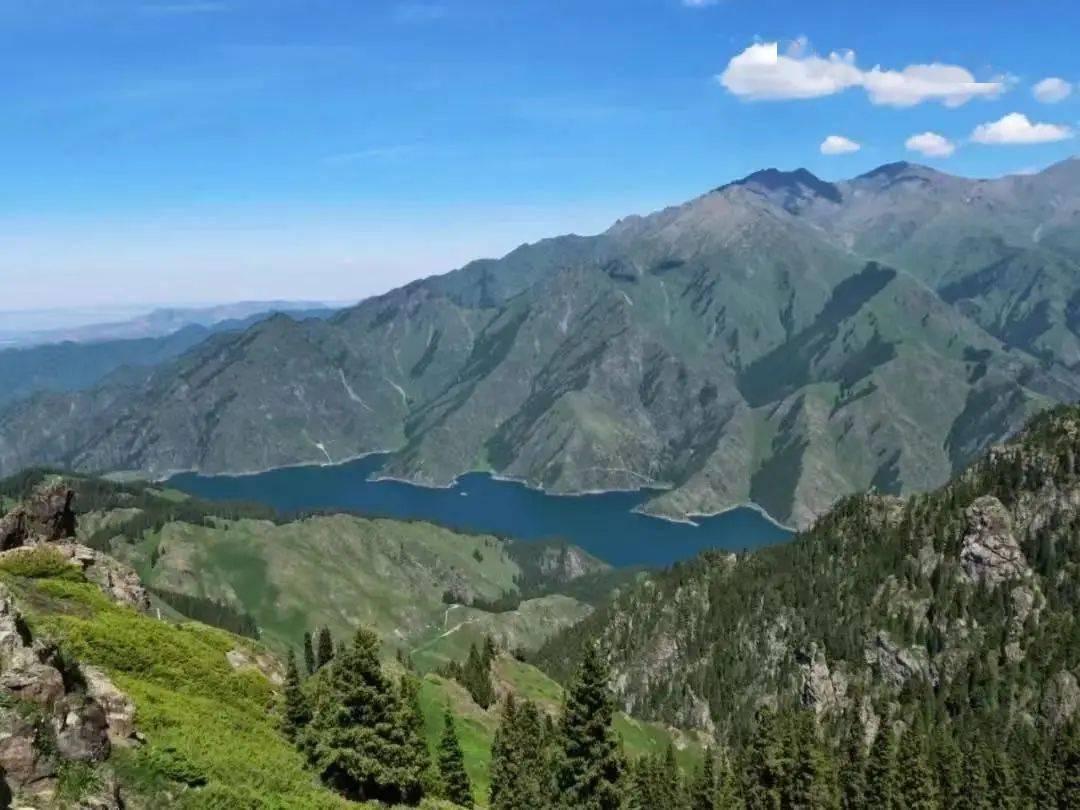
Day 2. Tianchi day trip. Bus from Urumqi takes 90 minutes; entry plus shuttle is 215 yuan. Boat ride optional at 80 yuan.
Day 3. Morning train or bus to Turpan (2.5 hours). See Jiaohe Ruins (35 yuan) late afternoon when the light is soft and the heat eases.
Day 4. Flaming Mountains (40 yuan) and Grape Valley (60 yuan). Evening transfer to Korla by rail, about 3 hours.
Day 5. Drive Korla to Kuqa along the southern Duku section. Stop at Kuqa Grand Canyon (40 yuan). Overnight Kuqa.
Day 6. Kizil Caves (70 yuan, murals need a guide) then continue west to Aksu. Long but scenic desert road.
Day 7. Aksu to Kashgar by train (about 4.5 hours). Evening walk through the Old City alleys.
Day 8. Pamir Plateau to Karakul Lake (50 yuan) with a Muztagh Ata viewpoint. Overnight near the lake or return to Kashgar.
Day 9. Kashgar rest day. Id Kah Mosque (45 yuan), the Sunday market if your timing lands right, and the livestock market on a weekend.
Day 10. Fly Kashgar to Yining (about 1.5 hours, 500 to 800 yuan). Settle in and eat well.
Day 11. Yining to Nalati grassland (95 yuan entry, plus 60 yuan shuttle). Stay in a pasture yurt or the town below.
Day 12. Nalati to Karajun or Gongliu. Rolling meadows and few tour buses if you go early.
Day 13. Sayram Lake (70 yuan) and the nearby Bole area. The lake is cold and windy; bring the jacket.
Day 14. Train Bole to Urumqi (about 4 hours). Last shopping and a proper hotpot dinner.
Day 15. Depart Urumqi. If your flight is late, the museum gift shop opens at 10:00.
FAQ
Is 15 days enough for both north and south Xinjiang? Yes, with the loop above, though it is full. If you must cut, drop the Ili grasslands and add a night in Kashgar rather than trying to speed through both.
Do I need a visa or a permit? You need a China visa first. For the Pamir Plateau you also need the free border permit issued in Kashgar. The rest of the route is open with normal ID.
Can I do this by train only? Partly. Rail covers Urumqi, Turpan, Kuqa, Kashgar, and Yining. The Duku Highway and the Pamir need road transport, so budget for a driver or rental for those legs.
What is the realistic budget? Excluding your international flight, plan 6,000 to 10,000 yuan per person. That covers mid-range hotels, trains and one internal flight, food, and entry fees, but not a private car for the whole trip.
Self-drive or join a tour? Both work. The Duku and Pamir have switchbacks and altitude that reward confident mountain driving. If you would rather not, a shared driver or small group tour handles the same loop.
When should I book? Lock international and Urumqi flights first, then the Kashgar and Yining internal segments three weeks out. Hotels in Kashgar and Yining need booking by early September for autumn trips. See the Xinjiang Visa and Permit Guide for the paperwork timeline.
Disclaimer
Prices, entry fees, train schedules, and border-permit rules change. The amounts above reflect what I paid between 2019 and 2023 and are meant as planning ranges, not guarantees. Always confirm current costs and permit requirements with official sources (China visa centers, the Kashgar Public Security Bureau, and the operating carriers) before you travel. Road conditions on the Duku Highway and Pamir can shift with weather, so treat the day-by-day plan as a flexible frame rather than a fixed contract.