

Published: 2026-07-28 | Author: Karl Huang
A Xinjiang 12-Day Itinerary was the first long loop I ever ran on my own, back in September 2023. I flew into Urumqi on a Tuesday, rented a car the next morning, and rolled out of Dushanzi onto the Duku Highway before the 9 a.m. gate. Twelve days later I was eating hand-pulled laghman in Kashgar Old City, half convinced I had cheated the size of the place. I had not. Xinjiang is roughly the area of Western Europe, and a dozen days only scratches the surface. This guide is the exact shape of that trip, rebuilt from my notes, receipts, and the mistakes I made so you do not repeat them.
I am writing this as a first-person account because the numbers matter. My round-trip flight Beijing–Urumqi cost ¥2,380 in 2023. The Tianchi (Heavenly Lake) entry plus shuttle was ¥215. The Duku Highway itself charges nothing, but it closes without warning when snow hits the pass above 3,000 meters. Those details are what separate a plan that works from one that collapses on day four.
Quick Reference
| Item | Location | Fee (2023) | Best time | Elevation / role |
|---|---|---|---|---|
| Urumqi base | Capital, north rim | Hotel ¥320/night | Jun–Sep | 800 m, hub airport |
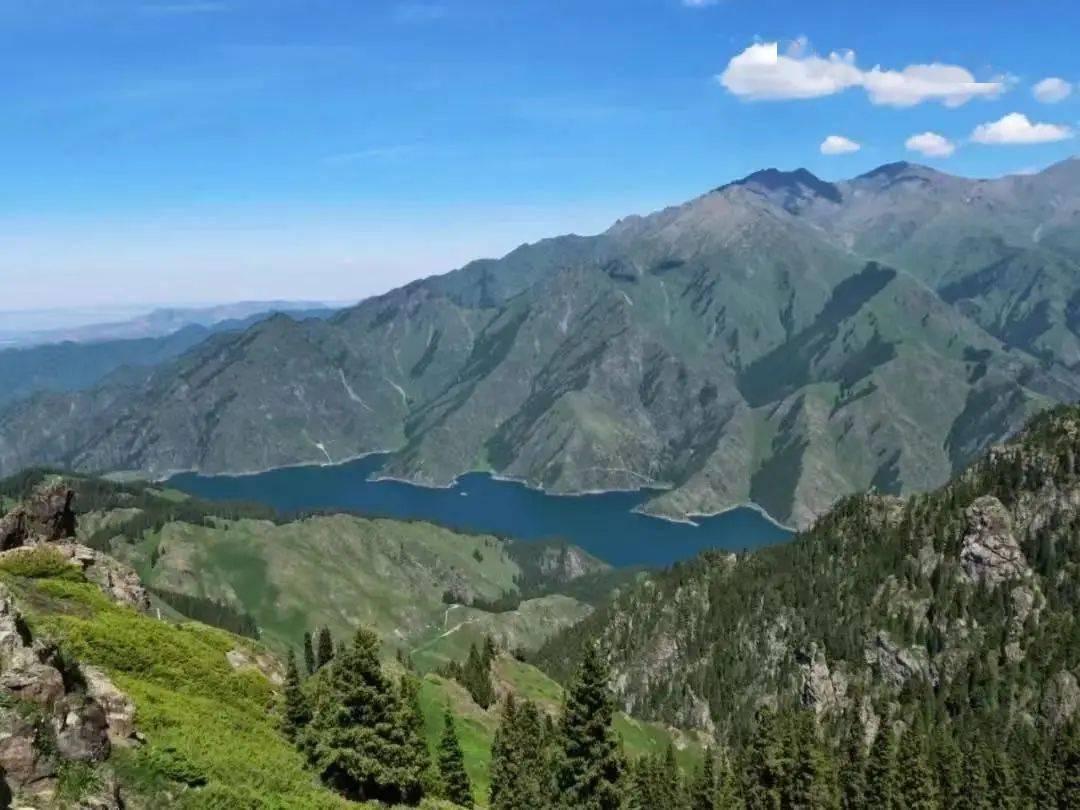
| Tianchi (Heavenly Lake) | 90 km east of Urumqi | ¥215 entry+shuttle | Jul–Aug | 1,910 m, alpine lake |
| Duku Highway | Dushanzi–Kucha | Free | Jun 1–Sep 30 | 3,400 m pass, 561 km |
| Bayinbuluke | Central Tianshan | ¥140 entry | Jun–Aug | 2,500 m, wetland grassland |
| Kashgar Old City | Far southwest | Free to walk | Apr–Oct | 1,290 m, Silk Road hub |
| Karakul Lake | Pamir Plateau | ¥50 entry | May–Sep | 3,600 m, glacial lake |
Why I Built This Xinjiang 12-Day Itinerary
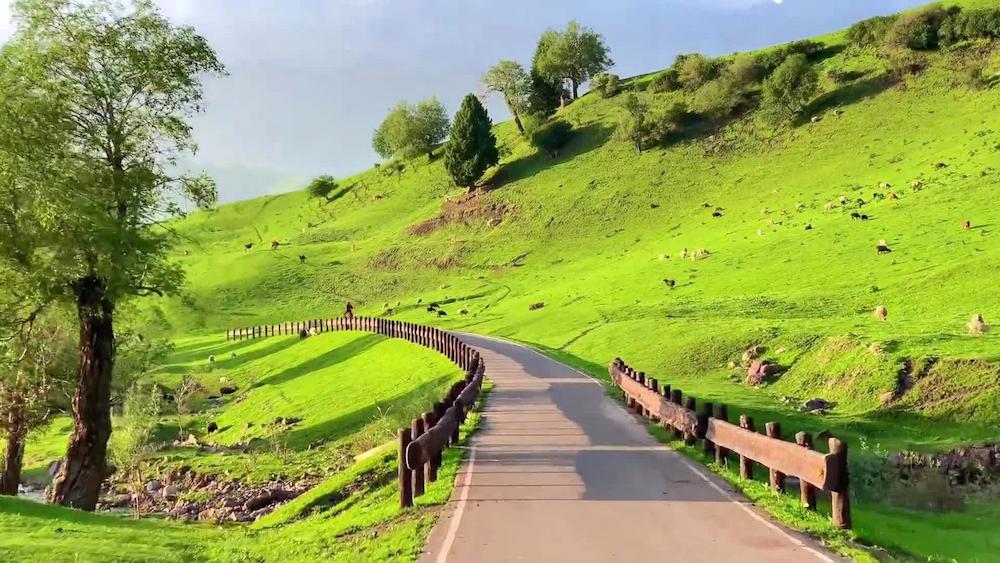
The standard advice is to pick a side. North Xinjiang for grasslands and Kanas, south for deserts and Kashgar. I refused that split because my vacation was fixed at twelve days and I wanted both the green Tianshan and the Pamir light. So I designed a diagonal: start in the north, cut south through the Duku Highway, then keep going until the road ran out at the Pakistani borderlands.
On day three I learned the first lesson. I had booked a guesthouse in Nalati for ¥260, but the Duku gate at Dushanzi did not open until 9 a.m. and a 40-km construction crawl ate two hours. We reached Bayinbuluke at 7 p.m., just before the ticket window closed at 8. If you ever do this, leave Dushanzi by 8 a.m. The pass does not forgive late starts, and this Xinjiang 12-Day Itinerary depends on that crossing.
How to Get There
Most travelers reach Xinjiang by air. Urumqi Diwopu International Airport (URC) has direct flights from Beijing, Shanghai, Guangzhou, Xi’an, and Chengdu. I took the Xinjiang Self-Driving Guide approach: fly in, rent at the airport, and return the car in Kashgar. One-way rentals cost more (about ¥600 extra in 2023), but they save you 1,400 km of backtracking.
The train is the cheaper alternative. The Urumqi–Kashgar line runs overnight and a hard sleeper was ¥320 when I checked. Buses fill the gaps between small towns, though on the Pamir stretch you will want a private driver because permits and checkpoints make public transport slow. Whatever you choose, build the Duku Highway into a day with no fixed hotel, because weather decides whether you cross at all.
Best Time to Visit
The single best window for this exact Xinjiang travel guide loop is late June through mid-September. That is the only period when the Duku Highway is open and the Pamir passes are clear of snow. I went in early September and hit a sweet spot: the Tianchi crowds were gone, Karakul Lake was ice-free, and Kashgar’s night market was still busy.
For the narrow best time to visit Xinjiang 12-Day Itinerary, aim for the last week of August or the first two weeks of September. Spring (April–May) is lovely in the south but the north stays cold and the Duku is shut. Winter (November–March) closes the mountain roads and turns Kashgar into a quiet, frozen town. If your dates are flexible, those early-September days give you softer Pamir light and finishing apricots in the bazaar.
For a deeper seasonal breakdown, see the Best Time to Visit Xinjiang Guide, which covers every region month by month.
Where to Stay
Budget. Hostels and county guesthouses run ¥120–180 a night. In Kashgar I stayed at a family-run courtyard inn inside the Old City for ¥150, with breakfast included and a rooftop that looked straight at the Id Kah Mosque minarets.
Mid-range. Branded hotels in Urumqi and Kashgar cost ¥300–420. I used these in the two big cities and saved the budget options for the small mountain towns where there is little else.
Upper. A few places justify the splurge. The lakefront lodges near Sayram and the better Pamir guesthouses with heating run ¥700–1,100. I skipped them in 2023, but on a return trip I would pay for one Karakul night just to see the reflection at dawn.
Food
Xinjiang food is the part of the trip I underestimated. In Urumqi the International Grand Bazaar sells samsa (baked meat pastries) for ¥6 each and a full plate of da pan ji (big plate chicken) for ¥48, enough for two. On the Pamir, a bowl of osh (rice with lamb) was ¥25 in Tashkurgan, eaten at a plastic table while a herder’s kid stared at my phone.
Kashgar’s night market was the highlight. Lamb skewers (kawa) were ¥3 a stick, fresh pomegranate juice ¥10, and the naan bread coming out of the tandoor cost ¥4. I kept a running food budget of ¥120 a day and never hit it. Vegetarians will do fine on laghman noodles, roasted peppers, and the endless flatbreads, though ask for no ladle of meat broth on the noodles.
Practical Tips
- Carry your passport everywhere. The Pamir and many border-zone towns require the Border Area Permit, issued free in Kashgar with a same-day wait of about two hours.
- Download offline maps before you leave Urumqi. Signal drops for long stretches on the Duku and the southern Pamir road.
- Pack for two seasons. I left Urumqi at 28°C and woke on the Karakul shore to 4°C. A light down jacket earned its place in the bag.
- Fill fuel whenever you see a station. Between Bayinbuluke and Kuqa the gaps are real, and a half tank is a gamble.
- Start mountain drives early. Gates, light, and weather all punish late departures, as I learned the hard way at Dushanzi.
- Keep small cash. Market stalls and remote guesthouses often cannot take cards or the major payment apps if your phone number is foreign.
For paperwork specifics, the Xinjiang Visa and Permit Guide covers the border permit step by step.
Sample Itinerary
This is the day-by-day shape of my own Xinjiang 12-Day Itinerary, rebuilt so you can copy it or bend it.
- Day 1. Arrive Urumqi, rent car, walk the Grand Bazaar, sleep Urumqi.
- Day 2. Tianchi (Heavenly Lake) day trip, back to Urumqi for an early night.
- Day 3. Drive to Dushanzi, overnight near the Duku gate.
- Day 4. Duku Highway south; stop at Bayinbuluke grassland, sleep Kuqa.
- Day 5. Tianshan Grand Canyon (Kuqa) morning, slow drive west.
- Day 6. Aksu rest and food, then push toward the Pamir foothills.
- Day 7. Reach Kashgar, wander Old City, get the border permit.
- Day 8. Kashgar Old City deep walk, Id Kah Mosque, Sunday livestock market if timing fits.
- Day 9. Drive the Karakul Lake road, sleep Tashkurgan.
- Day 10. Pamir Plateau and Muztagh Ata viewpoint, return to Kashgar.
- Day 11. Kashgar loose end, fly or train back to Urumqi.
- Day 12. Buffer day in Urumqi, return the car, fly out.
If twelve days feels tight, the longer 14-Day Xinjiang Itinerary Guide adds Kanas to the north without rushing the south.
FAQ
Is twelve days enough for Xinjiang?
Enough for a satisfying loop, not for the whole region. This route covers the Tianshan heart and the Pamir south. Save Kanas and the far north for a separate trip.
Can I do this Xinjiang 12-Day Itinerary without a car?
Yes, but it takes more days. Trains and buses reach Urumqi, Kuqa, Aksu, and Kashgar. The Duku Highway and the Pamir lakes need a driver or tour, since public transport there is thin.
Do I need a visa for Xinjiang itself?
Foreign visitors need a China visa first, then the Xinjiang border permit only for the Pamir and other restricted zones. The rest of the route is open with normal travel documents.
How cold does it get on the Pamir?
Karakul Lake sits at 3,600 meters. Even in August nights dropped near freezing when I visited in September. Bring a real jacket, not just a fleece.
What did this trip cost me in total?
Roughly ¥9,500 all in for one person in 2023: flights ¥2,380, car ¥3,200 with one-way fee, fuel ¥900, rooms ¥2,100, food ¥1,200, entries ¥700. Two people sharing the car cut that sharply.
When should I avoid going?
Avoid November through March unless you want closed highways and empty towns. The Duku is shut and the Pamir passes can ice over.
Disclaimer
Prices, permit rules, and road-opening dates in this article reflect my September 2023 trip and may change. The Duku Highway opening date, border permit requirements, and park fees are set by local authorities and shift year to year. Always confirm current details with official sources such as the Xinjiang tourism bureau and your embassy before you book. This guide shares personal experience and is not a substitute for checking live travel advisories.