

Published: 2026-11-15 | Author: Karl Huang
The first time I reached Wucaitan Altai the light was flat and the wind was honest; the second time, in the right season, it was a different place entirely. This guide to Wucaitan Altai Local Food Guide pulls together what I tell clients after eight seasons designing Xinjiang tours and self-drive itineraries out of Urumqi — the practical stuff that actually changes a trip. The questions about Wucaitan Altai are always the same: when to go, how to get there, and what the place is actually like. For the wider plan, start with the xinjiang itinerary and the xinjiang autumn kanas itinerary if it sits on your route; for a tailored route, see our silk road itinerary tips.
Planning Snapshot
| Item | Detail |
|---|---|
| Location | Northern Xinjiang (Altai) |
| Best time | Mid-September to early October for golden larch and birch; winter (Dec-Feb) for snow scenery. |
| Elevation | varies |
| Ticket / cost | n/a |
| Base hub | Urumqi |
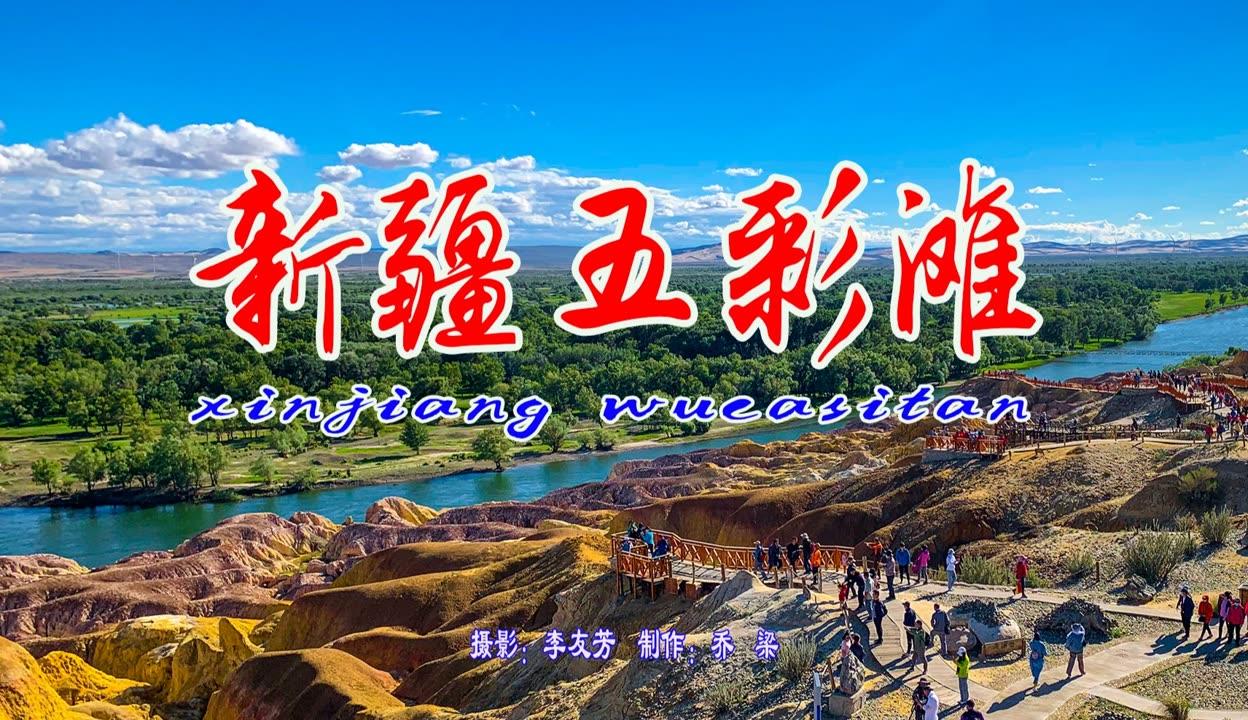
Why I Keep Sending People to Wucaitan Altai
Wucaitan Altai — local food guide.
I have watched Wucaitan Altai go from a quiet stop to a flagged highlight. The trick is still to arrive before the tour buses and stay past their departure.
I have watched Wucaitan Altai go from a quiet stop to a flagged highlight. The trick is still to arrive before the tour buses and stay past their departure.
The sensory memory I keep is specific: the dry cold of the morning, the smell of smoke from a roadside grill, the way a distant range changes colour as the sun clears the ridge. If your loop continues, the altay travel guide is the natural next read, and the kanas lake travel guide helps you time the seasons across the region.
What Stands Out at Wucaitan Altai
- Wucaitan Altai is the kind of place that rewards a slow morning more than a checklist afternoon.
- It sits inside Northern Xinjiang (Altai), so pair it with the region’s other headlines rather than treating it as a one-stop.
- The light here is honest — bring a camera for the early and late hours, not the flat midday.
How to Get There
Urumqi
From Urumqi. Most routes start here. Depending on the region that is a 1-hour flight, a 5-10 hour train, or a long highway drive. I treat the Urumqi-to-hub leg as fixed and the hub-to-Wucaitan Altai leg as the variable I plan around. The xinjiang travel guide covers the bookings and the permits you may need for the final stretch.
By road. Self-driving works where the roads are open (the Duku Highway and the desert highways are seasonal). Otherwise a local driver saves the headache of parking, permits and the long empty stretches between services.
Navigating the Area
Inside the scenic areas, electric shuttles and fixed-route buses do the work — you rarely need your own wheels once you are in. Between towns, the gap is filled by hired cars and the occasional intercity bus. I pre-arrange drivers through the hotel; it costs a little more than flagging one down but removes the guesswork at 7am.
What to book first. Lock the long-haul flight or train into Xinjiang, then the regional hop to Northern Xinjiang (Altai), then the hotel. Tickets to the headline sights sell at the gate, but the transport sells out. I have missed a connection by a day more than once by leaving the booking late in July and October — those are the weeks to be early.
Best Time for Wucaitan Altai
Subarctic continental. Long brutal winters (down to -40C), short cool summers. Autumn (late Sept-early Oct) is the headline season for golden larch.
| Season | What to expect | My take |
|---|---|---|
| Spring (Apr-May) | Apricot blossoms in the Ili valleys, mild desert days, some high passes still closed | Quiet and green; a favourite |
| Summer (Jun-Aug) | Alpine meadows at their peak, long daylight, the July-August domestic peak | Best scenery, heaviest crowds |
| Autumn (Sep-Oct) | Golden forests and Populus, cool clear days, the headline photo window | The best all-round month |
| Winter (Nov-Mar) | Snow scenery, frozen lakes, skiing, many guesthouses shut | Great for photography, check access |
My recommendation: Mid-September to early October for golden larch and birch; winter (Dec-Feb) for snow scenery. If your dates are fixed, build the rest of the route around the season rather than fighting it. The kanas lake travel guide breaks the window down region by region.
Hotels, Guesthouses & Yurts
Wooden guesthouses in the villages; standardized hotels in the county towns.
- Budget (¥120-220/night). County-town hotels and hostels; clean and functional, often with a great local breakfast nearby.
- Mid-range (¥250-500/night). The comfortable choice — reliable heating, an English-friendly front desk, and a location that saves a transfer.
- Upper (¥600+/night). Lakeside or old-town properties with character; worth it for a quiet morning you cannot get elsewhere.
For Wucaitan Altai I look for three things: heating that works in the cold months, a driver who knows the morning light, and a location that saves me an hour of transfer at dawn. Base yourself sensibly — the xinjiang travel guide has the lodging rundown if this stop sits inside a town.
Meals Worth Planning Around
Cold-water river fish (Kanas grayling), horse milk (kumis), Tuva smoked meat, dairy curds, buckwheat pancakes.
Dishes I actually order in this part of Xinjiang:
- Polu (hand-grabbed rice) — lamb, carrot and rice cooked together, ¥25-40 a plate.
- Dapanji (big-plate chicken) — chicken, potato and wide noodles in a savoury sauce, ¥50-80 for two.
- Naan & kebabs — fresh from the tandir and the grill, ¥3-8 each.
- Laghman — hand-pulled noodles with stir-fried topping, ¥20-35.
- Bazaar sweets & dried fruit — raisins, apricot kernels, rose jam, ¥10-30 a bag.
A typical casual meal runs ¥30-60; a sit-down dinner for two is ¥80-150. The altay travel guide has the food-city rundown if you want to eat your way across the region.
What You’ll Actually Spend
| Tier | Lodging | Food | Transport & tickets | Total/day |
|---|---|---|---|---|
| Budget | ¥120-220 | ¥60-90 | ¥80-150 (shared car, shuttle) | ¥260-460 |
| Mid-range | ¥250-500 | ¥100-150 | ¥150-300 | ¥500-950 |
| Upper | ¥600-1200 | ¥200-350 | ¥300-600 (private driver) | ¥1100-2150 |
These are planning numbers for Northern Xinjiang (Altai), not quotes. The long-haul flight or train into Xinjiang is extra. I tell clients to hold 15% back as a buffer for the unplanned detour that turns out to be the best part of the trip.
Fitting In
Xinjiang is a mosaic of Uygur, Han, Kazakh, Hui, Kyrgyz and Tajik communities, each with its own customs. A little awareness goes a long way: ask before photographing people, dress modestly near active mosques, and accept the second cup of tea when offered — refusing it reads as a slight. The warmth you get back is worth the small effort, and it is the part of Wucaitan Altai that no ticket buys.
Field Notes
- Acclimatise for altitude. Sleep low before high passes.
- Cold comes early. Nights drop below freezing by mid-October.
- Go in late September. Birch and poplar forests turn gold.
- Carry cash and a second payment app. Smaller ticket offices and roadside stalls outside the big cities still prefer cash. I keep small notes for exactly this.
- Dress in layers, not in fashion. A basin morning at 8C and a noon at 28C in the same valley is a normal Xinjiang day.
- Book the long-haul legs ahead. Flights Urumqi-Altay and the high-speed rail seats fill in peak season (Jul-Aug, Oct). I book transport before hotels.
A Realistic Pace
A realistic pacing for Wucaitan Altai:
- Day 1 morning — arrive at the regional hub, sort permits or tickets, ease into the altitude and the light.
- Day 1 afternoon — first scenic leg; catch the late light when the tour buses have gone.
- Day 2 — the headline sight at opening time, then a slow transfer with one unplanned stop.
- Day 3 (optional) — a side valley or a local market before the long drive or flight out.
To string several stops together, the xinjiang itinerary is the planner I point clients to.
A Note for Photographers
For Kanas the light is best an hour after the shuttle drops you at the lake, before the day-trip crowds arrive from Burqin. Hemu’s morning mist is the shot most people miss by sleeping in.
What I’d Do Differently
The classic Altai mistake is trying to see Kanas, Hemu and Baihaba in a single day. The shuttle transfers alone eat 4-5 hours; give the valley two nights or you’ll remember the bus more than the view.
Fitting This Into a Wider Xinjiang Trip
Few people visit Wucaitan Altai on its own. Most build it into a longer loop, so here is how I connect the dots for clients. For the headline sights across the region, start with the Kanas vs Hemu which is better; for deciding where to base each night, the best time to visit yecheng lays out the towns. Timing matters more than any single booking, so read the best time for 7-day xinjiang itinerary before you fix dates. If food is half the reason you travel, the id kah mosque travel guide is worth a detour, and the xinjiang altai autumn guide ties the whole route together. The best time to visit bortala breaks the seasons down region by region.
People Also Search For
- Xinjiang vs Tibet which to visit
- Xinjiang itinerary north or south
- Xinjiang in September
- small group Xinjiang tour
- first time in Xinjiang what to see
- Xinjiang food guide
- How many days do I need in Xinjiang for a first trip?
- What should I pack for Xinjiang’s temperature swings?
- What is the best month to visit Xinjiang?
- Do I need a permit to travel around Xinjiang?
Questions I Get Asked
Q: Do I need any special permit for Wucaitan Altai?
A standard China visa covers Xinjiang. Only the Pamir Plateau and Karakoram Highway need the extra Border Travel Permit, arranged in Kashgar.
Q: How many days should I plan for Wucaitan Altai?
A focused visit is 1-2 days; a relaxed one with side trips is 3. Build buffer for weather and long transfers.
Q: Is Wucaitan Altai safe for foreign travellers?
The region is heavily policed and generally safe for visitors who carry ID, respect local customs and follow permit rules.
Q: What should I pack for Wucaitan Altai?
Layers, sun protection, a refill bottle, and cash. In autumn and winter add a real warm jacket.
Q: Can I visit Wucaitan Altai independently or do I need a tour?
Independent travel is possible by air, rail and bus plus hired local drivers; a tour helps for remote plateau routes.
Q: Can I combine Wucaitan Altai with the classic Xinjiang tour routes?
Yes — most Xinjiang tours pair it with Kashgar, the Tian Shan or the Ili grasslands; I usually slot it between two longer drives.
Q: What is the biggest planning pitfall here?
Underestimating transfer time and road closures. Build a buffer day and confirm plateau passes are open before you commit.
Q: How many days do I need in Xinjiang for a first trip?
It depends on what you want to see. For a first trip I tell people to protect 10-14 days; that gives the north and one southern oasis without living on the road. Less than a week and you should pick one region and do it properly.
Q: What should I pack for Xinjiang’s temperature swings?
Layers are the answer. A basin can swing from 8C at dawn to near 30C by noon, and the plateau nights drop below freezing even in autumn. Sun protection and a refill bottle matter more than any single garment.
Keeping It Honest
Last reviewed 2026-11-15 by Karl Huang, Xinjiang Travel Specialist & founder of Xinjiang Itinerary. This guide is rebuilt from trip logs, driver briefings and ticket-office confirmations rather than copied from other travel sites.
For a second, non-commercial source, these are the sources I cross-check against when I refresh these notes:
A Note on Accuracy
Prices, permits, opening dates and road status change — sometimes within a season. Treat the figures above as a planning baseline and confirm with official sources and your hotel before you travel. I update routes when clients report changes, but I cannot guarantee real-time accuracy for every gate.