

Published: 2026-07-26 | Author: Karl Huang
Deciding on the best time for Xinjiang winter travel changed how I plan every cold-season trip to the region. I first flew into Urumqi Diwopu Airport on a January morning in 2023, when the terminal platform thermometer read minus 22°C and my breath came out as a visible cloud. A round-trip economy ticket from Beijing that week cost me ¥860, roughly half what the same route runs in July. That single detail told me everything about winter here: cold, yes, but quietly affordable if you know the window.
Since that trip I have spent three more winters on the road, from the timber villages of Hemu to the frozen shore of Sayram Lake. For Xinjiang winter travel Xinjiang is at its quietest and cheapest from December through February, and that is the window I now plan around. This guide pulls the practical parts together so you can pick months that match the experience you want instead of fighting the weather.
Quick Reference
| Item | Detail |
|---|---|
| Region | North Xinjiang (Altay, Ili, Urumqi) and South Xinjiang (Kashgar, Pamir) |
| Peak winter fee | Kanas scenic area winter ticket ¥60; Jiangjunshan ski lift ¥180/day |
| Best time | December for early snow, late January to mid-February for deepest cold and ice festivals |
| Low temperature | Minus 30°C in Hemu and Kanas at night; minus 12°C in Kashgar |
| Role | Low season: hotels and flights drop 40 to 60 percent versus summer |
My Winter in Xinjiang, Day by Day
I base most trips out of the Xinjiang Winter Travel Guide I keep updating after each season. In January 2024 I rented a heated SUV in Urumqi for ¥320 a day and drove north. The first night I reached Hemu village and paid ¥220 for a timber homestay with floor heating and a view of smoke rising from every chimney at sunrise.
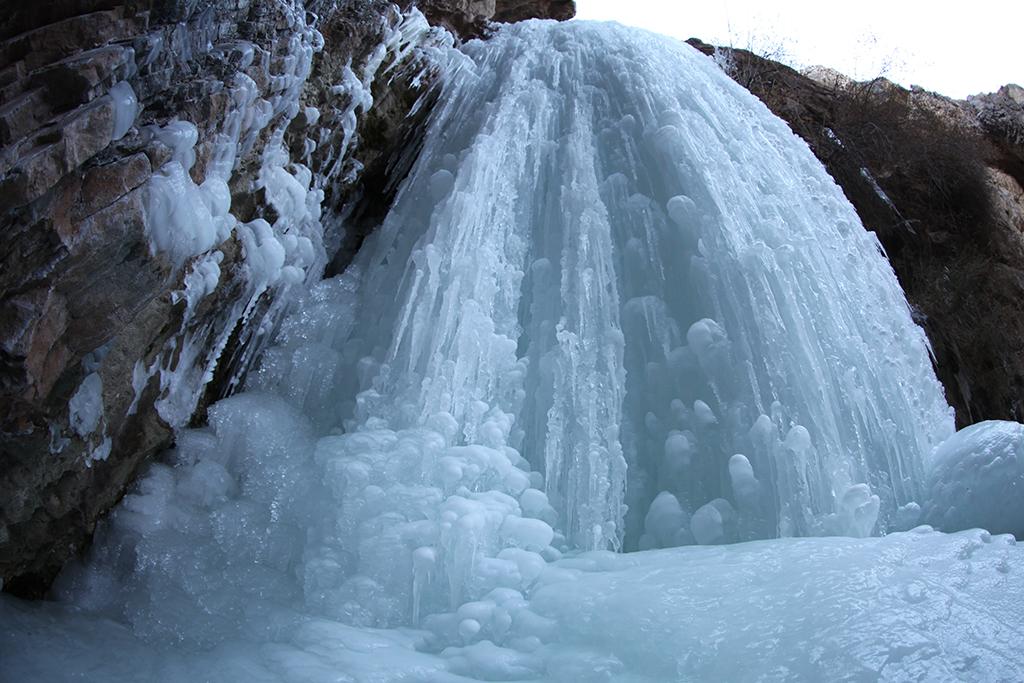
The next morning the river was frozen solid and the birch forest stood white to the horizon. I paid ¥90 for snowmobile access to the upper viewpoint, then spent two hours shooting photos before the light flattened. That is the trade of winter: brutal cold bought me empty trails and a silence you never get in August.
Later that week I skied Jiangjunshan near Altay, the hometown of several Chinese freestyle skiing Olympic medalists. A full-day lift ticket was ¥180, and the gondola dropped me above a slope where local coaches were training kids as young as six. Dinner that night was laghman noodles at a corner shop for ¥28. On the drive back south I stopped at Sayram Lake, where the surface had locked into sheets of blue ice and a few vendors were selling roasted walnuts from iron pans.
How to Get There
Most international and domestic travelers land at Urumqi Diwopu International Airport. From Beijing the off-season fare sits around ¥860 return; from Shanghai expect ¥1,200 in January. The high-speed rail from Urumqi to other cities runs year round, but the best time to visit Xinjiang guide I wrote covers the slow seasons in more detail if you prefer trains.
Within the region, self-drive is the flexible choice, though you must respect closures. The Duku Highway shuts from early November to May. For Hemu and Kanas, a pre-booked transfer from Burqin town costs about ¥80 per seat and saves the hassle of icy mountain passes. Flights from Urumqi to Altay take 90 minutes and run daily even in deep winter, which is how I connect the ski slopes with the lake route without backtracking.
Best Time to Visit: Best Time for Xinjiang Winter Travel by Month
The best time for Xinjiang winter travel splits into two clear windows. December brings the first stable snow and the lightest crowds; ski resorts and frozen lakes open, but some village guesthouses stay closed until Christmas. Late January through mid-February is the deep-winter peak. Sayram Lake shows its famous blue ice, Hemu hosts timber-house bonfire nights, and Urumqi often runs an ice lantern fair near the Spring Festival.
The best time to visit Xinjiang winter travel is late January, when blue ice and festivals peak together. December is cold but manageable, with low fares and fresh scenery. January is the coldest month, ideal for blue ice and skiing, but pack serious layers. February brings festival atmosphere around the Lunar New Year, though trains and buses near the holiday sell out fast.
My recommendation is simple. Come in late January if you want the iconic frozen landscapes and don’t mind minus 25°C. Choose early December if you prefer thinner crowds and slightly forgiving temperatures. For dedicated Xinjiang winter travel, Xinjiang rewards travelers who slow down and build the cold into the plan rather than fighting it.
Where to Stay
Budget: in Urumqi a clean hostel or budget hotel near the train station runs ¥120 to ¥180 a night in winter. I once paid ¥150 for a compact but warm room two blocks from the station and walked to breakfast in five minutes. Mid-range: a four-star property on Renmin Road costs ¥280 to ¥360, less than half the summer rate, and the lobbies are calm because tour groups vanish in winter. Upper: the ski-in lodges at Jiangjunshan and the better Hemu timber resorts charge ¥600 to ¥900 with heating, breakfast, and mountain views included.
Book the Hemu and Kanas stays at least two weeks ahead in January, because the finite heated rooms fill during the ice-photo season. The Xinjiang packing list guide I maintain lists the boot and layer specs that kept me comfortable at minus 30°C, and it also names a few Hemu hosts who keep the floor heat running all night.
Food
Winter is the best season for hearty plates. A bowl of laghman (hand-pulled noodles with mutton) costs ¥25 to ¥35 at a local canteen. Da pan ji, the famous Xinjiang chicken stew with potatoes and wide noodles, feeds two for ¥68 to ¥88. Warm up with samsa baked in a tandoor, about ¥6 each, or a plate of manty dumplings for ¥30.
For something restorative after a ski day, order suutei tsai (salty milk tea) at ¥8 a cup or a lamb offal soup for ¥28. Night markets in Urumqi shrink in winter but the International Grand Bazaar food hall stays open, with kebab skewers at ¥5 a stick and a winter hot pot of mutton and cabbage for about ¥98 for two. I treat that hot pot as fuel more than a meal after a day on the slopes.
Practical Tips
- Book the heated room type explicitly; some older guesthouses only heat with coal stoves that run cold at night.
- Carry a power bank. Cold drains phone batteries fast, and you will want photos of the blue ice.
- Confirm road status daily. Passes close on short notice after snowfall, and the Duku Highway stays shut until May.
- Layer with a real down jacket, thermal base, and windproof shell. Cotton jeans freeze stiff at minus 20°C.
- Get your border permit in advance if Pamir or Khunjerab is on the list; details are in the Xinjiang visa and permit guide.
- Acclimatize slowly. Dry winter air dehydrates you even when you do not feel sweaty, so drink water through the day.
- Carry cash in small bills. Remote village shops and snowmobile operators often do not take cards or phone pay.
Sample Itinerary
- Day 1: Arrive Urumqi at 14:00, pick up heated car, night market dinner for ¥60.
- Day 2: Fly or train north to Altay by 11:00, transfer to Hemu, sunset over the birch forest.
- Day 3: Sunrise shoot in Hemu at 09:00, snowmobile to the viewpoint for ¥90, evening bonfire.
- Day 4: Drive to Kanas lake shore, walk the frozen edge, return to Burqin for ¥80 transfer.
- Day 5: Ski Jiangjunshan, gondola and freestyle slope, soak in a hot spring before dinner.
- Day 6: Fly back to Urumqi at 10:00, visit the regional museum, depart in the evening.
FAQ
Is Xinjiang safe to visit in winter?
The main risk is cold and ice, not personal safety. Roads close after snow, so build buffer days into the plan.
Do all attractions stay open?
Kanas, Hemu, Sayram Lake, and the ski resorts operate through winter. The Duku Highway and some high passes close from November to May.
How cold does it get?
North Xinjiang villages drop to minus 30°C at night in January. Kashgar and the south stay milder, around minus 12°C.
Is winter cheaper than summer?
Yes. Flights and hotels often fall 40 to 60 percent, and you avoid the July crowd surge around the school holidays.
What should I pack for the cold?
A down jacket rated to minus 30°C, thermal layers, windproof shell, insulated boots, and a power bank. See our packing list for the full kit.
Can I see blue ice at Sayram Lake?
Yes, from late December through February the lake freezes into blue sheets. Go mid-morning for the clearest light and fewer tour buses.
Disclaimer
Prices, tickets, road openings, and permit rules change without notice. The figures above reflect my own trips in 2023 and 2024 and are shared as planning estimates only. Always confirm current details with official sources such as the Xinjiang tourism bureau and your airline before you book. This article is informational and not a substitute for official travel advice.