

Published: 2026-07-24 | Author: Karl Huang
When travelers ask me about the Best Time for Xinjiang vs Tibet, I rarely give one month. In May 2023 a reader named Daniel called me wanting both regions in a single summer. I told him the truth: Xinjiang’s north opens by late May, but Tibet’s high passes can stay snowbound until mid June. That single detail reshaped his whole route.
This guide is built from eight seasons on the ground, not from a brochure. I have camped at Karakul Lake at 3,600 meters and eaten hand-pulled noodles in a Kashgar alley at midnight. Below I break down the timing, the costs, and the crowd patterns that catch most first-timers off guard.
Quick Reference
| Aspect | Xinjiang | Tibet |
|---|---|---|
| Location | Northwest China, bordering 8 countries | Southwest China, Tibetan Plateau (TAR) |
| Entry fee / permit | Most sites ¥30 to ¥80; many grasslands free | Alien Travel Permit required; major sites ¥85 to ¥200 |
| Best time | Late May to early October | June to September (clearest roads) |
| Elevation / role | Lowlands 500 to 1,500 m; peaks to 4,500 m | Lhasa 3,650 m; plateau averages 4,000 m plus |
What Eight Seasons Taught Me About Both Regions
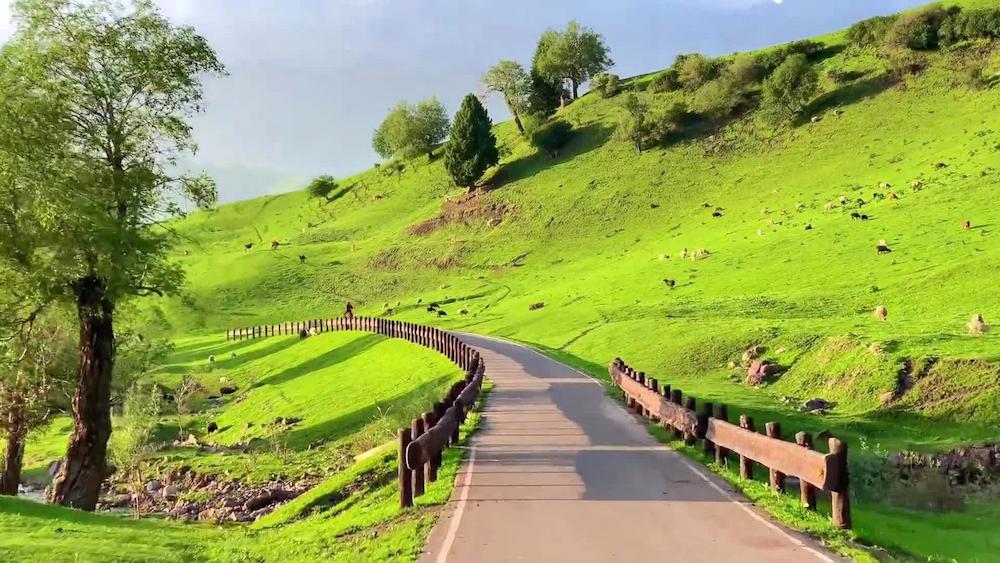
In 2022 I ran a three week comparison. I started in Urumqi on June 2, rented a Toyota Land Cruiser for ¥900 a day, and drove toward Nalati. The grasslands were already green, the Duku Highway was open, and I met a Kazakh family who charged me ¥40 for fresh mare’s milk and flatbread. Two weeks later I flew to Lhasa. The Potala Palace ticket was ¥200, and the altitude hit harder than I expected even after years at high passes in Xinjiang.
The lesson stuck: Xinjiang rewards flexibility and a car, while Tibet rewards patience and a permit. When I wrote our Xinjiang vs Tibet Guide, the hardest part was the timing, because the Best Time for Xinjiang vs Tibet is never a single month. The trade off is distance versus altitude. If you hate altitude sickness, Xinjiang’s lower valleys feel easy. If you crave wide open plateau light, Tibet in August is hard to beat.
For the Xinjiang vs Tibet Xinjiang side of the planning, the bigger risk is not weather but distance. A “short” hop from Turpan to Kashgar is 1,000 km of desert highway. Tibet’s distances are also long, yet the roads close for snow far more often. That is why I tell people to plan Xinjiang earlier in the season and Tibet slightly later.
How to Get There
Most visitors reach Xinjiang through Urumqi Diwopu International Airport (URC), which has direct flights from Beijing, Shanghai, Guangzhou, and Chengdu. A one way economy seat from Chengdu runs about ¥1,200 in peak summer. The train is slower but scenic: the Shanghai to Urumqi sleeper takes roughly 40 hours and costs ¥700 for a hard sleeper.
Tibet is different. Foreign travelers generally fly into Lhasa Gonggar Airport (LXA) from Chengdu, Xian, or Kathmandu. The Chengdu to Lhasa flight is about ¥1,500 one way. The famous train from Xining to Lhasa takes 21 hours and helps with altitude adjustment, but you still need the Alien Travel Permit arranged through a registered agency before you board.
Permits are the part people forget. I cover the paperwork in detail in our Xinjiang Visa and Permit Guide, and the same caution applies to Tibet: never book non refundable hotels until the permit is in hand. I have seen two groups stranded in Xining for three days waiting on documents.
Best Time to Visit: the Best Time for Xinjiang vs Tibet
The best time to visit Xinjiang vs Tibet is not the same window. Here is how the seasons actually feel on the ground.
Spring (April to mid May). Xinjiang’s south warms first; apricot blossoms near Kashgar draw photographers by late April. Tibet is still cold, and many passes are shut. I would not send a first timer to Tibet before mid May.
Early summer (late May to June). This is my favorite window for Xinjiang. The Duku Highway opens around June 1, grasslands are emerald, and crowds are thin. Tibet starts to open too, though nights stay near freezing above 4,000 meters.
Peak summer (July to August). Both regions are busy. Xinjiang’s fruits peak: Hami melons, grapes in Turpan, and peaches in the Ili valley. Tibet has its clearest skies but the most tourists. Prices for cars and rooms climb 30 to 50 percent.
Autumn (September to early October). The single best month for both, in my opinion. Xinjiang’s poplar forests turn gold around early October, especially near Luntai. Tibet stays open and the air is dry and crisp. After October 10, both regions cool fast and Tibet’s roads begin to close.
Winter (November to March). Xinjiang offers skiing near Urumqi and frozen Sayram Lake, but many sites shut. Tibet is harsh, with closed passes and few services. I only recommend winter to experienced travelers.
My clear recommendation for the Best Time for Xinjiang vs Tibet: aim for the last week of September. You catch both regions at their most stable, the light is flat and photographic, and you beat the National Day crowds that arrive October 1.
If you want to drive the timing yourself, our Xinjiang Self-Driving Guide explains which mountain roads open when, and why June 1 is the date every rental company watches.
Where to Stay
Budget. In Xinjiang, hostels and guesthouses in Kashgar’s old town run ¥80 to ¥150 a night. In Tibet, Lhasa backpacker spots near the Barkhor are similar, around ¥90 to ¥160. Book these a week ahead in August.
Mid range. A clean three star in Urumqi or Lhasa costs ¥300 to ¥500. I often put groups at the Hoi Tak in Urumqi (¥380) for its location near the bazaar. In Lhasa, the Peace Hotel sits a short walk from the Potala and runs about ¥420.
Upper. Xinjiang has solid four and five stars in Urumqi and Kashgar; expect ¥700 to ¥1,200. Tibet’s top options near the Potala reach ¥1,000 to ¥1,800 in peak season. For a splurge, the St Regis Lhasa is worth it if altitude comfort matters to you.
Food
Xinjiang food is hearty and cheap. A plate of laghman noodles in a roadside spot costs ¥18 to ¥25. Chengde big plate chicken (da pan ji) for two runs ¥68 to ¥98 and comes with belt noodles. In Kashgar, a full mutton skewer (chuanr) is ¥3 to ¥5 each; ten of them plus naan feeds two for under ¥60. Fresh pomegranate juice in season is ¥10 a cup.
Tibet leans toward momos and noodle soups. Beef momos in Lhasa cost ¥15 for ten. A bowl of thenthuk (hand pulled soup) is ¥20. Butter tea is an acquired taste and usually free with a meal. Yak steak at a tourist restaurant runs ¥88 to ¥120 a portion, which is pricier than Xinjiang’s lamb.
One practical note: in both regions, eat where locals queue. I have never been sick at a stall with a line out the door, and I have been sick once at an empty “recommended” place near a tour bus lot.
Practical Tips
- Start Tibet later than Xinjiang. Book Xinjiang for late May or June, then move south after mid June when passes clear.
- Arrange permits through a registered agency at least 15 days early. Walk in applications in Lhasa are not reliable for foreign travelers.
- Build rest days for altitude. Spend two nights in Lhasa before going higher; the difference between a good and bad trip is often just 48 hours.
- Carry cash in small bills. Many grassland yurts and roadside stands in Xinjiang do not take cards, and rural Tibet is similar.
- Pack for two seasons in one bag. Mornings near Karakul Lake hit 5°C in July; afternoons in Turpan pass 38°C. Layers beat a heavy coat.
- Book the Duku Highway stretch mid week. Weekend traffic on this single lane mountain road can add three hours to a five hour drive.
Sample Itinerary
This 12 day plan stacks the two regions in the right order for a September trip:
- Day 1 to 2: Urumqi. Arrive, see the Regional Museum and the International Bazaar, eat laghman. Sleep low to adjust.
- Day 3 to 5: North Xinjiang. Drive the Duku Highway to Nalati and Bayinbuluke. Grasslands are gold tinged by late September.
- Day 6: Turpan. Fly or train south; see the Grape Valley and the Karez system. Hot but dry.
- Day 7: Kashgar. Flight to Kashgar, walk the old city, Sunday livestock market if timing allows.
- Day 8: Fly to Lhasa. Begin altitude rest. Light walking only around the Barkhor.
- Day 9 to 10: Lhasa. Potala Palace, Jokhang Temple, Sera Monastery. Take a permit day trip to Yamdrok Lake.
- Day 11 to 12: Shigatse or depart. Go higher if you feel strong, or fly out from Lhasa. Keep the buffer for weather delays.
If you want the full routing with drive times and border notes, our Xinjiang vs Tibet Itinerary lays it out day by day, including where the two regions connect by air.
FAQ
Is the Xinjiang vs Tibet Xinjiang route better in spring or autumn?
Autumn, without question, for stable weather and open roads. Spring works only in Xinjiang’s south and still carries a risk of late snow on northern passes.
Can I visit both regions in one trip?
Yes, but order matters. Do Xinjiang first in late May or September, then fly to Lhasa once Tibet’s passes are clear. Trying to reverse the order in spring often fails on closed roads.
Which region is easier for first time China travelers?
Xinjiang, mostly because of lower elevation and fewer permit steps. Tibet demands advance permits and altitude planning that can overwhelm a first timer.
What is the cheapest month to do both?
Late September sits just before the National Day price spike, so rooms and cars are still at shoulder rates. Avoid the first week of October if you are watching costs.
Do I need a guide in Tibet?
Foreign travelers need a registered agency to arrange the Alien Travel Permit, and most itineraries run with a guide and driver. Xinjiang has no such rule and you can self drive.
How many days minimum for both?
Plan at least 10 to 12 days. Anything shorter means cutting one region, and both deserve more than a rushed stop.
Disclaimer
Prices, permits, and road opening dates change from year to year. The figures above reflect my trips through 2023 and are meant as planning ranges, not guarantees. Always confirm current visa and permit rules with the official Chinese embassy or consulate and with a registered Tibet travel agency before you book. Weather and road closures can shift the best travel window by several weeks, so treat this guide as a starting point and verify close to your departure.