

Published: 2026-07-30 | Author: Karl Huang
The first time I set foot on territory covered by this Xinjiang Silk Road History Guide was a cold March morning in 2019, standing outside the Jiaohe Ruins ticket gate near Turpan. The wind off the Flaming Mountains was sharp, the entry fee was 70 yuan, and I had 40 minutes before the 10:00 opening. That wait turned into the best history lesson of my traveling life. Over eight seasons I kept following those old caravan paths, and this Silk Road Itinerary Guide is the practical companion I wish I had on day one.
Quick Reference
| Field | Detail |
|---|---|
| Location | Xinjiang Uyghur Autonomous Region, the Tarim and Dzungaria oasis corridor between the Tianshan and Kunlun ranges |
| Historical Role | Junction of the Northern, Central and Southern Silk Roads linking China with Central Asia, Persia and the Mediterranean |
| Best Time to Visit | April to June and September to October, when heat and crowds are manageable |
| Typical Entry Fee | 35 to 70 yuan for ruins and cave sites; most regional museums are free with advance ID booking |
Xinjiang Silk Road History Guide: The Three Routes I Walked
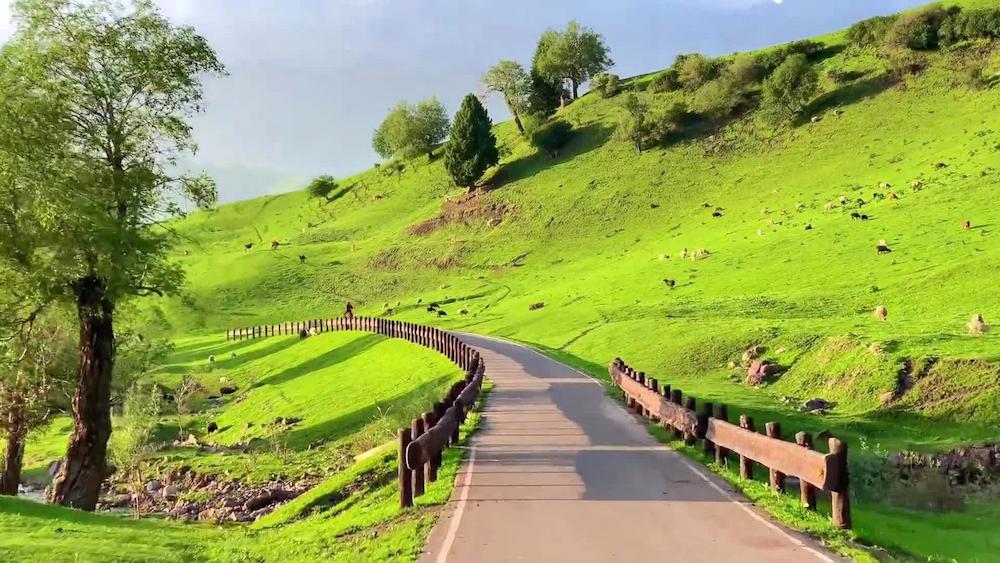
Xinjiang was never a single road. It was a web of oasis states strung along three main threads, and the choice of thread decided whether a merchant froze in the mountains or baked in the sand. The Northern route ran west from Turpan along the foot of the Tianshan, through Korla, Kuqa and Aksu, before bending down to Kashgar. The Central route skirted the northern edge of the Taklamakan Desert through the same oasis towns but cut closer to the dunes. The Southern route followed the Kunlun foothills past Khotan, then pushed east through Niya and Cherchen toward Dunhuang.
I drove the Northern route in 2021 and the difference from a guidebook map was immediate. At Kizil Caves, 70 kilometers north of Kuqa, I paid 70 yuan and arrived at 11:30 to find only six of the 236 known caves open to visitors. The murals inside, painted around the 3rd to 8th centuries, are the oldest Buddhist art in China and they predate the cave temples of Dunhuang by centuries. A local guide named Ablet walked me through cave 17 and explained the Gandhara influence in the faces. That conversation taught me more than any plaque.
Further east, the Tang dynasty left its stamp on Gaochang and Jiaohe, two abandoned cities that sit within 50 kilometers of each other near Turpan. Gaochang charged me 40 yuan and was the larger of the two, a walled town where Xuanzang, the monk who traveled west for scriptures in 629 AD, reportedly lectured. Jiaohe cost 70 yuan and felt more intact because it was carved from a single clay plateau rather than built up with brick. Standing on its main avenue at sunset, with the wind filling the empty streets, I finally understood why this corridor mattered for two thousand years.
The Southern route tells a harder story. Khotan was famous for jade and silk, and I spent a morning at the Khotan Jade Market watching dealers weigh raw river stones. But the grand stops of that route, Loulan and Niya, are closed archaeological zones. You cannot buy a ticket. I learned this the hard way in 2022 when a driver offered to “take me past the fence” near Ruoqiang. I declined. The sites are protected for good reason, and the permit system is strict.
How to Get There
Most travelers enter Xinjiang through Urumqi, the regional capital and the eastern anchor of the northern Silk Road today. From Urumqi the high-speed rail reaches Turpan North in 56 minutes for about 51.5 yuan, which makes a Turpan day trip easy. A broader Xinjiang travel guide covers transport options in more depth, but the rail and air basics below are what most visitors actually use. The same line continues west, but reaching Kashgar by ordinary train takes 15 to 20 hours, so most visitors fly. A Urumqi to Kashgar flight runs roughly two hours and cost me between 1,100 and 1,400 yuan depending on season.
From Beijing, the practical entry is a flight to Urumqi of about 4.5 hours, with fares from 900 to 1,500 yuan. The Beijing Urumqi high-speed line also connects overland if you want the slow version of the journey west. From Xi’an, the historic eastern start of the Silk Road in China proper, a flight to Urumqi takes about 3.5 hours. Kashgar at the western end has its own airport with direct flights from several Chinese cities, and it is the jumping off point for the Karakoram Highway toward Pakistan.
Best Time to Visit
Spring, from April to May, brings moderate temperatures and apricot blossoms across the Turpan and Kashgar oases. My March trip was colder than ideal but almost empty, which meant I had Jiaohe to myself for long stretches. Summer, June through August, is the high season. Turpan regularly hits 45 degrees Celsius and the schools are on break, so sites are busy and hotels fill up. For the best time to visit Xinjiang Silk Road history sites, I point travelers to two windows: late April to early June, and late September to early October. The autumn window is the clear winner. The air cools, the grape harvest fills the markets, and the poplar forests near Kashgar turn gold. I recommend late September to early October as the single best window. Winter, November to March, is quiet and cheap, but the Duku Highway closes and some cave sites limit opening hours.
Where to Stay
Budget travelers do well in the old cities. In Kashgar Old City I found guesthouses from 80 to 150 yuan a night, and in Turpan a clean hostel ran 100 to 180 yuan. These places put you within walking distance of the morning markets and the mosques. Mid range options, four star hotels in Urumqi and Kashgar, cost 300 to 500 yuan and give you reliable heating, which matters in spring and autumn. Upper end properties, including the revived Silk Road branded hotels in Urumqi, run 600 to 1,200 yuan and add proper concierge help for booking guides and permits.
Food
The Silk Road was a trade of goods and a trade of recipes, and Xinjiang still shows it. Polo, the local pilaf of rice, carrot and lamb, cost me 25 to 40 yuan a plate. Laghman noodles, hand pulled and topped with stir fried vegetables and meat, ran 20 to 35 yuan. Kebabs sold for 3 to 5 yuan each at street grills, naan bread was 3 to 6 yuan, and samsa pastries from the tandoor were 6 to 10 yuan. In Kashgar I ate hand grabbed rice with a local family for about 45 yuan and finished with melon so sweet it tasted like dessert. The night markets, especially in Kashgar and Urumqi, are where the Silk Road fusion is most alive today.
Practical Tips
- Book museum slots online before you go. The Xinjiang Regional Museum in Urumqi is free but requires ID based timed entry, and walk up tickets are rarely available in peak season.
- Carry some cash. Small ruin gates and rural cave sites often take only cash, and the card reader at Bezeklik failed on me twice.
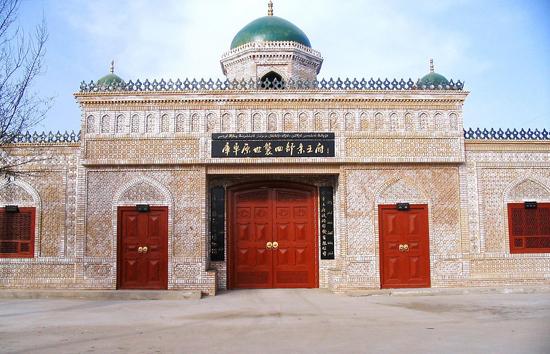
- Respect mosque etiquette. At Id Kah Mosque in Kashgar, cover shoulders, remove shoes where asked, and avoid photos during prayers.
- Hire a licensed guide at the cave sites. The murals make little sense without someone who can point out the Buddhist and later Islamic layers.
- Fuel up before desert drives. Between Kuqa and the southern oases, gas stations can be 150 kilometers apart, and there is no signal for maps.
- Download offline maps and a translation app. English signage at the ruins is limited, and a guide app saved my Kuqa day more than once.
Sample Itinerary
This seven day plan follows the Northern route, which holds the densest cluster of open Silk Road sites.
Day 1, Urumqi. Arrive and spend the afternoon at the Xinjiang Regional Museum. The Tarim mummies and silk fragments there set the timeline before you see the real ruins.
Day 2, Turpan. Take the 09:20 D train to Turpan North. Visit Jiaohe in the morning, Gaochang after lunch, then Bezeklik Caves and the Karez water system before sunset.
Day 3, Turpan to Kuqa. Drive or take the rail south to Korla, then continue to Kuqa. Rest and eat polo at the night market.
Day 4, Kuqa. Full day at Kizil Caves, the Subashi ruins, and the Tianshan Grand Canyon. Hire a guide at the caves.
Day 5, Kuqa to Kashgar. Fly or take a long drive west. Save the energy for the old city.
Day 6, Kashgar. Walk the Old City, visit Id Kah Mosque, and catch the Sunday livestock market if your timing lines up.
Day 7, Pamir day trip. Head toward Karakul Lake on the Karakoram Highway. Note the Border Travel Permit requirement before you commit.
FAQ
Do I need a special permit to follow the Silk Road sites?
The oasis ruins and caves do not require a permit. The Pamir Plateau and Karakoram Highway do require a Border Travel Permit, which you arrange in Kashgar with your passport.
How many days do I need?
Seven days covers the Northern route highlights from Urumqi to Kashgar. Two weeks lets you add the southern oasis towns and the Pamir drive.
Is it safe for foreign visitors?
The tourist sites are secure and well patrolled. Follow local advice, keep your passport handy, and register at hotels as required. A best time to visit Xinjiang guide helps you avoid the hottest and coldest extremes.
Which museum is worth the most time?
The Xinjiang Regional Museum in Urumqi. The mummies, documents and silk pieces there explain the whole corridor before you spend hours at the ruins.
Can I visit Loulan or Niya?
No. Both are restricted archaeological zones closed to casual travel. You will see related artifacts in the museums instead.
Is English signage available?
Limited at the ruins. A licensed guide and an offline translation app bridge most gaps, and train and airport signage is bilingual.
Disclaimer
Entry fees, train times, flight prices and permit rules change without notice. The figures above reflect what I personally paid or observed on trips between 2019 and 2023 and are shared as planning estimates, not guarantees. Always confirm current prices, opening hours and border permit requirements with the official site, the museum, or your hotel before you travel. This article is independent travel guidance and is not affiliated with any government body or ticket seller.