

Published: 2026-07-28 | Author: Karl Huang
When I built my first Xinjiang itinerary around walking instead of driving, I had no idea how much this region would reward slow travel. The Xinjiang Trekking Itinerary I am about to share comes from six treks I completed between 2018 and 2024, from the birch forests near Hemu to the glacier views below Muztagh Ata. On my 2019 Kanas loop I paid 100 CNY for the bus from Burqin to Hemu, slept in a wooden guesthouse for 120 CNY a night, and walked 38 kilometers over three days with a permit that cost 50 CNY at the Kanas administration office. Those numbers are real, and they frame everything below.
Quick Reference
| Item | Detail |
|---|---|
| Primary region | Altay (north) and Pamir (south) |
| Typical permit fee | 50 to 100 CNY per controlled area |
| Best window | June to September |
| Lowest trailhead elevation | 1,300 m at Hemu and Kanas |
| Highest camp | 4,500 m at Muztagh Ata base |
| Daily food budget | 60 to 90 CNY |
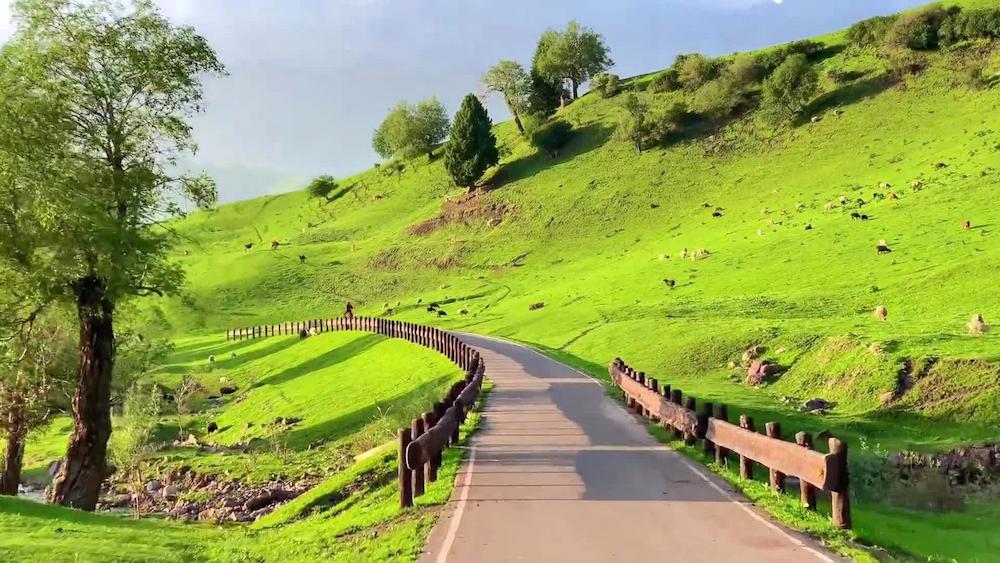
My Xinjiang Trekking Experience
I started in the Altay range because the access is straightforward. From Burqin I caught a 7 a.m. bus that reached Hemu village around ten. The walk from Hemu to Kanas lake took me three days, and the second morning delivered the kind of fog-and-pine view that no viewpoint road can match. What surprised me most was the quiet. On a Tuesday in early July I met maybe four other hikers on the whole stretch, and two of them were a father and son from Urumqi who had done the route every summer since 2010.
Two years later I went south. The Pamir treks near Tashkurgan are harder, colder, and far emptier than the north. I hired a local guide in Tashkurgan for 400 CNY a day after the border police told me solo walking near the Khunjerab corridor was not allowed without one. That single rule shaped my whole plan, and I repeat it below because it matters for your safety as much as for the paperwork.
The moment that sold me on this style of travel happened on day four of the 2023 loop. I had left Kanas before sunrise to reach the fish-watching platform, and the lake sat still and silver under a thin layer of low cloud. No bus, no parking lot, no crowd. Just the sound of a distant woodpecker. That is the payoff of a Xinjiang Trekking Itinerary: you trade convenience for moments that scheduled tours cannot reach.
How to Get There
Most treks begin from a regional hub. For the north, fly or take the train to Urumqi, then reach Burqin by coach (about 10 hours, 150 CNY) or rent a car through the Xinjiang Self-Driving Guide if you prefer your own wheels and a flexible schedule. From Burqin, local buses reach Hemu and Kanas on a roughly hourly basis in summer.
For the Pamir, fly from Urumqi to Kashgar (roughly 2 hours, from 900 CNY booked early), then take a shared 4×4 from Kashgar to Tashkurgan. That ride is 300 kilometers and takes six to seven hours, with a checkpoint at the Karakoram Highway gate where you show your border permit. I left Kashgar at 9 a.m. and reached Tashkurgan near four in the afternoon, stopping at the Karakul Lake pullout for an hour to let the altitude register.
Within each region, plan on foot plus the occasional village shuttle. Hemu and Kanas are linked by a horse-cart road in peak season (80 CNY) if your legs are done, but I walked it and saved the cash for food. In the Pamir, your guide usually arranges the 4×4 to the trailhead, which I negotiated into the 400 CNY daily rate.
Best Time to Visit
The Xinjiang travel guide archive and my own logs agree on one thing: the best time to visit xinjiang trekking itinerary routes is June through September. Snow closes the high passes by late October, and May is muddy and mosquito-heavy in the north forests.
Spring (April to May) is green but wet, and many guesthouses in Hemu reopen only in June. Summer (June to August) is warm and busy; the Kanas area sees the most visitors in July, with the parking lots full by ten in the morning. Autumn (September) is my favorite for the Altay because the birch turn gold and the crowds thin to a trickle after the mid-month school restart. The Pamir stays cold even in August, with nighttime temperatures near freezing at base camp, so I packed a zero-degree sleeping bag for a July trip.
Winter trekking is possible only for experienced parties with full gear, and several permits pause entirely between November and March. My clear recommendation: go in the first three weeks of September for the north, and in July for the Pamir, when the access roads are most reliable and the risk of a snow-blocked pass is lowest.
Where to Stay
Budget. Wooden guesthouses in Hemu and the hostels in Tashkurgan run 100 to 150 CNY a night. I paid 120 CNY in Hemu and 130 CNY in Tashkurgan. They are basic, with shared bathrooms and thin walls, but the locations are unbeatable and the hosts lent me a thermos every morning without being asked.
Mid-range. In Burqin and Kashgar you can find clean hotels with private baths for 250 to 400 CNY. I stayed at a place in Kashgar old city for 320 CNY and walked to the Id Kah mosque in eight minutes, which made the pre-dawn call to prayer part of the trip rather than a nuisance.
Upper. Urumqi and Kashgar have international hotels at 600 CNY and up, good for the acclimatization nights before a Pamir push. On the treks themselves, the only upper option is a paid tent camp with meals, which I used once near Muztagh Ata for 500 CNY including dinner and breakfast. Worth it on the cold night, not needed in the north where guesthouses suffice.
Food
Carry cash. Small village stalls and trailside yurts rarely take cards, and the one time I relied on a scanned payment it failed at the Karakul turnoff. My typical day cost 60 to 90 CNY in food.
- Laghman hand-pulled noodles with mutton: 25 CNY
- Samsa baked buns: 8 CNY each
- Mutton skewers (kawap): 5 CNY per stick
- Naan flatbread: 4 CNY
- Black tea by the pot in a yurt: 10 CNY
In Tashkurgan I ate a lot of yak meat dumplings at 30 CNY a plate, which helped at altitude where my appetite dropped and plain rice stopped appealing. Pack energy bars from Urumqi before heading south, since the Pamir has few shops and the ones that exist close by seven. I also carried a small jar of honey from a Burqin market that turned cold noodles into something I looked forward to.
Practical Tips
- Get your border permit in Kashgar before going south. The office opens at 10 a.m. and the process took me 40 minutes with my passport and a printed hotel booking.
- Acclimatize. Spend two nights in Tashkurgan (3,200 m) before any high camp, and skip the first-day exertion even if you feel fine.
- Hire a licensed guide for Pamir treks. It is required near the border and costs about 400 CNY a day, negotiated to include the 4×4 to the trailhead.
- Download offline maps. Signal disappears past the Karakul Lake turnoff, and I once walked an extra kilometer because the painted trail markers had faded.
- Bring cash in small bills. Guesthouses and stalls often cannot make change for 100 CNY notes, and the nearest ATM was back in Kashgar.
- Pack for two seasons. I wore a t-shirt at noon and a down jacket at 9 p.m. on the same September day in Hemu, where the temperature swing touched 20 degrees.
For a full gear checklist before you fly, see the Xinjiang Packing List Guide, which covers boots, filters, and the cold-weather layer I wish I had bought sooner.
Sample Itinerary: Your Xinjiang Trekking Itinerary Day by Day
This nine-day north-and-south plan is the route I ran in September 2023. It pairs well with the longer routes in the 14-Day Xinjiang Itinerary Guide if you have more time and want to add Turpan or the Duku Highway afterward.
- Day 1: Fly to Urumqi, then an evening flight or overnight train to Altay. Rest and buy trail snacks.
- Day 2: Bus Burqin to Hemu (100 CNY, 3 hours). Walk the village trails, sleep in a guesthouse.
- Day 3: Trek Hemu to the mid-forest camp, 14 km, about 6 hours with a long lunch by the river.
- Day 4: Trek to Kanas lake, 12 km, afternoon boat option at 120 CNY.
- Day 5: Rest day at Kanas, visit the fish-watching platform at sunrise before the day-trippers arrive.
- Day 6: Bus back to Burqin, then an overnight coach or flight to Urumqi.
- Day 7: Fly Urumqi to Kashgar, explore the old city and the livestock market.
- Day 8: 4×4 to Tashkurgan via Karakul Lake, acclimatize with a short walk.
- Day 9: Guided Pamir walk to a glacier viewpoint and return to Tashkurgan by dusk.
FAQ
Do I need a permit for every trek? Not every one. The Hemu to Kanas walk needs a Kanas area ticket and a separate trekking note I bought for 50 CNY. The Pamir border zone requires the Kashgar-issued permit plus a guide. Always check the current rule with the Xinjiang Visa and Permit Guide before travel, since the lists change.
Is trekking in Xinjiang safe for solo travelers? The north loop is fine solo, and I met several people doing exactly that. The south near the border is not, by regulation and by terrain, and I never walked the Pamir alone.
How fit do I need to be? The Altay walks are moderate, 10 to 15 km a day with a light pack. The Pamir base camp push is strenuous because of the altitude, and I trained with weekend hikes for two months first to avoid a miserable first day.
Can I trek in winter? Some locals do, but most permits pause and guesthouses close. I do not recommend it unless you have expedition experience and a local contact who will vouch for the route.
What is the single best month? Early September for the north, July for the Pamir. Those are the windows where access, weather, and scenery line up without the summer crowds or the autumn cold snaps.
Disclaimer
Prices, permits, and access rules change. The fees and times above reflect my own trips between 2018 and 2024 and may differ when you travel. Border permit policies in the Pamir region in particular shift with local security conditions and seasonal closures. Always confirm with official sources, your embassy if relevant, and on-the-ground authorities before committing to a route, and never enter a controlled zone without the required paperwork.