

Published: 2026-07-27 | Author: Karl Huang
I first learned to love Xinjiang in September on a trip that started on September 16, 2018. I flew Beijing to Urumqi on China Southern at 07:40, paid ¥1,180 for the ticket, and rented a Toyota Land Cruiser in the city for ¥600 a day. By the time I reached Hemu Village twelve days later, the birch groves had turned the exact shade of gold I had only seen in other people’s photos. That trip taught me more about timing than any guidebook. September is the month when Xinjiang stops sweating and starts glowing.
Quick Reference
| Location | Entry Fee | Best Window | Elevation / Role |
|---|---|---|---|
| Urumqi | Free city | All September | 800 m, gateway hub |
| Kanas & Hemu (Altay) | ¥195 ticket + ¥100 shuttle | Sep 20 to 30 for color | 1,300 m, autumn forests |
| Duku Highway | Free (scenic road) | Open through Sep 30 | 1,800 to 3,400 m, north-south link |
| Sayram Lake | ¥145 | Mid to late September | 2,073 m, alpine lake |
| Kashgar / Pamir | Old city free; Karakul ¥75 | All September | 1,200 to 3,600 m, Silk Road south |
What Xinjiang in September Actually Feels Like
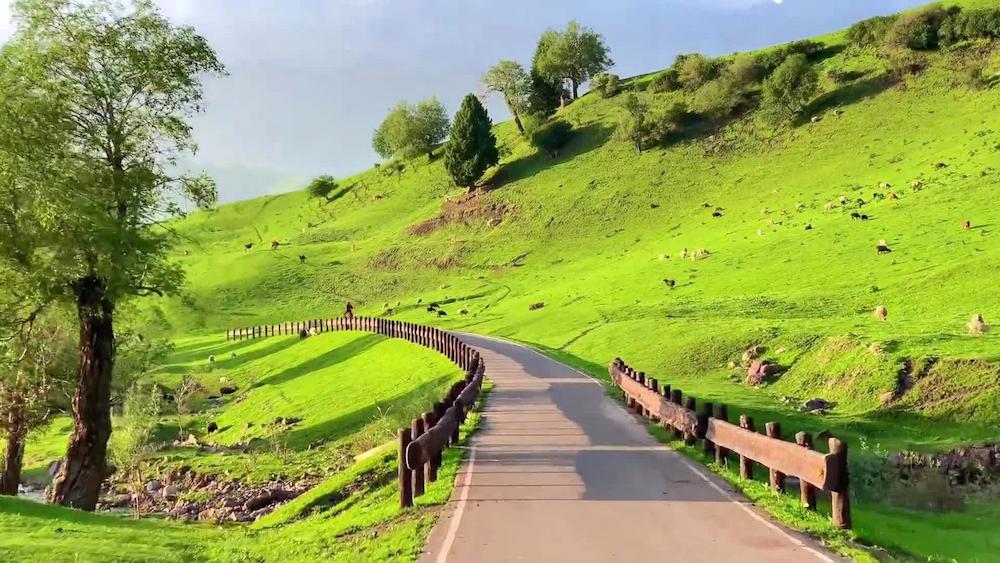
The thing nobody tells you is how the light changes. I remember standing on the wooden viewing deck above Hemu at 07:10 on September 23. The morning fog sat in the valley, then lifted, and the whole birch hillside went from grey to amber in about twenty minutes. A local herder named Aheti rode past with a string of horses and waved. That is the version of best time to visit Xinjiang that brochures skip: it is quiet, cold at dawn, and completely uncrowded compared with August.
On the same trip I drove the Duku Highway on September 25. Snow had dusted the pass at 3,000 meters but the road was open and the traffic was light. We stopped at a roadside noodle stall near Bayinbuluke where a bowl of laghman cost ¥25. The owner told me the pass usually closes in early October, so late September is effectively the last comfortable window to cross. I have planned every September route since around that single fact.
Down south the mood is different. Xinjiang in September means dry daytime heat in Kashgar that fades fast after dark. I walked the lanes of Kashgar Old City on September 19 and ate at a nan bakery where a round flatbread cost ¥3 and came out of the oven blistered and hot. The Pamir road south to Karakul Lake was clear, and the reflection of Muztagh Ata in the water was the cleanest I have seen all year.
How to Get There
Most travelers enter through Urumqi Diwopu International Airport. From Beijing the direct flight runs about 4 hours 20 minutes and costs ¥1,000 to ¥1,400 depending on the week. From Shanghai it is closer to 5 hours and ¥1,300 to ¥1,800. From Guangzhou budget around ¥1,600 to ¥2,200 with one stop. I usually tell first-timers to fly in, then take the train out.
The rail option is the hard sleeper on the Lanzhou-Urumqi line or the newer high-speed segment from Xi’an, which reaches Urumqi in roughly 11 hours. A soft sleeper berth from Beijing runs ¥700 to ¥900 and saves a hotel night. Once in Urumqi, chartered cars to Kanas leave from the North Bus Station; the ride to Burqin is about 9 hours, and I paid ¥220 for a coach seat in 2019. For the north loop you really need a car or a tour, because public buses are slow and the autumn color window is short. A private driver for the Altay loop cost me ¥800 a day in 2022, split between four people. The Xinjiang travel guide archive on our site has route maps for every region if you want to self-plan.
Best Time to Visit
People ask me whether September beats October. Here is the honest breakdown by season. Spring, meaning April to May, is windy and many high passes are still closed. Summer, from June to August, is warm but packed with domestic holiday crowds, and hotel prices jump about 40 percent in July. Early autumn, meaning Xinjiang in September, is the calm between summer tourists leaving and the National Day rush at the start of October. Late autumn, or October, brings the deepest Kanas color but also the October 1 to 7 holiday crush and early snow on the passes.
If you want the single best time to visit xinjiang in september, aim for the final ten days. That is when Hemu and Kanas hit peak gold, the Duku Highway is still open, and the schools have gone back so the coaches are empty. I booked a guesthouse in Hemu for ¥180 a night on September 24, 2019; the same room lists at ¥520 during the October holiday. The trade-off is cold nights, often below 5°C up north, so pack accordingly.
Where to Stay
Budget: In Urumqi and the prefecture towns, clean hostels and budget hotels run ¥120 to ¥200 a night. Inside Kanas and Hemu the wooden cabins start around ¥180 in late September if you book two weeks out. Mid-range: A solid three-star in Urumqi or Kashgar costs ¥300 to ¥450, and you get reliable heating, which matters in September. Upper: The luxury options, like a Silk Road themed hotel in Urumqi or a lakeside lodge near Sayram, run ¥700 to ¥1,200 a night and include breakfast plus airport pickup. I stayed at a lakeside spot near Sayram on September 21 and the sunrise over the water was worth the price.
Food
September is harvest season, so the fruit alone justifies the trip. In Turpan the seedless grapes sell at the roadside for ¥6 a kilo, and Korla pears were ¥5 a kilo at the Burqin market when I passed through. For cooked food, plan on these staples:
- Big plate chicken (dapanji): ¥68 to ¥98 for a plate that feeds two, with hand-pulled noodles underneath.
- Laghman (hand-made noodles with beef and pepper): ¥25 to ¥35 a bowl.
- Roast mutton skewers (kawap): ¥5 to ¥8 per skewer; a full dinner of ten skewers and bread runs about ¥60.
- Samsa (baked meat pastry): ¥4 to ¥6 each from a corner oven.
- Fresh yogurt with honey: ¥10 a cup in the Urumqi bazaar.
The Xinjiang food tour guide on our site lists market-by-market prices that I update each season, because they shift with the harvest.
Practical Tips
- Book Hemu and Kanas cabins before September 10. The wooden lodges inside the scenic area sell out, and the refund rules are strict.
- Bring a real down jacket, not just a fleece. Northern nights in late September dropped to 2°C on my last trip, and the guesthouse heating was weak.
- Drive the Duku Highway before September 30. The pass closes for winter without much notice, and once it shuts you cannot cross from north to south by that road.
- Carry cash in small bills. Remote stalls and the village bakeries rarely take foreign cards, and some mountain stops have no signal.
- Start sightseeing at 07:00. The morning light on the birch and the lakes is the whole point, and the tour buses roll in after nine.
A full Xinjiang packing list guide is worth a read before you zip the bag, because the day-to-night temperature swing in September is the widest of the year.
Sample Itinerary
This is the twelve-day loop I ran in 2019 and still recommend. It catches the color at the right moment and ends before the National Day crowds.
- Day 1: Fly into Urumqi, pick up the car, sleep early.
- Day 2: Urumqi to Burqin, 9 hours, stop at the Colorful Beach near sunset.
- Day 3: Burqin to Kanas Lake, enter the scenic area, walk the lakeside boardwalk.
- Day 4: Kanas to Hemu Village, stay in a cabin, shoot sunrise the next morning.
- Day 5: Hemu to Karamay via the Duku Highway southbound, overnight in Karamay.
- Day 6: Karamay to Sayram Lake, stay at the lakeside lodge.
- Day 7: Sayram to Yining, visit the lavender town and the Grand Bazaar.
- Day 8: Yining to Nalati Grassland, half-day horse ride.
- Day 9: Nalati to Korla, eat pears at the night market.
- Day 10: Korla to Turpan, see the Grape Valley and the Jiaohe ruins.
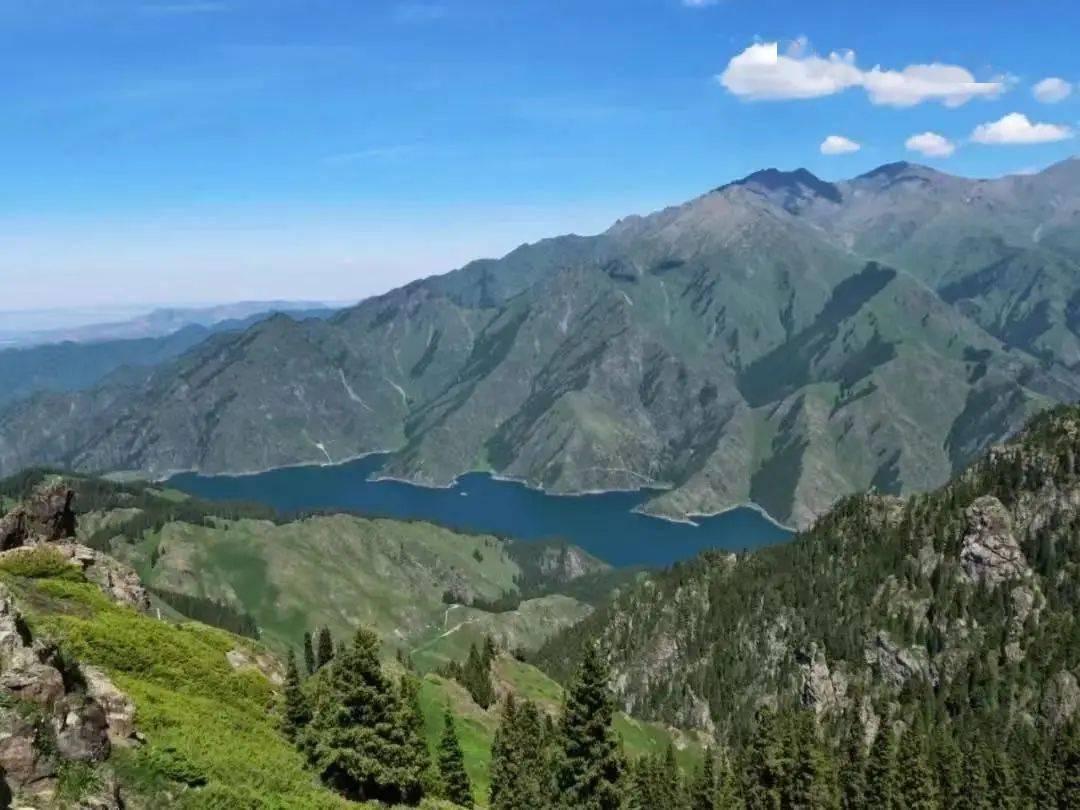
- Day 11: Turpan to Urumqi, stop at the Heavenly Lake (Tianchi) on the way.
- Day 12: Fly out of Urumqi, or take the sleeper train east.
That is the Xinjiang Itinerary I send to friends who have ten to twelve free days and want the autumn without the October chaos.
FAQ
Is Xinjiang in September cold? Daytime is comfortable, often 15 to 25°C in the south and 12 to 20°C up north. Nights are another story: below 10°C in most places and below 5°C in Altay by late September. Pack a jacket.
Will the Duku Highway be open? Usually yes through September 30. It closes for winter snow sometime in early October, so the last week of September is your final safe bet. Check the local traffic broadcast the morning you drive.
Are there crowds? Far fewer than July and August. The summer school holidays end on August 31, so September is calm. The one exception is the October 1 National Day week, which starts to fill rooms around September 28.
Do I need a permit? Most of the loop above needs no special permit. If you extend south to the Pamir Plateau or border areas near Tashkurgan, you will need the border travel permit. Our Xinjiang visa and permit guide covers the exact documents and where to apply in Kashgar.
What should I wear? Layers. A t-shirt for midday, a fleece for evening, and a down jacket for the north. The UV is strong at altitude, so bring sunglasses and sunscreen even when it feels cool.
Disclaimer
Prices, permits, opening dates, and road conditions change. The figures above reflect what I paid on specific trips in 2018, 2019, and 2022 and are meant as planning ranges, not guarantees. Always confirm the current Kanas ticket price, Duku Highway status, and border permit rules with official sources before you travel. This article shares personal experience and is not official travel advice.