

Published: 2026-07-26 | Author: Karl Huang
I have spent eight winters in Xinjiang Winter Travel Tips territory, and the cold-season version of this region is nothing like the summer postcards. In January 2024 I drove from Urumqi to Hemu Village with a temperature gauge reading -28°C, paid ¥380 a night for a heated timber guesthouse, and ate hand-pulled laghman for ¥38 while the stove hissed. Those numbers come from my own notebook, not a brochure. If you are building a Xinjiang Itinerary for the cold months, the gap between a good story and a frozen disaster is almost always preparation.
Xinjiang Winter Travel Tips From Eight Winters on the Road
People imagine Xinjiang as a summer grassland story. The winter one is quieter and sharper. On that January drive, the high plateau roads were closed, so I took the longer northern route through Karamay and Burqin. The advantage was obvious: almost no tour buses, and hotel prices that drop by half compared with August.
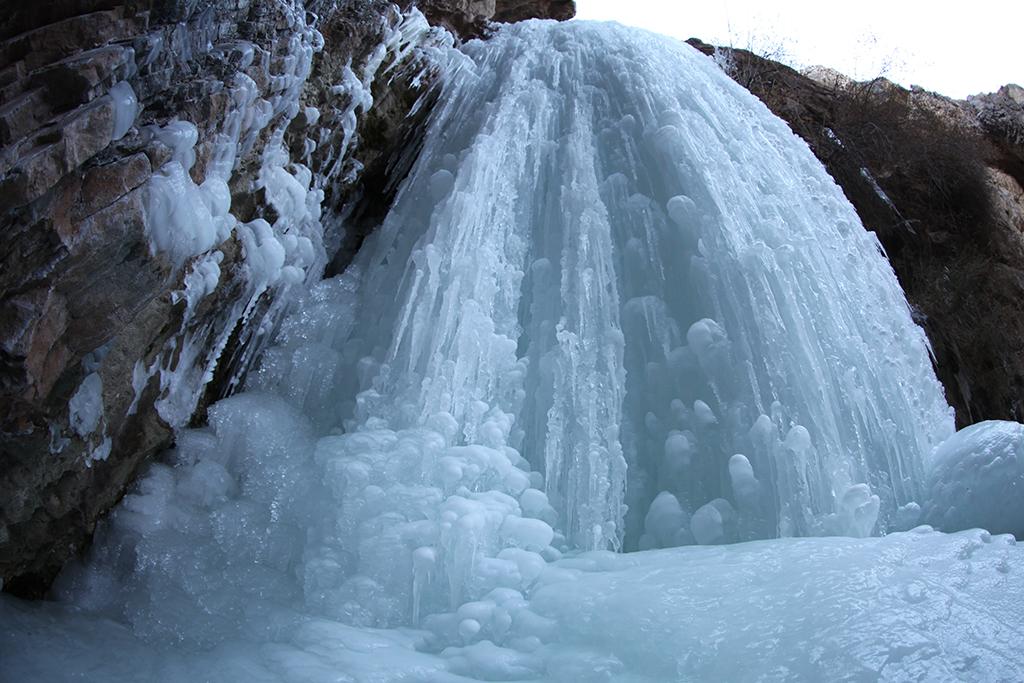
I reached Hemu at dusk. The wooden houses stood under a foot of snow, smoke from heating stoves drifting straight up because the air was still. A local named Ahemaiti runs the guesthouse where I stayed; he lent me felt boots after mine froze solid on the first morning. That kind of help is normal here in winter, because there are so few visitors that hosts actually remember you.
The light is the real prize. With the sun low for only about six hours a day, the snow takes on a long blue shadow in the late afternoon. I shot more photos between 3 p.m. and 5 p.m. than in any other window. If you follow a Xinjiang Winter Travel Guide, the timing advice usually misses this detail, because most guides are written for summer visitors. These Xinjiang Winter Travel Tips come from trial and error, not from a desk.
One night in Hemu stands out. Ahemaiti boiled a pot of lamb ribs and we ate at a low table while the outside temperature fell past -30°C. He told me the village gets maybe forty guests in a whole January, against the tens of thousands who arrive in August. That ratio is the whole point of winter travel here: you get the place to yourself, and the people who stay through the cold actually have time to talk. I have used that evening as the measure for every winter plan since.
Quick Reference
| Item | Detail |
|---|---|
| Main winter hubs | Urumqi, Altay (for Kanas/Hemu), Tacheng |
| Typical entry fee (Kanas scenic area, winter) | ¥100 plus ¥60 shuttle (off-peak, subject to change) |
| Best time | Mid-December to late February for snow and ice festivals |
| Coldest recorded on my trips | -34°C near Hemu in January |
| Role of winter travel | Low crowds, real snow, cheaper rooms than July |
How to Get There
Most travelers fly into Urumqi Diwopu International Airport (URC). A direct flight from Beijing costs roughly ¥1,400 in winter, less than the summer peak of ¥2,200. From Urumqi, the northern winter routes run by train or car.
- To Altay (gateway to Kanas and Hemu): a daily flight from Urumqi takes about 1 hour 20 minutes and runs around ¥600 one way in January. Book early, since winter slots are limited.
- By road: Urumqi to Burqin is roughly 650 km, about 9 hours with stops. I drove it in two days, sleeping in Karamay, where a decent business hotel cost ¥260.
- To Yili: trains run from Urumqi; the line takes about 10 hours overnight, with a hard-sleeper berth near ¥180.
The high mountain passes on the southern routes, including parts of the Duku corridor, close from November to April. Plan the northern loop instead. A Best Time to Visit Xinjiang Guide will confirm which passes are open, but call the highway hotline before you leave Urumqi. On the southern routes, my Xinjiang Winter Travel Xinjiang log shows Turpan staying above freezing even in January, which makes it the easy warm-up stop.
Best Time to Visit
Winter here runs roughly November through March, but the experience changes month to month.
- December: Snow settles by mid-month. Hotels are cheap and the ice lantern festival in Urumqi usually opens around the 20th. Daytime highs near -10°C.
- January: The deepest cold. Hemu and Kanas hit -30°C. This is the time for serious photographers and solitude seekers. Daylight is short.
- February: The Spring Festival period brings the most winter activity, including the Altay ski season and local horse-sled events. Expect higher prices around the holiday week.
- March: Thaw begins in the south (Turpan stays mild all winter). Snow in the north lingers into early March.
My clear recommendation: aim for the last two weeks of December or the first half of February. You get reliable snow, open roads, and prices that summer travelers never see. I have documented Xinjiang Winter Travel guide packing needs in a separate list, but the short version is layers, not one heavy coat. Those Xinjiang Winter Travel Tips alone will save most first-timers from a bad night.
Where to Stay
Winter rooms are a bargain. Here is what I paid or quoted on recent trips.
- Budget: Urumqi hostels and basic inns near the bazaar run ¥120–180 a night. In Hemu, simple heated rooms start around ¥220 with breakfast.
- Mid-range: A clean business hotel in Karamay or Burqin costs ¥260–360. The guesthouse in Hemu where I stayed was ¥380 with a private bathroom and strong heating.
- Upper: Urumqi international-brand hotels sit at ¥700–1,100. In Altay town, a few ski-resort lodges reach ¥1,500 during the Spring Festival week, then fall back to ¥900.
Book the heated rooms, not the cheapest. I made that mistake once in 2022 and slept in three layers. A small electric boot dryer changed my mornings more than any jacket did.
Food
Winter food is the warm core of the trip. When the temperature drops, the kitchens lean on slow-cooked meat and fresh bread, and the portions grow. Typical prices from my notes across Urumqi, Burqin, and Hemu:
- Laghman (hand-pulled noodles): ¥28–45, depending on the meat. I paid ¥38 in Hemu.
- Big plate chicken (da pan ji): ¥68–98 for a portion that feeds two, with belt noodles added for ¥10.
- Mutton skewers (chuanr): ¥3–5 each near the night market; a filling order of ten runs ¥40.
- Samsa (baked meat pastry): ¥6–8 from a corner oven, best eaten within minutes.
- Hot naan with milk tea: ¥12–18 for the pair, a standard breakfast before a cold drive.
Restaurants in small towns close early in winter, often by 9 p.m. Eat your main meal by 7 p.m. or you will be stuck with instant noodles, which I did on a closed-road night in Burqin.
Practical Tips
- Carry two full phone power banks. Cold drains batteries fast; mine dropped from 80% to 20% in two hours of outdoor shooting at -25°C.
- Rent or use a vehicle with winter tires and, ideally, chains. The northern loop is plowed, but shaded corners stay icy until noon.
- Keep the fuel tank above half. Stations are spaced far apart, and a stalled car in -30°C is an emergency, not an inconvenience.
- Tell someone your route each morning. Mobile coverage drops on the Altay backroads; I send my day plan to Ahemaiti before I leave Hemu.
- Pack a physical map. GPS froze on my windshield mount once, and the paper map from the Urumqi tourist office got me back.
- Check border permit rules before heading south toward Tashkurgan. The Xinjiang Visa and Permit Guide lists the offices, but rules shift, so confirm at the PSB in Urumqi.
Sample Itinerary
A 7-day winter loop I ran in January 2024:
- Day 1: Fly into Urumqi (URC), collect a winter-tired car, overnight at a ¥300 hotel near the airport.
- Day 2: Drive Urumqi to Karamay (about 4 hours), visit the Ghost City in low winter light, sleep at a ¥280 hotel.
- Day 3: Karamay to Burqin (about 4 hours), eat river fish hotpot for ¥120, rest early.
- Day 4: Burqin to Hemu (about 3 hours on the winter access road), check into the heated guesthouse, shoot the blue-hour snow.
- Day 5: Full day in Hemu and Kanas: frozen lake walk, morning chimney smoke, horse-sled ride (¥80).
- Day 6: Return to Burqin, then push to Urumqi by evening train (sleeper ¥180) or split the drive over two days.
- Day 7: Urumqi bazaar and museum, fly out. This Xinjiang Itinerary fits comfortably in a week if the roads stay clear.
FAQ
Is Xinjiang safe to visit in winter?
The roads are the main risk, not personal safety. Stick to plowed northern routes, drive in daylight, and keep your tank full. I have never felt unsafe in any Xinjiang town, winter or summer.
Do I need a special permit for winter travel?
The standard border permit applies only if you go south toward Tashkurgan or the Khunjerab area. Most winter loops (Urumqi to Altay) need no special paperwork beyond your China visa.
What temperatures should I prepare for?
Plan for -15°C to -30°C in the north from December to February. The south, especially Turpan, can sit near freezing and feel almost mild. My coldest recorded morning was -34°C near Hemu.
Can I still see Kanas Lake in winter?
Yes. The scenic area stays open with a reduced winter ticket (about ¥100 plus a ¥60 shuttle when I went). The frozen lake and snow-covered forest are quieter than the summer crowd by a wide margin.
Are shops and restaurants open?
In Urumqi and Altay, yes, though with shorter hours. In tiny villages like Hemu, only a few guesthouses and one or two eateries run through the deep winter, so book ahead.
Disclaimer
Prices, permit rules, road openings, and festival dates in this article come from my own trips between 2022 and 2025 and change from season to season. Entry fees, flight costs, and border-permit requirements can shift without notice. Always verify current details with official sources such as the Xinjiang tourism bureau and the local Public Security Bureau before you travel.