

Published: 2026-07-24 | Author: Karl Huang
When I planned my first Xinjiang Solo Travel Itinerary, I had a one-way flight to Urumqi (¥1,480 from Xi’an on Spring Airlines, departed 06:40) and a 38-litre backpack. No fixed return date. Eight seasons later I have driven the Duku Highway alone, slept in yurts near Karajun, and eaten my weight in laghman in Kashgar. This guide pulls those trips into one practical plan you can follow on your own, even if you have never travelled solo in western China before.
Quick Reference
| Item | Detail |
|---|---|
| Location | Xinjiang Uyghur Autonomous Region, northwest China (bordering 8 countries) |
| Solo travel budget | ¥350 to ¥600 per day (hostels to mid hotels, local food, public buses) |
| Best time | June to early October; September is the standout month for colour and road access |
| Trip length (role) | 10 to 16 days for a first balanced solo loop; 14 days is my default |
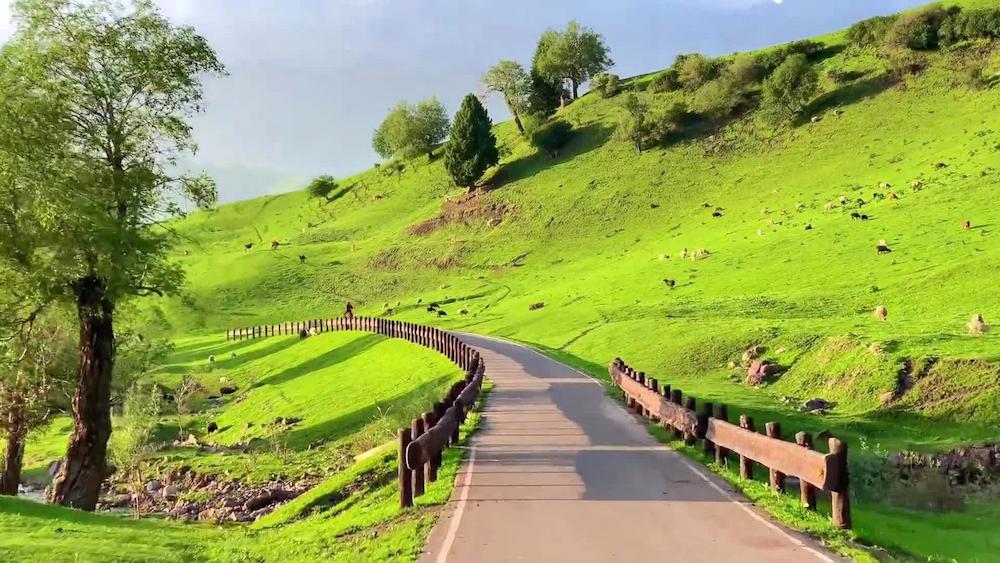
Why I Built This Xinjiang Solo Travel Itinerary
I did not set out to write a route. I set out to prove to a nervous mother that a young man could cross Xinjiang by himself without trouble. That first summer I missed the bus from Turpan to Kuqa by four minutes and spent the delay bargaining for grapes at a roadside stall for ¥6 a kilo. Small moments like that taught me more than any guidebook.
My Xinjiang Solo Travel guide started as a notes file on my phone. My Xinjiang Solo Travel Xinjiang file now lists 40 towns and the buses between them, and it keeps growing each season. This region remains the most rewarding one I know, simply because the distances force you to slow down and the people fill the gaps. This itinerary is the cleaned-up version of that file, with the mistakes removed and the good detours kept.
One honest note before the details: solo here does not mean lonely. I shared every long bus ride with locals, joined strangers for dapanji in Kashgar, and was invited into a yurt near Nalati for milk tea I did not expect. If you want a quiet Xinjiang Itinerary that still connects you to people, this is the one.
How to Get There
Almost every solo route begins at Urumqi Diwopu International Airport. Direct flights run from Beijing (about ¥1,900, 4 hours), Shanghai (about ¥2,300, 5 hours), and Xi’an (about ¥1,480, 3.5 hours). I usually fly into Urumqi, spend a night, then take the morning high-speed train or a long-distance bus onward.
From Urumqi you have three real choices. The train to Turpan takes 1.5 hours and costs ¥51. The sleeper train west to Korla or Aksu is slower but lets you save a hotel night. Renting a car is possible if you hold a Chinese licence, and many solo travellers join a small group carpool arranged through their guesthouse. Whichever you pick, book on the official 12306 app before you arrive, because seats fill fast in summer.
Best Time to Visit
Timing makes or breaks a solo trip, because some mountain roads close for months. Here is the season-by-season view from my own drives.
Spring (April to May). Winds pick up across the Tarim basin and the Duku Highway often stays closed until early June. Prices are low and crowds are thin, but expect dust and the occasional cancelled bus. Good for city hopping in the south.
Summer (June to August). The north turns green and warm. This is peak season, so hostels in Kanas and Hemu fill by early afternoon. Days are long and friendly, but you will share viewpoints with tour groups.
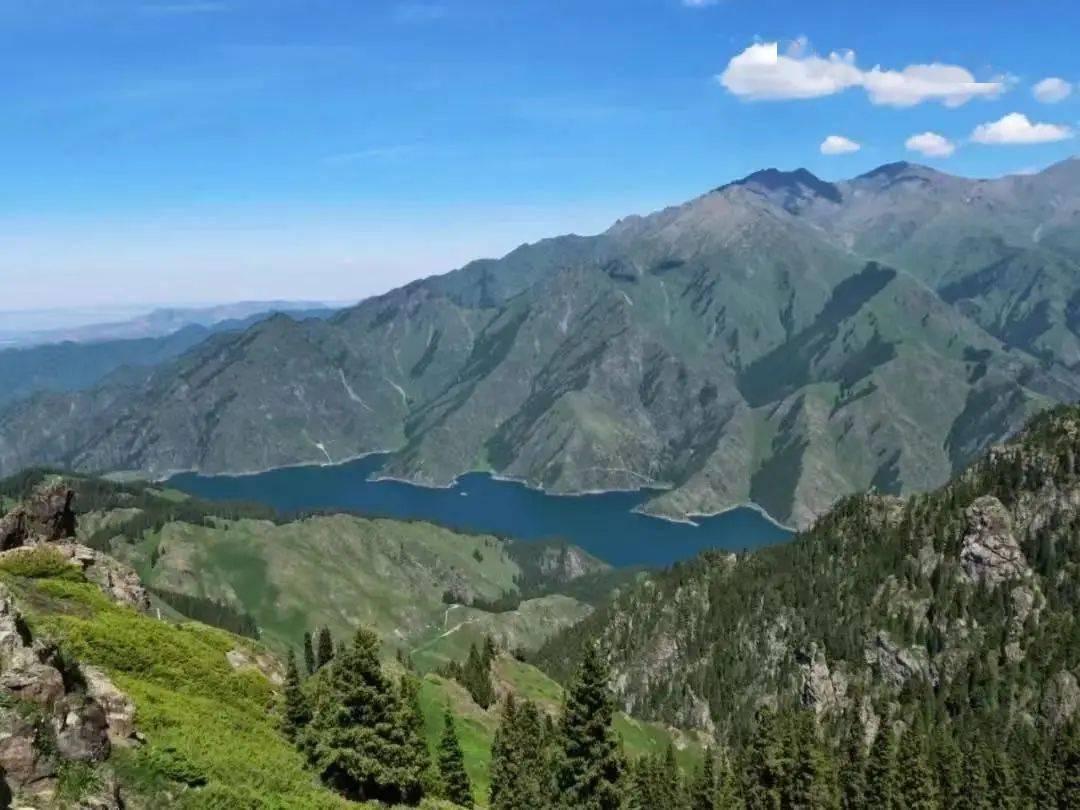
Autumn (September to early October). My clear favourite. The poplar forests near Populus Euphratica go gold, Kanas lake sits under clean blue sky, and the Duku Highway is still open. Hotel prices sit between summer and winter. If you run only one Xinjiang Self-Driving guide in your head, make it this window.
Winter (November to March). Harsh cold, some passes shut, and many guesthouses close. Flights get cheap (I once paid ¥680 return from Shanghai). Beautiful for snow photography, but not for a first solo attempt.
My recommendation: target 10 to 20 September. You get the autumn colour, open roads, and manageable crowds. This Xinjiang Solo Travel Itinerary works best in that window because the Duku Highway is still open and the hostels near Kanas have not yet tripled their prices.
Where to Stay
Solo travel keeps costs down because you only pay for your own bed. The range is wide, though.
Budget (¥60 to ¥120). Hostels and guesthouses. The YHA branch in Urumqi and the traveller hostels in Kashgar old town are social and safe. Expect dorms, shared bathrooms, and a ready-made group for day trips.
Mid (¥250 to ¥450). Chain hotels like Jinjiang Inn or Home Inn, plus family-run boutique stays in the old towns. You get a private room, reliable hot water, and often a helpful front desk that books your next bus.
Upper (¥600 to ¥1,200). Upscale hotels in Urumqi and Kashgar, and a few yurt or cabin stays near the grasslands that include meals. Worth one splurge night if you want to watch the stars over the Tian Shan without sharing a room.
Food
Eating alone in Xinjiang is easy and cheap. Most dishes are built for sharing, so order one or two and sit at a corner table. On this Xinjiang Solo Travel Itinerary you will eat well on a small budget and never feel awkward at a table for one.
- Laghman (hand-pulled noodles with meat and veg): ¥18 to ¥28 a bowl. My go-to lunch after a long bus.
- Dapanji (big plate chicken with potatoes and wide noodles): ¥48 to ¥68 for a plate that feeds two; solo travellers often split one.
- Kawap (mutton kebabs): ¥3 to ¥5 per skewer. Five skewers and a naan is a full dinner.
- Naan (flatbread): ¥3 to ¥5 each, keeps for two days in your bag.
- Samsa (baked meat pastry from the tandoor): ¥6 to ¥10.
- Mutton soup with noodles: ¥15 to ¥22, perfect on a cold pass.
Carry small cash. In remote towns a card reader may not work, and the ¥6 grape stall will not take a foreign card. See the Xinjiang Visa and Permit guide for money and document tips that apply before you board the plane.
Practical Tips
- Apply for the border permit (边境管理区通行证) at a local police entry-exit office if you plan to reach Tashkurgan or the Khunjerab Pass. Do it in Kashgar, not at home.
- Carry ¥500 to ¥800 in cash for buses, stalls, and guesthouses off the main line.
- Download offline maps (Amap or Baidu) and a translation app before you land. International map services are unreliable once you are outside the cities.
- Register at the front desk when you check into any guesthouse. It is a normal procedure, not a problem.
- Book all trains on the 12306 app and long buses through the station window or a trusted hostel.
- Get a local SIM with data at the airport kiosk. Airport wifi is weak and you will want maps on the road.
- Learn three phrases: hello (yakhshi musiz), thank you (rahmet), and how much (qanche pul). They open doors.
- Pack for two seasons. A noon in Turpan can hit 38°C while a dawn on the Duku Highway drops near freezing.
- Do not drink tap water. Bottled water is ¥2 and everywhere.
- Share your daily route with a friend or family member. Signal is good in towns and patchy in the mountains, so a text each evening keeps everyone calm.
Sample Itinerary: A 14-Day Xinjiang Solo Travel Itinerary
This is the loop I ran in September 2023 and would run again. It balances the north’s lakes with the south’s old towns.
- Day 1 to 2: Urumqi. Arrive, sort SIM and cash, walk the International Bazaar, eat laghman near the south gate.
- Day 3 to 4: Turpan. Train up, see the Jiaohe ruins and the Karez system, sleep cool in the desert town.
- Day 5 to 6: Kuqa and the Duku Highway. Bus west, then the southern half of the Duku into the Tian Shan. Book the Kuqa guesthouse ahead in September.
- Day 7 to 9: Kanas and Hemu. Fly or long bus north, hike the lake, stay a night in Hemu village for the wooden houses and quiet dawn.
- Day 10 to 12: Yining, Nalati, Karajun. Grasslands in the west, yurt stay, long walks without crowds if you go past midday.
- Day 13 to 14: Kashgar. Old city, Sunday livestock market, and the border permit office if the Pamir is next. Fly home from Kashgar or back via Urumqi.
For a deeper day-by-day breakdown with transport times, open the 14-Day Xinjiang Itinerary Guide. It uses the same backbone but adds the costs I tracked per leg.
FAQ
These are the questions I hear most from readers planning a Xinjiang Solo Travel Itinerary. If yours is not here, the links above cover permits and transport in detail.
Is Xinjiang safe for solo travellers?
Yes. Crime rates are low and there is a visible police presence in every city and at transport hubs. I have walked old-town streets at night without issue. Keep your documents handy and follow the registration steps, and you will be fine.
Do I need a guide?
No guide is required for most of the region. You only need the border permit for restricted zones like Tashkurgan. A guide helps if your Mandarin is limited and you want deep local context, but it is not mandatory.
How much should I budget per day?
Plan ¥350 to ¥600. That covers a hostel or budget hotel, three local meals, and buses. Add ¥200 to ¥400 a day if you want private mid hotels and the occasional flight leg.
Will my phone and cards work?
International cards are accepted at large hotels and some chain stores but not at small stalls. Carry cash. Map and translation apps should be downloaded for offline use before you arrive, since coverage outside cities is uneven.
Can I meet other travellers?
Easily. Hostels in Urumqi and Kashgar are hubs, and shared buses naturally group you with others. I found two travel partners for the Duku segment just by asking at the guesthouse breakfast table.
What is the one thing to book early?
The Duku Highway transport and September hostels near Kanas. Both sell out in the autumn window, and the lake guesthouses triple in price if you walk in.
Disclaimer
Prices, permits, train schedules, and road openings listed above reflect my trips through 2023 to 2025 and change often. Border permit rules, flight fares, and guesthouse availability shift with season and policy. Always verify current details with official sources such as the Xinjiang tourism bureau, your embassy travel advice, and the airline or 12306 before you commit money. This article shares personal experience, not guaranteed fact.