

Published: 2026-07-22 | Author: Karl Huang
When travelers ask me about the best time for best time to visit Xinjiang, they usually mean something simpler than the phrase suggests: when should I actually go? I have guided and filmed across this region for eight seasons, and the honest answer is that Xinjiang rewards timing more than almost anywhere I have worked. In April 2024 I stood on the Duku Highway shoulder at 10 a.m. while snow fell and the valley below was already green; by June the same pass was crowded with cyclists. The real question behind the best time for best time to visit Xinjiang is which half of the region you want and what weather you can handle.
Quick Reference
| Item | Detail |
|---|---|
| Region | Xinjiang Uyghur Autonomous Region, northwest China |
| Peak season (north) | June to September, warmest and greenest |
| Best for deserts (south) | September to October, Populus forests turn gold |
| Shoulder months | April to May, late September |
| Low season | November to March, cold, some passes closed |
| Entry permits | Border permit for Pamir Plateau and Khunjerab |
| Beijing to Urumqi flight | CNY 1,300 to 2,200 one way |
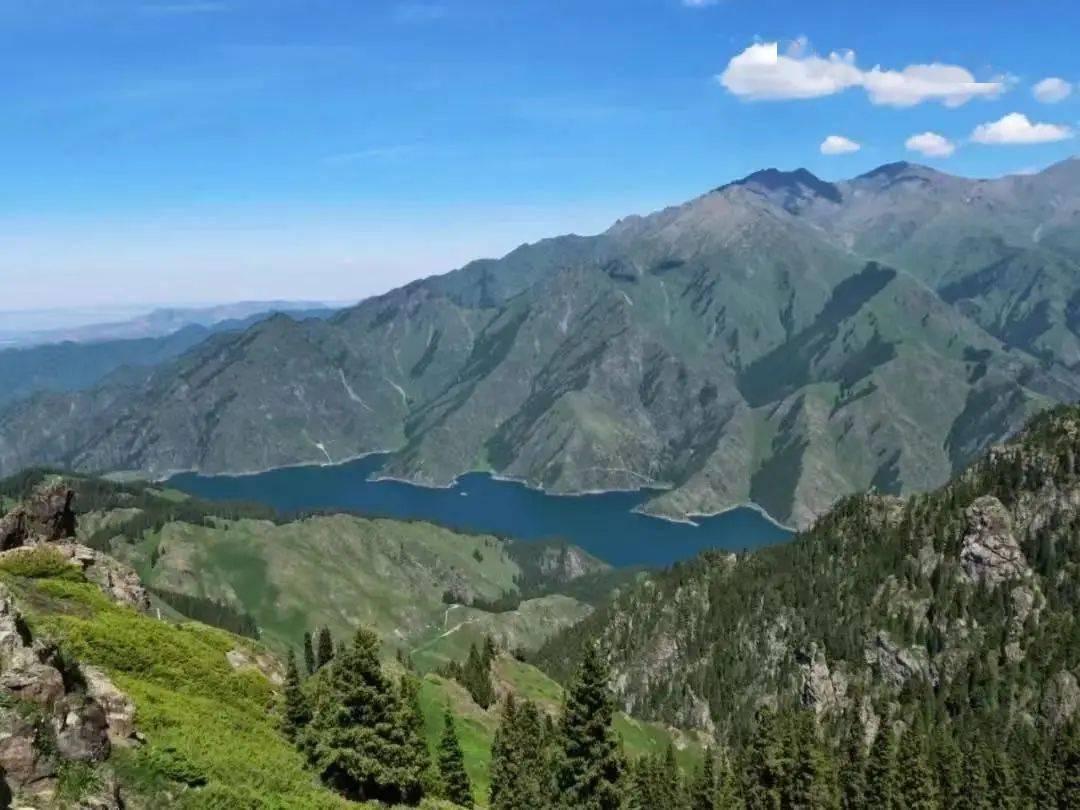
My Eight Seasons on the Road
The first time I misjudged the calendar cost me a week. In 2019 I booked a May trip expecting open grasslands and found Bayinbuluke still under snow, with the road to the Swan Lake boardwalk closed until June 10. A local herder named Tursun told me the grass does not really wake up until the night temperatures stay above freezing for two weeks straight. That single detail changed how I plan every Xinjiang trip afterward, because the difference between a green meadow and a frozen one can be less than three weeks.
Two years later I returned in mid October on a shoestring budget of about CNY 400 a day, including a shared 4×4 from Kashgar to Tashkurgan. The Pamir was clear, the permits took one morning at the border office, and the Karakul Lake morning was so still I could hear ice crack a hundred meters out. A good Xinjiang itinerary is mostly about matching your dates to the terrain, not to a brochure, and that lesson has saved my groups from disappointment more than any other.
Best Time to Visit: the Best Time for Best Time to Visit Xinjiang
Spring, from April to May, opens the south first. Turpan and Hami warm up while the north stays cool. Apricot blossoms around Toksun and the early green of the Tarim rim draw photographers, and hotel rates sit around CNY 220 a night for a decent mid range room. The roads are quiet and you can walk the Jiaohe ruins without bumping into a tour group every ten steps.
Summer, June to August, is the north’s moment. Kanas, Hemu, and the Ili grasslands are at their peak, but so are the crowds and the prices. I paid CNY 980 for a lakeside cabin near Kanas in July 2023 that costs CNY 520 in September. The Duku Highway is open only in this window, usually June 1 to September 30, weather permitting, and that short season is exactly why everyone fights for it.
Autumn, September to October, is my personal favorite and the answer I give most often when someone asks the best time for best time to visit Xinjiang. The north cools but stays golden, and the south explodes with color as the Populus euphratica forests near Luntai and Zepu turn yellow. Daytime in Kashgar runs a comfortable 22 to 26 degrees, cool enough for long walks and warm enough for a rooftop dinner.
Winter, November to March, is for those who want empty roads and real cold. The Xinjiang winter travel guide covers the ski resorts near Urumqi and the Ice and Snow Festival, but many mountain passes close. A flight from Shanghai to Urumqi in January can be as low as CNY 900 return if you book early, and you will often have entire viewpoints to yourself.
My clear recommendation: aim for the last week of September through the third week of October. You catch the north’s late color and the south’s gold without the July crowds, and the border office in Kashgar is still processing permits. If you must travel in summer, arrive in Xinjiang before July 10 to beat the worst of the domestic holiday rush.
How to Get There
Most international and domestic travelers land at Urumqi Diwopu International Airport (URC). Direct flights run from Beijing (about 4 hours, CNY 1,300 to 2,200), Shanghai (around 5 hours, CNY 1,600 to 2,600), and Guangzhou. From Urumqi, the rail network reaches Turpan in 1.5 hours and Kashgar in roughly 24 hours on the fast train, which is the cheaper and more scenic way south if you are not in a hurry.
If you want to cover ground, the Xinjiang self-driving guide explains how to rent a car and tackle the Duku Highway, which cuts the drive from Urumqi to Kuqa from two long days to about 8 hours of pure spectacle. Note that foreign guests cannot always self drive and may need a local driver, which I arrange through a licensed partner for about CNY 800 a day including fuel. The driver also handles the checkpoints, which removes a layer of stress from the trip.
Where to Stay
Budget: Hostels and basic hotels in Urumqi and Kashgar run CNY 120 to 200 a night. In smaller towns like Yining or Korla, clean business hotels sit at CNY 180 to 260, and you can usually negotiate a lower rate if you stay three nights or more.
Mid range: Expect CNY 350 to 600 for a comfortable four star room in Urumqi, Turpan, or Kashgar, often with breakfast and a helpful English speaking front desk. During the October peak, book two weeks ahead or you will be stuck with the CNY 800 walk in rate I paid once in Kashgar when I got lazy.
Upper: Lakeside cabins near Kanas and the nicer Silk Road heritage hotels in Kashgar range from CNY 900 to 1,800 a night in summer. I once paid CNY 1,400 for a courtyard room at the Id Kah edge in June and would do it again for the rooftop view alone, watching the call to prayer roll across the old city at dusk.
Food
Xinjiang food is the part travelers remember longest. In a Kashgar night market I paid CNY 8 for a skewer of lamb (chuanr) and CNY 15 for a bowl of laghman noodles with tomato and green pepper. A full plate of da pan ji, the famous big plate chicken, feeds two for about CNY 68 and comes with wide belt noodles underneath that soak up the sauce.
Breakfast in Urumqi is tea, boiled eggs, and a flaky samosa style pastry for under CNY 20. In Hotan the jade market stalls serve warm nang bread with mutton soup for CNY 12. For something sweet, the Turpan grapes in August are CNY 6 a kilo at the roadside, and the dried versions travel well in a checked bag. Game meat from the mountains shows up in winter stews that cost about CNY 45 a bowl and warm you faster than any hotel heater.
Practical Tips
- Carry your passport at all times. Police checks are routine and the border permit office in Kashgar needs it plus two photos.
- Check the Xinjiang visa and permit guide before heading south. The Pamir permit is free but only issued to those with a valid Xinjiang entry already logged in the system.
- Pack for two seasons in one day. At 2,000 meters the temperature swings 15 degrees between noon and midnight, so a light down jacket earned its place in my bag every single trip.
- Download maps and offline translation before you leave the city. Signal drops on the Duku and across the Taklamakan rim, and you do not want to be guessing at a road sign in the dark.
- Book the October window early. The golden week around National Day (October 1 to 7) fills every room from Urumqi to Hetian, and prices double without warning.
Sample Itinerary
Day 1 to 2: Fly into Urumqi, see the Regional Museum and the Grand Bazaar, sleep early to beat the jet lag.
Day 3 to 5: Train to Turpan, walk the Jiaohe ruins and the Grape Valley, then drive the Duku Highway halfway to Bayinbuluke.
Day 6 to 9: Continue to Kucha and the Grand Canyon, then fly south to Kashgar and rest at a courtyard hotel.
Day 10 to 12: Kashgar Old City, the Sunday livestock market, and a two day run to the Pamir Plateau and Karakul Lake.
Day 13 to 14: Return to Urumqi and fly out, or extend south to Hotan for the jade market and desert edge.
For a tighter plan, the Xinjiang budget travel guide lays out the same loop at CNY 450 a day using trains and shared cars instead of private drivers, which is how I traveled on that 2021 October trip.
FAQ
Is October really better than July? For most first timers, yes. The weather is calm, the colors are better, and the crowds thin out after National Day. July is greener but hotter and packed, and hotel prices climb with the temperature.
Do I need a permit for the whole region? No. Only the border zones near Tashkurgan and Khunjerab need the free Pamir permit. The rest of Xinjiang is open with just your passport and a standard Chinese visa, and you can move freely by train, bus, or car.
Can I see the golden poplar forests in September? The very start of October is safer. In late September the Luntai forest is about 60 percent turned, which is still striking but not full gold, and a cold snap can drop the leaves within days.
What should I wear in the shoulder months? Layers. A t shirt, a fleece, and a packable jacket covered me from a 26 degree Kashgar afternoon to a 4 degree Hemu morning on the same October trip without ever feeling underdressed.
Is it safe to drink the tap water? Bottled water is the norm and costs CNY 2 to 3. I never drink tap water in the smaller towns and neither should you, since the pipes in remote counties are not always reliable.
Disclaimer
Prices, permits, flight schedules, and road opening dates in this article reflect my own trips and public information up to 2025 and may change. The Duku Highway closure, border permit rules, and hotel rates shift with the season and with local policy. Always confirm details with official sources such as the Xinjiang tourism bureau and your embassy before you travel, and treat any figure here as a planning estimate rather than a guarantee.