

Published: 2026-07-22 | Author: Karl Huang
When travelers ask me how to move around such a huge region, I give them the same answer I learned the hard way: a great trip and a frustrating one often come down to transport planning. This Xinjiang Transportation Guide Guide gathers everything I wish someone had handed me before my first long drive out of Urumqi. In June 2024 I flew China Southern CZ6901 from Beijing Capital, paid ¥1,850 for a Tuesday ticket, and touched down at Urumqi Diwopu International Airport at 14:40. Over the next eleven days I covered 1,900 kilometers through four prefectures by plane, train, and rental car.
Quick Reference
| Mode | Main Hub | Typical Fare | Best Use |
|---|---|---|---|
| Flight | Urumqi Diwopu (URC) | ¥600–1,900 | Long cross-region hops |
| High-speed rail | Urumqi Station | ¥51–320 | Urumqi–Turpan–Korla corridor |
| Sleeper train | Urumqi / Xi’an | ¥415–760 | Overnight inter-province |
| Self-drive | Any city rental | ¥220–480/day | Duku Highway, southern loops |
| Intercity bus | Regional terminals | ¥35–120 | Short hops to counties |
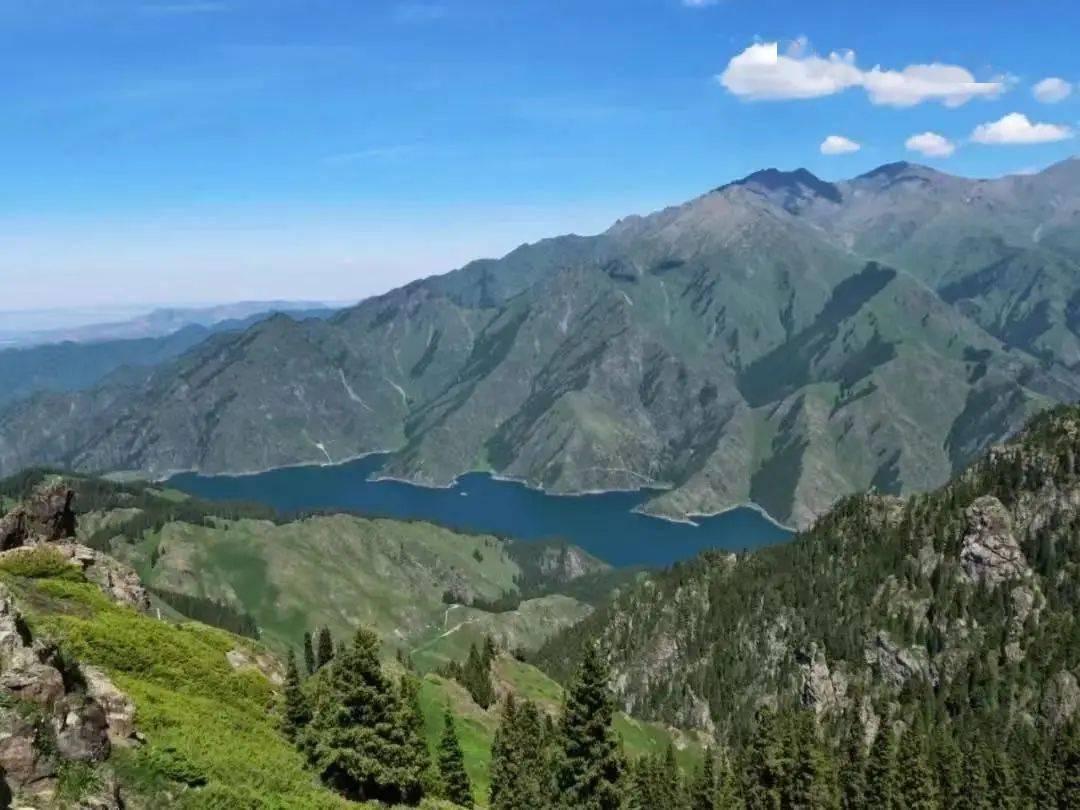
What This Xinjiang Transportation Guide Guide Covers
For anyone mapping a route across Xinjiang, this Xinjiang Transportation Guide Xinjiang overview keeps every mode in one place. The sections below walk through flights, rail, road, and buses, then show how they fit together on a real loop. I have ridden or driven each route described here, so the numbers come from tickets I actually bought rather than from a brochure.
The rail network taught me my first real lesson. On that June trip I booked D8802, the 09:12 high-speed departure from Urumqi to Turpan North. The ticket cost ¥51.50, and the 1 hour 50 minute ride delivered me to a platform where the display read 41°C. My local driver Ablet, a man I have worked with for six seasons, was waiting by the exit with a cold bottle of water and a Toyota Land Cruiser. That single transfer, planned the night before, saved me four hours I would have wasted on a slow road.
I have since ridden the line in both directions, taken the 16-hour sleeper from Xi’an (Z179, hard sleeper ¥415), and driven the Duku Highway twice. Each mode has a role, and none of them is the best choice for every plan. The rest of this Xinjiang Transportation Guide Guide explains when to pick each one.
How to Get There
Most visitors enter through Urumqi Diwopu International Airport. Direct flights run from Beijing, Shanghai, Guangzhou, Xi’an, Chengdu, and Kashgar. A Beijing–Urumqi economy seat runs ¥1,100–1,900 by season; I booked mine three weeks out and paid ¥1,850. From the terminal, the airport bus to the city center costs ¥15 and takes about 40 minutes, while a ride-hail car runs ¥60–90.
If you are already inside China, the rail is often the smarter move. The Lanzhou–Xinjiang high-speed line connects Urumqi to Xi’an in roughly 12 hours on the fastest services, and to Lanzhou in about 9. Sleeper trains stay popular with budget travelers; the Z179 from Xi’an leaves at 18:30 and arrives mid-morning, letting you wake up in the northwest without a second flight. My detailed notes on the lines I have ridden sit in the Xinjiang by Train Travel Guide, which breaks each option down by cost and comfort.
Overland entry from neighboring regions is possible by road, but it is slow. The G30 expressway now reaches deep into the region, so a self-drive approach from Gansu is realistic for anyone with two weeks. For most first-timers, flying in and renting a car on the ground is the cleaner path. I built this Xinjiang Transportation Guide Guide after riding every major line at least once, and the trade-offs below reflect those miles.
Best Time to Travel Across Xinjiang
Transport conditions shift more than people expect. Here is the season-by-season picture from my own logs.
Spring (April–May). Roads open and the Duku Highway usually reopens around June 1, so late May is still limited. Rail and air run full schedules. Crowds are light, and fares sit near their annual low.
Summer (June–August). This is peak season. Flights to Urumqi fill fast, and I have seen Beijing tickets climb past ¥2,400 in July. The upside is that every mountain road, including the Duku, is open. Book rail seats two weeks ahead.
Autumn (September–October). My favorite window. The Populus euphratica forests near Luntai turn gold in mid-October, the heat drops, and aircraft cabins are calmer. This is when I schedule most self-drive loops.
Winter (November–March). Some high passes close, and a few mountain guesthouses shut. Airfares drop sharply, sometimes below ¥800 from Beijing, but you need flexibility. The Pamir routes are best attempted outside these months.
My recommendation: travel in the last two weeks of September. You get open roads, mild weather, and fares that have not yet hit the National Day holiday spike at the start of October.
Where to Stay Near Transit Hubs
Staying within reach of a station changes your morning. In Urumqi I usually book a room in the Hongshan area, about 15 minutes by car from Urumqi Station and 30 minutes from the airport. A clean mid-range room there runs ¥320–420 a night. If you arrive on a late sleeper, the Xinjiang Self-Driving Guide lists pickup-friendly hotels where rental returns are simple. In Turpan, the county town sits 10 minutes from Turpan North high-speed station, so a one-night stop is easy. Kashgar’s old city has guesthouses a short taxi from the southern rail terminal, which makes the Pamir drive the next day far less rushed.
Food at the Stations and Stops
Long travel days need good food, and Xinjiang delivers even at transit points. At Urumqi Station’s upper concourse, a laghman (hand-pulled noodle) plate costs ¥28–38, and a samsa baked in the corner oven runs ¥8 each. On the D8802 I bought a box of grapes from a platform vendor in Turpan for ¥10. At the Kashgar bus terminal, the adjacent night market sells mutton skewers at ¥5 a stick and a full polo (rice with carrot and lamb) for ¥35. Prices shift by season, but the pattern holds: eat where the locals queue, and you pay local prices.
Practical Tips
- Book high-speed rail seats on the official 12306 app at least 10 days out in summer; popular departures sell within hours.
- Carry your passport. The Xinjiang Visa and Permit Guide explains which border areas need extra paperwork before you reach a checkpoint.
- Rent from a major company at the airport. I paid ¥280 a day for a compact SUV in June, with unlimited mileage and full insurance.
- Download offline maps. Signal disappears on the Duku Highway for long stretches, and road signs are sparse.
- Build buffer days. A single road closure near a mountain pass can add half a day, so never schedule a flight out on the same evening as a long drive.
- Keep small cash. Remote bus terminals and roadside noodle stops often take only cash or local payment apps.
Sample Itinerary
A 6-day loop that uses three modes, built from my June 2024 notes. This sample plan follows the Xinjiang Transportation Guide Guide logic from the sections above:
- Day 1: Fly Beijing–Urumqi (CZ6901, arrive 14:40). Pick up rental car. Overnight Urumqi.
- Day 2: Drive Urumqi to Turpan (180 km, 2.5 hours). Visit the ruins and vineyards. Overnight Turpan.
- Day 3: Morning high-speed rail Turpan North to Urumqi (D8802, ¥51.50). Return car. Overnight train Xi’an-bound or fly onward.
- Day 4: Rail or flight to Kashgar. Arrive evening. Overnight Kashgar old city.
- Day 5: Self-drive the Pamir route toward Karakul Lake with a permitted driver. Overnight Tashkurgan.
- Day 6: Return to Kashgar, fly out (or continue south). A buffer day is recommended.
FAQ
Is the high-speed train reliable in Xinjiang?
Yes. The Urumqi–Turpan–Korla corridor runs on time more often than not. I have taken D8802 four times and never seen a cancellation, though summer seats sell out.
Can I rent a car as a foreign visitor?
Major companies at Urumqi airport accept foreign passports and international licenses with a notarized translation. Rules change, so confirm at the counter and check the permit guide before heading south.
How much should I budget for transport on a two-week trip?
A realistic figure is ¥4,000–6,000 per person: one international round flight, a few domestic hops, several rail segments, and 8–10 days of rental. The Xinjiang Budget Travel Guide breaks the numbers down by travel style.
Do I need a 4×4 for the Duku Highway?
Not always. The paved sections are fine in a compact SUV, but I prefer a higher-clearance vehicle in the shoulder months when frost lingers. Check conditions the morning you leave.
Are buses a good option?
For short county hops, yes. They are cheap and frequent. For long distances, rail beats them on comfort and time.
What about reaching the Pakistan border?
The Khunjerab crossing requires advance permits and a tour arrangement. Plan it weeks ahead, not on arrival.
Disclaimer
Fares, schedules, and road-opening dates in this Xinjiang Transportation Guide Guide come from my trips between 2023 and 2025 and were correct at the time of writing. Airlines, rail operators, and local authorities adjust prices and permit rules without notice. Always verify current figures on the official 12306 rail site, your airline’s page, and the latest government travel notices before you commit money or book non-refundable segments.