

Published: 2026-07-22 | Author: Karl Huang
When I planned my first long loop through Xinjiang in 2018, I made the classic mistake of arriving in June and catching the tail of sandstorm season near Turpan, where the thermometer read 41°C and grit worked its way into every zipper of my pack. The Best Time to Visit Xinjiang Itinerary I wish someone had handed me would have said: wait three weeks. Eight seasons and more than 30,000 km of driving with groups of four to twelve people later, I can say the timing question is the biggest single lever on whether your Best Time to Visit Xinjiang Itinerary feels smooth or brutal. This guide walks through the month-by-month reality, the road closures that change everything, and how to line up your days with the weather instead of fighting it.
Quick Reference
| Area | Best time to visit | Typical daily budget (RMB) | Role in a Xinjiang itinerary |
|---|---|---|---|
| Northern Xinjiang (Kanas, Yili, Altay) | Mid-June to early October | 600-900 | Lakes, forests, and the famous autumn color |
| Southern Xinjiang (Kashgar, Pamir, Taklamakan) | April-May, September-October | 450-700 | Old towns, deserts, and high mountains |
| Eastern Xinjiang (Turpan, Hami) | April-May, September-October | 400-600 | Silk Road history and grape harvests |
My First Real Lesson About Timing
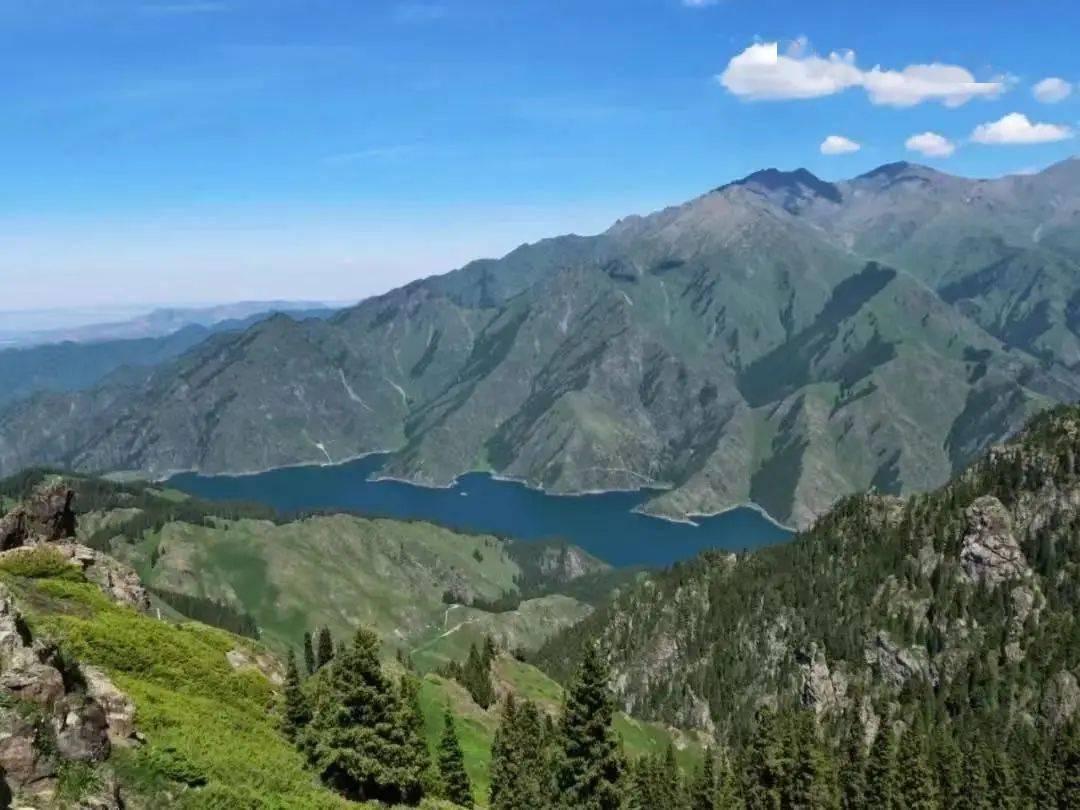
I learned the hard way that Xinjiang is not one climate. On a 2019 trip I started in Kashgar in late March, when the Pamir Highway was still closed by snow and the temperature at Karakul Lake dropped to minus 11°C overnight. Two weeks later I was in Yili for the apricot blossom season, sleeping with the window open at 18°C. Same country, same month, two completely different trips. That contrast is why any serious plan built from a Best Time to Visit Xinjiang Guide has to split the region into north, south, and east before it says a word about dates.
The second lesson came from a permit office in Tashkurgan. A French couple ahead of me had booked the Khunjerab Pass for a Tuesday, but the border post closes on the second Tuesday of every month for maintenance. They lost three days and a non-refundable hotel in Sost. I now tell every traveler I work with to check the fixed closure calendar before locking flights. Timing is not only about weather. It is also about paperwork, road crews, and local schedules that do not show up on a weather app.
How to Get There
Most international travelers fly into Urumqi Diwopu International Airport (URC). A direct coach from the terminal to the city center costs 15 RMB and takes about 40 minutes, though I usually book a private transfer for 120 RMB when I am arriving with a group after a long haul flight. Domestic connectors from Beijing, Shanghai, Chengdu, and Xi’an run daily, and the Xining-Urumqi high-speed line has cut the train ride from the east to roughly 11 hours.
From Urumqi you have three onward choices. Flying saves time: a URC-to-Kashgar ticket in shoulder season runs 700-1,100 RMB one way. The train to Kashgar is slower at about 24 hours but costs only 320 RMB for a hard sleeper and lets you watch the landscape change. Driving is the option I recommend for a real Xinjiang Self-Driving Guide experience, because the Duku Highway alone turns a transfer into a two-day highlight. Just remember the Duku opens only around June 1 and closes by early October, depending on snow.
Best Time to Visit Xinjiang Itinerary: Season by Season
Xinjiang stretches across more than 1.6 million square kilometers, so a single “best month” does not exist. Here is the season-by-season breakdown I give my own clients.
Spring (April to May). The south warms first. Kashgar and the Tarim Basin sit around 20-28°C, and the apricot blossoms around Yili and Toksun draw local photographers. Crowds are light and hotel rates dip. The north is still cold and many mountain passes stay shut.
Early summer (June). The Duku Highway opens and northern pastures turn green. This is when Kanas and Nalati fill with domestic tour buses. Expect 28-34°C in the low basins and pleasant 15-22°C up in the mountains. Sandstorms are possible in Turpan through mid-June.
High summer (July to August). Peak domestic season. Schools are out, trains sell out, and prices climb 30-50%. The upside is long daylight: the sun sets after 21:30 in July, giving you huge touring windows. Bring layers because an afternoon storm can drop the temperature 10 degrees in an hour on the plateau.
Autumn (September to early October). My personal favorite and the window I steer most people toward. The Kanas and Hemu forests turn gold, the Pamir skies clear, and the crowds thin after the National Day week in early October. Daytime highs of 18-24°C in the north and 22-28°C in the south make walking comfortable.
Winter (November to March). Harsh but rewarding for a specific traveler. The Xinjiang Budget Travel Guide crowd loves winter because a decent hotel in Urumqi drops to 180 RMB a night and the Silk Road ski slopes run cheap passes. Many attractions close, and the north can sit at minus 25°C. Plan only if you enjoy cold and quiet.
My clear recommendation: the Best Time to Visit Xinjiang Itinerary that works for most first-timers targets September 10 to October 5, covering both north and south. You get the autumn color, clear passes, and manageable crowds before the National Day surge fully ends. If you can only do one region, pick the north in late September or the south in late April.
Where to Stay
Budget. Hostels and basic hotels in Urumqi, Kashgar, and Yining run 150-260 RMB a night for a clean double. In smaller towns like Kuqa or Korla, a solid business hotel is 200-320 RMB. Winter rates fall further.
Mid-range. Comfortable four-star properties in the big cities cost 400-650 RMB. In Kashgar I put groups at the old-city edge hotels around 480 RMB, which keeps the walk to the bazaar under ten minutes.
Upper. Lakefront lodges near Kanas and Swiss-style cabins in Hemu run 900-1,600 RMB in autumn and book out weeks ahead. In Urumqi a top international brand is 800-1,200 RMB. Reserve these at least a month early for September and October.
Food
Xinjiang food is a reason to travel on its own. A plate of dapanji (big-plate chicken with belt noodles) feeds two for 48-68 RMB. Hand-pulled laghman noodles with meat and vegetables cost 22-35 RMB at a corner shop. At the Urumqi International Bazaar I send people to the mutton skewer stalls where ten skewers plus flatbread run about 40 RMB.
In Kashgar the Sunday livestock market area has naan fresh from the tandir oven at 3-5 RMB each and samsa pastries at 6 RMB. A full polu (rice with carrot and lamb) lunch sets you back 25-40 RMB. Fruit is the sleeper hit: a kilo of Hami melon in season is 4-8 RMB, and seedless Turpan grapes sell for 6-12 RMB a kilo in September.
Practical Tips
- Book the September-October window early. The best Kanas and Hemu stays sell out 4-6 weeks ahead, and flight prices rise as the date nears.
- Carry two forms of ID. You will show your passport at hotels, gas stations, and checkpoints, and a backup copy speeds things up when a scanner fails.
- Check fixed closure days for border posts and the Duku Highway before you confirm transport. A single maintenance day can cost you three.
- Pack for two climates. A morning in the Pamir at 8°C and an afternoon in Turpan at 38°C can happen in the same week.
- Download maps and a translation app offline. Mobile coverage drops on mountain passes, and road signs are mostly in Chinese and Uyghur.
- Hydrate hard. The air is dry and the altitude on the Pamir reaches 3,700 m, so headaches are common for the first two days.
Sample Itinerary
Here is a 10-day shape that uses the September window well, the backbone of any 7-Day Xinjiang Itinerary Guide extended for first-timers who want both regions.
- Day 1: Arrive Urumqi, rest, and walk the International Bazaar in the evening.
- Day 2: Fly or train to Kashgar; explore the old city and the Id Kah Mosque at sunset.
- Day 3: Day trip to the Karakul Lake and the Pamir Plateau, back to Kashgar.
- Day 4: Morning flight to Urumqi, then transfer to Yili for the grasslands.
- Day 5: Nalati and Kurdening pastures, overnight in a yurt or guesthouse.
- Day 6: Drive the Duku Highway south, stopping at the Tian Shan Grand Canyon.
- Day 7: Reach Kanas Lake, afternoon boat ride and lakeside walk.
- Day 8: Sunrise at Hemu Village, then the golden birch forest trail.
- Day 9: Return toward Urumqi via Burqin, with a stop at Colorful Beach.
- Day 10: Buffer day for delays, then fly out.
FAQ
Is September really better than October? Early October overlaps with China’s National Day holiday (Oct 1-7), when domestic crowds and prices spike. September 10 to 30 gives you the same weather with far fewer people. I book most groups in that September slot.
Can I visit in winter? Yes, if you accept closures. The north drops below minus 20°C and some attractions shut, but costs fall and the snow scenes are quiet. Winter suits skiers and photographers more than first-time sightseers.
Do I need a special permit? A standard Chinese visa covers most of Xinjiang. The Pamir area around Tashkurgan needs a border permit, and the Khunjerab Pass has fixed closure days. Sort both through your hotel or a local agent before you travel.
How many days do I need? A single region takes 5-7 days. Covering both north and south comfortably takes 10-14 days. Trying to do everything in under a week means spending most of it on buses and planes.
What about the sandstorms? They peak in May and early June around Turpan and Hami. If you travel then, keep indoor plans as backup and check the daily air-quality notice. By July the risk is low.
Is it safe for foreign travelers? Millions of domestic and foreign visitors travel Xinjiang each year. Standard precautions apply: keep your documents handy, respect local customs, and follow checkpoint instructions without argument.
Disclaimer
Prices, permits, road openings, and border closures listed above change from year to year and can shift without notice. The Duku Highway opening date, Pamir permit rules, and hotel rates in this article reflect my experience through the 2024-2025 seasons and should be treated as planning guidance, not guarantees. Always confirm current details with official sources, your embassy travel page, and your accommodation before you commit money or book non-refundable transport.