

Published: 2026-07-22 | Author: Karl Huang
When I planned my first Silk Road Itinerary Itinerary back in 2019, I made the classic mistake of trying to cover too much. I booked a 6:40 AM flight from Xi’an to Urumqi, then realized the real Silk Road story sits west of the provincial capital, not inside it. Ten trips later I have a route that actually works: ten days, four hubs, and a rhythm that lets you sleep instead of sprint. This article lays out the day-by-day version I now hand to friends who ask for a plan they can follow without a guide.
The plan below runs from Xi’an, the eastern gateway, to Kashgar, the western terminus inside Xinjiang. It mixes high-speed rail, one internal flight, and a long but rewarding train leg. I have walked every step of it on my own. Prices are what I paid across 2024 and 2025, so treat them as a baseline, not a quote that will hold forever.
Quick Reference
| Stop | Location | Entry Fee | Best Time | Elevation / Role |
|---|---|---|---|---|
| Xi’an | Shaanxi | City Wall ¥54; Terracotta Army ¥120 | Mar–May, Sep–Nov | 400 m – eastern start |
| Lanzhou | Gansu | Riverside free; Gansu Museum free | Apr–Jun, Sep | 1,520 m – transit hub |
| Dunhuang | Gansu | Mogao Caves ¥238 | May–Oct | 1,140 m – desert oasis |
| Turpan | Xinjiang | Jiaohe Ruins ¥70 | Apr–Jun, Sep | −154 m – lowest, hottest |
| Kashgar | Xinjiang | Old City free | May–Oct | 1,290 m – western end |
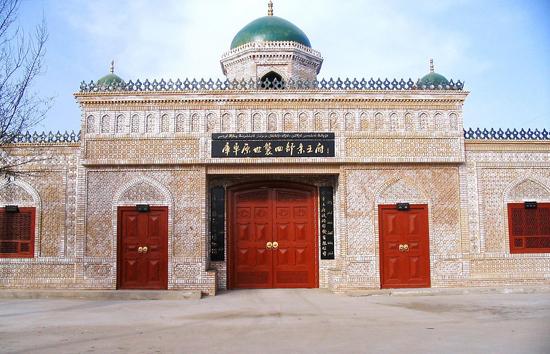
I first saw the value of this route on a cold March morning in Dunhuang. I arrived on the 8:09 PM sleeper train from Lanzhou and was standing in front of the Mogao Caves ticket window by 8:30 the next morning. The caves open at 9:00, and the early slot meant I shared the painted corridors with maybe twenty people instead of the afternoon crush of three hundred. That single timing choice shaped how I build every Silk Road Itinerary Itinerary now. You move early, you book cave tickets online three days ahead, and you never assume a site runs on tourist-season hours during the off months.
For the broader context and the history behind each stop, see my Silk Road Itinerary Guide, which covers the same corridor with more background and fewer clock-times. The version on this page is the one you can print and follow.
How to Get There
Most travelers reach the route through Xi’an. An international flight lands at Xi’an Xianyang Airport, then Metro line 14 runs to the city center in about 40 minutes for ¥10. From there the backbone is rail.
Xi’an to Lanzhou is a 2.5-hour high-speed ride (¥174.5 second class). Lanzhou to Dunhuang is an overnight sleeper train, the Y667, departing 7:46 PM and arriving 8:09 AM (hard sleeper ¥208). Dunhuang to Turpan is a daytime train, the 7557, around 11 hours, but I prefer the flight: Urumqi Air runs the 1:40 PM hop to Turpan Jiaohe Airport in 70 minutes for roughly ¥480. Turpan to Kashgar is the long one, 14 to 17 hours by train, and I take the soft sleeper (¥527) so I arrive rested rather than stiff.
If you would rather drive selected sections, my Xinjiang Self-Driving Guide explains which legs need a permit and which do not, and where the fuel stops thin out along the G3012.
Best Time to Visit
The corridor stretches across three climate zones, so the season window is wider than a single province allows. Spring, from April to May, is my favorite stretch: the Gobi is cool, Kashgar’s apricot trees bloom, and hotel rates sit 20 to 30 percent below the summer peak. The Silk Road Itinerary Xinjiang segment truly begins once you cross into Turpan, and spring is when the desert is still bearable on foot.
Summer, June through August, brings heat you feel in your bones in Turpan, where the thermometer regularly passes 40°C. The trade-off is the longest daylight and the fullest festival calendar. Autumn, September to October, is the safe choice: crisp air, the grapes harvested in Turpan, and clear light for photography in Kashgar. Winter is cheap and empty, but the Mogao Caves reduce their open chambers and several desert lodges close their doors.
My clear recommendation is the last two weeks of September. I have run this alongside the route for foreign friends using the Xinjiang Visa and Permit Guide, and late September is when permits, weather, and crowd levels all line up. You will also catch the tail of the grape harvest in Turpan, which is worth the timing on its own.
Where to Stay
Budget: In Xi’an I use the Sleeper Hostel near the South Gate, dorms from ¥75. In Kashgar the Old City Youth Hostel runs ¥90 for a private room with a shared bath and a rooftop that looks straight at the mosque’s tiled facade.
Mid-range: The Wyndham in Xi’an (¥520) sits a short walk from the Wall and saves you a taxi at the end of a long first day. In Dunhuang the Silk Road Dunhuang Hotel (¥460) has courtyard rooms that fit the theme without the markup of the international brands parked near the airport road.
Upper: The Shangri-La in Urumqi is the comfortable reset point if you break the train journey there (¥1,100). In Kashgar, the Luxemon Hotel (¥780) puts you inside the old city walls, which saves a taxi ride at 2:00 AM after the night market finally winds down.
Food
Each stop carries a signature plate. In Xi’an, a bowl of biangbiang noodles costs ¥16 and a roujiamo flatbread sandwich is ¥12 at the stalls behind the Bell Tower. Dunhuang’s night market sells donkey-meat yellow noodles for ¥25 and a plate of Licorice berries in season for ¥10.
Turpan is grape country; a kilo of seedless table grapes runs ¥8 in September, and the local naan with cumin costs ¥4. Kashgar’s Sunday bazaar feeds you for almost nothing: a full Uyghur pilaf (polu) is ¥25, skewered lamb (kawap) is ¥5 a stick, and a round of nang bread is ¥3. I once ate three types of naan and a bowl of laghman for ¥32 total and left full. The point is that a broader Xinjiang Itinerary does not have to be expensive once you eat where the locals eat.
Practical Tips
- Book Mogao Cave tickets online at least three days ahead; the standard ¥238 ticket covers eight caves, and the same-day window sells out by noon in peak months.
- Carry cash in Turpan and Kashgar. The Old City’s smaller stalls and the livestock side of the bazaar do not take foreign cards or even a WeChat account opened overseas.
- Pack a power bank. Trains on the Turpan–Kashgar line have unreliable outlets, and you will want your phone for translation and for maps once you step off the platform.
- Download offline maps before you leave Urumqi. Signal thins out between oasis towns, and the usual global map apps do not work reliably inside China.
- Respect prayer times in Kashgar. The Id Kah Mosque area quiets at noon; plan your photos for the hour after the call, when the square fills with people again.
- Build one buffer day into the schedule. A delayed train in Gansu once cost me a full day, and the slack kept the rest of the plan intact instead of cascading into missed connections.
Sample Itinerary: The Silk Road Itinerary Itinerary Day by Day
This is the day-by-day backbone I mentioned at the top. It is the Silk Road Itinerary Itinerary in its tightest form, and the one I send to first-timers who want a printed plan.
- Day 1: Arrive Xi’an. Walk the City Wall at 5:00 PM, dinner at the Muslim Quarter behind the Bell Tower.
- Day 2: Terracotta Army 8:30 AM (¥120), high-speed train to Lanzhou at 3:00 PM, riverside walk after dark.
- Day 3: Gansu Museum morning, board the Y667 sleeper to Dunhuang at 7:46 PM, sleep on the train.
- Day 4: Mogao Caves 9:00 AM, Crescent Lake at 6:00 PM to dodge the worst of the midday heat.
- Day 5: Flight to Turpan at 1:40 PM, Jiaohe Ruins at 5:00 PM when the light turns gold.
- Day 6: Turpan: Grape Valley morning, Karez system afternoon, pack for the night train.
- Day 7: Long train Turpan to Kashgar (soft sleeper), arrive evening, first bowl of polu.
- Day 8: Kashgar Old City, Id Kah Mosque, rebuild with local food and a slow wander.
- Day 9: Sunday bazaar if the timing fits, or a day trip out to Karakul Lake.
- Day 10: Fly out from Kashgar, or continue south toward the Pamir Plateau.
FAQ
Is the full Silk Road Itinerary Itinerary doable in under two weeks?
Yes, if you trim. Cut Lanzhou to a pure transit stop and skip the Karakul day trip, and you close the loop in nine days. I would not go below seven; the train legs alone eat three nights, and you would be rushing the two cities that matter most.
Do I need a guide for the Xinjiang sections?
Not for the cities. Kashgar and Turpan are walkable and signposted in both Chinese and English. A guide earns their fee only if you push into the border counties near the Pamirs, where the permit rules actually apply and a local contact saves hours.
What does the whole thing cost?
Excluding international flights, my ten-day version ran ¥4,200 in 2025: trains and one flight ¥1,400, hotels ¥1,700, food ¥600, entries ¥300, and a ¥200 buffer. Solo travelers save on rooms by using dorms, and couples split the mid-range hotels almost evenly.
Can I do this in winter?
Technically yes, but I would not. The Mogao Caves show fewer chambers, some Dunhuang guesthouses close, and the Turpan–Kashgar train runs colder and slower. Save winter for the ski resorts near Urumqi instead, where the snow is the point.
How do I connect this to a broader Xinjiang trip?
Kashgar is the natural hub. From there you can branch to the southern loop through Hotan or the northern loop via Aksu. My Kashgar Travel Guide maps both options in detail, with the same first-person notes I keep for my own trips.
Disclaimer
Prices, train numbers, entry fees, and permit rules change. The figures above reflect what I paid in 2024 and 2025 and are meant as planning baselines, not guarantees. Always verify schedules on the official 12306 rail site and check the latest border and permit requirements with Chinese consular or public-security offices before you travel. This article shares personal experience and is not official travel advice.