

Published: 2026-07-21 | Author: Karl Huang
In the spring of 2023 I led a group of nine through a 21-Day Xinjiang Itinerary Tips plan that covered both the northern grasslands and the southern Silk Road towns. We started in Urumqi on April 28 and did not fly home until May 19. By the end we had driven 4,800 kilometers, taken two internal flights, and eaten more lamb skewers than I care to count. This piece collects the practical lessons from that trip and from the dozen similar runs I have done since. If you are building your own three-week plan, treat these as field notes rather than a fixed schedule.
Quick Reference
| Item | Detail |
|---|---|
| Region covered | North Xinjiang (Urumqi, Kanas, Yili) plus South Xinjiang (Turpan, Kuqa, Kashgar, Hotan) |
| Best window | Mid-May to mid-June, or early September to early October |
| Total driving | About 4,500 to 5,000 km over 21 days |
| Internal flights used | Urumqi to Kashgar (around ¥1,200), Kashgar to Hotan (around ¥480) |
| Typical daily cost (per person, mid-range) | ¥650 to ¥900 including split fuel, rooms, food, and tickets |
| Key permit | Border pass for Tashkurgan, applied for free in Kashgar, takes half a day |
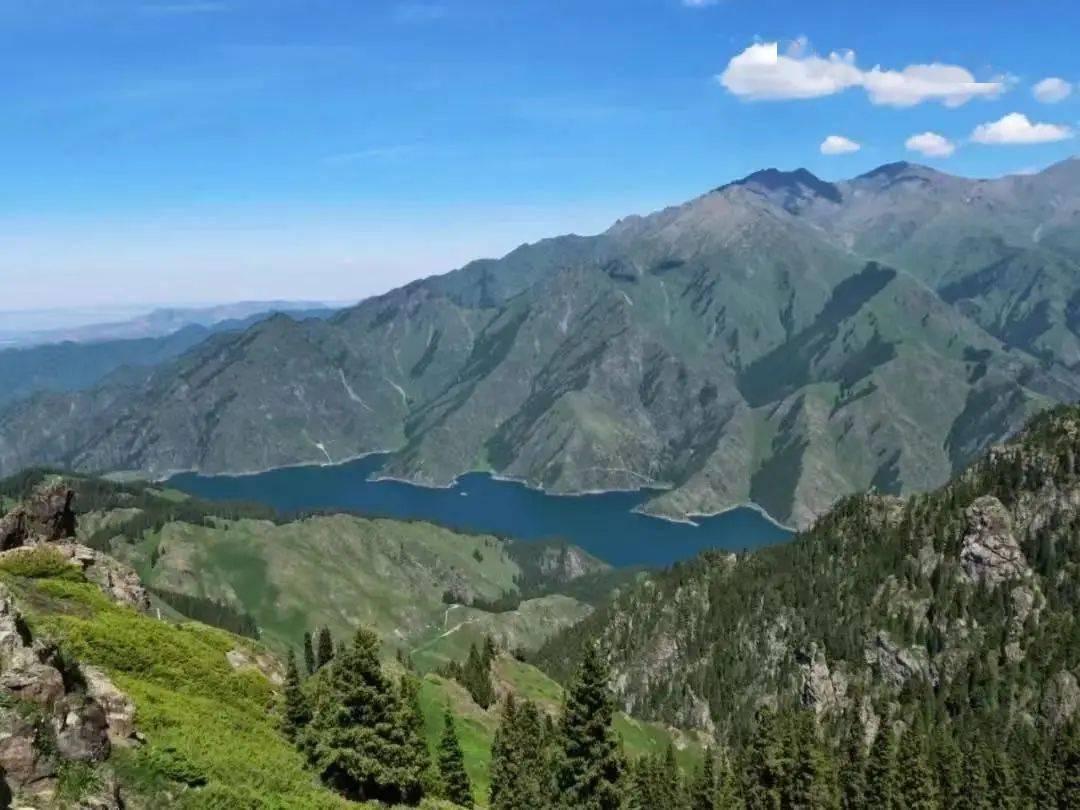
21-Day Xinjiang Itinerary Tips I Wish I Knew Earlier
My first mistake was underestimating distances. On day four we left Korla at 8:00 and did not reach Kuqa until almost 13:00 because the G3012 was being resurfaced and we hit two long waits. Our driver, Adil, a quiet Uyghur man from Aksu who has driven the southern loop for fifteen years, told me later that the desert highways look short on a map but the wind and the truck traffic decide your real speed.
The second lesson came in Kashgar. I had booked the group into a modern hotel near the airport for ¥460 a night, then realized the Old City guesthouses were both cheaper and far better located. We moved to the 21-Day Xinjiang Itinerary Guide route I had sketched, which puts two nights inside the Old City so you can catch the 10:30 Sunday livestock market without a 40-minute commute.
The third thing was altitude. Tashkurgan sits at 3,100 meters. Two of my travelers got mild headaches on the Karakul Lake day. We now build a rest afternoon into day nine and carry oxygen cans bought in Kashgar for ¥25 each. This 21-Day Xinjiang Itinerary Xinjiang circuit is the longest loop I operate, and the altitude step is the part first-timers forget.
How to Get There
Most travelers land at Urumqi Diwopu International Airport (URC). From Beijing the flight runs about 4 hours and costs ¥1,800 to ¥2,400 depending on season. From Shanghai it is closer to 5.5 hours and ¥2,200 to ¥3,000. Chengdu and Xi’an are good budget gateways, with fares sometimes under ¥1,000 in the low season.
For the south Xinjiang leg, flying saves time. Urumqi to Kashgar is a 2-hour flight I have paid between ¥980 and ¥1,350. Kashgar to Hotan is a short 50-minute hop for around ¥480. These 21-Day Xinjiang Itinerary Tips assume you bridge the long southern gaps with two flights rather than a 24-hour train, because the train eats three of your best sightseeing days.
Within the loop, self-driving is the only way to reach the Duku Highway or the Kanas forest roads on your own schedule. I cover vehicle choice and road rules in the Xinjiang Self-Driving Guide, which is worth reading before you sign a rental contract. A comfortable SUV for four people ran us ¥480 a day including insurance on my last booking.
Best Time to Visit
Spring (April to May) brings blooming apricot orchards around Turpan and thin crowds, but the high passes can still close from late snow. Summer (June to August) is the classic season: the Duku Highway opens around June 1 and the grasslands turn green, yet prices peak and Kashgar gets hot, often above 35°C in July.
Autumn (September to October) is my favorite. The poplar forests near Luntai go gold in early October, and the light on the Pamir Plateau is clean and dry. Winter (November to March) shuts many mountain roads and several guesthouses, though Heavenly Lake and the ski resorts stay open.
My clear recommendation after testing these 21-Day Xinjiang Itinerary Tips across seasons is mid-May to mid-June or the first three weeks of September. You get open roads and manageable heat, and the Xinjiang Visa and Permit Guide note applies: border passes are easiest to process outside the July rush. For the full day-by-day version, read the 21-Day Xinjiang Itinerary guide I published alongside these notes.
Where to Stay
Budget: Hostels and Old City guesthouses run ¥120 to ¥200 a night. In Hemu village a shared wooden cabin bunk cost my group ¥150 each. These places are basic but warm and run by local families who cook your breakfast.
Mid-range: A clean business hotel in Urumqi or Korla runs ¥380 to ¥520. The Old City boutique stays in Kashgar land around ¥420 with breakfast and a courtyard. I book these through local agents rather than global platforms because availability is patchy online and the good courtyard rooms sell out by noon.
Upper: Lakeside lodges at Sayram and Kanas charge ¥900 to ¥1,400 in peak season for a room with a view. Worth it for one night if your budget allows, but the same view is free from the public boardwalk at 7 a.m. when the mist clears off the water.
Food
Xinjiang food is meat-forward and filling. A plate of big plate chicken (dapanji) big enough for three cost us ¥78 in Kuqa, served with wide belt noodles. Lamb skewers run ¥3 to ¥5 each; at the Kashgar night market we bought twenty for ¥80. Hand-pulled laghman noodles were ¥22 to ¥28, and a bowl of mutton pilaf (zhua fan) was ¥32 with a hard-boiled egg on top.
Breakfast is cheap and good: a round naan for ¥3, fresh yoghurt at ¥6, and a boiled tea egg. In Hotan the rose jam and walnut pastry (masha) sells for ¥15 a box at the bazaar. My detailed eating map is in the Xinjiang Food Tour Guide, but the short version is: follow the locals, not the neon signs. At Xinjiang Itinerary we revise these field notes every season as prices move.
Practical Tips
- Carry cash. Small guesthouses and rural tolls often do not take cards, and some desert gas stations had weak signal for mobile pay on my last trip.
- Download offline maps. The G217 and Duku sections lose signal for long stretches, and the usual global map apps are unreliable inside China.
- Pack for two climates. A morning in Kanas in September can be 4°C while Kashgar at noon hits 28°C. Layers beat a heavy coat you will sweat through by noon.
- Get the Tashkurgan border pass early. The office in Kashgar opens at 10:00 and the line forms before that on weekends, so go on a weekday if you can.
- Book Kanas and Bayinbuluke tickets online the night before. Both cap daily entries and the on-site queue wasted two hours of our day six.
- Split fuel costs by car, not by person. With four sharing a SUV the per-day fuel came to about ¥110 each, far less than the trains for the same distance.
- Respect mosque and village etiquette. Ask before photographing people, and cover shoulders when entering the Id Kah Mosque.
Sample Itinerary
This shape follows the 21-Day Xinjiang Itinerary Tips I learned the hard way, and it keeps daily drives under five hours except for two long transfer days:
- Days 1 to 3: Urumqi, Heavenly Lake, and Turpan (Jiaohe ruins, Grape Valley).
- Days 4 to 6: Korla, Kuqa Grand Canyon, Kizil Caves, drive to Aksu.
- Days 7 to 10: Kashgar Old City, Karakul Lake, Tashkurgan, border pass day.
- Days 11 to 12: Hotan jade market and silk workshops, then fly north.
- Days 13 to 15: Yining, Sayram Lake, Guozi Gully, overnight in the Yili valley.
- Days 16 to 18: Nalati, Bayinbuluke, the Duku Highway southbound to Dushanzi.
- Days 19 to 21: Kanas and Hemu, then Burqin and the drive back to Urumqi.
FAQ
Do I need a special visa for Xinjiang?
Foreign visitors use a standard China tourist visa (L). No extra Xinjiang permit is needed for most areas, but the Tashkurgan border zone requires the free local pass described above. The 21-Day Xinjiang Itinerary Tips here assume that standard visa.
Is 21 days too long?
For first-timers who want both regions, it is about right. Rushing the north and south into two weeks means skipping either the Pamirs or the Kanas forests, and both are the highlights.
Can I do this without a car?
Yes, with trains and tours, but you lose the Duku Highway and the small desert towns. The loop above uses two flights to bridge the long southern gaps.
How much should I budget?
A mid-range traveler spending ¥800 a day covers rooms, food, split fuel, and tickets, plus about ¥2,000 in flights. Backpackers can land near ¥500 a day by using hostels and sleeper trains.
Will my phone work?
China Mobile and Unicom both have coverage in every city on this route. The dead zones are only on the mountain highways, where an offline plan helps.
Disclaimer
Prices, permit rules, flight schedules, and opening dates listed here reflect what I personally paid or observed on trips between 2023 and 2025. They change often. Tickets at Kanas and Bayinbuluke are capped and seasonal, the Duku Highway closes with snow, and border-pass procedures shift without notice. Always confirm current details with official sources, your hotel, or a licensed local agent before you travel. Nothing here is a guarantee of cost or access.