

Published: 2026-07-21 | Author: Karl Huang
I first ran a 21-Day Xinjiang Itinerary Guide for a couple from Melbourne in September 2024. We left Urumqi on a Tuesday, paid ¥4,800 for a 21-day car and driver, and covered 4,620 kilometers before flying home from Kashgar. That trip became the backbone of every long-route plan I build now. Three weeks is enough to do something most visitors never manage: link the north grasslands, the Duku Highway, the Taklamakan edge, and the Pamir Plateau into one continuous loop without rushing any single stop.
If you have already worked through a shorter plan such as the 14-Day Xinjiang Itinerary Guide, you will notice the extra week is not filler. It buys you the southern Tarim loop and a proper stay on the Pamir, the two corners that a two-week route has to skip.
How I Built This 21-Day Xinjiang Itinerary Guide
The order below came from a real constraint: the Duku Highway closes every winter and only runs roughly 09:00 to 20:00 in season, and the Karakul Lake road past Kashgar needs a border permit sorted the day before. I placed those two items early enough that a weather delay would not sink the whole trip. On the Melbourne trip we hit a rockslide near Bayinbuluke on day 8. Because the schedule had a buffer day built in, we waited it out in a guesthouse for ¥160 and lost nothing downstream.
My rule for a loop this long is simple. Spend no more than four hours driving on any single day except the two desert-highway transfers, and never book a train that arrives after 22:00 before a driving day. The plan reflects that. Every overnight is in a town with real food and a working ATM.
Quick Reference
| Item | Detail |
|---|---|
| Region | Xinjiang Uyghur Autonomous Region, northwest China |
| Typical fees | ¥30–120 per attraction; 21-day car, driver, lodging and food budget ¥12,000–20,000 per person |
| Best time | June for Ili lavender; September for autumn color and the most stable road conditions |
| Loop length and role | About 4,500 km full north-south circle; the longest single-trip plan on this site |
First-Person Experience Narrative
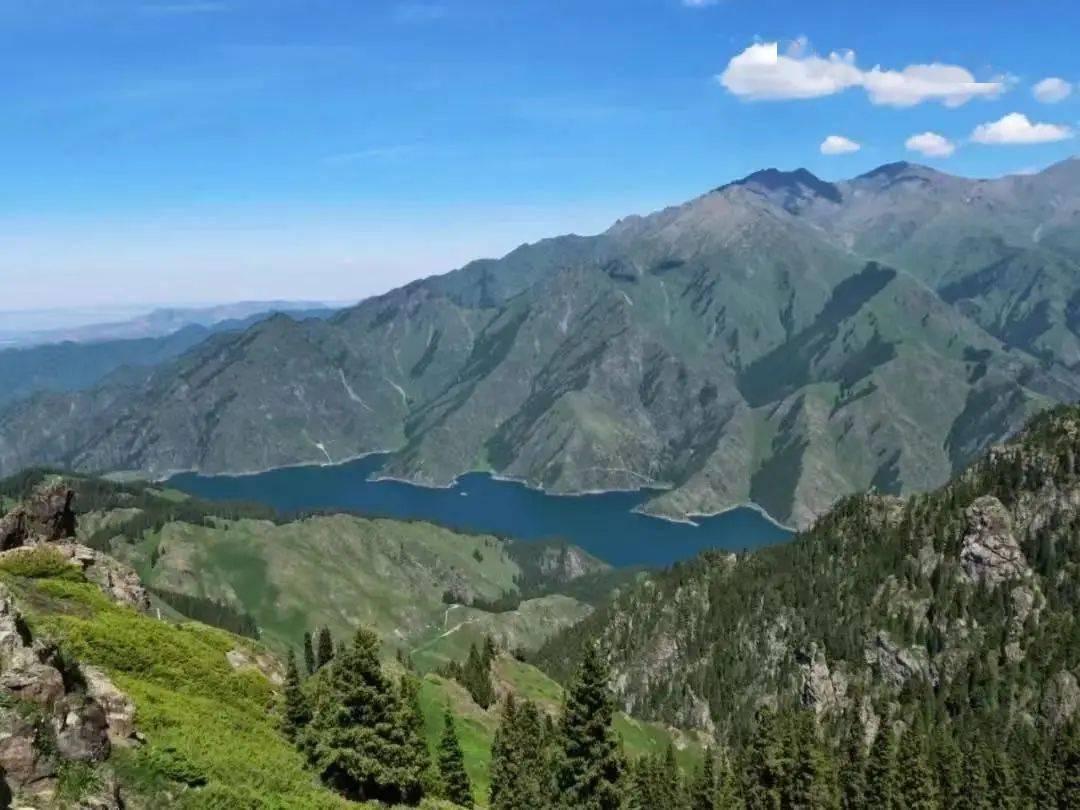
What sticks with me from that September run was the shift in landscape every third day. We started in Urumqi’s dry heat, dropped into Turpan’s grape shade at 40°C, then climbed the Duku Highway from 800 meters to 3,400 meters in a single afternoon. My passenger, a retired teacher, got altitude headached at the Bayinbuluke pass and needed the afternoon slow. That is exactly why I keep the first high pass on day 7, not day 2, so bodies adjust gradually.
The Pamir section was the payoff. We reached Karakul Lake at 07:30, paid the ¥50 ticket, and had the shoreline to ourselves for forty minutes before the tour buses from Kashgar rolled in around 10:00. That early start is the one tip I repeat to everyone doing this route. The Xinjiang Self-Driving Guide covers the permit paperwork, but on a 21-day plan you will touch four different permit zones, so build the documents in Urumqi before you move.
How to Get There
This 21-Day Xinjiang Itinerary Xinjiang loop begins in Urumqi. The 21-Day Xinjiang Itinerary Guide assumes most travelers fly into Urumqi Diwopu International Airport (URC). Direct flights run from Beijing (¥1,900, 4h), Shanghai (¥2,300, 5h), and Guangzhou (¥2,600, 5.5h) through the summer. I book the international arrival a day before the loop starts and use that buffer to collect permits.
Inside Xinjiang, the loop uses a mix of modes. The Urumqi to Turpan railway takes 90 minutes and costs ¥51. The Turpan to Korla segment is a sleeper train at ¥120. For the mountain sections, a private car is the only realistic option. Kashgar to Hotan has a fast train at ¥95, and Hotan back north uses the Tarim desert highway by road. Flying out from Kashgar (KHG) saves a full day versus returning to Urumqi, and one-way domestic flights from Kashgar to Beijing start around ¥1,700.
Best Time to Visit
Spring (April to May). Apricot blossom hits the Pamir and southern valleys, but the Duku Highway is still closed and many mountain guesthouses are not open. Good for a Kashgar-only trip, weak for the full loop.
Summer (June to August). The Duku opens and Ili turns purple with lavender in mid-June. Days are long and warm, though Turpan can hit 45°C. This is peak season, so book lodging a week ahead in Bayinbuluke and Sayram Lake.
Autumn (September to early October). My favorite window. The Kanas and Hemu forests glow, the Taklamakan edge is bearable, and the Duku is still open until mid-October. Crowds thin after the National Day holiday ends around October 7.
Winter (November to March). The Duku and most alpine passes close. Silk Road Ski Resort near Urumqi stays open, but the 21-day loop is not feasible.
My clear recommendation is a September 1 to 21 departure. You get stable roads, autumn color in the north, and cooler desert drives in the south.
Where to Stay
Budget. University-area hostels and train-station hotels in the big cities run ¥120–180 a night. In smaller towns like Tekes or Zhaosu, a clean guesthouse is ¥150. These are basic but safe, with hot water and Wi-Fi.
Mid-range. Chain hotels such as Hanting and Atour sit around ¥280–420. I used the Atour in Korla (¥360) and the Silk Road hotel in Kashgar (¥400) on the Melbourne trip and both had reliable heating and an English-speaking front desk.
Upper. The worth-it splurge is a grassland yurt or a lakefront lodge. Sayram Lake has insulated cabins at ¥700 that put you at the water before sunrise. In Kashgar, the restored courtyard hotels inside the old city start at ¥650 and are a different experience from any chain.
Food
Xinjiang food on a long loop is cheap and filling. In Urumqi’s bazaar, a plate of laghman noodles is ¥25 and a whole grilled lamb leg for two is ¥120. Turpan’s grape-based dishes are a novelty; a bunch of seedless grapes costs ¥10 in season.
On the Pamir, ask for dapanji (big plate chicken) at ¥68, enough for two with the added belt noodles. Kashgar’s night market does skewers at ¥5 each and freshly pressed pomegranate juice at ¥15. I tell clients to eat one proper hand-pulled banmian meal per day; at ¥22 it is the best value protein on the trip. The Xinjiang Visa and Permit Guide is about paperwork, but its food sidebar also lists which border towns accept foreign cards versus cash only.
Practical Tips
- Sort all permits in Urumqi on day one. The Pamir border pass and the Bayinbuluke access note both need a passport copy and a day of lead time.
- Carry ¥2,000 in cash. Small-town guesthouses and desert highway stalls often have no card machine, and ATMs inside the Pamir villages are unreliable.
- Book the Duku Highway driving day for a weekday. Weekend convoys near the Dushanzi end move at 20 km/h and waste half your day.
- Pack for two climate zones. A light jacket for 40°C Turpan and a down layer for 5°C Bayinbuluke nights in the same week.
- Start Pamir and lake excursions before 08:00. You beat both the buses and the afternoon wind that kicks up on the plateau.
- Keep one buffer day in the schedule. On a three-week trip, a single rockslide or train cancellation will otherwise cascade into every later booking.
Sample Itinerary
This 21-Day Xinjiang Itinerary Guide divides into six phases. A 21-day Xinjiang itinerary guide like this one only works because each phase ends in a town with real lodging.
Days 1 to 5, North and Turpan. Urumqi bazaar and Red Mountain, then Tianchi lake on day 2. Train to Turpan for Jiaohe ruins, the Grape Valley, and the Flaming Mountains, ending with the Karez system before an evening train to Korla.
Days 6 to 9, Tianshan crossing. Korla to Bayinbuluke via the northern Duku, a full day on the grassland and Swan Lake, then the southern Duku descent to Nalati and on to Yining.
Days 10 to 12, Ili Valley. Sayram Lake at sunrise, Huocheng lavender fields, and the bagua layout of Tekes with a Karajun grassland walk.
Days 13 to 15, West and Pamir. Fly or train to Kashgar, two days in the old city, then the Karakul Lake road to Tashkurgan and a buffer day on the plateau.
Days 16 to 18, Southern Tarim. Kashgar to Hotan by train, the jade market and desert edge, then the Tarim highway transfer north with a Populus forest stop if the season is right.
Days 19 to 21, Close the loop. Kuqa for the Kizil caves and Grand Canyon, a slow drive back toward Urumqi, and a final buffer day before your flight out.
FAQ
Is 21 days too long for a first trip to Xinjiang? Not if you want the full north-south loop. A first-timer who only wants highlights can do Urumqi, Turpan, and Kashgar in 10 days. The extra eleven days in this 21-Day Xinjiang Itinerary Guide are what reach the Pamir and the desert highway.
Can I do this route by public transport alone? Partly. Trains cover the city hops, but the Duku Highway, Bayinbuluke, and the Pamir road need a private car or a joined tour. Budget about ¥4,800 for a 21-day car and driver if you are two to four people.
Do I need a guide for the permits? You fill permits yourself at the public security office with your passport, but a local driver saves time on the Pamir pass because he knows the Kashgar office queue. The Xinjiang Budget Travel Guide breaks down where a guide is worth the cost versus where you can go solo.
What should I do about the altitude? The highest sustained point is Bayinbuluke around 2,500 meters. Spend the first week below 1,500 meters, hydrate, and keep day 7 as your first real pass. Nobody on my trips has needed oxygen, but a headache remedy is worth packing.
When should I book lodging? For a September departure, book Urumqi, Kashgar, and Sayram Lake two weeks out. Small towns can be booked two days ahead even in season.
Is the loop safe for solo travelers? The region is calm and the tourist routes are well patrolled. Solo travelers should still share their daily route with someone and keep the buffer day, because help is far on the desert highway.
Disclaimer
Prices, permit rules, train schedules, and road opening dates in this article reflect conditions I observed through late 2024 and may change. The Duku Highway closure, border permit requirements, and attraction fees are revised by local authorities without notice. Always verify current details with official Xinjiang tourism sources and your embassy’s travel advice before you book, and treat every figure here as a planning estimate rather than a guarantee.