

Published: 2026-07-20 | Author: Karl Huang. These 7-Day Xinjiang Itinerary Tips come from eight seasons of guiding travelers across Xinjiang.
After eight seasons of guiding travelers across Xinjiang, I have lost count of how many first-timers arrived with a beautiful map and zero plan for the reality on the ground. This collection of 7-Day Xinjiang Itinerary Tips comes straight from those trips. I wrote it for the person standing in Urumqi airport at 11 p.m., wondering why the hotel they booked sits two hours from the old town they actually wanted to see. A 7-day window is enough to see one region well or to rush across two and remember little. Every Xinjiang itinerary I build starts with the same question: north or south? The advice below leans toward doing one region properly.
Quick Reference
| Item | Detail |
|---|---|
| Best region for 7 days | North Xinjiang loop (Urumqi – Tianchi – Urho – Kanas – Hemu – Burqin) |
| Typical daily drive | 180-320 km on mountain highways |
| Peak-season budget (per person) | ¥2,800-¥4,500 all-in, mid-range |
| Best months | June to early October; avoid Golden Week (Oct 1-7) |
| Key permit | None for the north loop; border areas (Karasu, Khunjerab) need a Border Pass |
| Physical demand | Moderate; altitudes 500-2,000 m, long drives |
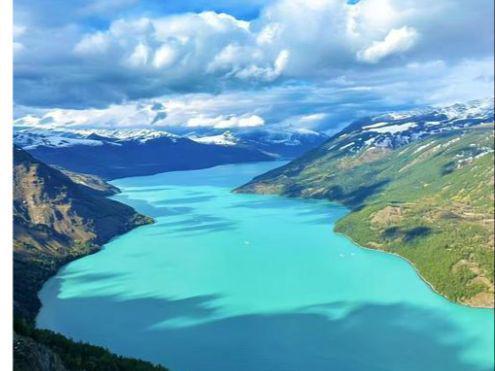
7-Day Xinjiang Itinerary Tips I Learned the Hard Way
My first paid loop ran in 2017 with a couple from Chengdu. We tried to cover both Kashgar and Kanas in seven days. By day four they were asleep in the back seat by 9 a.m., and we had spent nine hours of one day simply transferring between flights and buses. That trip taught me the single most useful rule I now give everyone: pick a region, not a checklist.
The north loop rewards slow travel. I remember pulling into Hemu Village at 6:40 one October morning, the wooden cabins still dark, woodsmoke thin in the cold air, and a single rider crossing the frozen river on horseback. No tour bus, no crowd. That moment is why I tell people to sleep inside the scenic areas rather than commute from the county seat. The Duku Highway was closed that year until June 5, and we had built the whole back half of the route around it. Flexibility saved the trip.
How to Get There
Most international and domestic travelers land at Urumqi Diwopu International Airport (URC). From Beijing the flight runs about 4 hours and costs ¥1,400-¥2,200 depending on season. Shanghai is closer to 5.5 hours. If you are already in western China, the train is a comfortable option: the Urumqi-Korla service takes roughly 3.5 hours and a second-class seat is ¥128.
Within the region you have three realistic choices. Self-drive gives the most freedom and is how I run my own loops; the Xinjiang self-driving guide covers road conditions and fuel stops in detail. Private car with a driver runs ¥600-¥900 per day and removes the fatigue of mountain driving. Long-distance buses exist but eat your daylight. For a 7-day plan, I recommend either self-drive or a private driver and skipping the buses.
Best Time to Visit
Timing decides half the quality of a 7-day trip, so this deserves care.
Spring (April-May). The Ili Valley turns green and the apricot blossoms around Xinyuan draw crowds. Roads are clear but some high passes still hold patches of snow. Good for flowers, weak for the far north lakes.
Early summer (June). The Duku Highway usually opens in the first week of June. Grasslands are lush and prices have not peaked. This is my favorite window and the one I suggest most often.
High summer (July-August). Warm, busy, and full of domestic families. Kanas and Sayram Lake are at their bluest. Book accommodation 3-4 weeks ahead or you will pay double.
Autumn (September-early October). The poplar forests of southern Xinjiang go gold and the north loop cools to crisp, clear days. Avoid the National Day holiday (October 1-7); every hotel and road is jammed.
Winter (November-March). Many scenic areas partially close and the Duku Highway shuts. Only recommended for skiing near Urumqi or dedicated snow photography.
My clear recommendation: aim for early June or mid-September. You get good weather, open roads, and manageable crowds.
Where to Stay
Budget (¥120-¥250/night). Guesthouses and hostels around Urumqi’s Renmin Road, plus basic inns near the scenic-area gates. Clean enough, thin walls, friendly owners who will point you to the best hand-pulled noodles.
Mid-range (¥350-¥600/night). Chain hotels (Home Inn Plus, Atour) in city centers, and wooden lodges inside Hemu and Kanas. Booking inside the parks costs more but saves 1.5-2 hours of daily transfers.
Upper (¥800-¥1,600/night). The better lakeside resorts near Sayram and Kanas, and boutique courtyard hotels in Kashgar’s old town. Worth it if you want a balcony over the water and a quiet morning.
Food
Xinjiang food is the part travelers remember longest. A few anchors to try:
Hand-pulled laghman noodles – ¥18-¥28 a bowl, heavier with meat for ¥35. Found in nearly every county town.
Grilled mutton skewers (kawap) – ¥3-¥6 per skewer at night markets; a full plate of 20 runs about ¥80.
Pilaf (polu) – rice with carrot, raisin, and lamb, ¥25-¥40.
Big plate chicken (dapanji) – a shared dish for two at ¥68-¥98, best with the belt noodles added at the end.
Naan and fresh yogurt – buy naan from a roadside tandoor at ¥5-¥8 and pair it with ¥10 yogurt. Cheap road fuel for long drives.
In Urumqi the International Grand Bazaar has a clean food court; in Kashgar the night market near Id Kah Mosque is louder and more fun. Expect to eat well for ¥80-¥120 per person per day if you avoid the hotel restaurants.
Practical Tips
- Pack for two seasons in one bag. Even in July, nights at Kanas drop to 8°C. Bring a fleece and a light rain shell regardless of the month.
- Carry cash in small bills. Toll booths, tandoor bakeries, and village homestays often cannot take cards. I keep ¥400 in ¥20s on me.
- Download maps before you leave wifi. Cell coverage disappears for long stretches on the Duku and G217. Offline maps have saved more than one detour.
- Book the scenic-area hotels early. The good lodges inside Kanas and Hemu sell out 3 weeks ahead in peak season. Booking late means a 40-minute commute each way.
- Respect the prayer schedule and photography rules. Ask before photographing people at mosques or markets. A simple gesture goes further than any apology later.
- Build in a rest day. Seven days with five of them behind the wheel will wear you out. I plan one short-distance day, usually around Sayram or the Yili grasslands.
- Confirm permits if you stray south or west. The north loop needs none, but if your 7-day plan reaches Tashkurgan or the Khunjerab Pass, read the Xinjiang visa and permit guide before you book the flight.
Sample Itinerary
A north-loop timeline that has worked for my groups. Treat this as a practical 7-day Xinjiang itinerary guide rather than a rigid schedule.
- Day 1 – Urumqi. Arrive, rest, walk the International Grand Bazaar, eat dapanji. Sleep Urumqi.
- Day 2 – Tianchi + Urho. Morning at Heavenly Lake, afternoon drive to Urho Ghost City for sunset. Sleep Urho.
- Day 3 – Kanas. Long drive north, enter Kanas scenic area, walk the lakeside boardwalk. Sleep inside the park.
- Day 4 – Hemu. Sunrise over the wooden village, horseback ride, slow afternoon. Sleep Hemu.
- Day 5 – Burqin + Colorful Beach. Descend to Burqin, evening at Wucaitan (Colorful Beach) for the light. Sleep Burqin.
- Day 6 – Duku Highway southbound. If open, take the Duku toward the grasslands. Sleep near the Yili edge.
- Day 7 – Return to Urumqi. Final drive, late flight out, or one more night if your schedule allows.
FAQ
Is 7 days enough for Xinjiang?
For one region, yes. You can see the north loop or the Kashgar-Pamir south in comfort. Trying both means mostly sitting in transit. If you have more time, the 10-Day Xinjiang Itinerary covers both regions without the rush.
Do I need a guide?
Not legally for the north loop. A driver helps if you dislike mountain roads. A guide adds context at places like the Kizil Caves or Kashgar’s old town.
How much should I budget?
A mid-range 7-day trip runs about ¥3,000-¥4,500 per person including driver, fuel split, hotels, and food, excluding flights to Urumqi.
Can I do this in winter?
The Duku Highway closes and some lakes freeze over. Winter is better as a dedicated ski or photography trip than a first 7-day loop.
What should I pack that people forget?
A power bank, offline maps, and a refillable bottle. Distances between services are long and phone batteries die fast in the cold.
Is the food safe for sensitive stomachs?
Stick to hot, cooked dishes and bottled water. The grilled and boiled foods are generally safe; I avoid uncooked street salads on day one to let my stomach adjust.
Disclaimer
Prices, opening dates, road conditions, and permit rules change. The Duku Highway opening date, hotel rates, and park fees listed here reflect my experience through the 2025 season and may shift. Always verify current details with the official scenic-area websites, your hotel, and the local public-security bureau before you travel. This article shares personal experience and is not official travel advice.