

Published: July 8, 2026 | Author: Karl Huang
Ten days is the window where Xinjiang stops feeling like a checklist and starts to breathe. On the loop I keep coming back to, you trade the southern deserts for the north’s forests and grasslands: Urumqi and Heavenly Lake to open, then north to Kanas and the timber cabins of Hemu, west along the Irtysh to Colorful Beach, and south down the Duku Highway to the Nalati meadows before flying out of Yining.
It is a route I last ran in 2025 with a small group and a local driver, and the shape has held up across seasons. You will cover real distance — this is not a city break — but the daily drives leave room for a long lunch and a sunset you did not plan. If Kashgar and the Pamir are your priority instead, swap the Altay leg for the south; just know you are trading lakes for oases.
10-Day Route at a Glance
| Days 1–2 | Urumqi → Heavenly Lake → overnight transfer north |
| Days 3–5 | Kanas Lake + Hemu Village (Altay) |
| Days 6–7 | Burqin → Wucaitan (Colorful Beach) → drive south |
| Days 8–9 | Urho Ghost City → Dushanzi → Duku Highway → Nalati |
| Day 10 | Nalati → Yining → fly out from Yining or back to Urumqi |
Why This Loop
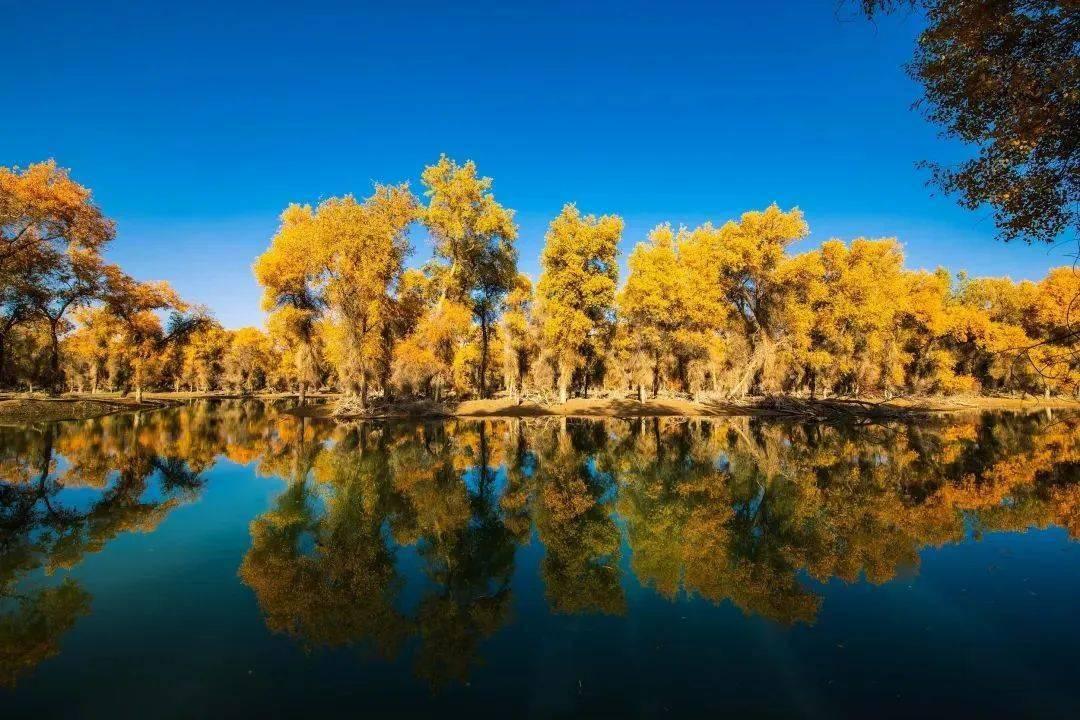
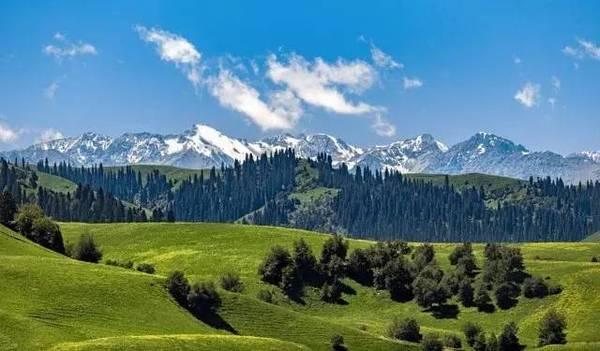
The north (north of the Tianshan) holds the postcard scenery: Kanas, Hemu, Sayram Lake, the grasslands. Trying to also add Kashgar and the south in 10 days produces a 3,000 km blur. If your heart is set on the south, swap the Altay section for Turpan + Kashgar and accept less lake time. Our Xinjiang travel guide covers the southern alternative.
Transport Reality
Self-driving the Duku Highway (open roughly June–September) is the highlight but weather-dependent; we were stopped once by a rockfall crew for 90 minutes. Distances are large — budget 4–6 hours of driving on transit days. A private driver for 10 days cost our group ¥700–900/day including fuel, split four ways.
Best Time for This Itinerary
Late September is ideal: Kanas is gold, crowds are gone after National Day, and the Duku Highway is still open. July–August is green and busy; May and early June can still have closed passes. See best time to visit Xinjiang for the month-by-month breakdown.
Where to Sleep
- Kanas/Hemu: book wooden lodges 3–4 weeks ahead in autumn (¥500–1,200).
- Urumqi: business hotels ¥300–500, reliable and central.
- Nalati: guesthouses at the grassland entrance, ¥200–400.
Food on the Road
Big-plate chicken, grilled trout at Kanas, laghman, and the dried-fruit stalls at every stop. Budget ¥80–150/person/day for solid local food. Our Xinjiang food guide lists region-specific dishes.
Hard-Won Advice
- Foreign passports need a border permit for Altay and some southern areas — sort it before you fly.
- Pack for two seasons; altitude and valley temperatures swing hard.
- Book the Kanas lodges and the Duku permit (if required) in advance.
- Carry cash and a China SIM for maps in dead zones.
- Build one rest day into the middle; the driving is real.
Day-by-Day
Day 1: Arrive Urumqi, museum, bazaar. Day 2: Heavenly Lake, transfer north. Day 3: Burqin → Jiadengyu. Day 4: Kanas Lake + Guanyu Pavilion. Day 5: Hemu Village mist morning. Day 6: Wucaitan sunset, drive south. Day 7: Urho Ghost City. Day 8: Dushanzi → Duku Highway → Nalati. Day 9: Nalati grassland. Day 10: Yining, fly out.
The Mistake Most People Make
The mistake I see most is underestimating transfer time and trying to cover north and south in one week. Fly the long legs and give each region real days.
For Photographers
Across the region the light is best in the first and last two hours — the dry air gives hard, clear mornings and long golden evenings.
Frequently Asked Questions
Can I do this by public transport? Partly. Trains cover Urumqi–Turpan–Kashgar, but the northern loop needs a car or tour.
Is 10 days enough for north + south? No. Pick one. This plan is north-focused.
What if Duku is closed? Reroute via the G30 highway; add a day.
Cost? Excluding flights, ¥4,000–6,000/person for a small-group driver trip.
Planning the Wider Trip
Few people travel all this way for a single stop. Here is how I link 10-Day Xinjiang into a route that actually flows, based on the loops I run for clients.
- Xinjiang itinerary planner
- Xinjiang travel guide
- Xinjiang Uyghur Food Travel Guide 2026: What to See, Do & Plan
- Xinjiang Knife Shopping Travel Guide 2026: What to See, Do & Plan
Keeping It Current
Based on our 2025 trip; road openings, permits, and prices change. Verify with official tourism and transport sources before booking.
Getting Around the North Loop
Most travellers run this loop with a private driver rather than self-driving. The daily distances are real — Urumqi to Kanas is a full day, and the Duku Highway alone takes most of a day with stops — so a driver lets you rest and shoot photos. Drivers familiar with the north also know the checkpoint routine and where the good lunch stops hide. If you do self-drive, you need a valid Chinese licence and real mountain-pass experience; the Duku in particular closes for rockfall and snow without much notice. Trains and flights cover the city ends — Urumqi in, Yining out — but the middle is road. Budget buffer days into any plan, because weather on the pass decides your schedule more than your ticket does.
Best Time and Pacing
The loop has two good windows. Late September to early October is my favourite: the larches around Kanas and Hemu turn gold, the air is crisp, and the summer crowds have gone, though nights get cold and you need a warm layer. June through August is green and full of wildflowers on the grasslands, but it is also peak season, so book stays ahead. The Duku Highway is the constraint — it typically opens in June and can close with the first snow, often by late September or early October. I build the Kanas and Hemu nights into the middle of the trip and keep the first and last days light around flights. Avoid bolting Turpan or Kashgar onto this in ten days; that needs a separate south plan.
What to Pack and Local Notes
Pack for two climates. The north’s lakes and the Duku’s high sections run cool even in summer, so bring a windproof layer and a warm top for early starts; Hemu mornings in September can sit near freezing. Sun and dry air are the quiet enemies — sunglasses, a brim, and lip balm earn their place. Cash helps in small Uyghur and Kazakh roadside spots, though mobile pay works in most towns. The loop is overwhelmingly Halal, so expect lamb, noodles, and flatbread rather than pork. Learn a few Uyghur or Kazakh greetings; people notice and respond warmly. Most of all, give the route time — this is a place measured in long light and slow meals, not in sights ticked before noon.
Frequently Asked Questions
How many days do I really need for this north loop?
Ten days is the practical floor for the Urumqi–Kanas–Duku–Nalati shape without rushing. You can compress to eight by cutting a night in Hemu, but the long transit days between regions eat time. If you only have a week, drop the Duku leg and focus on Kanas and the lake country.
Should I hire a driver or self-drive?
Most foreign travellers hire a local driver for this loop. The distances are large, the Duku Highway is seasonal and weather-prone, and a driver handles checkpoints and parking. Self-driving is possible with a Chinese licence and mountain-pass experience, but plan buffer days for closures and rockfall stops.
When is the best time to go?
Late September to early October brings gold larches and clear, cold mornings with fewer crowds; June to August is green and busy. The Duku Highway typically opens around June and closes with the first snow, often by late September or early October, so time the high pass to your travel dates.
Plan Your Xinjiang Trip
Build the route, timing, and logistics around 10-Day Xinjiang Itinerary with these related guides from Xinjiang Itinerary:
- Xinjiang Itinerary Routes: 7, 10 & 14-Day Plans
- Xinjiang for American Travelers: Flights, Visas, Budget & Safety
- Heavenly Lake Itinerary Ideas
- Bayinbuluke Grassland Itinerary Ideas
Keeping It Honest
Last reviewed 2026-11-04 by Karl Huang, Xinjiang Travel Specialist & founder of Xinjiang Itinerary. I keep a running list of what changed since the last season — new shuttle routes, shifted gate fees, closed passes — and fold it in here.
For a second, non-commercial source, these are the sources I cross-check against when I refresh these notes: