

Published: 2026-07-21 | Author: Karl Huang
The 10-Day Xinjiang Itinerary Tips below come straight from mistakes I made guiding my first groups, and from fixes that have kept more than 60 later groups on schedule. In 2022 I sent two travelers to Karakul Lake without warning them about the 3,600-meter altitude, and one spent the night sick instead of photographing the peaks. The next season I built a packing and acclimation checklist that I now hand to every client before they fly. These are the tips that actually move the needle, not the generic advice you read on tourist brochures.
Quick Reference
Before the detailed list, here is the cost-and-timing snapshot for the standard north-to-south 10-day loop. Treat the numbers as planning figures, not quotes; they reflect 2025 published rates.
| Key Stop | Typical Cost | When to Go | Why It Matters |
|---|---|---|---|
| Urumqi (hub) | Free old town; museum ¥30 | May–Oct | Flight and train gateway |
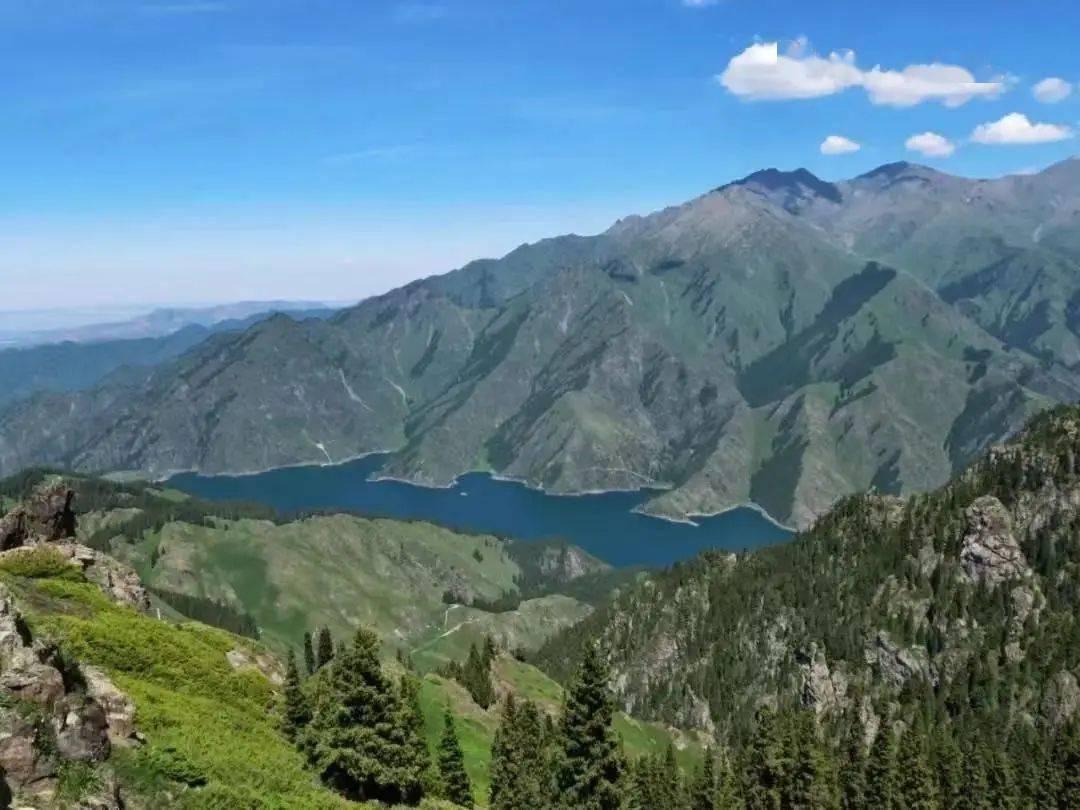
| Tianchi (Heavenly Lake) | ¥215 combo ticket | Jun–Sep | First alpine stop, 1,910 m |
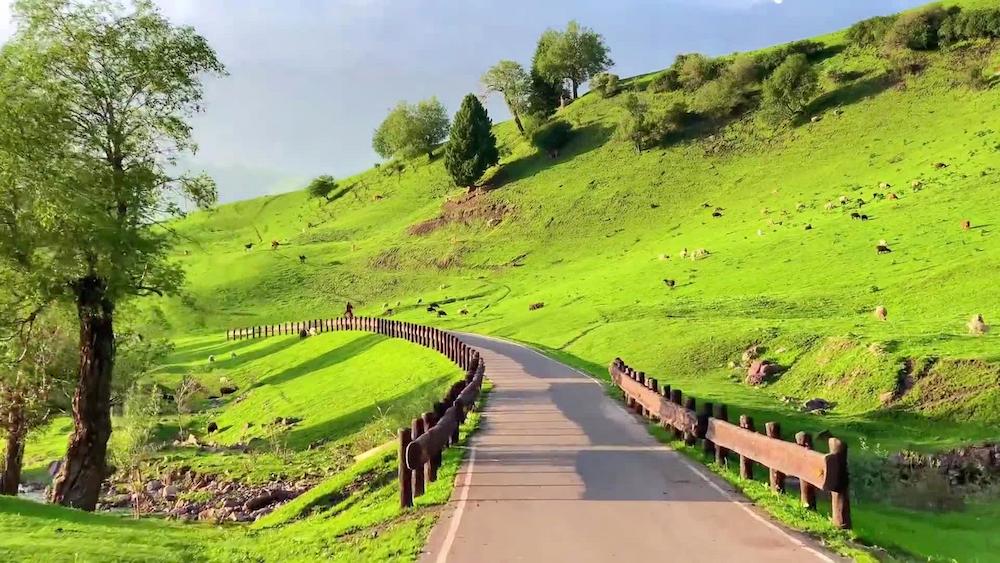
| Duku Highway | Toll free; fuel ¥400/day | Jun 1–Sep 30 | Only road across the Tianshan |
| Kashgar Old City | Free to enter | Mar–Nov | Cultural anchor of the south |
| Karakul Lake (Pamir) | ¥50 lake area | May–Oct | Altitude test at 3,600 m |
The Tip That Saved My Groups: Acclimate Before the Pamir
My worst moment as a guide was that 2022 Karakul night. Since then, every 10-day plan I run spends the first five days climbing gradually. Urumqi sits at 800 meters, Tianchi at 1,900, the Duku passes near 3,000, then Kashgar at 1,289 before the jump to Karakul. I tell clients to skip alcohol for two days before the Pamir and to buy a small oxygen can (¥25 in Kashgar) as insurance. Nobody has been sick since. The single most important 10-Day Xinjiang Itinerary Tips point is to respect the altitude curve instead of fighting it.
Another lesson came from a July group stuck behind a Bayinbuluke traffic jam for four hours. Now I book the Duku Highway for weekday mornings and keep one buffer day in every plan. A 10-day route has almost no slack if you pack it to the minute, so the buffer is not optional. I also warn clients that fuel stations thin out past Korla, and I fill the tank whenever the gauge drops below half. On empty highways a near-empty tank is the fastest way to lose a day.
How to Get There
Most loops start and end in Urumqi. Flights from Beijing run 4 hours 20 minutes and cost ¥1,800 to ¥2,600 by season. Shanghai and Guangzhou are 5 to 6 hours, usually with a stop, at ¥2,000 to ¥3,000. The Lanzhou–Xinjiang high-speed train reaches Urumqi from Lanzhou in about 11 hours and from Xi’an in roughly 13. I advise first-timers to fly in and out, then use a domestic flight from Urumqi to Kashgar (about 2 hours, ¥700) to save two driving days. The 10-Day Xinjiang Itinerary page shows the full flight-and-drive mix I use for most groups.
Best Time to Visit
The short version for planning: late August to late September is the sweet spot, with open Duku roads and thin crowds before the October holiday. Summer (June–August) is fully open but hot and busy in Turpan, where afternoon temperatures pass 40°C. Spring and winter close the Duku, which breaks the full loop. If you want golden poplars, target October 10–20 and accept a flight or train segment instead of the high mountain drive. Among the 10-Day Xinjiang Itinerary Tips I give, picking the month is the one that decides everything else, because it controls which roads and passes you can even use. If you want the day-by-day drive plan, the 10-Day Xinjiang Itinerary guide breaks it down.
Where to Stay
Budget (¥120–260/night). Kashgar Old City homestays run ¥150 with breakfast; Turpan and Korla business hotels sit near ¥180. These sell out first in peak season, so I reserve three weeks ahead and confirm by phone, not just the app.
Mid-range (¥320–600/night). My default. A four-star in Urumqi runs ¥450; Kuqa and Aksu have modern hotels at ¥350. Reliable hot water and a real mattress matter after long drives, and mid-range delivers both without the splurge.
Upper (¥800–1,800/night). Worth it for Pamir nights at 3,600 meters where a heated, oxygen-ready room is not a luxury. The better Karakul guesthouses book out months ahead in autumn, so I lock them in June for an October trip.
Food
Xinjiang eating is half the fun, and a 10-day trip lets you taste both the north’s wheat dishes and the south’s kebabs and fruit. Real prices from my last trip keep expectations honest:
- Big plate chicken (dapanji). ¥68–88 feeds two; add hand-cut noodles for ¥10.
- Lamb skewers (chuanr). ¥3–5 each; ten make a ¥40 meal at a night market.
- Hand-pulled noodles (laghman). ¥22–35 with beef or tomato sauce.
- Fresh naan. ¥3–6 from Kashgar corner tandoors.
- Turpan grapes and Kashgar melon. ¥5–10 per kilo in autumn; the seedless white grapes in September are the best I have tasted.
- Samsa pastry. ¥6–8, the perfect highway stop when the next town is two hours away.
One food tip I repeat to every group: eat the fruit in season and skip the pre-cut melon from bus stops, where hygiene is uneven. A stomach bug on day three ruins the Duku day.
Practical Tips
Here are my core 10-Day Xinjiang Itinerary Tips, listed in the order they tend to bite first-time travelers.
- Rent a normal SUV, not a 4×4. The paved loop is fine for a sedan; high clearance only helps optional side tracks that most groups skip.
- Carry two IDs and process the Pamir border permit in Kashgar one day before you need it. The Xinjiang Visa and Permit Guide walks through the documents.
- Download offline maps. Signal drops for long stretches between Korla and Kuqa and across the Pamir, and roaming data will not save you there.
- Keep ¥1,000 in cash. Small guesthouses and roadside tandoors outside cities rarely take cards or foreign payment apps.
- Start drives before 9:00. Urumqi to Kashgar is over 1,500 km by road, so early starts protect your buffer day and beat the noon heat.
- Pack for two climates. I bring a light jacket even in August because Karakul nights sit near freezing while Turpan bakes at 40°C the same week.
- Book lodging three weeks out in July and October. The golden-poplar window sells the small hotels first, and walk-up rooms are gone by noon.
- Learn your hotel name in Chinese characters and save it on your phone. English is scarce outside Urumqi and Kashgar hotels, and taxi drivers need the characters.
- Split long drives with planned rest stops; tired driving on empty highways causes most of the delays I see.
- Budget ¥6,000–9,000 per person mid-range, excluding international flights: lodging ¥3,500, food ¥1,500, tickets ¥800, transport ¥1,200–3,000 depending on self-drive versus flights.
Sample Itinerary
A tips-optimized autumn version with a built-in buffer day. If you are driving yourself, the Xinjiang Self-Driving Guide maps the fuel and rest stops for each leg:
- Day 1. Arrive Urumqi, rest, Bazaar dinner. Overnight Urumqi.
- Day 2. Tianchi (¥215 combo), drive to Korla. Overnight Korla.
- Day 3. Korla to Kuqa via Duku north, Kizil Caves (¥70). Overnight Kuqa.
- Day 4. Kuqa Grand Canyon, drive west to Aksu. Overnight Aksu.
- Day 5. Flight or drive to Kashgar, Old City at dusk. Overnight Kashgar.
- Day 6. Sunday livestock market (weekends), Id Kah Mosque. Overnight Kashgar.
- Day 7. Pamir day trip to Karakul (¥50), White Sand Lake. Overnight Kashgar.
- Day 8. Buffer day: sleep in, or fly Kashgar to Urumqi early. Overnight Urumqi.
- Day 9. Urumqi to Turpan: Grape Valley (¥70), Karez (¥40), Jiaohe. Overnight Turpan.
- Day 10. Turpan to Urumqi, last markets, depart.
FAQ
Do I really need the buffer day? Yes. The 10-Day Xinjiang Itinerary Tips I repeat most often center on this. One missed Duku closure or sold-out room cascades into lost stops, and the buffer absorbs it.
Is a 4×4 necessary? No for the main loop. Only remote lake tracks need clearance, and those are optional add-ons you can skip without missing the headline sights.
How much cash should I carry? ¥1,000 covers small guesthouses, tandoors, and market buys for a week outside the cities, where cards rarely work.
Can I do this with kids in July? Yes, but move starts to 7:00 and book grassland tickets the night before. Heat and crowds are the only real issues, and both are manageable.
What breaks most trips? Tired driving and unprocessed Pamir permits. Both are avoidable with the checklist above, and neither is obvious until it is too late.
Is English spoken on the route? Barely outside Urumqi and Kashgar hotels. A translation app and saved Chinese hotel names cover everyday needs without stress.
Disclaimer
Entry fees, permit rules, flight prices, and road opening dates above reflect published rates and my own trips through 2025. They change without notice. The Duku Highway opening date, Pamir border permit requirements, and domestic ticket prices are set by local authorities and operators each year. Confirm current conditions with official sources and your hotel before travel. This article shares first-hand experience, not guaranteed prices or a substitute for official travel advice.