

Published: 2026-07-25 | Author: Karl Huang
My best Xinjiang Road Trip Duku Highway Tips come from a single long day behind the wheel. On June 14, 2023, I left Dushanzi at 7:40 a.m. with a full tank, paid ¥385 for 95-octane fuel, and reached Kuqa at 7:10 p.m. after eleven hours on the 561 km road. That drive taught me more than any brochure. The Duku Highway crosses the Tianshan range between northern and southern Xinjiang, and it closes to traffic for roughly half the year. If you plan to drive it, the small decisions matter: when you leave, how much fuel you carry, and what you pack for a pass that stays near freezing even in July.
What the Drive Actually Feels Like
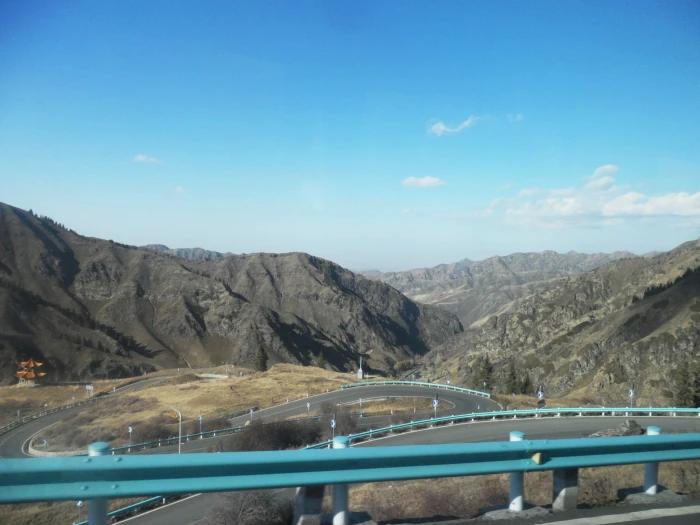
I remember the moment the road climbed out of Dushanzi. The industrial edge of the city dropped away within twenty minutes and the canyon walls closed in. By mid-morning I was above the tree line, with snow banked along the shoulders even though it was warm down in the valley. At the Hashilagen pass the air thinned and my ears popped. I pulled over at a pullout near the glacier and watched a herder move sheep across a saddle of rock. That stop cost me forty minutes but gave me the best photographs of the trip.
The middle stretch is the part people underestimate. Between the northern grassland towns and the southern desert, the highway threads through tunnels and switchbacks that demand constant attention. I counted four long tunnels before the road dropped toward Kuqa. My passenger, a friend named Wei who had never been west of Xi’an, said the landscape changed more in one afternoon than across his whole life back home. We ate lunch at a roadside spot in Bayinbuluke, paying ¥45 for a bowl of laghman noodles and a plate of cold cucumber.
These Xinjiang Road Trip Duku Highway Tips are really about preparation. The road rewards people who check the weather, fill the tank, and leave early, and it punishes anyone who assumes it behaves like a normal highway.
Quick Reference
| Detail | Information |
|---|---|
| Location | Dushanzi (north) to Kuqa (south), crossing the Tianshan range in central Xinjiang |
| Length / Fee | 561 km, no toll; budget ¥400 to 500 for fuel on a full crossing |
| Best time | Mid-June to late September; usually closed October through May |
| High point | Hashilagen pass area, around 3,400 m, with year-round snow |
| Drive time | 10 to 12 hours one way; plan a full day, not a half day |
How to Get There
Most drivers begin from one of two ends. From Urumqi, take the G30 Expressway south to Dushanzi, about 250 km and three hours, then start the Duku from the north. From Kashgar or Aksu in the south, drive north to Kuqa and enter the highway from the southern gate. I usually stage in Dushanzi the night before so I can leave at first light. The northern approach keeps the hardest climbs in the cool morning and gets you to the grasslands before the afternoon wind picks up. The wider Xinjiang Road Trip Duku Highway Xinjiang corridor links the northern prairie with the Tarim Basin, and you feel that link as the road drops toward Kuqa.
If you want the southern start, Kuqa has a small airport with flights from Urumqi, and the Xinjiang Self-Driving Guide on our site maps the fuel and rest stops between Aksu and the Kuqa gate. Either direction works; the views are the same, only the order changes. The Xinjiang Road Trip Duku Highway guide I keep updated lists every tunnel and pullout if you want the mile-by-mile version.
Best Time to Visit
The road opens when snow clears from the high passes, typically in early to mid-June, and closes again with the first heavy snow, often in late September or October. Timing is the single biggest factor in whether you get the trip you imagined.
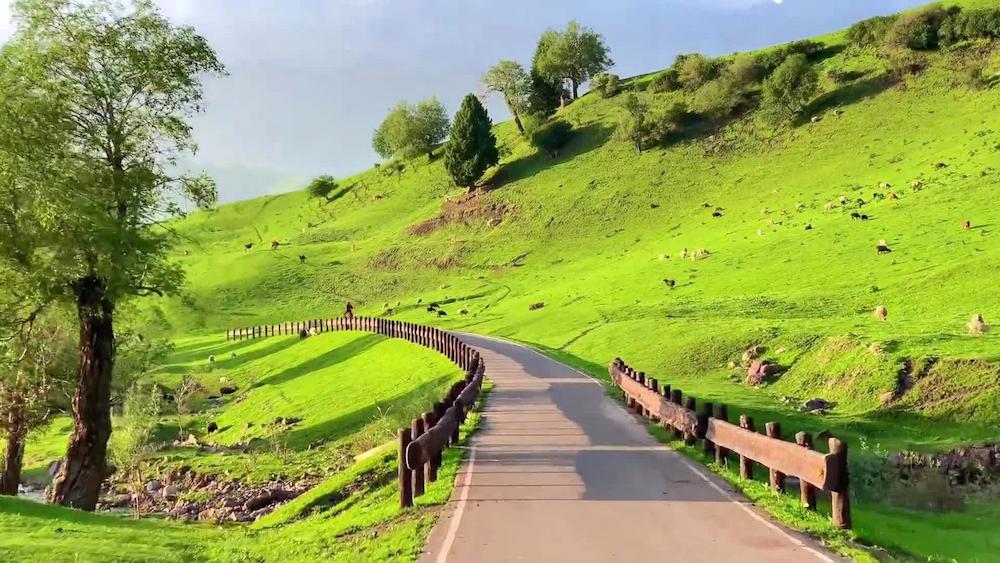
June brings green grasslands and full rivers, but the passes can still be slushy in the morning. July and August are the safest months for driving, with the most services open, though the northern towns get busy on weekends. September is my favorite: the grassland turns gold, the crowds thin, and the weather holds. I would not plan a Duku crossing in October unless I had a local update that morning.
My clear recommendation is to aim for the last two weeks of August or the first two weeks of September. You get stable road conditions, cooler driving, and the autumn color without the peak-season crowds. This timing also lines up with the advice in our Best Time to Visit Duku Highway breakdown, which tracks the opening dates year by year.
Where to Stay
You can drive the whole road in a day, but splitting it lets you see the grasslands. Budget travelers can sleep in Dushanzi or Kuqa for ¥120 to 180 a night in a standard room; I stayed at a basic place in Dushanzi for ¥150 and left at 7 a.m. Mid-range hotels in those same towns run ¥280 to 400 and include breakfast. If you want to wake up in the mountains, the yurt stays near Bayinbuluke cost me ¥220 a night, basic but warm, with a shared toilet block.
For an upper option, the better hotels in Kuqa and the resort lodges near the northern grassland towns run ¥500 to 800 a night and give you heating, reliable hot water, and a real bed after a long drive. Book these ahead in July and August, when rooms near the Duku ends sell out on weekends.
Food
Food on the road is simple and cheap. At the Dushanzi start I grabbed a ¥6 baked sesame bread and a ¥10 milk tea before fueling up. Along the way, roadside stalls sell grilled lamb skewers for ¥5 to 8 each and whole naan for ¥4. In Bayinbuluke I paid ¥45 for laghman and ¥30 for a plate of stir-fried potato and green pepper. In Kuqa at the end of the drive, a proper dinner of polo with bread came to ¥38, and a cold local beer was ¥10.
Carry water and snacks regardless. The middle 200 km has few services, and a ¥15 sandwich from a town market beats a hangry afternoon at a high pass. The Xinjiang Food Guide Itinerary lists the dishes I rely on across the region if you want a fuller picture.
Practical Tips
- Fill the tank at the start. The last reliable fuel before the long middle stretch is in Dushanzi or Kuqa depending on direction; I carried a 10-liter jerry can on my first trip and never needed it, but I was glad it was there.
- Leave early. A 7 a.m. start gets you through the northern tunnels before tour buses and gives you light for the afternoon descent.
- Pack for two seasons. I wore a t-shirt at the base and a down jacket at the Hashilagen pass; temperatures swing 20°C across the day.
- Check road status the morning you go. The highway can close for weather with no notice, and the southern end sits near areas where border rules apply.
- Download offline maps. Signal drops for long stretches, and the Xinjiang Visa and Permit Guide explains the ID checks you may meet at the southern gate.
- Drive the speed you can hold, not the speed you want. The switchbacks near the southern canyon are unforgiving, and there is no shoulder in places.
Sample Itinerary: Turning These Xinjiang Road Trip Duku Highway Tips Into a Plan
Day 1, north to south: Leave Dushanzi at 7 a.m. Reach the Hashilagen pass by 10 a.m. Lunch in Bayinbuluke around 1 p.m. (¥45 noodles). Continue through the tunnels and arrive Kuqa by 7 p.m. Dinner polo ¥38.
Day 2, optional south loop: From Kuqa, visit the Tianshan Mysterious Grand Canyon (¥40 entry) in the morning, then drive back north or continue to Aksu. A second night in Kuqa lets you recover before the long drive out.
Two-day relaxed variant: Sleep in Bayinbuluke between the halves. Day 1 Dushanzi to Bayinbuluke (6 hours). Day 2 Bayinbuluke to Kuqa (5 hours), lighter and more relaxed.
FAQ
Do I need a special permit to drive the Duku Highway?
The road itself is open to normal tourist vehicles, but the southern end sits near sensitive border areas. Carry your passport or Chinese ID and expect checks. Our Xinjiang Visa and Permit Guide covers the details.
Can I drive it in one day?
Yes, if you start early and do not stop much. I did it in eleven hours with a few short stops. A relaxed version takes two days.
Is the road open in winter?
Almost never. Snow closes the high passes from roughly October to May. Plan for mid-June through September.
What car do I need?
Any solid road car works in summer. I drove a rented SUV but saw sedans doing fine. A high-clearance vehicle helps only if you leave the pavement, which I do not recommend.
How much should I budget for fuel?
About ¥400 to 500 for a full crossing at 2023 prices, depending on your vehicle. Fill at the start; services are thin in the middle.
Is there phone signal?
Spotty. Download offline maps before you leave Dushanzi or Kuqa. Do not rely on navigation through the tunnels.
Disclaimer
Prices, fuel costs, opening dates, and permit rules described here reflect my trips through 2023 and may change. The Duku Highway closes for weather and maintenance with little notice, and border-area rules shift. Always confirm current road status, fees, and ID requirements with official sources and your accommodation before you set out. This article shares personal experience and is not official travel advice.