

Published: 2026-07-25 | Author: Karl Huang
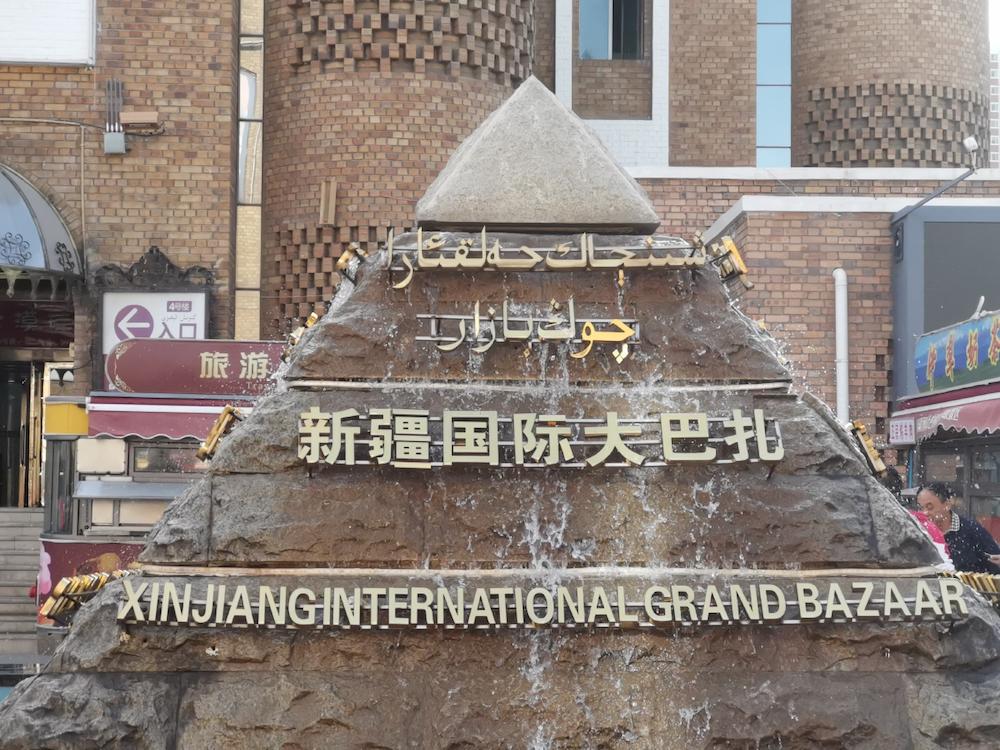
Xinjiang eats by region, and the route matters as much as the menu. The plan below is a seven-day eating loop I built after years of guiding food-focused trips: start in Urumqi’s night markets and the International Bazaar, move to Turpan for hand-pulled laghman shaped by local wheat and water, then drive or fly south to Kashgar, where lamb takes the smell of apricot-wood charcoal.
I tell travellers to time the markets, not the restaurants — the Sunday livestock market and the morning bread stalls are where the real versions live. Expect Halal kitchens almost everywhere and prices that shift with the season; confirm current rates when you arrive. This is an eating-first itinerary, so the days are shaped around where the good food actually is, not around the sights.
Planning Snapshot
| Item | Detail |
|---|---|
| Route length | 7 days, about 1,800 km by road |
| Base cities | Urumqi, Turpan, Kashgar |
| Food budget | ¥180 to ¥320 per person per day |
| Best time | September to October |
| Role of this plan | Eating-focused day-by-day loop |
Why I Built This Route
I have eaten across Xinjiang in every season since 2016. The problem most travelers hit is simple. They read a list of dishes, then try to find them in whatever city they happen to be standing in. Xinjiang does not work that way. The hand-pulled noodles taste different in Turpan because the wheat and the water are different. The lamb in Kashgar carries the smell of the charcoal and the apricot wood locals favor. When people ask for the single Xinjiang Food Guide Xinjiang edition they can actually follow on the road, this is the plan I hand them.
The Xinjiang Food Guide Itinerary below is the version I now give to clients who tell me they came for the landscape but stayed for the food. I keep it to three cities on purpose. Add a fourth and the driving starts to eat the eating. On that 2019 trip I made a mistake that shaped everything after it. I booked the group into a hotel near Urumqi’s international bazaar and assumed we would graze our way through the stalls. What I forgot was the clock. The morning market peaked at 8:30 and was gone by 10. We arrived at 11 and found folded tarps and swept concrete. The lesson stuck: an eating itinerary lives or dies on schedule, not on restaurant names.
A second memory sealed the format. In October 2021 I stood at the Kashgar night market with a friend who had flown in from Guangzhou. We ordered shashlik, then more shashlik, then polo, and by midnight we had spent ¥86 total and eaten better than at any restaurant on his list. He asked why the guidebooks never said the night market was the meal. They never do, because the good stuff is timed and local, not listed. That night is exactly why this Xinjiang Food Guide Itinerary ends in Kashgar instead of starting there.
The Approach
Most travelers start from Urumqi, the regional hub. Flights from Beijing run about 4 hours and cost ¥1,400 to ¥2,200 one way depending on season. From Xi’an the train takes roughly 13 hours on the high-speed line; a soft sleeper berth runs ¥620. If you are already in Kazakhstan, the international train from Almaty reaches Urumqi in about 24 hours and saves you a flight connection.
From Urumqi you move south. Turpan sits 180 km away and the bus takes 2.5 hours for ¥45. Kashgar is far, roughly 1,450 km, so most people fly (1.5 hours, ¥480 to ¥900) or take the overnight train (about 22 hours, ¥330 hard sleeper). Border regions near Kashgar fall under permit rules, so check the Xinjiang Visa and Permit Guide before you build the southern leg. I learned this the hard way in 2018 when a driver and I were turned back at a checkpoint outside Tashkurgan because my permit window had lapsed by one day.
Picking Your Season
Spring (April to May) is mild but the fruit is not yet in. Markets feel thin and many roadside stands stay closed. Summer (June to August) brings the longest daylight and the fullest markets, yet Turpan regularly hits 40°C and lunch service slows to a crawl in the afternoon heat.
Autumn (September to October) is the window I recommend. The grapes come in around Turpan in early September. Kashgar’s Sunday livestock market runs at full energy. The light is soft and the roads are clear. Winter (November to March) is quiet and cheap, and the laghman tastes great in a cold dining room, but several mountain passes close and some guesthouses shut.
My clear recommendation: plan the Xinjiang Food Guide Itinerary for the last two weeks of September. You catch the grape harvest, avoid the National Day crowds that flood the north in early October, and still get warm enough days to eat outside. Each stop on the route earns its place because of one dish done better there than anywhere else nearby.
Lodging Notes
Budget travelers do well in Urumqi’s Hongshan area, where clean hostels and basic hotels run ¥120 to ¥180 a night. In Kashgar, the old city guesthouses start at ¥140 and put you steps from the morning bread ovens.
Mid-range picks sit around ¥300 to ¥480. In Urumqi I send people to the blocks near the museum, which keeps them close to both the bazaar and the rail station. Turpan has solid mid hotels near the Gaochang ruins road for ¥260.
Upper-end stays run ¥600 to ¥1,100. Kashgar has a restored courtyard hotel inside the old city that books out weeks ahead in autumn, and Urumqi’s lakefront towers offer good base camps if you drive out to Tianchi the next morning. Wherever you sleep, ask the front desk where they eat. The answer is almost always better than the concierge’s printed list.
Meals Worth Planning Around
This is the core of the plan, so I will be specific. In Urumqi, start with samsa, the baked meat pastry, at ¥6 to ¥10 each from the tandoor stalls near the bazaar. Laghman (hand-pulled noodles with stir-fried toppings) runs ¥22 to ¥38 a bowl. Da pan ji, the big-plate chicken with belt noodles, feeds two for ¥68 to ¥98.
In Turpan, the seedless grapes sell at ¥6 to ¥12 a kilo in September. Zhua fan (oven rice with lamb and carrot) costs ¥25 to ¥40. The local raisin bread from the mud brick ovens is ¥3 a loaf and gone by noon. Kashgar is the peak: kunefe-style cheeses, shashlik skewers at ¥3 to ¥6 each across the night market, and polo (Xinjiang pilaf) at ¥20 to ¥35. My longer Xinjiang Food Guide Guide breaks each dish down city by city and lists the exact stalls I return to when I am in town.
One price note that saves arguments: in the old city, skewer counts and plate sizes vary by stall. Agree on the price before you sit, and carry small bills. I once watched a group of four get a ¥40 bill turned into ¥120 because nobody checked the per-skewer rate first. Eat where the trays turn over fast and the crowd is local, and the math will be in your favor. The Xinjiang Food Guide Itinerary rewards travelers who slow down and let the market set the pace.
Before You Go
- Eat early. Morning markets clear by 10, so be at the stalls by 8:30 with cash in hand.
- Match the dish to the town. Do not hunt for great laghman in Kashgar or great polo in Urumqi; each city owns its specialty.
- Carry small cash. Stalls and older guesthouses often refuse cards and large notes.
- Learn three words: nang (bread), gox (meat), and suv (water). They open more doors than a phrasebook.
- If you drive the route yourself, read the Xinjiang Self-Driving Guide first. The south involves long empty stretches with no food for 100 km, and the clock that runs this Xinjiang Food Guide Itinerary does not forgive empty tanks.
- Ask locals where they eat, then follow them. The best meal of my 2019 trip was a ¥15 noodle bowl a taxi driver insisted we try.
Sample Itinerary: The Xinjiang Food Guide Itinerary Day by Day
This is the day-by-day shape I use. It strings the dishes above into a real loop that respects market hours.
Day 1, Urumqi. Land, drop bags, and walk the bazaar for samsa and laghman. Dinner is da pan ji near the museum blocks.
Day 2, Urumqi to Tianchi. Morning drive to the lake, back for noon noodles, then an evening food crawl along Hongshan.
Day 3, Urumqi to Turpan. Bus down, arrive for lunch, spend the afternoon at the grape stands and the karez system, dinner on zhua fan.
Day 4, Turpan. Jiaohe ruins at opening, then the raisin bread ovens and a slow afternoon. The broader Xinjiang Food Guide guide I wrote covers the Turpan market timing in detail.
Day 5, Turpan to Kashgar (fly). Long travel day. Land, walk the old city, and graze the night market skewers.
Day 6, Kashgar. Sunday livestock market if your dates line up, then polo and the courtyard teahouses.
Day 7, Kashgar. Id Kah square at dawn for fresh nang, last stalls, and the flight or train north.
Things People Ask
Is 7 days enough for a food-focused Xinjiang trip? It is enough to taste the three anchors: Urumqi, Turpan, and Kashgar. If you want the north’s lake towns too, add three days and start from the Xinjiang Food Guide Guide plan instead, which adds Kanas and the Altai fringe. For the stall-level detail by city, see the Xinjiang Food Tour Guide.
How much should I budget for food? Plan ¥180 to ¥320 per person per day including snacks and one bigger meal. Drinks, alcohol, and hotel breakfasts are extra.
Can I do this as a vegetarian? Partly. Nang, laghman (ask for vegetable topping), raisin bread, and grape-based dishes are safe. Strict vegetarians should expect limited hot options outside Urumqi and will miss the lamb-centric south.
Do I need a permit for this route? The base loop does not. Day trips toward Tashkurgan or the Khunjerab side require a border permit, covered in the Xinjiang Visa and Permit Guide.
When are the markets best? Mornings, always. The 8:30 to 10 window beats any afternoon visit, and Sunday in Kashgar is the standout.
Is it safe to eat from street stalls? Yes, if you watch the turnover. Busy stalls with fresh trays are safer than quiet ones with food sitting out. I have eaten from Urumqi to Kashgar for eight seasons without a serious issue.
Planning the Wider Trip
Distances in Xinjiang punish a rushed plan. This is the way I’d stitch Xinjiang Food together with the rest of the region.
- Xinjiang itinerary planner
- Xinjiang travel guide
- Bayingol Travel Guide 2026: What to See, Do & Plan
- Tacheng Prefecture Travel Guide 2026: What to See, Do & Plan
Before You Rely on This
This Xinjiang Food Guide Itinerary is the plan I would hand my own family, and the one I keep refining each autumn as prices and schedules shift. Prices, permits, market hours, and train or flight timings change from year to year. The figures above reflect my own trips between 2016 and 2025 and are shared as planning ranges, not guarantees. Always confirm current costs and entry rules with official sources and your hotel before you travel. This article is practical guidance based on first-hand experience, not a substitute for checking live conditions on the ground.
Things People Ask
Is Xinjiang food Halal, and what should I expect?
The south and most of the region is overwhelmingly Halal, with Uyghur, Kazakh and Hui kitchens serving lamb, hand-pulled noodles and flatbreads. Pork is rare outside Han-run spots. Tell hosts about allergies early, and expect long tea-and-bread breaks rather than fast meals — eating here is social, not rushed.
Can I do this route by train instead of driving?
Partly. Urumqi, Turpan and Kashgar sit on the rail network, but the best food towns and markets are spread out and a car gives you the timing. Many travellers fly the long legs and use local drivers for market days. Schedules shift, so confirm before you travel.
How much should I budget for food per day?
A travelling eater spending at markets and mid-range restaurants typically spends a moderate amount per day; prices rise in Kashgar during autumn festival weeks. I avoid quoting fixed numbers because they move with the season — check current rates when you arrive, and keep small cash for stall vendors.
Plan Your Xinjiang Trip
Build the route, timing, and logistics around Xinjiang Food Guide Itinerary with these related guides from Xinjiang Itinerary:
- Xinjiang Itinerary Routes: 7, 10 & 14-Day Plans
- Xinjiang Food Guide: Laghman, Kebabs, Polo & Dapanji
- Heavenly Lake Itinerary Ideas
- Bayinbuluke Grassland Itinerary Ideas
One Thing to Get Right
The mistake I see most is underestimating transfer time and trying to cover north and south in one week. Fly the long legs and give each region real days.
Understanding Xinjiang Food
Xinjiang is one-sixth of China by area and spans two deserts, three mountain systems and a dozen distinct oasis cultures. The single most useful planning fact is the sheer scale: a ‘short hop’ is often a full day on the road.
About These Notes
Last reviewed 2026-11-04 by Karl Huang, Xinjiang Travel Specialist & founder of Xinjiang Itinerary. I keep a running list of what changed since the last season — new shuttle routes, shifted gate fees, closed passes — and fold it in here.
For authoritative reference, these are the sources I cross-check against when I refresh these notes: