

Published: 2026-07-24 | Author: Karl Huang
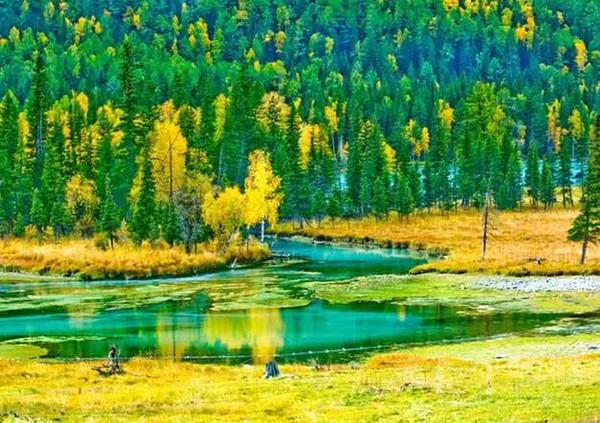
My first serious attempt at building a Xinjiang Photography Guide Guide began on a cold November morning in 2019, when I set a rented tripod on the Kanas Lake boardwalk and watched the fog clear at 8:42 a.m. I had paid 230 yuan for park entry and another 100 yuan for the shuttle bus, and I still missed the peak reflection by about ten minutes because my sunrise app was wrong by half an hour. Six years and roughly 40,000 frames later, I have photographed every major region here, and this guide collects the lessons so you can plan better than I did. A solid Xinjiang Itinerary matters as much as your lens, because the region is vast and the good light is brief.
Xinjiang Photography Guide Guide: The Quick Reference
| Location | Entry Fee | Best Time | What to Shoot |
|---|---|---|---|
| Kanas Lake, Altay | 230 yuan + 100 yuan shuttle | Late Sep to mid-Oct | Lake reflections, birch forest |
| Hemu Village | Covered by Kanas ticket | Early to mid-Oct | Wooden huts, dawn smoke |
| Sayram Lake | 70 yuan | June to July | Alpine lake, wildflowers |
| Karakul Lake, Pamir | 50 yuan | May to September | Muztagh Ata mirror |
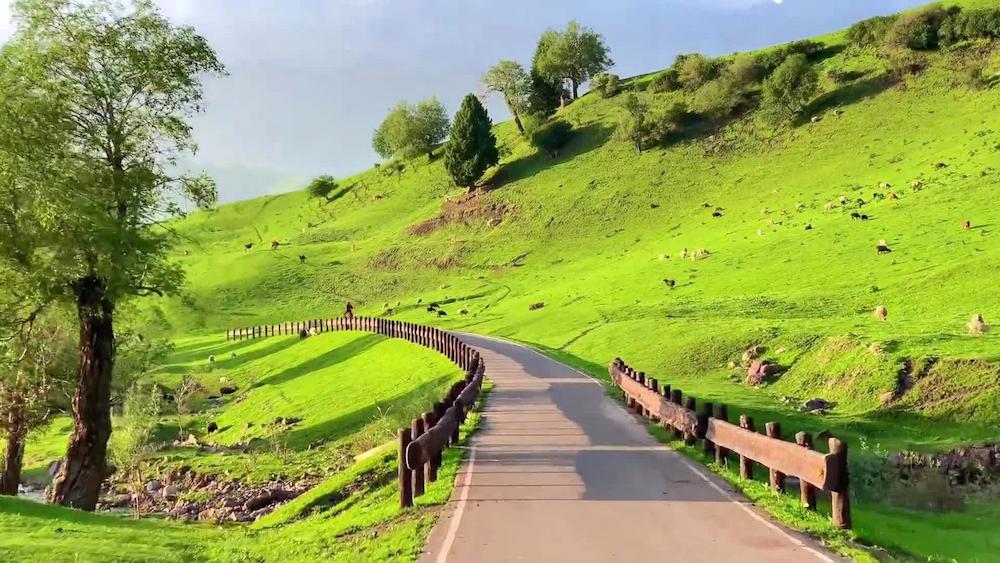
| Duku Highway | Free (toll sections) | June to September | Mountain switchbacks |
| Flaming Mountains | 40 yuan | Sunset, year-round | Red cliff faces |
Why I Keep Refining This Xinjiang Photography Guide Guide
I came back from my second trip frustrated. In 2021 I spent four days around Turpan and got almost nothing usable at the Flaming Mountains because I arrived at noon; the cliffs were washed out white. A local driver named Ablimit told me to come back at 7 p.m., and the difference was shocking. The red rock turned deep orange and the shadows finally gave it shape. That single tip changed how I plan every shoot. The Xinjiang Photography Guide on this site covers gear and technique in more detail, but the real secret is timing, not equipment.
On the Pamir Plateau in 2022, I rented a 4×4 with a driver for 800 yuan a day out of Kashgar and reached Karakul Lake by late afternoon. The wind was brutal and my tripod nearly blew over, but the still water mirrored Muztagh Ata at 7,546 meters. I shot 200 frames in 25 minutes before the light died. Every version of this Xinjiang Photography Guide Guide starts with that Karakul evening, because it shows why the wait is worth it.
How to Get There
Most photographers fly into Urumqi Diwopu International Airport (URC), where a round-trip ticket from Beijing runs about 2,200 yuan in shoulder season. From Urumqi you have two choices. The fast one is to fly onward to Altay or Kashgar; a Urumqi to Kashgar flight costs 900 to 1,300 yuan and saves you two days of driving. The better one for photos is to drive, because the roads themselves are the subject.
The Duku Highway, which connects Dushanzi to Kuqa, opens only from roughly June to September and closes for snow the rest of the year. It climbs past snow lines and drops into red-rock canyons in a single day. If you want the northern forests, take the flight to Altay (about 1 hour, 600 yuan) and base yourself in Burqin, then drive 150 km to Kanas the next morning.
Best Time to Visit
Xinjiang splits cleanly into seasons, and each one gives you a different palette. Spring, from April to early May, brings apricot blossoms in the Tarim basin but dust storms in the north. Summer, June through August, is the safe choice: Sayram Lake fills with flowers and the roads are open, though midday heat in Turpan tops 45°C. Autumn, late September to mid-October, is the headline season for the north; the birch and poplar turn gold and the tourist crowds thin after the National Day holiday ends around October 7.
Winter is underrated. From November to March, Kanas sells a discounted ticket near 90 yuan and you get frozen lakes with almost no other visitors, but several guesthouses close and the temperature drops below minus 25°C at night. For most people I recommend the last two weeks of September. You catch the peak color in Altai and still beat the October holiday crush. The Best Time to Visit Xinjiang Guide on this site breaks the months down region by region if you want the full picture.
Where to Stay
Budget travelers can sleep in Burqin town at a clean hostel for 80 to 120 yuan a night and eat at the night market for under 40 yuan. Mid-range hotels near Kanas scenic area, such as the ones in Hemu, run 350 to 600 yuan in autumn and book out weeks ahead, so reserve by early September. Upper-end stays include the lakeside lodges inside the Kanas reserve at 1,200 yuan and up, which let you walk to the boardwalk before the day-trippers arrive at 9 a.m.
On the Pamir side, Kashgar has the widest range. I stayed at a restored courtyard hotel in the old city for 480 yuan, walked to the Id Kah Mosque at 6 a.m., and caught the blue hour over the mud-brick lanes with nobody around. Wherever you book, confirm heating in winter and ask whether the windows face east if you want sunrise.
Food
You will eat well, and cheaply, while shooting. A plate of laghman noodles in a Kashgar backstreet costs 18 to 25 yuan and fills you for a morning of walking. Samsa, the baked meat pastry, runs 5 yuan each from roadside ovens. In Altay, try the cold-smoked fish from Kanas at around 60 yuan a portion, and the wild mushroom hotpot in Burqin for 120 yuan shared between two. Naan bread is 3 to 5 yuan and keeps for a day in your camera bag as trail food.
Bring cash for small stalls; some village bakeries and the parking-lot tea tents outside the scenic areas still do not take cards. A thermos of milk tea for 8 yuan saved me on a minus-10°C morning at Karakul when the wind cut through every layer I owned.
Practical Tips
- Carry two batteries per body in cold months; sub-zero temperatures cut life by half, and I learned this the hard way at Hemu.
- Use a polarizing filter for lake shots. It kills the glare on Sayram and Kanas and deepens the sky without software tricks.
- Arrive at any famous viewpoint 40 minutes before sunrise. The best frames at Kanas happen in the first ten minutes after the fog lifts.
- Protect gear from dust on the southern roads. A simple zip bag kept my sensor clean through three days on the Taklamakan edge.
- Buy a local SIM with data before leaving Urumqi. Signal vanishes on the Duku Highway and you cannot lean on cloud backups.
- Respect closures and herders’ land. Several Pamir valleys sit near border zones, and a wrong turn can end a trip at a checkpoint.
Sample Itinerary
This is the route I now run with small groups, built to chase light rather than tick boxes.
- Day 1: Fly to Urumqi, pick up a car, drive to Burqin (about 7 hours). Sleep early.
- Day 2: 5:30 a.m. departure to Hemu, shoot dawn smoke, then Kanas boardwalk at 8:30 a.m. Night in the reserve.
- Day 3: Drive the northern loop to Sayram Lake via the desert highways; arrive for late-afternoon light.
- Day 4: Morning wildflowers at Sayram, then fly to Kashgar in the evening.
- Day 5: Old city blue hour, then drive to Karakul Lake for the Pamir sunset.
- Day 6: Return to Kashgar, buffer day for weather or a missed shoot.
If you rent a car and self-drive, read the Xinjiang Self-Driving Guide first; the fuel, toll, and rest-stop reality is different from home.
FAQ
Do I need a permit to photograph near the borders?
Yes for Pamir and some Altai areas. The border travel permit is free but requires your passport at the Kashgar public security bureau, and it takes a morning. Plan it before your driving day.
Is a drone worth bringing?
It depends. Drones are banned inside most scenic areas like Kanas and over Kashgar old city, and the Pamir plateau has military no-fly zones. Check on site; I left mine in the hotel more often than I flew it.
What lens should I pack?
A wide zoom (16-35mm) for landscapes and a 70-200mm for compressing mountain layers. I shot 70 percent of my keepers on those two alone.
Can I visit in winter?
Yes, and it is quiet and cheap, but confirm which guesthouses stay open and carry extreme-cold gear. The Xinjiang Visa and Permit Guide also covers the border paperwork that overlaps with Pamir access.
How many days do I really need?
At least six for the north plus Pamir highlights. Anything shorter means skipping either the forests or the plateau, and both are the reason you came. If this Xinjiang Photography Guide Guide helps you catch one good sunrise, it did its job.
Disclaimer
Prices, permits, park opening dates, and flight costs listed above reflect what I paid or was quoted between 2019 and 2025. They change often, especially entry fees after holidays and the Duku Highway open season, which shifts with snowfall. Always confirm current rates and border-permit rules with the official Xinjiang tourism channels or your hotel before you travel. This article shares personal experience and is not a substitute for official advice.