

Published: 2026-07-27 | Author: Karl Huang
Xinjiang in November is the window I now recommend to travelers who dislike crowds and inflated summer prices. I landed at Urumqi Diwopu International Airport (URC) on November 8, 2023, on a China Southern flight from Xi’an that cost me 1,180 RMB round trip. The terminal was calm. No tour buses idled outside. My driver, a Kashgar-based operator named Ablimit, met me at the carousel and said the same thing he says every November: the roads are empty, the hotels are half price, and the light is the best of the year.
That trip ran twelve days and covered Urumqi, Turpan, Kashgar, and a short hop toward the Pamir. This guide is built from what I actually did, what I paid, and the mistakes I made so you do not repeat them.
Quick Reference
| Detail | Value |
|---|---|
| Location | Xinjiang Uyghur Autonomous Region, northwest China (Urumqi, Turpan, Kashgar, Pamir corridor) |
| Entry fee | Most city sites free with ID; regional museums 0 RMB; Pamir permit 0 RMB but required |
| Best time within November | Nov 1 to Nov 20 for open roads and mild days; late Nov for first heavy snow |
| Elevation | Urumqi 800 m, Turpan 30 m, Kashgar 1,289 m, Karakul Lake 3,600 m, Pamir passes up to 4,700 m |
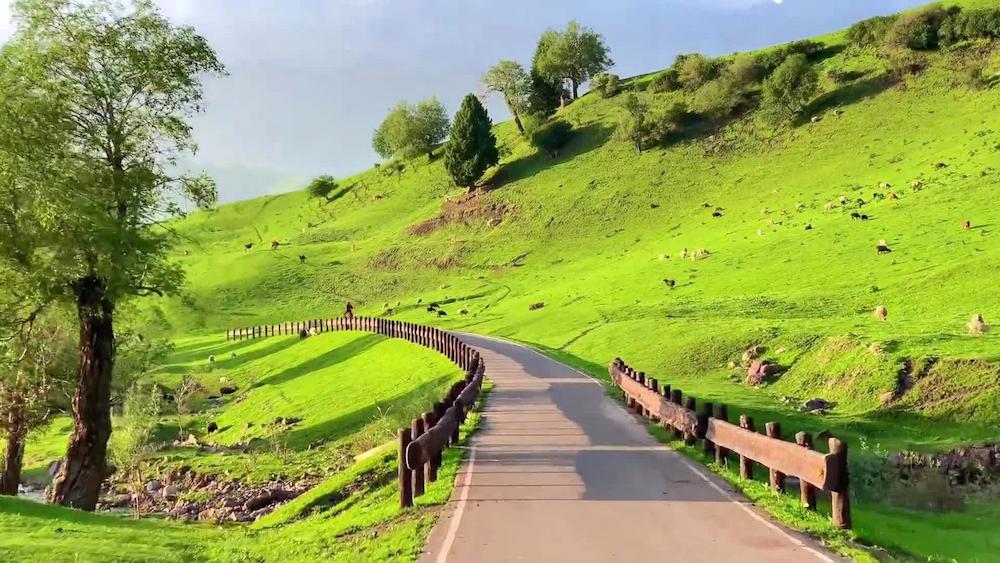
The single fact that shapes every November plan is this: the far north shuts down while the south stays open. On my 2023 trip I watched the calendar close one region and open another. When I left Urumqi the night of November 9, Kanas had already stopped selling individual-entry tickets for the season. The guesthouses in Hemu were boarding their windows. Meanwhile, 1,500 km southwest in Kashgar, the old city was busy, the bazaars were full, and the weather was merely cool. Xinjiang in November rewards travelers who plan around the weather rather than against it.
I spent my first two nights in Urumqi because it is the rail and air hub everything connects through. The Hilton Urumqi, which quotes 900 RMB in July, gave me a weekday rate of 420 RMB. Breakfast was included and the heating worked, which matters more than it sounds when the outdoor temperature reads minus six.
On November 10 I took the D55 high-speed train from Urumqi to Turpan. It left at 09:12, covered 154 km in 58 minutes, and cost 51.5 RMB second class. Turpan sits below sea level and holds heat, so even in November I walked the Jiaohe Ruins at noon in a light jacket. The ruins themselves charge 70 RMB, but I arrived after the 18:00 close and photographed the mud walls in the last light for free from the perimeter road, which Ablimit said was the better photo anyway.
How to Get There
Most international travelers connect through Beijing, Shanghai, or Xi’an and then fly or train into Urumqi. I prefer the train from Xi’an because the daytime sleeper lets me see the Gobi change color. Domestic flights into Urumqi in November are cheap; I saw Xi’an-URC one-ways under 600 RMB in early November 2023.
From Urumqi, the high-speed line reaches Turpan in under an hour and continues toward the west. For Kashgar, you have two real options. The flight from Urumqi to Kashgar takes about two hours and cost me 980 RMB booked two weeks out. The alternative is the overnight train, roughly 24 hours, with a hard sleeper around 300 RMB. I flew west and took the train back, which let me write and sleep without losing a day.
Within the south, I rented a car with a driver for the Kashgar to Pamir leg because the Karakoram Highway requires a border permit and foreign visitors are not allowed to self-drive that corridor. The permit itself is free but must be arranged through a registered agent in Kashgar, and it took Ablimit one full morning to secure.
Best Time to Visit: Is Xinjiang in November the Right Call?
November splits into two distinct halves. The first twenty days are the practical sweet spot. Days are cool but not brutal, major roads are clear, and every hotel and restaurant is open at low-season prices. I did my best walking in Kashgar during this window, with daytime highs around 9 to 12 degrees Celsius.
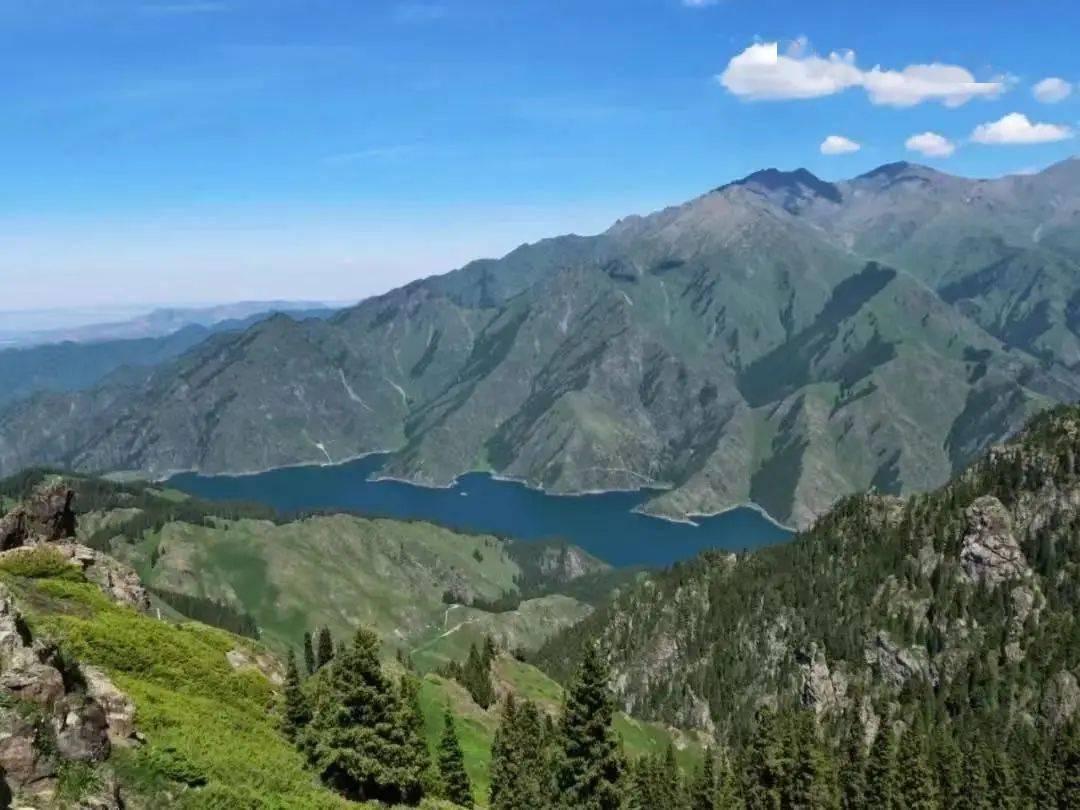
The back half of the month turns sharply winter. Snow reaches the south by late November, and the Pamir passes can close without warning when a storm hits. I had planned to reach the Khunjerab Pass on November 17, but the highway was shut at the Karakul Lake checkpoint due to ice. My advice: if the high Pamir is your goal, go in the first two weeks or wait for the cleared winter season in December.
Season by season, here is the honest read. Spring bringsdust storms and unreliable mountain roads. Summer is crowded and expensive. October is beautiful but already booked out by mid-month. Xinjiang travel guide planning usually points people to September, yet November gave me emptier sites and the same mountains. My clear recommendation: choose early November for flexibility and value, late November only if you specifically want snow.
Where to Stay
Budget travelers will do well in November. In Kashgar I stayed at a restored courtyard guesthouse inside the old city for 160 RMB a night, with underfloor heating and a rooftop that looked straight at the Id Kah Mosque minarets. Book directly at the desk and you often save the platform fee.
Mid-range is where the savings get silly. The 4-star properties that run 700 to 900 RMB in July were quoting 350 to 450 RMB across Urumqi and Kashgar during my stay. I used that gap to stay one category up from my usual plan without spending more than I would in summer.
Upper-end options exist mainly in Urumqi and a few new builds in Kashgar. Expect 600 to 900 RMB for a proper five-star in November, still well under the summer peak. The one place I would not cheap out is heating: confirm the room has working central heat before you pay, because a cold suite is worse than a warm hostel.
Food
November is a strong eating month because the cold sharpens the food and the prices stay low. At the International Grand Bazaar food street in Urumqi I paid 4 RMB per mutton skewer, 38 RMB for a half portion of dapanji (big plate chicken) with hand-pulled noodles, and 3 RMB for a fresh naan still warm from the tandyr oven. A full laghman bowl ran 18 to 25 RMB depending on the meat load.
In Kashgar the night market near the old city sold samsa from clay ovens at 5 to 8 RMB each, and a bowl of pay (mutton leg soup) with bread was 15 RMB. I ate at a small Uyghur canteen on Ruins Road where the owner, Gulnur, insisted I try the qordin (fried dough with honey); it was 6 RMB and the best thing I ate that week.
For travelers who want a structured route through the regional cuisine, the dishes above come straight from itineraries in our Xinjiang Food Tour Guide. I lean on it when a client asks what to eat in which town rather than guessing on the spot.
Practical Tips
- Carry your passport everywhere. Police checkpoints are normal on the road to the Pamir, and the border permit office needs the original document, not a photo.
- Book Pamir permits through a Kashgar agent at least two days ahead. Same-day requests often fail when the office is busy.
- Pack real insulation. I brought a minus fifteen rated jacket, thermal base layers, and two pairs of gloves; on the Karakul shore at noon I still needed both.
- Download offline maps. Cell coverage drops to nothing past the last Pamir village, and you do not want to learn that at a closed checkpoint.
- Confirm heating before you check in. A warm budget room beats a cold premium one every time in November.
- Keep cash. Small bazaar stalls and remote guesthouses in the south often do not take foreign cards, and some QR systems reject non-Chinese accounts.
My full cold-weather kit, with exact items and weights, is in the Xinjiang Packing List Guide. I update it each season after my own trips.
Sample Itinerary
This is the twelve-day loop I actually ran across Xinjiang in November 2023, trimmed of the parts that did not work.
Day 1 to 2: Arrive Urumqi, visit the Regional Museum (free, book ahead), eat at the Grand Bazaar. Day 3: High-speed train to Turpan, Jiaohe and Gaochang ruins at midday. Day 4: Train back to Urumqi, fly to Kashgar in the evening. Day 5 to 6: Kashgar old city, Id Kah Mosque, Sunday livestock market if your dates line up. Day 7 to 8: Drive the Karakoram Highway to Karakul Lake, sleep in a lakeside yurt camp, return to Kashgar. Day 9: Rest day and permit pickup for the next leg. Day 10 to 11: Loop toward Tashkurgan if the pass is open, otherwise explore Kashgar suburbs. Day 12: Fly out of Kashgar or back to Urumqi.
If the Pamir is closed, swap days 7 to 11 for a slower Kashgar stay plus a day trip to the Hotan jade market by train. I did exactly that on the rebooked plan and spent less than the original budget.
FAQ
Is Xinjiang in November too cold to enjoy?
Not in the south. Kashgar and Turpan stay cool rather than freezing, and indoor heating is standard. The far north is a different story and mostly closed, so plan your route around the southern cities.
Can I still reach the Pamir Plateau in November?
Sometimes. The Karakoram Highway past Karakul Lake depends on weather. I was turned back at the lake checkpoint on November 17. Build a backup plan and confirm the pass status in Kashgar the morning you intend to leave.
Are hotels and restaurants open?
Yes, across Urumqi, Turpan, Kashgar, and Hotan. Some northern guesthouses near Kanas and Hemu close for the season, but that does not affect a standard southern route.
How much should I budget per day?
Roughly 250 to 400 RMB per person covers a mid-range room, three meals, and local transport in the south. Flights and the Pamir driver are the big add-ons, not daily living costs.
Do I need a special visa for Xinjiang?
You need a valid China visa or visa-free entry like any other region, plus the Pamir border permit if you go past Kashgar. The permit is free but must be arranged locally. Details are in our Xinjiang Winter Travel Guide, which covers the closed-season northern parks too.
Is November good for photography?
Excellent. The low sun and thin crowds gave me clean shots of the old city and the desert without tourists in frame. Snow on the Pamir, when open, is the bonus.
Disclaimer
Prices, permits, train schedules, and border-pass status change without notice. The figures above reflect my November 2023 trip and are shared as planning guidance, not guarantees. Always confirm current entry rules, permit requirements, and weather with official sources and your airline before you travel. Xinjiang is large, and conditions differ sharply between the north and the south even within the same week.