

Published: 2026-07-25 | Author: Karl Huang
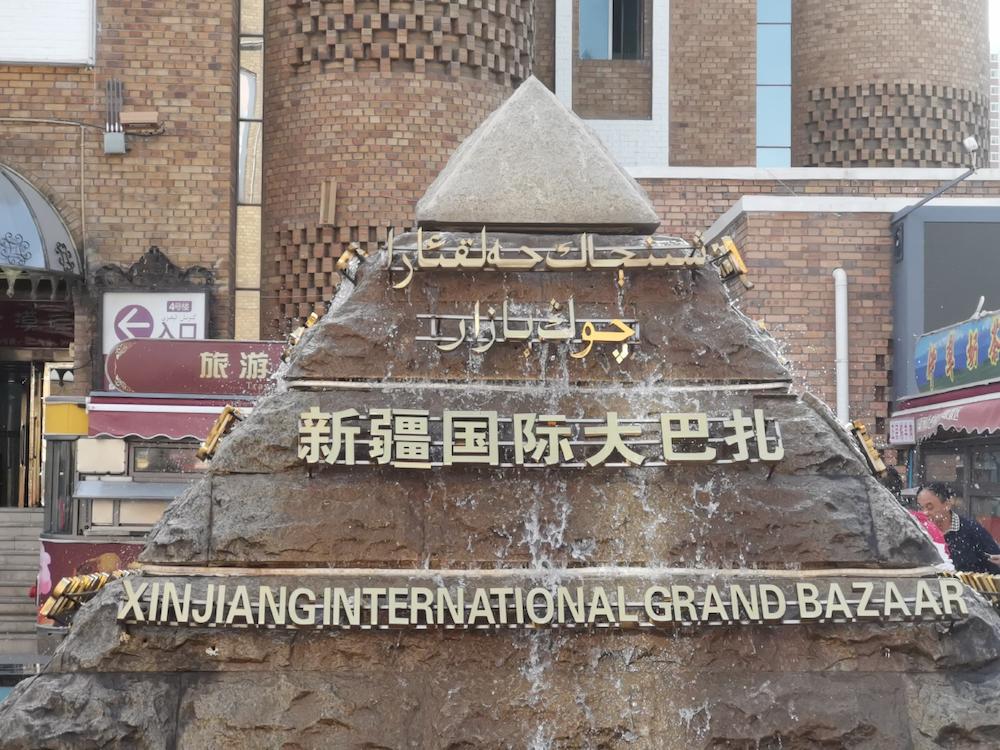
I still remember my first real meal in Xinjiang. It was a Tuesday in October 2018, around 8:40 pm, at a cramped skewer stall near the International Grand Bazaar in Urumqi. The lamb chuan’r cost 3 yuan each, the nang bread came off a clay oven for 2 yuan, and the owner, a man named Ablimit, would not let me pay until I finished a second bowl of laghman. That night taught me more about this region than any guidebook. These Xinjiang Food Guide Tips pull together what I have learned across eight seasons of eating from the Ili Valley to the Pamir Plateau.
Xinjiang Food Guide Tips From Eight Seasons
People ask me whether the food is just mutton and bread. It is not that simple. The cooking changes every few hundred kilometres. Around Urumqi and Turpan you get the dry, smoky flavours of the east. Drive west to Yining and the plates turn dairy-heavy, with thick kaymak cream and suutei tsai milk tea. Push south to Kashgar and you meet the saffron, cumin, and carrot richness of the Tarim Basin. My first week I assumed every polo (pilaf) was the same. By week three I could tell a Kashgar polo from a Hotan one by the raisins alone.
The single best decision I made on early trips was to eat where the locals queue. In 2019 I waited 25 minutes outside a shashlik house in Kashgar’s Old City behind a family of six. The dapanji (big plate chicken) that came out fed four of us for 68 yuan. That is the kind of Xinjiang Food Guide Guide logic I now follow without thinking: follow the line, not the signage.
Every region keeps its own version of the dishes I have described, and the Xinjiang Food Guide Xinjiang cooks grow up with is less about fixed recipes than about timing. The companion Xinjiang Food Guide guide I wrote goes deeper on the spice markets of Urumqi and Hotan, but the short version is this: eat with the season and the season feeds you well. A bowl of cold shorba in July tastes flat next to the same bowl in February, when the lamb has fattened on autumn pasture.
Quick Reference
| Item | Detail |
|---|---|
| Where to base yourself | Urumqi for the north, Kashgar for the south, Yining for the west |
| Typical street cost | 3-5 yuan per skewer; nang 2-4 yuan; laghman 18-28 yuan a bowl |
| Sit-down meal | 60-120 yuan per person at a solid Uyghur or Kazakh restaurant |
| Best time to eat well | May to October for fresh fruit and open grills; January for hot pots |
| Cultural role | A meeting point of Uyghur, Kazakh, Hui, and Han cooking traditions |
How to Get There
Most travellers land at Urumqi Diwopu International Airport (URC). A taxi to the city centre runs 50-70 yuan and takes about 40 minutes, depending on the ring-road traffic. From there, the high-speed rail reaches Turpan in 1 hour (54 yuan, second class) and Kashgar in roughly 14 hours if you take the overnight sleeper. I prefer the daytime train to Kuqa, about 6 hours, because the window views of the Tian Shan are worth the fare.
If you are building a longer route, pair the eating with the driving. My Xinjiang Food Guide Itinerary chains Urumqi, Korla, and Aksu so you taste a new regional style every day without backtracking. Renting a car with a driver costs around 800-1,200 yuan per day, and it lets you stop at roadside nang ovens that no tour bus visits.
Best Time to Visit
Spring (April to May) is quiet and cheap. The apricot blossoms around Kashgar draw crowds, but the restaurants stay calm, and you can eat well for less. Summer (June to August) is peak season. Fruit is at its best: Hami melons, Korla pears, and Turpan grapes pile up on every corner for 3-6 yuan a kilo. Autumn (September to October) is my favourite. The air turns dry, the grills come out every evening, and the polo festivals in the south make for easy, generous meals.
Winter (November to March) looks harsh on paper, but it is the best time for dungan hot pot and manta steamed buns. I spent January 2023 in Yining with temperatures at minus 18°C, eating samsa from roadside ovens and paying almost nothing because the tourist season had closed. If you want the widest choice and the friendliest prices, come in late September. That is the window I send most first-time visitors toward.
Where to Stay
Budget travellers do well with hostels and guesthouses near the bazaars. In Urumqi I often book a bed at the Silk Road Youth Hostel for 60-90 yuan a night; it sits two blocks from a night market. Mid-range hotels like the Hoi Tak in Urumqi or the Seman Hotel in Kashgar run 300-500 yuan and put you within walking distance of the best breakfast stalls.
For something upper-tier, the Kashgar Radisson (about 700-900 yuan) and the luxury wings of Urumqi’s modern towers give you a calm base after long eating days. Wherever you stay, ask the front desk for their nang baker recommendation. The best ones are never on travel apps. I learned that from a Xinjiang Food Tour Guide who had worked the Old City kitchens for twenty years.
Food
Here is what I order, and what I paid most recently:
- Chuan’r (lamb skewers): 3-5 yuan each. Cumin-heavy, never over-sauced. Order ten and share.
- Laghman: hand-pulled noodles with tomato, pepper, and beef. 18-28 yuan. The wider the noodle, the better the cook.
- Dapanji: big plate chicken with potatoes and belt noodles. 58-88 yuan for a plate that feeds two or three.
- Polo: Uyghur pilaf with carrot, raisin, and lamb. 25-40 yuan. Ask for the version with yangrou (lamb) on the bone.
- Samsa: baked meat pastries from the tandoor. 6-10 yuan each. Eat them hot; they go stale within the hour.
- Kaymak and naan: cream with flatbread for breakfast. 15-25 yuan for two.
- Fruit: Hami melon, seedless grapes, and Korla pears at 3-8 yuan per kilo in season.
One rule I repeat to every friend: skip the English-menu photo specials at the airport hotels. Walk four blocks and pay a third of the price for twice the flavour. Those are the Xinjiang Food Guide Tips I share with every first-time visitor, and they have not failed me yet.
Practical Tips
- Carry small cash. Many of the best nang and skewer stalls do not take cards or foreign apps.
- Eat before 9 pm in smaller towns. Kitchens in places like Yuli and Lop close early outside summer.
- Learn three words: nang (bread), shorba (soup), raq (water). They open more doors than a phrasebook.
- Share plates. Xinjiang portions are built for groups, and solo travellers who order one dapanji often waste half.
- If you are self-driving, build meal stops into the route. My Xinjiang Self-Driving Guide maps the roadside ovens between Urumqi and Korla.
- Watch the tea. Free refills are normal, but some tourist places charge 8-15 yuan per pot. Ask first.
Sample Itinerary
A relaxed five-day eating route I have run twice:
- Day 1 (Urumqi): Arrive midday. Dinner at the Grand Bazaar skewer row. Late walk through the night market for samsa.
- Day 2 (Urumqi): Breakfast of kaymak and nang. Afternoon train to Turpan. Grapes and laghman for dinner.
- Day 3 (Turpan to Korla): Drive the morning. Lunch of polo in a roadside stop. Evening dapanji in Korla.
- Day 4 (Korla to Kashgar): Overnight train. Morning in the Old City. Chuan’r crawl through the alley grills.
- Day 5 (Kashgar): Sunday livestock market breakfast, then a slow polo lunch before flying out.
FAQ
Is Xinjiang food safe for travellers with weak stomachs?
Yes, if you ease in. I tell newcomers to start with polo and laghman rather than the heaviest grilled lamb. Boiled water is standard, and I have never had a serious issue across dozens of trips.
Can vegetarians eat well here?
It is possible but takes care. Nang, laghman (ask for no meat), fresh fruit, and kaymak cover most meals. Pure veg restaurants are rare outside Urumqi, so I plan ahead.
How much should I budget for food per day?
Around 80-150 yuan covers street food and one sit-down meal. Add 100-200 yuan if you want the nicer Kashgar or Urumqi restaurants with wine.
Do I need to tip?
No. Tipping is not expected and can confuse staff. Pay the bill, say rahmet (thank you), and leave.
Is the water safe to drink?
Stick to bottled or boiled water. I carry a refill bottle and top up at hotels. The free tea at restaurants is usually boiled, so it is fine.
Disclaimer
Prices, opening hours, and even which stalls operate change from season to season and were correct to the best of my knowledge as of early 2026. Permits, train schedules, and restaurant rules can shift without notice. Always confirm current details with official sources or your hotel before you travel, and treat any figure here as a planning estimate rather than a guarantee.