

Published: 2026-07-29 | Author: Karl Huang
This Xinjiang Camping Guide comes straight from eight seasons of sleeping under Xinjiang’s skies. In June 2023 I paid a Kazakh herder named Ahei 80 RMB to pitch my tent on the riverside meadow at Hemu Village, and he tossed in a bundle of birch firewood for 30 RMB. We rolled out of Urumqi at 6:40 a.m. in a rented Great Wall Cannon, reached Burqin by 4:15 p.m., and heard the first coyote before 10 p.m. That trip taught me more about camping here than any brochure ever could. Xinjiang rewards people who carry their own shelter, but it also punishes anyone who arrives unprepared for its temperature swings.
Why This Xinjiang Camping Guide Skips the Resorts
A resort keeps you behind glass. Camping puts you on the ground where the wind, the cold, and the silence are real. I have slept in a tent at 2,000 meters where the lake froze a skin of ice on my water bottle by morning, and I have woken in the Taklamakan to a sunrise that turned the dunes the color of copper. Those moments are why I keep a Xinjiang camping itinerary saved for every season. The planning changes, but the gear logic stays the same.
Quick Reference
| Location | Nightly Fee | Best Time | Elevation / Role |
|---|---|---|---|
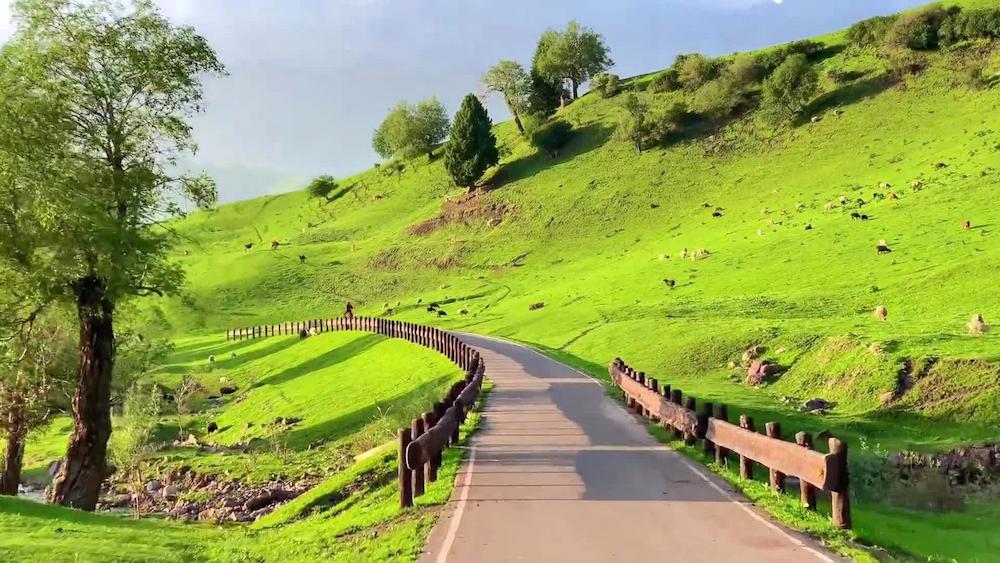
| Hemu Village Riverside | 80 RMB (herder fee) | June to September | 1,340 m, forest riverbank |
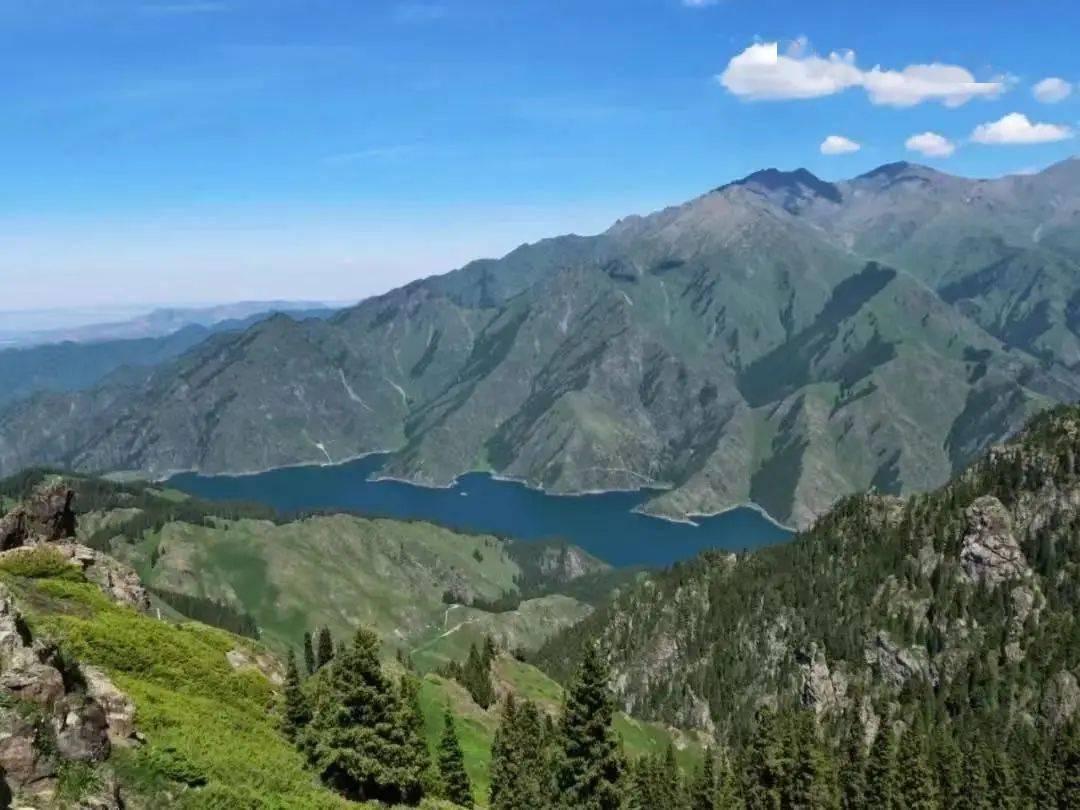
| Sayram Lake West Shore | 100 to 150 RMB | July to August | 2,073 m, alpine lake |
| Baihaba Village | 60 RMB + border permit | May to October | 1,600 m, frontier post |
| Taklamakan Desert Edge | Free / 40 RMB park fee | October to November | 1,010 m, dune field |
| Kanas Jiadengyu | 90 RMB | June to September | 1,200 m, gateway camp |
What Camping in Xinjiang Actually Feels Like
My first real night was at the Kanas riverside camp in 2019. I arrived after a nine-hour drive from Urumqi and set up a borrowed two-person tent that leaked at the seam. By 2 a.m. the temperature dropped to 4 degrees Celsius and I understood why locals call this region unforgiving. The next morning a woman from the nearby guesthouse, Gulnur, handed me a bowl of milk tea and said the cold was the price of the view. She was right. The lake at dawn, with no other people around, is the kind of quiet you cannot buy at a hotel.
Desert camping is the opposite problem. In October 2022 I camped near the Taklamakan’s northern edge with two friends from Berlin. Daytime hit 24 degrees and the sand felt warm through my boots. After sunset the temperature fell fast, and we kept the fire going until almost midnight. The silence there is total. No insects, no wind for hours, just the stars. I have rarely slept that deeply.
The point of a good Xinjiang travel guide is not to scare you. It is to tell you that the discomfort is manageable if you pack for the low, not the high. Most visitors dress for the sunny afternoon and freeze at night. Pack for the freezer.
How to Get There
From Urumqi, the northern camps (Hemu, Kanas, Baihaba) are a long drive. I usually leave at 7 a.m. and stop in Burqin for lunch around 2 p.m., reaching the Kanas gate by early evening. The road is paved but busy in July and August. A Xinjiang self-driving guide helps if you want to rent a 4×4, though a hired driver costs about 600 to 900 RMB per day and removes the stress of parking and permits.
From Kashgar, the Pamir camps near Karakul Lake sit about 190 kilometers south on the G314. The drive takes four hours with one checkpoint at Opal. From Yining, Sayram Lake is a 90-minute run east on the G30. Each approach needs its own permit thinking, which I cover below.
Best Time to Visit
Spring (April to May) is unpredictable. Northern sites stay cold and many pasture camps do not open until June. The desert warms early, but sandstorms pick up in May.
Summer (June to August) is the safe window for the north. Meadows turn green, rivers run full, and Hemu and Kanas are at their best. Crowds are real, though, and a tent site can fill by noon.
Autumn (September to October) is my favorite. The larches around Kanas go gold, and the Taklamakan becomes campable without the oven heat. If you study the best time to visit Xinjiang camping conditions, late September wins for the mountains and October wins for the desert.
Winter (November to March) closes most camps. Roads ice over and permits shrink. Only experienced cold-campers should try it, and even then I recommend a heated guesthouse as backup.
Recommendation: plan the northern loop for late June through mid-September, and the desert edge for early October. That split gives you the best light and the fewest weather surprises. This Xinjiang Camping Guide ranks that timing as the safest for first-time visitors.
Where to Stay
Budget: wild and herder-meadow camping runs 60 to 90 RMB per night, often paid directly to the family whose land you use. Toilets are basic and water comes from a shared tap or stream. This is the real experience and the best value. Across this Xinjiang Camping Guide, the budget tier is the one I tell friends to book first.
Mid-range: paid campgrounds with fixed fire pits, flush toilets, and a small shop charge 120 to 200 RMB. Sayram Lake’s west shore and the Jiadengyu area both run this style. You get security and a roofed cooking spot.
Upper: glamping yurts and lakefront cabins near Sayram and Kanas run 400 to 600 RMB, sometimes more on holiday weekends. They include breakfast and sometimes a heated floor. Good for travelers who want the view without the chill.
Food
Camp cooking is part of the fun, but the local food is worth seeking out. A plate of laghman hand-pulled noodles in a roadside tent costs 25 to 35 RMB. Whole roasted lamb leg, shared among four, runs 180 to 260 RMB. Naan bread is 3 to 5 RMB a piece and keeps for days in a dry bag. Milk tea is 8 RMB a bowl and the single best thing to drink at altitude. Grilled skewers (kawap) are 3 to 5 RMB each at any night market.
I pack a small gas stove and a single pan. Breakfast is flatbread and cheese from the village shop; dinner is laghman rehydrated with a packet of mutton soup I buy in Burqin. Keep food sealed. The foxes at Hemu learned to unzip low-quality tents, and I lost a bag of dates to one in 2021. No Xinjiang Camping Guide is complete without that fox warning.
Practical Tips
Every Xinjiang Camping Guide should open with the sleeping bag rule, so I put it first. The rest follows from there.
- Pack for the night low, not the day high. A zero-degree sleeping bag is the single best investment.
- Carry a border permit if your route touches Baihaba, Karakul, or any frontier post. Get it in Urumqi or Kashgar with your passport.
- Bring a ground sheet. Xinjiang’s ground is rocky and damp near rivers.
- Store all food in a sealed barrel hung from a tree branch or locked in the vehicle.
- Start fires only in the provided rings. Dry grass and wind make wildfires fast.
- Download offline maps. Signal dies 20 kilometers outside most towns.
- Carry 4 liters of water per person per day in the desert, double that if you hike.
- Tell a guesthouse host your plan and return date. The distances are large and rescue is slow.
Sample Itinerary
Day 1: Leave Urumqi 7 a.m., lunch in Burqin at 2 p.m., reach Kanas Jiadengyu camp by 6 p.m. Set up before dark.
Day 2: Morning hike to the lake viewpoint (9 a.m. to noon). Afternoon drive to Hemu Village, pay the herder fee, camp by the river.
Day 3: Sunrise at the Hemu platform, then drive the Duku section toward Bayinbuluke, camping at a roadside meadow by 7 p.m.
Day 4: Wake at the grassland, drive to Sayram Lake, camp on the west shore. A Xinjiang road trip Duku Highway guide maps the passes if you want the full crossing.
Day 5: Morning circle of the lake, pack up, return to Urumqi by evening.
FAQ
Do I need a permit to camp in Xinjiang?
For most public camps, no. But frontier areas like Baihaba and Karakul require a border travel permit, which you get free with your passport in Urumqi or Kashgar. Carry it always.
Is wild camping safe?
Generally yes in established meadow and lakeshore sites. The risks are weather and wildlife, not crime. Tell someone your plan and avoid camping alone in remote desert.
What tent should I bring?
A three-season tent handles summer and early autumn. For September nights at altitude, use a four-season bag rated to zero. Cheap tents leak at the seams, so spend on the bag, not the brand.
Can I rent gear locally?
In Burqin and Urumqi you can rent stoves and sleep mats for 30 to 50 RMB a day. Tents are harder to rent in good condition, so bring your own if you can.
Are campfires allowed?
Only in designated rings at paid sites. Many parks ban open fires in dry months. Use a gas stove as backup and never leave a fire unattended.
Disclaimer
Fees, permits, and campsite rules change without notice. The prices above reflect what I paid between 2019 and 2023 and may differ now. Always confirm border permits, park fees, and fire bans with official sources such as the Xinjiang tourism bureau or the specific scenic area before you travel. At Xinjiang Itinerary we update this Xinjiang Camping Guide when we can, but you are responsible for verifying current conditions.